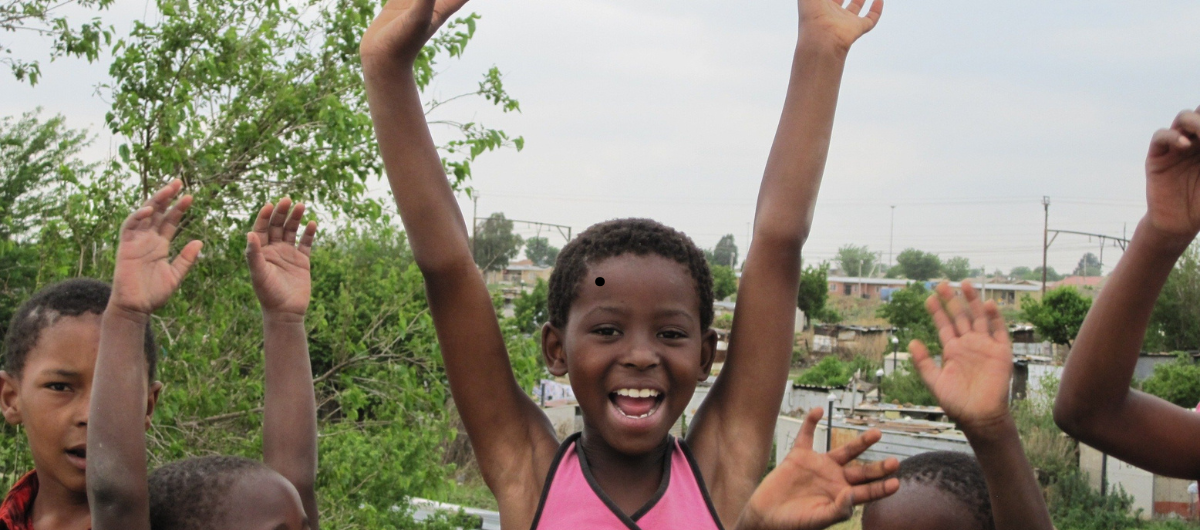
Before the sun even breaches the horizon over the vast, sweeping savannahs and bustling towns of East Africa, millions of Tanzanian families are already awake, facing a daily battle for survival. In a country deeply renowned for its breathtaking natural beauty—from the snowy peaks of Mount Kilimanjaro to the wildlife-rich plains of the Serengeti—there exists a stark contrast. Away from the tourist trails, poverty remains one of the most pressing, deeply entrenched social challenges, particularly in rural, forgotten, and underserved communities. Despite steady, commendable national development progress over the last decade, the reality on the ground is that millions of families still struggle to access the absolute basics: quality education, reliable healthcare, and clean water.
This is exactly where the tireless work of a charity Tanzania organization becomes not just helpful, but profoundly life-saving. Through carefully targeted, culturally sensitive interventions in education and health, these non-governmental organizations (NGOs) are doing far more than just meeting immediate, desperate needs. They are planting seeds. They are actively creating long-term, sustainable pathways out of extreme poverty, empowering a new generation to rewrite their own futures.
From mixing concrete to build safe, weather-proof classrooms in remote highland villages, to funding mobile medical clinics that navigate treacherous dirt roads to reach isolated families, charity Tanzania initiatives are quietly reshaping lives every single day. This comprehensive guide explores exactly how these organizations operate on the ground, the deeply human impact they create, and why education and health remain the absolute most powerful tools we have in the global fight against poverty.

The Raw Reality of Poverty in Tanzania Today
To truly understand the value of philanthropic work, we must first look at the reality of daily life for those living on the margins. Tanzania is a nation rich in vibrant culture, incredible resilience, natural resources, and boundless economic potential. Yet, the shadows of poverty continue to affect a massive portion of the population. The divide between the rapidly developing urban centers like Dar es Salaam and the deep rural villages is staggering. In these rural areas, families often depend entirely on subsistence farming. Their livelihoods are at the absolute mercy of unpredictable weather patterns, droughts, and fluctuating market prices.
Poverty here is not just a lack of money; it is a lack of choices. It is the agonizing decision a mother makes when she has to choose between buying seeds for the next harvest or buying malaria medication for her feverish child. It is the heartbreak of a bright, ambitious twelve-year-old girl who is told she must leave school because the family can no longer afford the mandatory uniform, or because she is needed to walk five miles a day to fetch water.
The key challenges that perpetuate this cycle include:
- Severe limitations in rural education: Overcrowded classrooms, underpaid and overwhelmed teachers, and a desperate lack of basic learning materials like pencils and exercise books.
- Critical healthcare shortages: A lack of accessible clinics, medicine stock-outs, and a severe shortage of trained doctors and nurses in rural wards.
- Youth unemployment: Even when young people complete basic schooling, a lack of vocational training and job opportunities leaves them stranded.
- Crumbling or non-existent infrastructure: Poor road networks that wash away in the rainy season, cutting off entire villages from hospitals and markets, alongside a lack of clean drinking water and electricity.
- Vulnerability to climate change: As a population heavily dependent on agriculture, changing rain patterns frequently lead to devastating crop failures and widespread food insecurity.
For many hardworking families, these systemic challenges create a suffocating cycle of poverty that is nearly impossible to break without a helping hand. This is the exact intersection where a dedicated charity Tanzania organization steps in, transforming despair into tangible hope.
The Transformative Role of Charity Tanzania Organizations
The modern landscape of philanthropy has evolved beautifully. Gone are the days when charities simply dropped off boxes of used clothes and left. Today, the most effective charity Tanzania NGOs act as long-term partners and bridges between vulnerable communities and essential human services. They mobilize funding, skilled volunteers, and vital resources from both local citizens and international donors, but more importantly, they listen to the communities they serve.
They operate on the philosophy of empowerment rather than mere charity. By working hand-in-hand with village elders, local government authorities, and the families themselves, they implement sustainable development programs that the community eventually owns and maintains. Their work is universally anchored in two major pillars: education and healthcare. Why? Because decades of global development data—and plain common sense—prove that these two sectors directly influence human productivity, income levels, gender equality, and long-term community survival.

How Charity Tanzania Initiatives Are Revolutionizing Education
Education is the great equalizer. It is the single most reliable weapon we have to break the generational chains of poverty. Yet, access to it is tragically unequal. Charity Tanzania initiatives are working with relentless dedication to ensure that every child, regardless of the zip code or dirt road they were born on, has access to quality, empowering education. Here is how they are doing it:
1. Life-Changing Child Sponsorship Programs
For a family living on less than two dollars a day, the hidden costs of “free” public education—uniforms, shoes, examination fees, and daily transport—are insurmountable. Many NGOs offer deeply personal child sponsorship programs. When a donor sponsors a child, they are literally keeping that child in a classroom. These programs cover the holistic needs of the student: ensuring their school fees are paid, providing a crisp new uniform that gives the child dignity, and supplying daily hot meals so they can focus on math instead of their empty stomachs. This 1-on-1 connection not only removes financial barriers but provides immense emotional support to a child who realizes someone far away believes in their potential.
2. Building and Renovating Safe Learning Spaces
Try to imagine learning advanced algebra while sitting on a dirt floor, under a leaking tin roof, with 80 other students packed into a room meant for 30. In many rural parts of Tanzania, schools lack the most basic infrastructure. Charity Tanzania organizations rally resources to construct solid brick classrooms, pour concrete floors, and build crucial sanitation facilities. A school with safe, gender-separated latrines directly correlates to higher attendance rates, especially for teenage girls. Providing wooden desks means children no longer have to hunch over their laps, improving their posture, handwriting, and overall respect for their educational environment.
3. Empowering the Unsung Heroes: Teacher Training
A beautiful classroom is just an empty building without a passionate, equipped teacher inside it. Quality education depends heavily on the educators. Recognizing this, forward-thinking NGOs invest heavily in teacher training programs. They provide workshops on modern, interactive teaching methodologies, moving away from rote memorization. They support teachers with classroom management skills, trauma-informed care for dealing with vulnerable children, and occasionally provide salary supplements or housing to incentivize highly qualified teachers to move to remote, rural schools.
4. Providing Essential Learning Materials
It is incredibly difficult to learn to read without a book. It is hard to practice math without a pencil. Charities distribute thousands of textbooks, exercise books, pens, and increasingly, digital learning tools like solar-powered tablets, to students who otherwise would stare at a blank chalkboard. Leveling this material playing field gives rural students a fighting chance to pass the rigorous national examinations and progress to secondary school or university.
5. Fiercely Supporting Girls’ Education
When you educate a girl, you change the trajectory of an entire nation. However, girls in rural Tanzania face unique, daunting barriers. Period poverty—the lack of access to sanitary pads—forces millions of girls to miss a week of school every month, causing them to fall hopelessly behind and eventually drop out. Furthermore, cultural pressures regarding early marriage and domestic labor often pull girls out of the classroom. Targeted charity Tanzania programs fight this by distributing reusable sanitary kits, running community workshops on gender equality to change the minds of fathers and village leaders, and creating safe after-school mentorship clubs where girls are taught leadership and self-worth.
How Charity Tanzania Strengthens Fragile Healthcare Systems
You cannot educate a sick child, and a sick parent cannot work to feed their family. Healthcare is the foundation upon which all other development rests. Tragically, many rural communities in Tanzania are located miles away from the nearest doctor. Treatable illnesses like malaria, respiratory infections, and waterborne diseases often become fatal simply due to distance and lack of medicine. This is where the health interventions of a charity Tanzania become a literal matter of life and death.

1. Deploying Mobile Health Clinics
When the patient cannot reach the hospital, the hospital must reach the patient. NGOs organize and fund mobile clinics—often rugged 4×4 vehicles packed with medicines, diagnostic equipment, and medical personnel—that travel deep into the bush. They set up temporary clinics under trees or in village halls, providing essential medical services such as childhood vaccinations, malaria testing, wound care, and the dispensing of life-saving antibiotics to people who haven’t seen a doctor in years.
2. Championing Maternal and Child Health
Pregnancy and childbirth should be a time of joy, but in remote areas without medical support, it is fraught with danger. Pregnant women and infants are among the most highly vulnerable demographics. Charity Tanzania maternal programs focus intensely on reducing maternal and infant mortality. They train local traditional birth attendants in safe, hygienic delivery practices. They provide prenatal vitamins, ultrasound access via mobile units, and supply “mama kits” containing clean razors, sterile gloves, and baby blankets for safe home or clinic deliveries. They also run intense child nutrition programs to combat stunting and severe acute malnutrition in the critical first 1,000 days of a child’s life.
3. Building Permanent Health Infrastructure
While mobile clinics are excellent for outreach, permanent infrastructure is required for emergencies and complex care. Many organizations partner with the Tanzanian Ministry of Health to build, expand, or upgrade local dispensaries and regional health centers. They install solar panels so midwives don’t have to deliver babies by the light of a mobile phone. They drill boreholes so the clinic has running water to wash hands and sterilize equipment. They supply hospital beds, incubators, and essential medicines to ensure these facilities can serve their communities with dignity.
4. Grassroots Health Awareness and Prevention
The cheapest and most effective medicine is prevention. NGOs invest heavily in community health education. Local health workers—often trusted members of the community trained by the charity—go door-to-door teaching families about the importance of washing hands with soap, boiling water before drinking, using insecticide-treated mosquito nets to prevent malaria, and understanding family planning and HIV prevention. By changing behaviors at the household level, communities can prevent diseases before they require costly medical intervention.
The Impact of Charity Tanzania Programs in 2026
Statistics and program descriptions can sometimes mask the deeply human reality of this work. To understand the true impact of a charity Tanzania organization, you have to look at the individual lives transformed.
Consider the story of a village in the semi-arid central region of the country. Just five years ago, the local primary school was a crumbling mud-brick structure with no roof. When it rained, school was canceled. The children suffered from chronic stomach illnesses because their only water source was a shared, muddy river two miles away. Enrollment was low, and test scores were abysmal.
Then, a collaborative charity partnership entered the village. They didn’t just impose a solution; they held meetings with the village elders to understand their most urgent needs. Over the next three years, magic happened. Donors funded the construction of three new, brightly painted classrooms and a block of clean toilets. A deep water well was drilled right in the school courtyard.
The impact was immediate and staggering. Waterborne diseases dropped by 80%. Because the children no longer had to spend hours walking to fetch water, they spent those hours in the classroom. With a new roof over their heads, the rainy season no longer interrupted their learning. Today, children from that village are passing their national exams and heading to secondary school. Health improvements and educational access worked hand-in-hand to completely rewrite the future of an entire community. Families are healthier, parents are more productive, and the children dare to dream of becoming doctors, engineers, and teachers.
The Unseen Challenges Faced by Charity Tanzania NGOs
While the victories are beautiful, the daily reality of running an NGO in a developing nation is incredibly difficult. The dedicated staff of these organizations face monumental challenges that the general public rarely sees:
- Unpredictable Funding: Charities rely heavily on the generosity of donors. Economic downturns globally can lead to sudden funding cuts, threatening the continuity of life-saving programs.
- Logistical Nightmares: Operating in remote areas means dealing with terrible roads. During the rainy season, vehicles get stuck in mud for days, making it impossible to deliver medical supplies or building materials.
- Overwhelming Demand: Perhaps the most emotionally taxing challenge is the sheer volume of need. For every child sponsored, there are ten more waiting. Clinic workers often have to turn people away when medicines run out.
- Navigating Cultural Barriers: Introducing new health practices or advocating for girls’ education requires immense patience, respect, and time to overcome deeply rooted cultural traditions and skepticism.
These hurdles make sustainable, unrestricted funding and global awareness absolutely essential for the continued success of any charity Tanzania.
The Beautiful Symbiosis: Why Education and Health Must Work Together
If there is one major lesson development experts have learned, it is that you cannot tackle poverty in silos. Education and health are deeply, intrinsically interconnected. They are two sides of the exact same coin.
A child who is chronically suffering from untreated malaria, or who is malnourished, simply cannot concentrate in class, no matter how good the teacher is. Conversely, educated individuals are drastically more likely to make informed, life-saving health decisions. A mother with even a primary school education is significantly more likely to vaccinate her children, understand basic hygiene, and seek medical help during pregnancy, thereby improving the overall health of the next generation.
The most effective charity Tanzania organizations understand this symbiosis. By integrating both sectors—such as implementing school feeding programs or delivering deworming medication in classrooms—they create a holistic safety net that produces stronger, faster, and more resilient developmental outcomes.
How You Can Actively Support Charity Tanzania Initiatives
Reading about these challenges can sometimes feel overwhelming, but the truth is that every single person reading this has the power to effect change. You do not need to be a millionaire to make a profound difference. There are highly impactful, accessible ways individuals, families, and businesses can support charity Tanzania initiatives today:
- Commit to Child Sponsorship: For the cost of a few cups of coffee a month, you can guarantee a child’s education, nutrition, and healthcare. It is the most direct and personal way to give.
- Make Monthly or One-Time Donations: Unrestricted funds allow charities to allocate money exactly where the need is most urgent, whether that is fixing a broken water pump or buying emergency malaria medication.
- Volunteer Your Skills: If you have a background in medicine, education, engineering, or even digital marketing, many organizations desperately need skilled volunteers to build capacity on the ground or assist remotely.
- Launch Fundraising Campaigns: Use your birthday, a marathon run, or a community bake sale to raise funds and awareness for a specific project, like building a new classroom.
- Corporate Partnerships: If you own a business, consider implementing a Corporate Social Responsibility (CSR) program that partners with a Tanzanian NGO. Matching employee donations is a incredible way to multiply your impact.

Looking Ahead: The Bright Future of Charity Tanzania Programs
As we move deeper into 2026, the future of charity Tanzania organizations is remarkably promising. We are entering an era of unprecedented connectivity. Digital fundraising platforms, social media storytelling, and transparent reporting technology are making it easier than ever for donors in New York, London, or Sydney to connect directly with a village in the Serengeti. Donors can now see exactly where their money goes, track the progress of a school being built via GPS updates, and video chat with the communities they are supporting.
Furthermore, there is a massive shift toward local leadership. The most successful international charities are increasingly handing the reins over to local Tanzanian directors, doctors, and educators who understand the cultural context intimately. This localization ensures that solutions are not just imported, but are organically grown, deeply respected, and fiercely protected by the community. With continued technological advancement and steadfast global support, these organizations are perfectly positioned to drastically expand their reach and efficiency.
Conclusion: A Call to Global Solidarity
In the end, the work of a charity Tanzania organization is about restoring human dignity. It is about looking at a child born into the harshest of circumstances and saying, “We see you, you matter, and you deserve a chance.” By fighting poverty through the dual, mighty forces of education and healthcare, these NGOs are doing nothing short of performing daily miracles. They are transforming lives, empowering weary parents, and slowly but surely building a brighter, more equitable future for the next generation of Tanzanians.
While the challenges of climate change, limited funding, and systemic poverty remain steep, the impact of this work is undeniable and deeply inspiring. Poverty is not an insurmountable mountain; it is a problem created by humans that can absolutely be solved by human compassion, strategic action, and unwavering solidarity. With your continued global support and awareness, these incredible initiatives will continue to break the vicious cycle of poverty, ensuring that one day, every child in Tanzania has the opportunity to live a healthy, educated, and deeply fulfilling life.
Leave a Reply