Category: Charity

  • How Sponsoring a Child in Tanzania Changes Lives: Complete 2026 Guide

    How Sponsoring a Child in Tanzania Changes Lives: Complete 2026 Guide

    Imagine knowing that your monthly coffee budget is the exact reason a child in a rural village can put on a school uniform, eat a hot meal, and sit at a desk to learn. Child sponsorship is arguably one of the most direct, powerful, and deeply personal ways to create lasting change in vulnerable communities. In Tanzania, despite rapid national development, thousands of children still face daily battles with poverty, limited access to education, poor healthcare, and unsafe living conditions. Sponsoring a child isn’t just about charity; it’s about providing a lifeline of hope, opportunity, and the tangible support needed to rewrite a future.

    Through dedicated child sponsorship programs, donors from around the world can bypass the red tape and directly contribute to improving the lives of children. Your support funnels right into the essentials: education, healthcare, daily nutrition, school supplies, mentorship, and vital community development projects.

    Trusted, grassroots organizations like Zara Tanzania Charity work hand-in-hand with local leaders to ensure that vulnerable children receive exactly what they need to grow, learn, and break the cycle of poverty.

    If you’ve ever wondered about the real, on-the-ground impact of your donations, this complete 2026 guide explains exactly how sponsoring a child in Tanzania works, why it matters so deeply, and how your commitment can transform lives for generations to come.

    Medical Volunteering in Tanzania 2026: Complete Guide

    What Does Child Sponsorship Actually Mean?

    At its core, child sponsorship is a long-term partnership. It is a support program where individuals, families, or even businesses pledge a small monthly financial contribution to help a specific vulnerable child—and by extension, their community—access basic human needs and opportunities they would otherwise be denied.

    When you commit to sponsorship, your funds typically help provide:

    • Essential school fees and mandatory uniforms
    • Books, pencils, and educational materials
    • Nutritious daily meals (often served at school to encourage attendance)
    • Access to routine healthcare and emergency medical support
    • Clean water initiatives for the child’s village
    • Safe housing support for the most vulnerable families
    • Emotional, psychological, and social mentorship

    Rather than providing a one-off “band-aid” solution, sponsorship focuses on creating sustainable, structural improvements in the child’s life.

    The Real Challenges Facing Children in Tanzania Today

    Tanzania is a beautiful country making incredible strides in education and healthcare infrastructure. However, the gap between urban centers and rural villages remains wide. Children growing up in underserved, remote areas still face severe barriers to success.

    Many children struggle daily with:

    • Generational poverty and food insecurity
    • Overcrowded classrooms and limited access to quality teachers
    • Poor local healthcare services and high rates of preventable diseases
    • A complete lack of basic school supplies
    • Unsafe drinking water and inadequate sanitation at home
    • The risk of child labor to help support the family income
    • Deep-rooted gender inequality and, in some communities, the threat of early marriage

    These harsh realities don’t just affect a child’s physical health; they stunt their ability to succeed academically and dream of a different life. Comprehensive programs run by Zara Tanzania Charity are designed to dismantle these exact barriers by empowering both the child and their surrounding community.

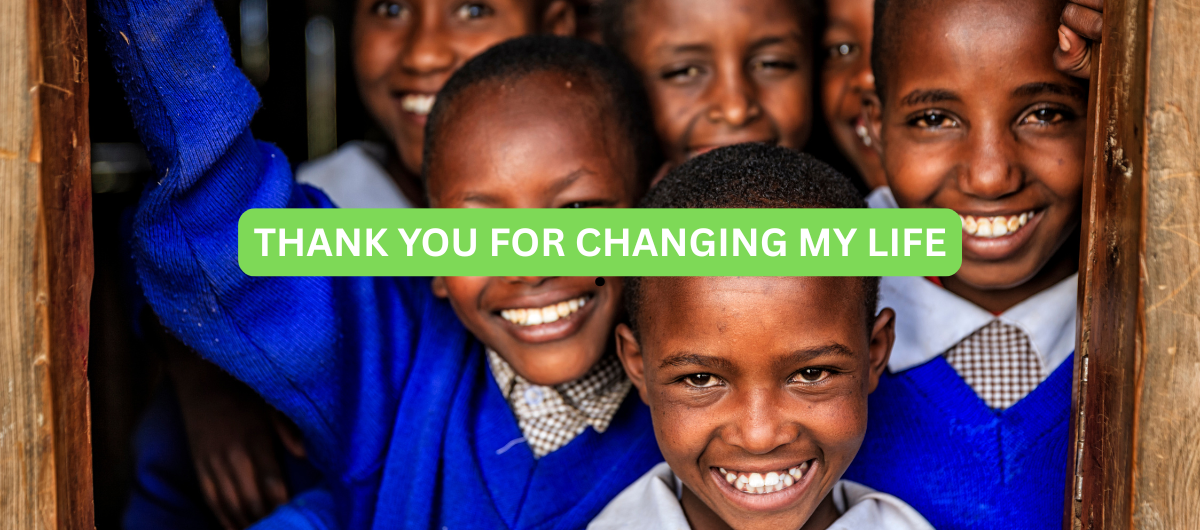
    African students eagerly learning in a classroom

    How Sponsorship Unlocks the Power of Education

    We know that education is the single most effective weapon against poverty. Yet, for a family struggling to afford dinner, school fees are an impossible luxury. Sponsorship helps keep children in the classroom where they belong.

    Many families in vulnerable Tanzanian communities simply cannot afford:

    • The mandatory school uniforms required to attend class
    • Exercise books and learning materials
    • Transportation costs to reach distant schools
    • National examination fees

    By sponsoring a child, you remove the financial burden from the parents. You ensure the child remains in school consistently. This educational support creates a profound ripple effect: it improves daily school attendance, boosts academic performance, builds undeniable confidence, and opens doors to future employment opportunities. An educated child becomes an empowered adult who will eventually uplift their entire community.

    The Life-Saving Healthcare Benefits of Child Sponsorship

    A child cannot focus on math or reading if they are battling malaria or a toothache. Healthcare is a critical pillar supported through child sponsorship programs.

    Vulnerable children often lack access to:

    • Routine pediatric checkups
    • Vital childhood vaccinations
    • Proper nutritional screening
    • Basic dental care
    • Emergency medical treatment when accidents happen

    Sponsorship ensures that a child is medically protected. Healthy children are far more likely to attend school regularly, play actively, and grow into strong, capable adults.

    “Sponsorship is not just about giving a child a pencil; it is about giving them the health, nutrition, and confidence to use that pencil to write their own future.”

    Healthcare support and medical checkup for children in Tanzania

    Tackling Hunger: Nutrition and Food Security

    Malnutrition is a silent crisis in many rural communities across Tanzania. A child who lacks proper nutrition will inevitably experience poor concentration in school, a weakened immune system, and delayed physical and cognitive growth.

    Child sponsorship programs directly combat this by providing nutritious meals and food support to vulnerable families. School feeding programs are especially vital—they serve a dual purpose of nourishing the child while providing a massive incentive for parents to send their children to school every single day.

    Empowering Girls: Changing the Narrative

    In vulnerable communities, girls often carry the heaviest burdens. They face additional hurdles, including limited educational opportunities, heavy household chore responsibilities, and the very real risk of early marriage or teen pregnancy.

    Sponsorship programs are a powerful tool to empower girls by:

    • Guaranteeing their equal access to education
    • Providing safe spaces and female mentorship
    • Promoting self-confidence and leadership skills
    • Significantly reducing secondary school dropout rates
    • Encouraging them to pursue long-term careers in medicine, teaching, or business

    When you educate a girl, you elevate a nation. Communities where girls are supported experience significantly higher long-term social and economic growth.

    Community Development: Lifting the Whole Village

    One of the most beautiful aspects of modern child sponsorship is that it does not isolate the child from their environment. Organizations pool sponsorship funds to improve the overall community.

    Your support often funds community-focused projects such as:

    • Building or repairing safe classrooms
    • Installing hygienic sanitation systems and latrines
    • Drilling boreholes for clean water access
    • Supporting women’s empowerment and micro-lending programs
    • Running agricultural support projects for local farmers

    These initiatives create sustainable, sweeping improvements. To see how these community models work in practice, explore the ongoing projects at Zara Tanzania Charity.

    The Emotional Impact: You Are Telling a Child They Matter

    Beyond the tangible benefits of books and medicine, child sponsorship delivers profound emotional encouragement. For a child living in poverty, knowing that someone far away cares about their future is incredibly validating.

    Sponsored children frequently report gaining a stronger sense of belonging, higher motivation in their studies, and the courage to set positive future goals. This emotional support is the invisible fuel that drives them to succeed.

    How to Sponsor a Child in Tanzania in 2026

    Taking the leap to sponsor a child is remarkably simple and deeply rewarding. The process generally involves:

    1. Selecting a child or a specific community program through a trusted charity.
    2. Choosing your monthly contribution amount (which is usually quite affordable).
    3. Receiving an initial profile and photo of your sponsored child.
    4. Getting periodic updates on their academic progress and community projects.

    Many programs even allow you to exchange letters, creating a beautiful cross-cultural bond between you and the child you are supporting.

    Why Choose Zara Tanzania Charity?

    When you sponsor a child, you want to know your money is reaching the ground. Zara Tanzania Charity is a locally rooted organization deeply invested in sustainable community development. They cut out the heavy administrative overhead of massive international NGOs, working directly with local schools and village leaders to ensure donations create meaningful, transparent, and lasting impact.

    Their holistic approach covers child education, women’s empowerment, healthcare, and environmental conservation—ensuring the child you sponsor grows up in a thriving, self-sufficient community.

    Frequently Asked Questions

    How much does it typically cost to sponsor a child?

    The cost is usually very manageable, often ranging between $30 to $50 a month, depending on the specific program and the level of holistic support provided to the community.

    Can I communicate with my sponsored child?

    Yes! Most reputable programs encourage sponsors to exchange letters and photos. It’s a wonderful way to offer encouragement and build a personal connection.

    Does my sponsorship only help one child?

    No. While your funds ensure your specific child gets what they need, reputable charities pool a portion of the funds to build schools, clinics, and water wells that benefit the entire community.

    How long does the sponsorship commitment last?

    It is entirely up to you. Sponsorship can continue for a few months or span years until the child graduates from the program. Most sponsors find it so rewarding that they stay with their child through their entire educational journey.

    Conclusion: Your Opportunity to Change a Life

    Sponsoring a child in Tanzania is so much more than a monthly financial transaction. It is an act of profound global citizenship. It is an opportunity to directly transform a life, strengthen a fragile community, and inject hope where it is needed most.

    Through the pillars of education, healthcare, nutrition, and community development, sponsorship programs give vulnerable children the exact tools they need to achieve their dreams. Every single contribution matters. Your choice to support a child today will echo through their family for generations.

    Start Your Sponsorship Journey Today

  • Sowing Seeds of Hope: The Lifelong Impact of Educating Tanzania’s Youth

    Sowing Seeds of Hope: The Lifelong Impact of Educating Tanzania’s Youth

    Imagine a classroom where the lessons go far beyond mathematics and reading. Imagine a space where children are taught not only how to succeed academically but how to become the caretakers of their communities and their natural environment.

    At Zara Tanzania Charity, we believe that education is the single most powerful tool for breaking the cycle of poverty. But in 2026, we also know that education must be holistic to be truly effective.

    Supporting the Whole Child

    Through our work with local schools and the Moshi Kids Center, we’ve learned that a child cannot focus on their studies if they are hungry, or if they lack basic school supplies. Our educational initiatives are designed to remove these barriers. By providing essential school materials, supporting school feeding programs, and improving infrastructure, we ensure that vulnerable children have a safe, nurturing environment in which to learn.

    But our mission doesn’t stop at the classroom door.

    Connecting Education with the Environment

    Tanzania is home to some of the world’s most incredible natural wonders, from the slopes of Mount Kilimanjaro to the vast plains of the Serengeti. We believe the next generation must be equipped to protect this heritage. That is why our youth programs increasingly integrate environmental conservation.

    When children participate in our community tree-planting initiatives, they learn a vital lesson: they have the power to shape their environment. They learn about sustainability, climate resilience, and responsibility. Watching a child plant a sapling and realize that it will grow alongside them is one of the most beautiful sights we witness in our field visits.

    A Future Built Together

    Every child deserves the right to dream, to learn, and to grow up in a healthy environment. By bridging the gap between basic education and community responsibility, we are not just educating children; we are raising tomorrow’s leaders, conservationists, and innovators.

    The journey of a charity donation often begins with a simple act of generosity, but its destination is the bright, hopeful smile of a Tanzanian child holding a new textbook.

    Help us build stronger, self-sufficient communities. Discover our Education Projects and find out how you can volunteer or donate today.

  • Breaking Barriers: How Skills Training is Empowering Tanzanian Women in 2026

    Breaking Barriers: How Skills Training is Empowering Tanzanian Women in 2026

    When you invest in a woman, you invest in an entire community. At Zara Tanzania Charity, we have seen this truth play out time and time again. As we move further into 2026, our focus on women’s empowerment has never been more vital. But what does “empowerment” actually look like on the ground in Tanzania?

    It looks like economic independence, sustainable skills, and the confidence to lead.

    Moving Beyond Short-Term Relief

    For decades, humanitarian aid in Africa often focused on short-term relief. While immediate support is sometimes necessary, true transformation requires a long-term approach. Through our targeted skills training and income-generation initiatives, we are helping Tanzanian women step into roles they previously thought were out of reach—including within the booming sustainable tourism sector.

    By teaching practical vocational skills, entrepreneurship, and financial literacy, we are equipping women with the tools they need to launch their own small businesses. Whether it’s crafting traditional artisanal goods, managing community-led agriculture, or stepping into hospitality, these women are rewriting their futures.

    The Ripple Effect of a Working Woman

    The impact of a financially independent woman is profound. Statistics consistently show that women reinvest up to 90% of their income back into their families. When a mother in our program starts generating a steady income, her children are more likely to stay in school, her family’s healthcare improves, and the local economy receives a direct boost.

    We recently visited several of our women-led co-ops, and the atmosphere was electric. These are not just places of work; they are hubs of shared knowledge, sisterhood, and resilience.

    How You Can Be Part of the Change

    At Zara Tanzania Charity, we believe that empowerment is a collaborative effort. Your support makes these training programs possible. You aren’t just funding a workshop; you are funding a woman’s ability to feed her family and send her children to school.

    Want to support our women’s empowerment initiatives? Click here to learn how your donation creates real, sustainable change in Tanzania today.

  • Charity Field Visits in Tanzania: How NGOs Monitor Projects and Ensure Real Impact

    Charity Field Visits in Tanzania: How NGOs Monitor Projects and Ensure Real Impact

    Charity field visits Tanzania, where you can see project monitoring in action and discover how Zara Tanzania Charity ensures transparency and sustainable impact. How do charities make sure donations are actually making a difference?

    The answer lies in charity field visits in Tanzania—a critical process used by organizations like Zara Tanzania Charity to monitor projects, verify impact, and maintain transparency.

    In this guide, we explain exactly how NGO field visits in Tanzania work and why they are essential for real community development.


    What Are Charity Field Visits in Tanzania?

    Charity field visits in Tanzania are on-site inspections where NGO teams travel to communities to monitor ongoing projects.

    These visits help:

    • Track project progress
    • Verify use of donations
    • Collect real data from beneficiaries
    • Ensure transparency and accountability

    Without field visits, it is difficult to measure true impact.


    Why NGO Field Visits Are Important

    Field visits are one of the most important parts of NGO project monitoring in Tanzania.

    They ensure:

    • Donations are used correctly
    • Projects meet community needs
    • Problems are identified early
    • Long-term impact is achieved

    Organizations like Zara Tanzania Charity rely on regular field visits to maintain trust with donors.


    Step-by-Step: How Charity Field Visits Work


    1. Traveling to Project Locations

    Field teams travel—often to remote rural areas—to reach project sites.

    This highlights a key reality:
    Many supported communities have limited access to services and infrastructure.


     2. Meeting Community Members

    NGO teams engage directly with:

    • Local leaders
    • Teachers and caregivers
    • Women’s groups
    • Beneficiaries

    This ensures projects remain community-driven.


     3. Observing Projects in Action

    During field visits, teams observe real project activities such as:

    • School programs and attendance
    • Health outreach services
    • Empowerment initiatives
    • Environmental conservation projects

    This step answers:
    Is the project actually working?


     4. Collecting Data and Evidence

    Field monitoring includes structured data collection:

    • Reports and attendance records
    • Photos and videos
    • Interviews and feedback
    • Progress tracking

    This helps NGOs measure impact accurately.


    5. Gathering Community Feedback

    One of the most valuable parts of charity field visits in Tanzania is listening.

    Communities share:

    • Challenges they face
    • Improvements needed
    • Success stories

    This ensures projects evolve based on real needs.


    📈 6. Reporting and Improving Projects

    After the visit, NGOs:

    • Analyze collected data
    • Prepare reports
    • Adjust project strategies

    This continuous improvement ensures better outcomes over time.


    Challenges of Field Visits in Tanzania

    Monitoring projects on the ground comes with challenges:

    • Remote and hard-to-reach locations
    • Poor road infrastructure
    • Weather disruptions
    • Limited local resources

    Despite these challenges, NGOs continue field visits because they are essential for accountability and impact.


    How Field Visits Build Donor Trust

    For donors, NGO field visits in Tanzania provide confidence that:

    • Projects are real and active
    • Funds are used responsibly
    • Impact is being measured
    • Communities are benefiting

    This transparency encourages long-term support.


    Real Impact of Charity Field Visits

    Through field monitoring, NGOs can:

    • Improve education programs
    • Strengthen healthcare services
    • Support women’s empowerment
    • Enhance community development

    Field visits ensure that charity work is not just planned—but successfully delivered.


    Frequently Asked Questions (FAQs)

    ❓ What are charity field visits in Tanzania?

    They are on-site visits where NGOs monitor projects, collect data, and ensure donations are used effectively.


    ❓ Why are NGO field visits important?

    They help track impact, improve projects, and ensure accountability in charity work.


    ❓ How do NGOs monitor projects in Tanzania?

    Through field visits, data collection, community feedback, and reporting systems.


    ❓ Do field visits improve charity transparency?

    Yes, they provide real evidence that projects are working and funds are used properly.


    Final Thoughts

    Charity work does not end when a project starts—it continues through monitoring, learning, and improving.

    Charity field visits in Tanzania are the backbone of this process. They connect donors to real impact and ensure that every project truly benefits the community.

    Organizations like Zara Tanzania Charity use field visits to turn good intentions into measurable, lasting change.

    Ready to make a difference? Join our charity field visits in Tanzania to see our project monitoring in person and witness the sustainable impact we create together.


  • What Happens After You Donate? The Journey of a Charity Donation in Tanzania

    What Happens After You Donate? The Journey of a Charity Donation in Tanzania

    When you choose to donate to a charity in Tanzania, one of the most important questions is: what happens after you donate Tanzania? At ZARA Tanzania Charity, we believe transparency is everything. Every contribution you make is carefully tracked, allocated, and transformed into real impact on the ground.

    The Process of Transparency

    • 1. Receiving Your Donation

      • Once your donation is received, it is officially recorded and allocated to a specific project.

    • 2. Allocation to Real Needs

      • We prioritize urgent needs such as food, education, and health support.

    • 3. Implementation on the Ground

      • Our local team ensures funds reach the right people.

    • 4. Field Visits and Monitoring

      • We verify projects through regular field visits.

    • 5. Reporting and Transparency

      • We ensure donors understand the impact of their contribution.

    Make a Difference Today

    Your support helps us continue our mission in Tanzania. Whether you contribute to the Moshi Kids Center, join our Volunteer page, or give via our Donation page, you are creating lasting change.

    Donate today and be part of a transparent, impactful journey.


    what happens after you donate Tanzania
    what happens after you donate Tanzania
  • Sustainable Change: Moving Beyond Short-Term Aid

    Sustainable Change: Moving Beyond Short-Term Aid

    A Perspective Grounded in Zara Charity Tanzania

    Introduction

    For decades, global development has often focused on short-term aid like donations of food, clothing, or money to meet urgent needs. While this help offers temporary relief, it usually does not solve the deeper problems that keep communities in poverty.
    Today, more people realize that real impact needs more than quick fixes. Sustainable change means finding long-term solutions that help communities become self-reliant, resilient, and able to shape their own futures.
    Zara Charity Tanzania is a clear example of this approach. With community-driven programs in education, healthcare, environmental conservation, and economic empowerment, Zara Charity shows what it means to go beyond short-term aid.
    This article looks at why sustainable change is important, how it is different from traditional aid, and how Zara Charity’s work offers a strong example for lasting impact.

    The Problem with Short-Term Aid

    Short-term aid usually comes from good intentions. It responds quickly to urgent needs like hunger, illness, or lack of shelter. However, it also has important limitations:

    1. Temporary Relief Without Lasting Impact

    Providing food or supplies addresses immediate suffering but does not change the underlying conditions that caused the problem.

    2. Dependency Risks

    Repeated aid without long-term planning can create reliance, where communities depend on external support rather than building their own capacity.

    3. Lack of Local Ownership

    Many traditional aid models are designed externally, without meaningful input from the communities they aim to serve.

    4. Limited Scalability

    Short-term interventions often fail to create systems that can grow, adapt, and sustain themselves over time.
    This is why the global development conversation is changing. People are asking not just “How can we help?” but also “How can we empower?”

    What Sustainable Change Really Means

    Sustainable change means finding long-term solutions that address the root causes, not just the symptoms. It is based on three main principles:

    1. Empowerment

    Communities are equipped with skills, knowledge, and resources to improve their own lives.

    2. Local Leadership

    Solutions are designed and implemented with active participation from local people.

    3. Long-Term Impact

    Programs are structured to continue delivering benefits long after initial funding ends.
    This approach is not just more effective; it is also more respectful. It sees communities as active agents of change, not just passive recipients of aid.

    Zara Charity Tanzania: A Model for Sustainable Development

    Founded in 2009, Zara Charity Tanzania was created as part of a broader movement to connect tourism, global citizens, and local communities in meaningful ways. (Zara Charity Tanzania)
    From the beginning, its mission has gone beyond providing aid. The organization focuses on empowering communities through education, healthcare, environmental conservation, and sustainable development. (Zara Tanzania Charity)
    This well-rounded approach makes sure that change is both immediate and long-lasting.

    Education: Breaking the Cycle of Poverty

    Education is one of the strongest ways to create lasting change.

    Moshi Kids Centre

    Zara Charity’s Moshi Kids Centre provides early childhood education, nutrition, and care for vulnerable children. (Zara Charity Tanzania)
    This is not only about giving children a place to learn. It is also about:
    • Building a foundation for lifelong success
    • Improving health and well-being through nutrition
    • Supporting working parents, especially single mothers
    Education helps break the cycle of poverty by giving children the tools they need for a better future.
    Instead of just giving school supplies once, Zara Charity invests in ongoing education systems that help communities year after year.

    Women’s Empowerment: Creating Ripple Effects

    Sustainable change works best when it empowers people who are often left out. Zara Charity focuses strongly on empowering women.
    Through vocational training programs, women gain skills in:
    • Tailoring
    • Agriculture
    • Small business management
    These programs offer more than just income. They also:
    • Increase financial independence
    • Strengthen families
    • Boost local economies
    When women are empowered, whole communities benefit. Children are more likely to go to school, families become more stable, and local economies improve.
    This clearly shows how to move beyond short-term aid. Rather than just giving temporary financial help, Zara Charity gives women the skills to earn a steady income.

    Community Projects: Building Long-Term Infrastructure

    Zara Charity’s projects show a strong commitment to long-term community development.
    These include:
    • Water and solar projects in Maasai communities
    • Pre-school construction in Ngorongoro
    • Environmental initiatives like tree planting and clean-up campaigns
    Such projects address fundamental needs:
    • Access to clean water improves health
    • Renewable energy supports education and safety
    • Environmental conservation protects future resources
    Instead of one-time aid, these projects build infrastructure that supports communities for many years.

    Environmental Sustainability: Protecting the Future

    Real sustainability also means taking care of the environment.
    Zara Charity integrates environmental conservation into its work through:
    • Tree planting campaigns
    • Clean-up projects on Mount Kilimanjaro and coastal areas
    • Community education on environmental stewardship
    These efforts recognize that:
    • Environmental health is directly linked to human well-being
    • Climate challenges disproportionately affect vulnerable communities
    By working on environmental, social, and economic issues together, Zara Charity takes a complete approach to sustainable development.

    Healthcare: Strengthening Community Resilience

    Access to healthcare is essential for sustainable progress.
    Zara Charity supports health initiatives that:
    • Provide medical care
    • Promote nutrition and hygiene
    • Improve community awareness
    Healthy communities are more productive, more resilient, and better prepared to invest in their futures.
    Short-term medical aid can save lives, but sustainable healthcare systems help entire generations.

    Local Leadership and Community Ownership

    A key part of Zara Charity’s approach is its focus on involving local people.
    The organization works directly with Tanzanian communities, ensuring that:
    • Programs reflect real needs
    • Solutions are culturally appropriate
    • Communities take ownership of projects
    This involvement is crucial for sustainability. When communities help make decisions, they are more likely to keep projects going and help them grow.

    Transparency and Accountability

    Trust is also essential for sustainable change.
    Zara Charity emphasizes:
    • Clear reporting of impact
    • Transparent use of funds
    • Ongoing communication with supporters
    This accountability makes sure resources are used well and lets donors see the real impact of their support.

    The Ripple Effect of Sustainable Change

    One of the strongest parts of sustainable development is how its benefits multiply over time.
    For example:
    • Educated children become skilled adults who contribute to their communities
    • Empowered women invest in their families and local economies
    • Improved infrastructure supports long-term growth
    As noted in development insights, investments in education, healthcare, and community development continue to create value long after the initial support is given. (Zara Tanzania Charity)
    This ripple effect is what sets sustainable change apart from short-term aid.

    Moving from Donors to Partners

    Zara Charity’s model shows a bigger change in global development: moving from donors to partners.
    Supporters are not just giving money; they are:
    • Investing in long-term solutions
    • Supporting community-led initiatives
    • Becoming part of a global effort to create change
    This partnership approach makes both the organization and the communities it serves stronger.

    Why This Approach Matters More Than Ever

    The challenges the world faces today, like poverty, inequality, and climate change, are complex and connected.
    Short-term solutions are not enough anymore.
    Sustainable change matters because it:
    • Addresses root causes, not just symptoms
    • Builds resilience against future challenges
    • Creates systems that continue to grow and evolve
    Organizations like Zara Charity show that real change is possible when we focus on long-term impact.

    How Individuals Can Support Sustainable Change

    You do not have to run an organization to help with sustainable development.
    Here are practical ways individuals can support:
    • Donate to organizations focused on long-term impact
    • Support education and skills development initiatives
    • Raise awareness about sustainable solutions
    • Volunteer skills that contribute to capacity building
    Even small, steady actions can help create big changes.

    A Vision for the Future

    Imagine a world where:
    • Communities are self-sufficient
    • Children have access to quality education
    • Women have equal economic opportunities
    • Natural resources are protected and sustained
    This vision is not impossible. Organizations like Zara Charity are already making it a reality.
    Their work proves that sustainable change is more than just an idea. It is something real and possible.

    Conclusion

    Moving beyond short-term aid is not only a smart choice; it is also a moral and practical necessity.
    Short-term aid may provide immediate relief, but sustainable change transforms lives, communities, and futures.
    Through its commitment to education, women’s empowerment, environmental conservation, and community development, Zara Charity Tanzania offers a powerful example of what this transformation looks like in practice.
    The lesson is clear: real change takes time, teamwork, and dedication. But when it is done well, its impact lasts for generations.
    Sustainable change is not about doing more; it is about doing better. Now, more than ever, this is the path the world needs to take.
  • Why Global Solidarity Matters More Than Ever: A Perspective Grounded in Zara Charity Tanzania’s Work

    Why Global Solidarity Matters More Than Ever: A Perspective Grounded in Zara Charity Tanzania’s Work

    Introduction

    In today’s interconnected world, global solidarity is often discussed in abstract terms such as “shared humanity” or “collective responsibility,” but these concepts are rarely illustrated with concrete examples. Organizations working directly with communities reveal that global solidarity is clear, practical, and deeply human.
    Zara Charity Tanzania offers a compelling example of what global solidarity looks like in action. Based in Tanzania, the organization focuses on empowering communities through education, healthcare, environmental conservation, and sustainable development. (Zara Tanzania Charity)
    This article moves beyond theory to examine why global solidarity is essential today, using real programs, communities, and impact from Zara Charity as examples. Their work demonstrates that global solidarity is not just an ideal but a necessity for building a just and sustainable world.

    What Global Solidarity Really Means

    Global solidarity is often mistaken for charity or aid from wealthier nations to less affluent ones. However, Zara Charity’s model challenges this perception.
    At its core, global solidarity is about:
    • Partnership, not dependency
    • Empowerment, not handouts
    • Sustainability, not short-term relief
    Zara Charity works directly with communities to identify needs and develop solutions collaboratively. (Zara Tanzania Charity) This approach recognizes that people are not passive recipients of aid but active participants in shaping their futures.
    Global solidarity, therefore, is not about “helpinGlobal solidarity is not about helping others from afar. It involves standing together, sharing responsibility, and building systems that benefit all. Ever

    1. Poverty Is Still a Daily Reality for Millions

    Despite global progress, poverty remains a major challenge in many parts of the world. In Tanzania, vulnerable populations still face barriers such as limited access to education, healthcare, and economic opportunities.
    Zara Charity addresses these challenges through community-driven programs designed to break the cycle of poverty. (Zara Charity Tanzania) Their work demonstrates that poverty is not only a lack of income but also a lack of opportunity.
    Global solidarity matters because:
    • Poverty anywhere affects stability everywhere
    • Inequality creates long-term global risks
    • Sustainable development requires collective effort
    When individuals and organizations support initiatives like Zara Charity, they contribute to lasting solutions rather than temporary fixes.

    2. Education Is the Foundation of Lasting Change

    Education is one of the most effective examples of global solidarity in action.
    Zara Charity’s Moshi Kids Centre provides free Zara Charity’s Moshi Kids Centre offers free early childhood education, nutrition, and emotional support to vulnerable children. (Zara Charity Tanzania) This support provides a foundation that would otherwise be inaccessible.iting. It:
    • Builds confidence and resilience
    • Opens doors to future opportunities
    • Breaks generational cycles of poverty
    Global solidarity ensures that access to education is not determined by geography or income. It affirms that every child, regardless of birthplace, deserves the opportunity to succeed.

    3. Healthcare Inequality Affects Global Stability

    Healthcare is another area where global solidarity is essential.
    Zara Charity supports community health initiatives, including:
    • Medical check-ups
    • Nutrition programs
    • Health education
    In many underserved communities, access to healthcare is limited. This impacts not only individuals but also entire communities and economies.
    Global solidarity in healthcare means:
    • Sharing resources and knowledge
    • Strengthening local health systems
    • Ensuring no community is left behind
    Recent global health challenges have shown that diseases cross borders. Supporting healthcare initiatives in one region strengthens global resilience.

    4. Women’s Empowerment Strengthens Entire Communities

    Zara Charity prioritizes women’s empowerment through skills training and entrepreneurship programs. (Zara Charity Tanzania)
    These programs provide women with:
    • Vocational skills
    • Financial independence
    • Opportunities to support their families
    When women are empowered:
    • Families become more stable
    • Children are more likely to attend school
    • Communities experience economic growth
    Global solGlobal solidarity recognizes that gender equality is a global priority, not just a local issue. Supporting women’s empowerment generates positive effects throughout society.stainable Development Requires Collective Action
    One of theA defining feature of Zara Charity’s work is its focus on sustainability.han providing short-term aid, the organization invests in:
    • Education systems
    • Economic opportunities
    • Environmental conservation
    This approach aligns with the principle that global challenges require long-term solutions. Issues such as climate change, poverty, and inequality cannot be solved by any single country or organization.
    Global solidarity ensures that:
    • Solutions are shared
    • Resources are distributed fairly
    • Progress is inclusive

    Real Stories: The Human Face of Solidarity

    While global solidarity is often discussed in abstract terms, its true impact is evident in individual lives.
    Through Zara Charity’s programs:
    • Children who once lacked access to education are now thriving in school
    • Women who had no income are now running small businesses
    • Communities that struggled with basic needs are becoming self-sufficient
    These stories highlight an important truth: global solidarity is about people, not just numbers.
    Every donation, every volunteer, and evEvery donation, volunteer, and partnership contributes to a broader story of transformation.arity Model
    What sets Zara Charity apart is its appZara Charity distinguishes itself through its approach.e organization emphasizes:
    • Community involvement
    • Transparency
    • Long-term impact
    This model reflects a shift in how global solidarity is understood:
    • From giving to partnering
    • From short-term relief to sustainable change
    • From external solutions to local leadership
    By involving communities in decision-maBy involving communities in decision-making, Zara Charity ensures its programs remain relevant, effective, and sustainable.l solidarity is not limited to governments or large organizations. Individuals also play a crucial role.
    There are many ways to contribute:
    • Supporting organizations like Zara Charity
    • Raising awareness about global issues
    • Volunteering skills and time
    • Making ethical and informed choices
    Even small actions can have significant impact when combined with the efforts of others.
    Global solidarity starts with awareness and grows through action.

    Why the World Cannot Afford to Ignore Solidarity

    Without global solidarity:
    • Inequality will continue to grow
    • Vulnerable communities will remain underserved
    • Global challenges will become harder to solve
    But with solidarity:
    • Opportunities expand
    • Communities become resilient
    • Progress becomes sustainable
    Zara Charity’s work demonstrates that meaningful change is possible when people unite with a shared purpose.

    A Vision for the Future

    Imagine a world where:
    • Every child has access to education
    • Every community has access to healthcare
    • Every individual has the opportunity to thrive
    This vision is not unrealistThis vision is not unrealistic; organizations like Zara Charity are already making it a reality.al solidarity is not just about responding to problems. It is about creating a future where those problems no longer exist.

    Conclusion

    Global solidarity matters moGlobal solidarity is more important than ever because today’s challenges are interconnected, complex, and cannot be solved in isolation.ides a powerful example of how solidarity can be translated into action. Through education, healthcare, women’s empowerment, and sustainable development, the organization is transforming lives and building stronger communities. (Zara Tanzania Charity)
    The lesson is clear: when people unite across borders, cultures, and backgrounds, real change occurs.
    Global solidarity is not just an idea; it is a responsibility. Now, more than ever, it is essential to building a better world for all.
  • 10 Questions to Ask Before Donating to a Charity in Tanzania

    10 Questions to Ask Before Donating to a Charity in Tanzania

    Giving with Intention: The Donor’s Guide to Transparency and Impact in Tanzania

    Tanzania is a nation that captures the heart. From the sprawling plains of the Serengeti to the vibrant streets of Arusha, visitors are often deeply moved by the incredible warmth, resilience, and spirit of the local communities. Naturally, many travelers and global citizens leave wanting to give back.

    However, good intentions are only the first step. The philanthropic landscape can be complex, and the rise of well-meaning but ultimately ineffective aid has proven that how you give is just as important as what you give. How do you ensure your money isn’t creating dependency, fueling administrative bloat, or being lost to inefficiency?

    Transparency is the bridge between a donor’s heart and a community’s actual growth. Before you make a financial contribution or dedicate your time, use this comprehensive framework to ensure your giving is ethical, respectful, and truly effective.

    Giving with Intention
    Giving with Intention

    The 10 Questions Every Ethical Donor Must Ask

    When evaluating an NGO or charity in Tanzania, do not be afraid to ask hard questions. A reputable organization will welcome your curiosity.

    1. Is the charity officially registered with the government?

    Any legitimate NGO operating in Tanzania must be legally registered with the national government and local authorities. This ensures they are subject to legal oversight and mandatory audits.

    • Green Flag: The organization prominently displays its NGO registration number on its website or readily provides it upon request.

    • Red Flag: They operate “under the radar” or claim registration is pending for years at a time. (Note: Zara Charity is fully registered and maintains strict, transparent compliance).

    2. What is their specific mission and focus?

    Effective charities know what they excel at and stick to it. Beware of “mission drift,” where an organization tries to solve every problem at once without the expertise to do so.

    • Green Flag: A laser-focused mission (e.g., “We provide clean water infrastructure to rural Maasai communities” or “We fund secondary school scholarships for girls in Moshi”).

    • Red Flag: A “jack-of-all-trades” approach that lacks depth or measurable focus.

    3. Can I see a tangible track record of success?

    Do not let your heart be swayed solely by smiling photos or emotional stories. Look for hard, qualitative, and quantitative results.

    • Green Flag: They share clear data: “85% of our vocational graduates launched their own businesses within two years,” or “We planted 10,000 trees with an 80% survival rate.”

    • Red Flag: Their marketing relies entirely on emotional appeals without backing up the narrative with actual impact statistics.

    4. How much of my donation reaches the field?

    While every charity needs some overhead to keep the lights on and pay local staff fair wages, the vast majority of your funds should go directly to the cause.

    • Green Flag: They are entirely transparent about their administrative costs and strive to keep them as low as functionally possible.

    • Red Flag: They refuse to disclose financial breakdowns, or more than 30% of their budget goes to marketing and international executive salaries.

    5. Is the project culturally respectful and collaborative?

    Ethical giving means working with the community as partners, not just doing things for them. The “savior complex” has no place in modern philanthropy.

    • Green Flag: The organization consults local elders, village leaders, and the beneficiaries themselves before designing or launching a project.

    • Red Flag: Imposing Western solutions on local problems without understanding the cultural context or seeking local input.

    6. Are the solutions designed for long-term sustainability?

    The ultimate goal of any good charity should be to eventually make itself obsolete. Projects should empower communities to become self-reliant.

    • Green Flag: They focus on capacity building, vocational training (like local agricultural or beekeeping cooperatives), and infrastructure that the community can maintain themselves.

    • Red Flag: Endless cycles of hand-outs that create permanent reliance on foreign aid.

    7. Can I visit the project in person?

    Transparency means having nothing to hide. If you are traveling through Tanzania on a safari or a mountain climb, an ethical organization should be proud to show you their work.

    • Green Flag: They welcome visitors to see the infrastructure, farms, or workshops.

    • Red Flag: They are highly secretive about their field operations. (Note: Exceptions exist for protecting vulnerable populations, such as children in shelters, where unregulated tourism is harmful).

    8. How is financial reporting handled?

    Trust is built on open books. As a donor, you have a right to know where every dollar, pound, or shilling goes.

    • Green Flag: They publish annual reports, regular financial summaries, and clear breakdowns of specific project spending.

    • Red Flag: Financial information is treated as a closely guarded secret.

    9. Who leads the organization on the ground?

    The most effective solutions come from the people who live the reality every day.

    • Green Flag: The charity features strong local leadership, employing Tanzanians in key decision-making and project management roles.

    • Red Flag: An organization entirely run by a foreign board of directors who only visit the country once a year.

    10. How is long-term impact measured?

    Success isn’t a ribbon-cutting ceremony. It is the lasting difference made years down the line.

    • Green Flag: They follow up. Success isn’t just “building a clinic”—it is ensuring that the clinic is fully staffed, stocked with medicine, and actively treating patients five years later.

    • Red Flag: They focus only on the initial construction or donation and have no mechanism for long-term monitoring and evaluation (M&E).


    The Zara Charity Difference: Built on Radical Transparency

    At Zara Tanzania Charity, we don’t just welcome these ten questions—we built our foundation on them.

    Because we were born from the established local tourism industry (Zara Tanzania Adventures), we operate with a unique and highly efficient model. The administrative overhead and logistical costs of running our charity are heavily subsidized by our travel operations.

    What this means for you:

    When you donate to our initiatives, an extraordinarily high percentage of your contribution bypasses administrative fees and goes directly where it belongs. Your funds directly support:

    • Education and safe housing for marginalized children in Moshi.

    • Economic empowerment and vocational training for Maasai women.

    • Vital environmental conservation and tree-planting efforts on the slopes of Mount Kilimanjaro.

    We are led by Tanzanians, for Tanzanians, and we measure our success not by the donations we collect, but by the generational independence we help build.

    Share this Guide

    Help others give with intention. Share this checklist with fellow travelers, volunteers, and global citizens who want to make a genuine, lasting, and respectful impact in Tanzania.

  • The Sweetest Resurrection: How the Asali Project is Bringing New Life to Maasai Communities

    The Sweetest Resurrection: How the Asali Project is Bringing New Life to Maasai Communities

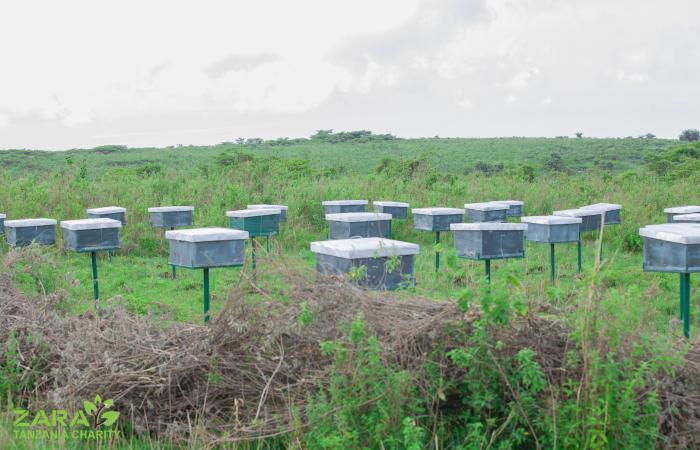
    The Asali Project Tanzania represents a powerful season of renewal, mirroring the very essence of hope, rebirth, and the celebration of new life. While much of the world celebrates the season with chocolate and spring blooms, in the remote village of Isirwa nestled within the vast, rolling landscapes of the Ngorongoro Conservation Area a different kind of resurrection is unfolding.

    It is a transformation that hums with the rhythmic song of bees and tastes like the purest “liquid gold.” At Zara Charity, our initiative is doing more than producing a local delicacy; it is resurrecting economic independence for Maasai women and breathing new life into ancient traditions.

    Asali Project
    Asali Project Tanzania

    1. Reviving Ancient Cultural Heritage

    The Asali Project Tanzania was meticulously designed to bridge the gap between the Maasai people’s profound cultural legacy and modern economic opportunities. Historically, beekeeping has been part of the landscape for generations, though it was often a perilous or informal endeavor.

    By reviving this tradition and equipping it with modern safety gear and sustainable hives, we allow women to reconnect with their land. This synergy is both culturally respectful and highly productive, ensuring that ancestral knowledge is not lost but instead refined for a prosperous future.

    2. Breaking Barriers to Financial Autonomy

    Historically, women in rural Tanzanian communities have navigated significant systemic barriers, including limited access to leadership roles and financial independence. Since its launch in 2022, this project has turned “limited autonomy” into thriving entrepreneurship.

    Maasai women now manage the entire production line:

    • Hive Maintenance: Learning the biology and care of the colonies.

    • Quality Control: Ensuring the honey meets premium standards.

    • Market Distribution: Understanding the value of their labor.

      This ensures they have an independent income, which is often the first step in shifting the power dynamics of a household toward equality.

    3. Investing in High-Quality Education

    The “liquid gold” harvested from these hives does more than fill jars; it fills classrooms. A significant portion of the profits from the Asali Project directly funds the Ngorongoro Maasai Pre-School.

    In rural Tanzania, the distance to schools can be a major hurdle. Our funding ensures that:

    • The next generation receives a high-quality, localized education.

    • Children are provided with nutritious meals, often their most consistent source of energy for the day.

    • A cycle of growth is established, where the success of the mothers fuels the potential of the children.

    4. Strengthening Community Health

    Rural Tanzania often faces daunting barriers to healthcare, from a shortage of trained professionals to the sheer geographic isolation of remote bomas. The income generated from these beekeeping enterprises provides Zara Charity with the “fuel” needed to improve medical access.

    By supporting the honey project, you are indirectly fueling our mobile medical clinics and community health projects that deliver critical vaccines, maternal care, and basic medicine to the most remote corners of the Ngorongoro region.

    5. Promoting Environmental Stewardship

    Bees are the world’s most vital pollinators, and their health is a direct barometer for the health of our planet. By promoting sustainable, non-invasive beekeeping, the Asali Project helps preserve the unique biodiversity of the Ngorongoro Conservation Area.

    This alignment with nature ensures that the land remains fertile and the ecosystem balanced. It is a perfect reflection of “Earth’s renewal,” proving that human prosperity does not have to come at the cost of the environment.

    6. Creating Ethical Tourism Opportunities

    With Tanzania welcoming a record-breaking 2.14 million visitors in 2024, the potential for community-based tourism is immense. Travelers today want more than just a photo of a lion; they want to know their presence benefited the people whose land they are visiting.

    When tourists visit the project, they become active participants in an economic resurrection. Purchasing honey directly from the source ensures that tourism dollars stay exactly where they are needed most: in the hands of the community.

    Ways to Make Your Christmas Meaningful |
    Tourism Opportunity

    7. Fostering a Quiet Revolution of Leadership

    Perhaps the most profound impact is the shift in community perception. As women become successful honey entrepreneurs and primary breadwinners, they gain a “seat at the table” in local tribal decision-making processes.

    This quiet revolution of leadership aligns perfectly with the Tanzania Development Vision 2025. It serves as a living proof that when you uplift a woman, you don’t just help an individual—you uplift an entire nation.


    A Season for Giving Back

    This season is a time for doing something meaningful—for making a difference in lives you may never directly see, but whose gratitude will ripple across the savannah. If you are thinking about donating to a charity in Tanzania, your instinct to help is beautiful. However, as we often say at Zara Charity, good intentions are only the beginning.

    “True impact is found where sustainability meets opportunity.”

    The right donation, directed toward a project like the Asali Project, creates a permanent change rather than a temporary fix.

    How You Can Join the Movement

    Join us in making this “Sweetest Resurrection” a reality for even more families:

    1. Sponsor a Beehive: Help us equip a new group of women in Isirwa with the modern hives and protective suits they need to start their journey.

    2. Visit Our Projects: Incorporate a visit to our beekeeping sites into your next safari. See the impact of your travel dollars firsthand.

    3. Share the Story: Follow us on social media and help us spread the word about how “Asali” is creating a sweeter, more equitable future for Tanzania.

    The honey is sweet, but the sight of a Maasai woman standing tall as a successful business leader is even sweeter. Join us today.

  • 10 Questions to Ask Before Donating to a Charity in Tanzania (And Why Zara Charity Passes Every One)

    10 Questions to Ask Before Donating to a Charity in Tanzania (And Why Zara Charity Passes Every One)

    Every day, thousands of people around the world feel the urge to give — to do something meaningful, to make a difference in a life they may never directly see. If you are thinking about donating to a charity in Tanzania, that instinct is beautiful. But good intentions are not enough. The right donation, to the right organisation, given in the right way, can change generations. The wrong one can go to waste.

    So before you open your wallet, ask these 10 essential questions. They will help you give with confidence — and by the end, you will see exactly why becoming a monthly donor with Zara Charity Tanzania might be the most impactful decision you make this year.

    1: Is the Organisation Registered and Legitimate?

    The first thing to verify is whether the charity is formally registered. In Tanzania, legitimate nonprofits are registered with the relevant government authorities. Unregistered organisations may lack accountability structures, meaning your money could be misused with no legal recourse.

    Zara Charity Tanzania: Yes. Zara Charity Tanzania is a registered nonprofit organisation operating in Tanzania, with a verifiable online presence, documented projects, and a named founder — Zainab Ansel. You can visit zaratanzaniacharity.org to verify their work directly.

    2: Can I See Where My Money Actually Goes?

    Transparency is the cornerstone of trustworthy giving. A reputable charity should be able to show you exactly how donations are allocated — how much goes to programmes, how much to administration, and how much to fundraising.

    Zara Charity Tanzania: Zara Charity openly documents its projects on their website, from building classrooms at Moshi Kids Centre to supporting Maasai women and cleaning Tanzania’s Indian Ocean coastline. Their project pages, gallery, and blog provide real evidence of real impact.

    3: Does the Charity Work Directly With Communities?

    Some charities operate from a distance, outsourcing their work to third parties with little community involvement. The most effective organisations are embedded in the communities they serve — listening to local needs, hiring local people, and building locally-owned solutions.

    Zara Charity Tanzania: Zara Charity was born in Tanzania and operates on the ground in places like the Ngorongoro Conservation Area, Moshi, and coastal communities. Their programmes — from the Maasai Pre-School to the Asali Project — are designed with and for the communities they serve.

    Zara Charity’s Impact: Education and Economic Development in Tanzania

    4: What Is the Long-Term Impact of the Work?

    One-off interventions — a bag of rice here, a blanket drive there — can help in the short term but rarely transform lives. Ask whether the charity is building lasting change: skills, infrastructure, education, and economic independence.

    Zara Charity Tanzania: Every Zara Charity project is built for long-term impact. Classrooms outlast any single donation. Empowered women raise empowered children. Trees planted today protect communities for decades. The Asali Project creates sustainable income, not temporary relief.

    journey of maasai honey

    5: Who Leads the Organisation?

    Leadership matters. A charity led by someone with genuine passion, local knowledge, and personal accountability is far more likely to deliver on its promises than one run by distant executives with no stake in the outcomes.

    Zara Charity Tanzania: Founder Zainab Ansel leads Zara Charity with a personal commitment to positive change in Tanzania. She is publicly named, publicly visible, and has dedicated years of her life to this cause. Her message to donors is direct and heartfelt: every contribution has a real face and a real story behind it.

    6: Does the Charity Respect Local Culture?

    Some well-intentioned charities cause harm by imposing outside values or disrupting cultural practices. In Tanzania — home to over 120 ethnic groups including the Maasai — cultural sensitivity is not optional. It is essential.

    Zara Charity Tanzania: Cultural respect is woven into everything Zara Charity does. The Asali Project preserves Maasai beekeeping traditions while creating modern economic opportunity.

    The Ngorongoro Pre-School was opened in partnership with the local Maasai community, not imposed upon it. This is development done right.

    7: How Does the Charity Handle Donations?

    Look for secure, traceable payment platforms. Be wary of charities that only accept cash or informal transfers with no receipt or acknowledgement.

    Zara Charity Tanzania: Zara Charity accepts donations through GoFundMe — one of the world’s most trusted and transparent fundraising platforms. Every contribution is processed securely and goes directly toward funding their programmes.

    8: Can I See Real Stories and Real Results?

    Numbers matter, but stories matter more. Can the charity show you real people whose lives have changed? Real classrooms built? Real trees planted? If a charity cannot point to tangible proof of impact, that is a warning sign.

    Zara Charity Tanzania: Zara Charity’s blog, gallery, and project pages are full of real stories — from the children at Moshi Kids Centre to the Kilimanjaro porters receiving better support. Their social media channels on Facebook, Instagram, and YouTube bring these stories to life every week.

    9: Does the Charity Welcome Volunteers?

    An organisation that welcomes volunteers is one that values people as well as money. Volunteering programmes also allow donors to witness impact first-hand — building trust and deeper connection to the cause.

    Zara Charity Tanzania: Yes — Zara Charity actively invites volunteers to join their work in Tanzania. Through their partnership with Volunteers Tanzania, you can contribute your time, skills, and energy directly on the ground. Visit zaratanzaniacharity.org/become-a-volunteer/ to find out more.

    10 Questions to Ask Before Donating to a Charity in Tanzania (And Why Zara Charity Passes Every One)

    10: Can I Give Regularly — And Why Does It Matter?

    This is perhaps the most important question of all. One-time donations are welcome, but they create uncertainty for charities that need to plan, hire staff, and sustain programmes month after month. Regular, monthly giving is the lifeblood of an effective nonprofit.

    When you become a monthly donor, you give a charity the ability to:

    • Plan and budget for long-term projects with confidence
    • Hire and retain skilled local staff
    • Respond quickly to community needs without fundraising delays
    • Focus on impact — not constantly chasing the next donation

    Zara Charity Tanzania: Yes — and they need monthly donors like you. A consistent gift of even $10, $20, or $30 per month can fund a child’s school supplies, support a woman’s training programme, or plant dozens of trees. Monthly giving is simple, flexible, and transformative

    Why Becoming a Monthly Donor Is the Best Gift You Can Give

    A one-time donation is a spark. A monthly donation is a fire that keeps burning.

    Think about it this way: if 100 people each give $20 a month to Zara Charity Tanzania, that is $2,000 every single month — $24,000 a year — flowing steadily into education, women empowerment, environmental conservation, and community development. That is not just help. That is transformation.

    Monthly donors are the heroes behind the scenes. They are the reason a teacher can be paid on time. They are the reason a little girl gets to stay in school. They are the reason a Maasai woman can start her own business. They are the reason Tanzania’s coastline is a little cleaner today than it was yesterday.

    And the best part? You can start for the price of a cup of coffee a day.