Author: Dev

  • The Asali Project: Blending Tradition with Economic Empowerment in Tanzania

    The Asali Project: Blending Tradition with Economic Empowerment in Tanzania

    The Asali project

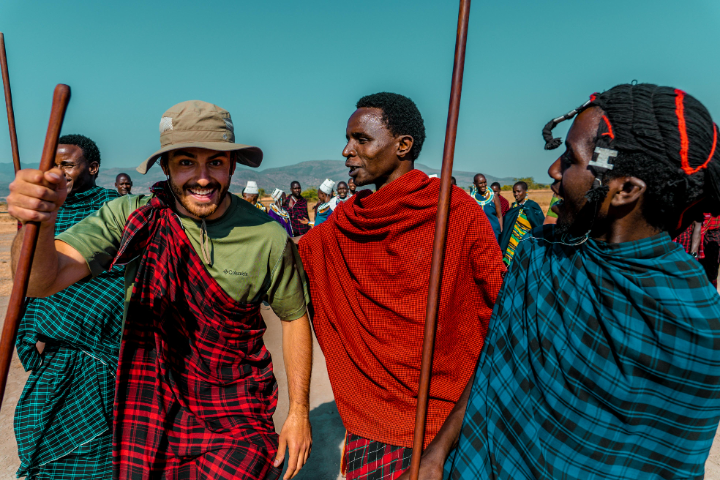
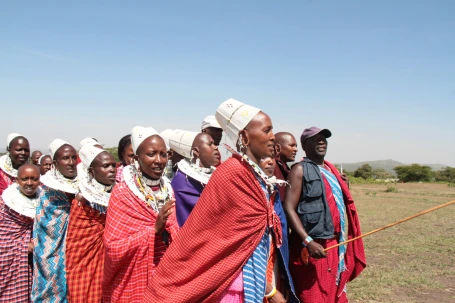
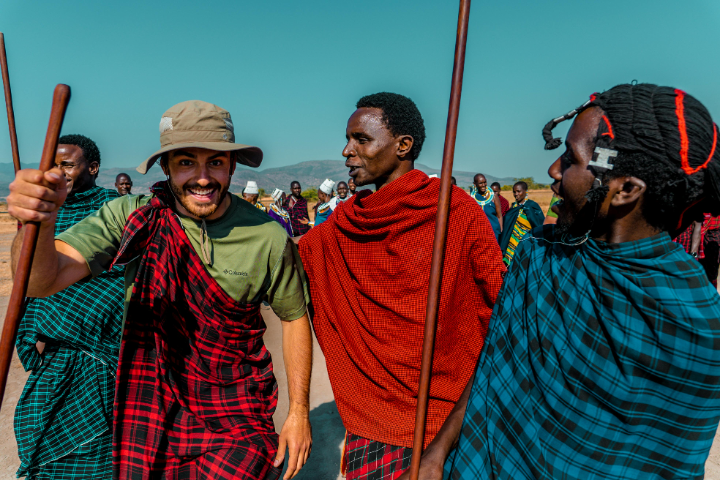
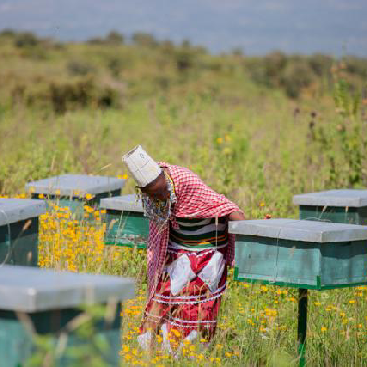
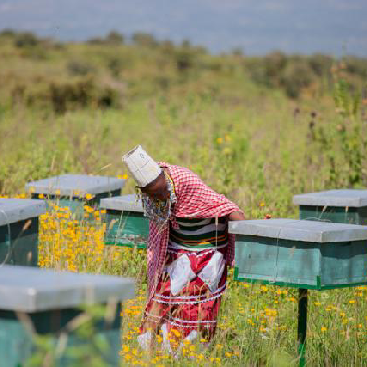
    The Asali Project, located in Tanzania’s beautiful Ngorongoro Conservation Area, is a shining example of long-term development. Launched in 2022 in the distant community of Isirwa, this innovative initiative aimed to combine the Maasai people’s profound cultural legacy with modern approaches to economic empowerment. At its foundation, the Asali Project aims to revive traditional beekeeping, which was previously deeply interwoven in Maasai life, and incorporate it into modern community development strategies.

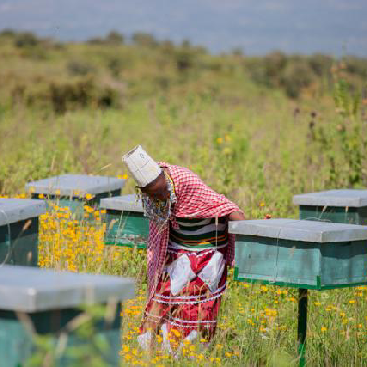
    The project provides indigenous Maasai women with hands-on training in sustainable beekeeping, harvesting, packing, and marketing honey products. They can produce high-quality honey while maintaining the ecological integrity of their natural habitat by combining ancient knowledge with modern techniques. This endeavor has resulted in real employment prospects, particularly for women who have traditionally had limited access to economic resources.

    Beyond individual benefits, the Asali Project helps to strengthen rural communities’ overall resilience, with the charitable efforts of Zara Charity. As families gain income and skills, the entire community strengthens and becomes more self-reliant. The project exemplifies how preserving tradition can result in concrete gains in community empowerment and economic development.

    The Genesis of the Asali Project

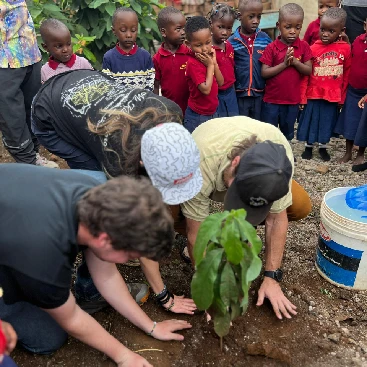
    The Asali Project was founded through a collaboration between Zara Charity, a Tanzanian NGO dedicated to community development, and local community-based groups in Isirwa village, which is located within the Ngorongoro Conservation Area. The effort began with 20 prototype beehives, with the goal of supporting the Zara Charity Primary School and creating jobs for Maasai women through honey production and beading. Technical support from beekeeping professionals secured the pilot phase’s success, creating a solid foundation for the project’s future growth.

    The project’s multidimensional strategy safeguards cultural heritage while simultaneously promoting economic growth and community resilience. By combining traditional beekeeping practices with modern economic strategies, the Asali Project empowers Maasai women, strengthens local economies, and promotes environmental protection. The earnings from honey and beading sales are put into community projects like the Ngorongoro Maasai Pre-School, which improves children’s educational chances. This holistic concept demonstrates how combining tradition with economic empowerment can have transformative results in rural Tanzanian communities.​

    Reviving Traditional Beekeeping Practices

    Beekeeping has traditionally been an essential part of Maasai culture, and honey is used for both nutritional and therapeutic purposes. The Asali Project continues this tradition by promoting environmentally responsible beekeeping practices that preserve cultural values while enhancing productivity. By providing modern equipment via Zara Charity, and teaching, the project enables Maasai women to practice beekeeping in a safe and effective manner, establishing a sense of ownership and pride in their history. The rejuvenating practices include the following steps:

    Assessing the Current Beekeeping Landscape

    • Assess the local environment and beekeeping techniques, including traditional methods and obstacles for beekeepers.
    • Identify bee numbers, local flora, and seasonal trends impacting honey production.
    Engaging the Community and Stakeholders

    • Organize community meetings to educate and involve Maasai women, elders, and other stakeholders on the benefits of sustainable beekeeping.
    • Incorporate traditional knowledge in conversations to respect cultural customs and encourage community ownership.

    Providing Modern Equipment and Tools

    • Provide beekeeping equipment, including hives, protective gear, smokers, and harvesting tools, to enhance safety and productivity.

    • Train community members, especially women, to use contemporary tools while preserving traditional methods.

    Offering Training and Workshops

    • Provide frequent workshops on sustainable beekeeping practices, such as hive maintenance, honey extraction, disease control, and natural pest management.
    • Invite beekeeping professionals to conduct hands-on training and address specific concerns or inquiries.

    Preserving and Enhancing Bee Habitat

    • Improve local habitats for bees by growing pollinator-friendly crops and preserving indigenous vegetation.
    • Create bee-friendly gardens and manage the landscape to promote bee health.

    Developing a Sustainable Honey Harvesting System

    • Create a sustainable honey harvesting strategy to prevent overexploitation of bee colonies and ensure long-term honey production viability.
    • Implement rotational hive management to maintain healthy colonies and consistent honey production.

    Introducing a Marketing and Branding Strategy

    • Develop a local brand for honey and bee-related items that highlights Maasai culture and sustainable production practices.
    • Create a marketing plan that involves narrative about Maasai culture and the role of women in resurrecting beekeeping traditions.

    Establishing Partnerships and Market Access

    • Collaborate with local markets, cooperatives, and internet platforms to sell honey and other bee products.
    • Identify prospects for exporting or collaborating with fair trade organizations to expand market access.

    Empowering Maasai Women Through Economic Opportunities
    asali project

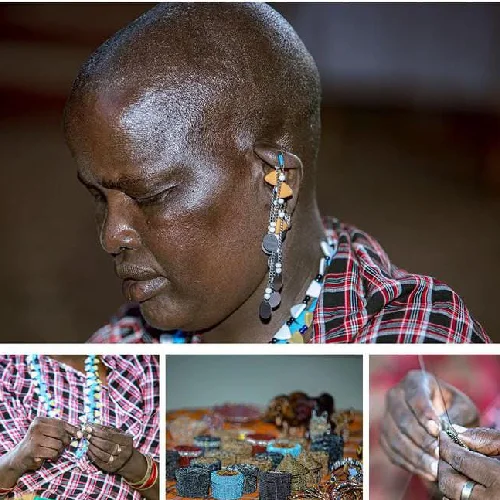
    The Asali Project in Tanzania exhibits a harmonious blend of traditional Maasai beekeeping practices and contemporary techniques that empower women and boost local economy. Historically, Maasai women have been economically marginalized, with little opportunities for financial independence. The Asali Project addresses this by providing income-generating alternatives such as honey cultivation and beading. Women receive extensive instruction in beekeeping techniques, product development, and financial administration, giving them the tools they need to run profitable businesses. This empowerment results in higher household earnings, higher living standards, and more involvement in community decision-making.

    By combining old knowledge with modern means, the project not only protects cultural heritage but also promotes sustainable economic practices. The women are taught modern beekeeping skills, such as hive maintenance, honey extraction, and product marketing. These talents allow them to produce high-quality honey, which is sold under the “Mama Asali” brand, providing cash for both individual families and communal infrastructure. The revenue produced enables women to invest in their children’s education, healthcare, and other basic requirements, raising their social position.
    The Asali Project, which combines cultural heritage with economic empowerment and environmental stewardship, serves as a model for sustainable development in rural Tanzanian communities.

    The Role of Zara Charity in Community Development

    The Asali Project relies heavily on Zara Charity, a non-governmental organization founded in 2009. The foundation works with local communities to assist various initiatives aimed at elevating underprivileged groups, particularly Maasai women. Zara Charity‘s Asali Project organizes training programs, offers resources, and establishes market links for honey and beaded products. The earnings from these sales are reinvested in community programs such as the Ngorongoro Maasai Pre-School, which improves children’s educational chances.

    Strengthening Local Economies Through Beekeeping

    The Asali Project initiative promotes local economic development in Tanzania’s Isirwa hamlet by building a sustainable honey producing value chain. This effort not only revives traditional Maasai beekeeping traditions, but also incorporates contemporary techniques, resulting in job creation and increased economic activity in rural regions.
    The project empowers Maasai women by teaching them beekeeping and beadwork, allowing them to earn money by selling honey and handcrafted products. These things are promoted to tourists and sold at numerous Zara Tours-affiliated outlets, ensuring a consistent revenue stream for participants. Women’s earnings allow them to support their families, invest in education, and enhance their living conditions, raising their social position.

    Furthermore, the Asali Project helps to community infrastructure by distributing a portion of its revenues to local organizations like the Ngorongoro Maasai Pre-School. This holistic approach guarantees that the project’s advantages transcend beyond individual households, encouraging a feeling of social growth and resilience. The Asali Project demonstrates how sustainable practices can lead to holistic community development by integrating cultural heritage and economic empowerment.

    Environmental Conservation and Climate Resilience

    Beekeeping under the Asali Project encourages environmental stewardship by preserving natural habitats, as healthy ecosystems are critical for bee populations. Bees perform an important role in pollinating plants, which promotes biodiversity and environmental health. In Tanzania, beekeeping has been acknowledged for its ability to safeguard forests and woodlands, as beehives are frequently protected from deforestation and agricultural encroachment.
    Furthermore, beekeeping provides an alternative income that is less dependent on climate-sensitive industries such as agriculture and livestock rearing. This diversification strengthens communities’ resistance to climate change impacts, providing sustainable livelihoods for future generations. Beekeeping requires little land and water, making it an ideal income-generating activity in places prone to drought and other climate-related challenges, and Zara Charity understands the importance of climate conservation thus investing in charitable ways and being an active contributor to the Asali Project.

    Furthermore, programs such as the Women’s Beekeeping Initiative have shown that beekeeping can help women financially while also encouraging environmental conservation. Women in rural Tanzania have been able to produce income, support their family, and contribute to the conservation of animal habitats through beekeeping. This holistic strategy ensures that the project’s advantages reach the entire community and foster local economies.

    Challenges and Future Prospects

    While the Asali Project has had some significant successes, it still confronts constraints such as limited market access and the need for ongoing capacity building. To overcome these issues, the project intends to extend its training programs, build stronger market connections, and push for supporting policies. By expanding its activities and encouraging partnerships, the Asali Project envisions a future in which traditional customs and modern enterprise coexist together, creating inclusive and sustainable development.

    Finally, the Asali Project demonstrates how combining tradition and economic empowerment can lead to dramatic results. By rejuvenating traditional beekeeping, empowering Maasai women, and building local economies, the project not only preserves cultural legacy but also lays the groundwork for Tanzania’s more fair and sustainable future.
  • Zara Charity Enhancing Education– Commitment To Our Community

    Zara Charity Enhancing Education– Commitment To Our Community

    Kaloleni Moshi School and the Need for Support

    In the shadow of the beautiful Mount Kilimanjaro, where the sense of community thrives amid breathtaking settings, a beacon of hope shines brilliantly for the young students of Kaloleni Moshi School. This light is ignited by Zara Charity‘s unwavering dedication to elevating Tanzanian communities via the transformative power of education for all. Their recent education charity projects at Kaloleni Moshi School demonstrate their profound belief in community development via education and passion to empowering communities through education.

    Kaloleni’s youngsters, like many others in the Kilimanjaro region, frequently face barriers to excellent education due to a lack of resources and difficult learning situations. Overcrowded classrooms, poor furniture, and a lack of necessary learning tools can all pose substantial challenges to their academic progress. Recognizing these challenges, Zara Charity, the charity arm of the well-known Zara Tours, has stepped in with a clear vision: to improve the educational landscape and provide these young brains with the tools they need to build a brighter future. This education for community improvement is more than a donation; it is an investment in the fundamental fabric of the community.


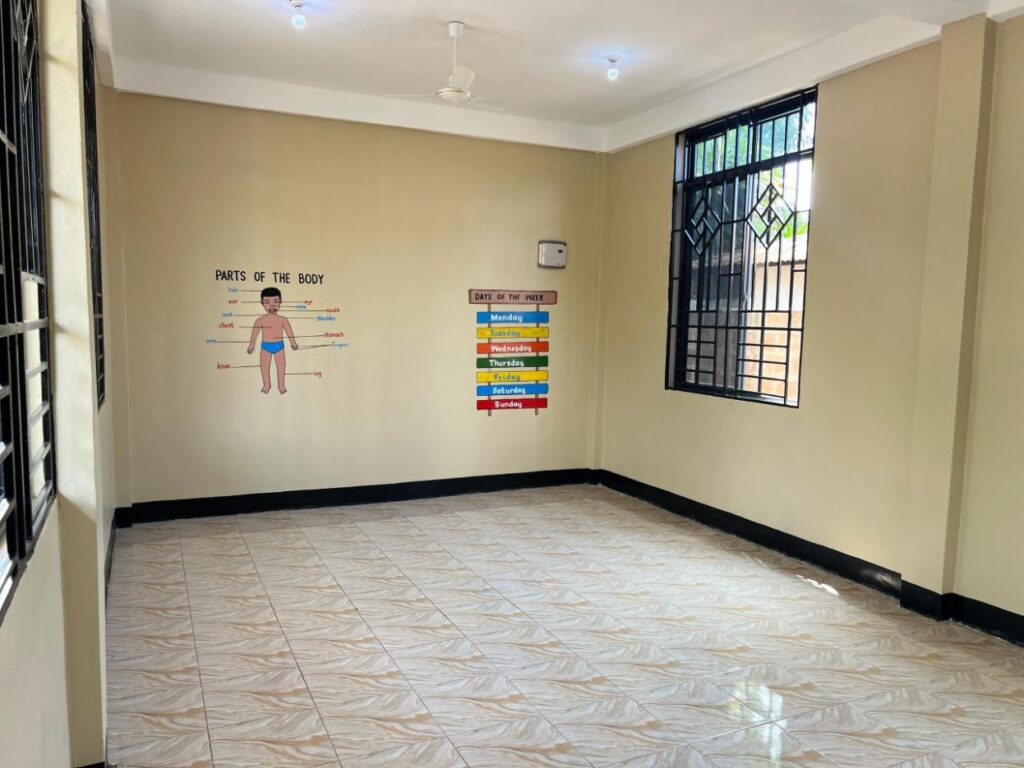
    new classroom

    Addressing Immediate Needs: The Donation of Classroom Furniture

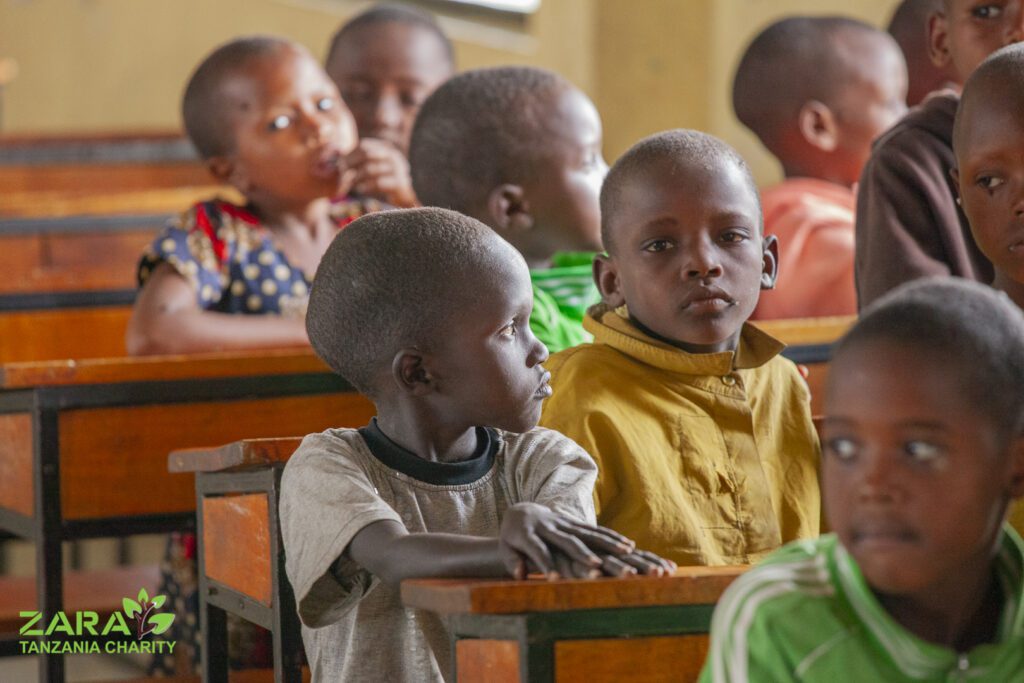
    Zara Charity‘s recent donation of classroom furniture to Kaloleni Moshi School, which included much-needed seats and tables, is an important milestone in its ongoing effort. According to their website and local news sites, this gesture immediately solves a significant need highlighted by school management and the community. Consider a classroom where students no longer have to sit on the floor and where each student has their own space to concentrate on their studies. This seemingly basic item has a significant impact on the learning experience by encouraging students’ comfort, attentiveness, and a sense of dignity. This is the essence of charity initiatives for education enhancement in action: concrete support that immediately improves children’s lives and learning ability.

    Beyond Physical Resources: Fostering a Conducive Learning Environment

    Zara Charity‘s program is significant in ways that go well beyond just giving Kaloleni Moshi School tangible resources. They are actively working to create a more favorable learning environment where the area’s young brains can really thrive. This supportive environment fosters the unbridled development of intellectual curiosity, the creative explosion, and the profound development of a sincere and enduring love of learning. The main philosophy of Zara Charity, which consists of a series of community-focused education charity initiatives where the unique and profoundly felt needs of the local community serve as the primary driving factor for every project performed, is perfectly aligned with this fundamental devotion.

    Serving the very center of the area, Kaloleni Moshi School has long shown a steadfast commitment to provide its pupils with exceptional educational opportunities, frequently in the face of major and enduring obstacles. Everyone who visits can feel the passion of the committed educators and the inspiring goals of the enthusiastic kids. But the ongoing problem of scarce resources has often pushed the school’s capabilities to the breaking point. The timely and generous contribution from Zara Charity is a much-needed and greatly welcomed spark that significantly and critically improves the school’s basic amenities as well as the general spirit of the teachers and pupils.


    pre-school

    The Perspective of Kaloleni Moshi School: Gratitude and Impact

    In a heartfelt message conveyed through Zara Charity’s platforms, the Kaloleni Moshi School administration expressed their deep gratitude: “This generous donation from Zara Charity means so much to us. Having proper desks and chairs will greatly improve the learning experience for our students. We are deeply grateful for this support!”  This remark emphasizes the practical influence that such education charity efforts make on the ground, affecting the lives of both students and educators.

    Zara Charity’s Broader Commitment: A History of Educational Support

    Zara Charity’s contribution to Kaloleni Moshi School is not an isolated act of compassion, but rather an extension of their long-standing commitment to community development through education throughout Tanzania. The organization is based on the idea of Zara Tours’ founder, Zainab Ansell, to give back to the communities that have helped them succeed. This corporate social responsibility approach is strongly embedded in their activities, as they recognise the inextricable relationship between sustainable tourism and a vibrant community.

    Zara Charity‘s aim to uplifting communities through education extends beyond donations. They recognize that education is a long-term commitment that requires ongoing support and engagement. Their activities frequently include close collaboration with local communities to identify unique needs and build personalized programs to successfully address those difficulties. This collaborative approach guarantees that their efforts are meaningful, impactful, and actually contribute to community improvement through education.

    Zara Charity has touched the lives of numerous Tanzanians through its different education-related charitable activities. Their endeavors range from providing educational materials and classrooms to awarding scholarships and promoting vocational training. Their work with the Moshi Kids Centre, for example, offers a safe refuge and educational opportunity to orphaned and poor children, displaying their comprehensive approach to community-focused education charity activities.

    Strengthening the Social Fabric: The Ripple Effect of Education

    These educational charity programs have a wide-ranging and significant influence. Zara Charity improves academic achievements while also instilling pupils with a feeling of optimism and possibility. Education enables people to break the cycle of poverty, pursue their aspirations, and become active and engaged citizens in their communities. This is the foundation of community development through education: investing in human potential to produce long-term beneficial change.

    Furthermore, these activities have a knock-on impact that strengthens the community’s social fabric. Children who have access to a high-quality education benefit not just themselves, but also their families and society as a whole. Individuals who have received an education are more likely to find work, contribute to the local economy, and engage in civic life. This emphasizes the importance of education for community development in achieving a more prosperous and equitable future for Tanzania.

    Zara Charity‘s dedication to Kaloleni Moshi School illustrates the effectiveness of community-based education charity activities. It highlights how even seemingly insignificant contributions may have a big and long-term impact on children’s lives and the community’s overall well-being. Their acts serve as an inspiration, demonstrating the critical role that businesses and individuals can play in promoting education and encouraging positive change in their communities.


    Looking Ahead: A Continued Commitment to a Brighter Future

    Zara Charity’s continuous efforts at Kaloleni Moshi School demonstrate their steadfast dedication to improving Tanzanian communities via education. As seen by their ongoing education charity projects, this dedication represents a fundamental belief that every kid deserves the chance to learn and realize their full potential. Their work goes beyond simply providing resources; rather, it is a significant investment in Tanzania’s youth, fostering their development into tomorrow’s leaders, inventors, and change agents. One classroom and one empowered child at a time, Zara Charity actively contributes to the vital job of building a better and more prosperous future for the country by empowering communities through education.

    Zara Charity genuine grasp of community needs is the foundation of their humanitarian approach, which guarantees that their initiatives are powerful and pertinent. This kind of thinking creates a strong and admirable framework for how companies, especially those in the travel and tourist industry like Zara Tours, can successfully support the social and economic advancement of their nation. By placing a high priority on education, Zara Charity not only improves the lives of individuals but also fortifies Tanzanian society as a whole, creating opportunities and sustainable progress for future generations. Their wide range of educational improvement charity initiatives and their all-encompassing strategy for community-based education charity initiatives show a deep and enduring dedication to Tanzania’s development and well-being.


  • Community Health Projects: Enhancing Healthcare Access in Rural Tanzania

    Community Health Projects: Enhancing Healthcare Access in Rural Tanzania

    The Healthcare Crisis in Rural Tanzania

    In rural Tanzania, access to basic healthcare remains a persistent challenge. Many communities are located far from clinics, and the lack of transport, medical staff, and awareness compounds the problem. Pregnant women, children, and the elderly often go untreated due to the long distances and costs involved in seeking care. Zara Charity recognized this gap and decided to take action.

    Through a series of community health projects, Zara Charity is working to make quality healthcare more accessible, especially in underserved rural areas. Our approach includes mobile clinics, training community health workers, and health education programs—each one designed to bring care directly to those who need it most.

    Mobile Health Clinics: Bringing Healthcare to the People

    Instead of waiting for people to find care, Zara Charity sends care to the people. Our mobile health clinics in Tanzania are fully equipped to handle a wide range of medical needs. Staffed by qualified nurses and clinicians, these clinics travel to remote villages offering:

    • General consultations
    • Maternal and child health services
    • Immunizations and disease screenings
    • Treatment of common infections and chronic conditions
    • Health awareness talks

    In 2024 alone, over 10,000 individuals received medical care through these mobile clinics—many of them for the first time in their lives. This initiative is bridging the gap for communities that would otherwise go months or years without seeing a healthcare provider.

     Training Community Health Workers: Building Local Capacity

    At the core of our efforts is a strong belief in empowering local people. Zara Charity trains Community Health Workers (CHWs) who live and work in their own villages. These trained volunteers:

    • Provide basic first aid and home-based care
    • Educate families on hygiene, nutrition, and family planning
    • Monitor at-risk individuals
    • Refer critical cases to hospitals or mobile clinics

    With over 60 active CHWs currently serving in rural Tanzania, our model ensures continuous care and promotes long-term health improvements—even when professional medical teams are not present.

     Health Education: Preventing Illness Before It Starts

    True healthcare is not just about treatment—it’s also about prevention. That’s why Zara Charity embeds health education programs into all our outreach activities. We work with schools, women’s groups, and entire villages to raise awareness on topics such as:

    • Clean water and sanitation
    • Disease prevention (malaria, HIV/AIDS, typhoid)
    • Menstrual hygiene and reproductive health
    • Nutrition and maternal care
    • Mental health and wellness

    These education efforts not only reduce disease rates but also promote healthier, more informed communities. When people understand how to protect their health, they are less likely to need emergency care.

     Partnerships That Amplify Impact

    Collaboration is at the heart of what we do. To increase the reach and effectiveness of our community health projects, Zara Charity partners with:

    • Local health centers and government clinics
    • International donors and sponsors
    • Medical volunteers from around the world

    Together, we’ve distributed sanitary pads to adolescent girls, organized wellness camps, provided vaccines, and implemented clean water projects in high-need areas. These partnerships are critical to building sustainable, long-lasting solutions.

     Real Impact, Real Lives Changed

    Zara Charity’s commitment to improving healthcare access in rural Tanzania is showing tangible results:

    • Over 10,000 patients reached in 2024
    • 60+ CHWs trained and deployed
    • 25% increase in vaccination coverage in served villages
    • Significant reduction in waterborne diseases
    • Improved maternal outcomes through early intervention

    These numbers reflect the lives behind them: a child who no longer has to walk 10 kilometers for medicine, a mother who received prenatal care for the first time, a grandmother whose eyesight was saved through a simple diagnosis.

     Why Rural Healthcare Matters More Than Ever

    When rural communities are healthy, children can attend school, adults can work, and entire villages can thrive. Improved healthcare access in Tanzania is a crucial step toward reducing poverty, empowering women, and achieving national development goals.

    Zara Charity is proud to stand at the forefront of this mission—delivering compassion, care, and hope where it’s needed most.

     How You Can Help

    Want to be part of the solution?

    • Donate: Help us reach more communities with life-saving care.
    • Volunteer: Medical professionals and students—your time and skills are invaluable.
    • Partner: NGOs, companies, and sponsors—let’s work together.
    • Advocate: Share our mission and help amplify our impact.

    Click here to support our community health initiatives.

    Community health is the foundation for a better future. By bringing mobile clinics to remote areas, training local health workers, and educating communities, Zara Charity is changing the health landscape of Tanzania—one village at a time.

    Together, we can make sure that no one is left behind when it comes to healthcare.

  • The Importance of Sustainable Tourism in Tanzania: Empowering Communities and Protecting Nature

    The Importance of Sustainable Tourism in Tanzania: Empowering Communities and Protecting Nature

    Tanzania is a land of breathtaking beauty, from the endless plains of the Serengeti to the majestic peaks of Mount Kilimanjaro. Its vibrant cultures and iconic wildlife draw millions of travelers each year, but with this influx comes a responsibility to preserve its treasures. Sustainable tourism offers a path forward, ensuring that tourism benefits local communities, fosters cultural pride, and safeguards the environment. By embracing responsible and eco-friendly practices, Tanzania can thrive as a global destination while creating a lasting impact for its people and ecosystems. Organizations like Zara Charity play a pivotal role in this movement, promoting authentic experiences that drive conservation and empowerment. In this article, we explore how sustainable tourism transforms Tanzania and highlight Zara Charity’s contributions to this vital cause.

     What Is Sustainable Tourism?

    Sustainable tourism is about meeting the needs of travelers while ensuring minimal harm to the environment and maximum benefits for local people. It’s a model rooted in solidarity, where visitors, communities, and ecosystems all thrive. In Tanzania, this means crafting authentic experiences—like cultural tours or wildlife safaris—that respect traditions and protect natural habitats. Unlike mass tourism, which can strain resources and erode cultures, sustainable tourism prioritizes long-term gains over short-term profits. It’s about creating a cycle of empowerment, where tourism revenue supports schools, healthcare, and conservation efforts, ensuring that Tanzania’s beauty endures for generations.

    Benefits for Local Communities

    One of the most profound impacts of sustainable tourism is its ability to uplift local communities. In Tanzania, where many rely on agriculture or informal work, tourism offers a lifeline. Responsible practices ensure that jobs—like guides, artisans, or lodge staff—go to locals, providing stable income and reducing dependence on unsustainable activities like logging. For example, community-based tourism initiatives, such as homestays in Maasai villages or craft markets, channel profits directly to residents. This fosters economic empowerment, enabling families to afford education and healthcare while preserving their cultural heritage.

    Beyond economics, sustainable tourism builds pride and solidarity. When travelers engage in authentic experiences—like learning traditional dances or sharing meals with locals—communities feel valued rather than exploited. This exchange strengthens cultural identity, encouraging younger generations to carry forward traditions. Organizations like Trip to Help amplify this by partnering with Tanzanian NGOs to reinvest tourism revenue into community projects, such as schools or women’s cooperatives. By prioritizing local involvement, sustainable tourism ensures that Tanzanians are active stakeholders, not passive bystanders, in their country’s growth.

    Environmental Protection Through Eco-Friendly Practices

    Tanzania’s natural wonders—home to elephants, lions, and rhinos—are its lifeblood, but tourism can strain these delicate ecosystems. Eco-friendly practices are critical to minimizing harm. Sustainable tourism promotes low-impact activities, like walking safaris or birdwatching, which reduce vehicle emissions and habitat disruption. Lodges using solar power, composting waste, or banning single-use plastics further lighten the environmental footprint. These efforts ensure that iconic destinations like Ngorongoro Crater or Zanzibar’s coral reefs remain pristine.

    Revenue from sustainable tourism also fuels conservation. Park fees and eco-tourism ventures fund anti-poaching patrols, wildlife monitoring, and reforestation projects. For instance, in the Serengeti, responsible operators work with rangers to protect endangered species while educating visitors about biodiversity. By managing tourist numbers and enforcing strict guidelines, sustainable tourism prevents overcrowding, which can stress wildlife and degrade landscapes. The impact is clear: a healthier environment that supports both animals and the local communities who depend on it.

     Cultural Preservation and Authentic Experiences

    Tanzania’s cultural diversity—over 120 ethnic groups, each with unique traditions—is as vital as its wildlife. Sustainable tourism celebrates this richness through authentic experiences that honor heritage. Whether it’s joining a Swahili cooking class in Zanzibar or visiting a Maasai boma, travelers gain a deeper understanding of Tanzania’s soul. These interactions foster solidarity, breaking down stereotypes and building mutual respect. Unlike commercialized shows, community-led tours ensure that locals control how their culture is shared, preserving its integrity.

    This focus on cultural preservation has long-term benefits. When tourism values traditions, communities are motivated to maintain them, passing down songs, crafts, and stories to future generations. Sustainable operators, like those partnered with Trip to Help, prioritize these exchanges, ensuring that profits support cultural initiatives—like language classes or heritage centers. By weaving empowerment into tourism, Tanzania’s diverse identities remain vibrant, enriching both visitors and residents.

     Zara Charity’s Role in Sustainable Tourism

    Zara Charity, based in Arusha, is a shining example of how local organizations drive sustainable tourism in Tanzania. Founded to empower communities and protect the environment, Zara Charity crafts eco-friendly safaris and cultural tours that leave a positive impact. Operating around Mount Kilimanjaro and Zanzibar, they prioritize responsible  practices, such as hiring local guides and using sustainable accommodations. Their tours immerse travelers in Tanzania’s beauty—think trekking through lush forests or exploring coastal villages—while ensuring that communities benefit directly.

    Zara Charity’s commitment to empowerment is evident in its community projects. They reinvest tourism revenue into initiatives like clean water systems and women’s training programs, fostering economic independence. Their authentic approach ensures that visitors engage meaningfully with locals, whether through storytelling sessions or craft workshops. By keeping operations small and community-focused, Zara Charity avoids the pitfalls of mass tourism, creating experiences that feel personal and impactful.

    Conservation Efforts Led by Zara Charity

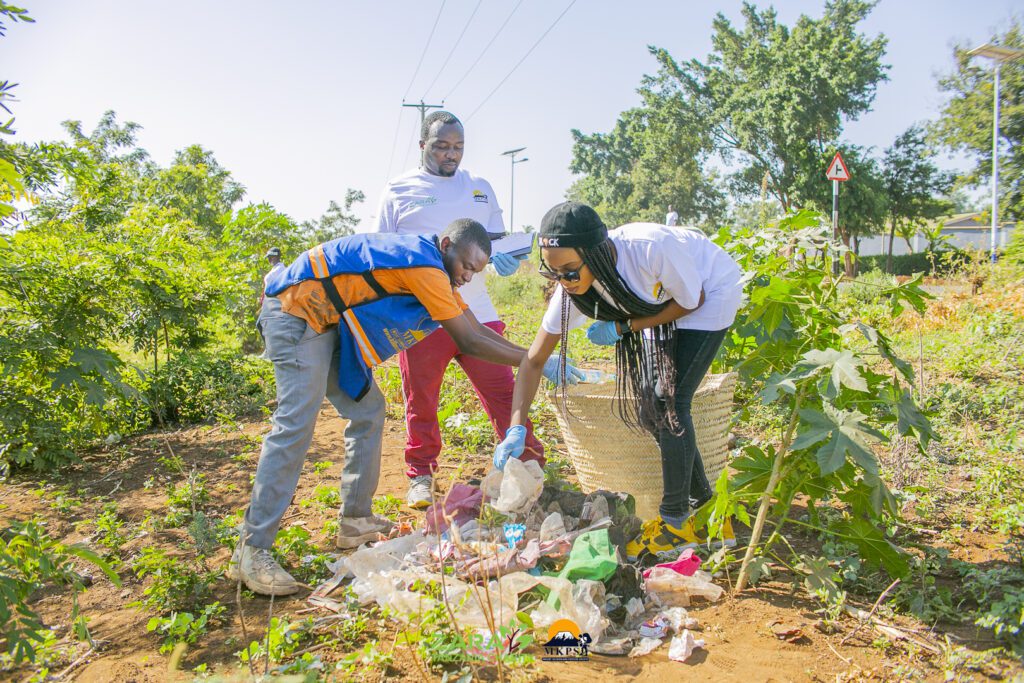
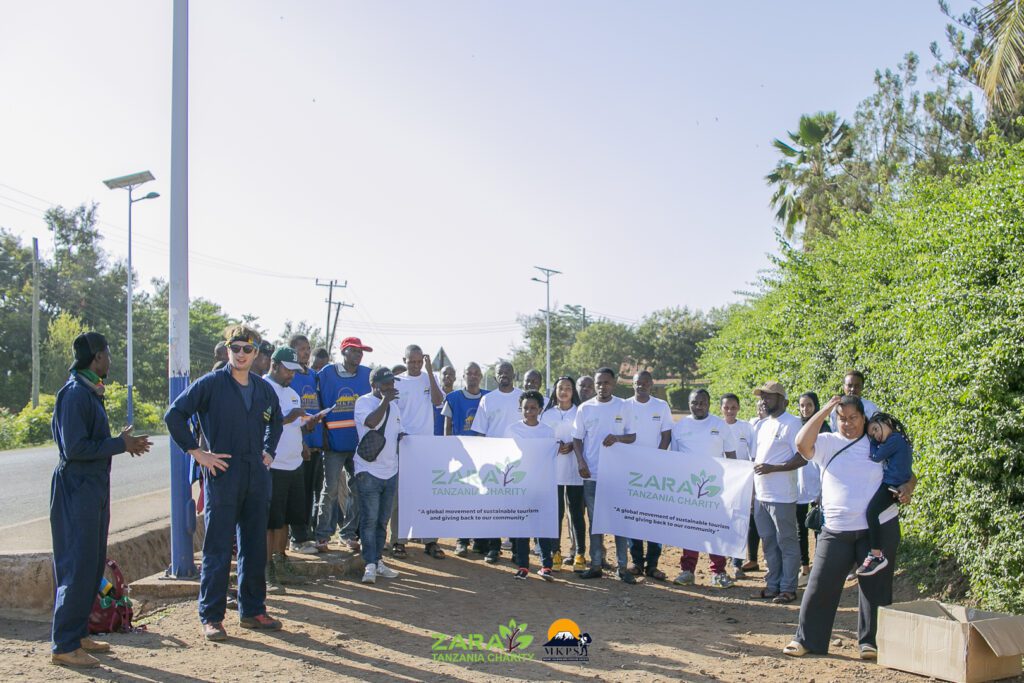
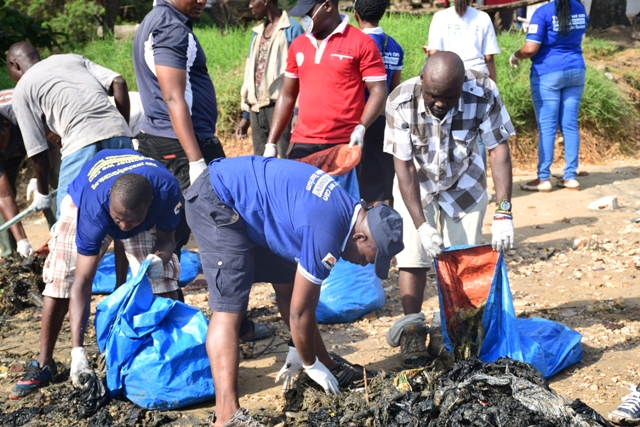
    Zara Charity’s environmental work is equally inspiring. Recognizing the threats of deforestation and litter in tourist-heavy areas like Kilimanjaro, they organize tree-planting campaigns and clean-up drives. These efforts restore habitats and raise awareness about conservation, engaging both locals and travelers in eco-friendly practices. By linking tourism to environmental stewardship, Zara Charity ensures that the landscapes that draw visitors remain intact.

    Their conservation impact extends to wildlife protection. Through partnerships with local groups, Zara Charity supports anti-poaching initiatives and educates communities about the value of biodiversity. For example, their safaris emphasize ethical wildlife viewing, minimizing disturbance to animals. This aligns with Tanzania’s broader conservation goals, where responsible tourism funds efforts to protect endangered species like rhinos and cheetahs. Zara Charity’s work shows how small-scale, community-driven tourism can contribute to big-picture environmental wins.

     Challenges and Opportunities

    Despite its promise, sustainable tourism faces challenges in Tanzania. Limited infrastructure in rural areas can hinder eco-friendly development, while some operators still prioritize profit over ethics. Educating travelers about responsible choices—like choosing local-run lodges over multinational chains—remains critical. Yet, these challenges are also opportunities. By investing in green technology and training programs, Tanzania can scale sustainable tourism, creating more jobs and conservation funds.

    Organizations like Zara Charity and Trip to Help are paving the way. Their focus on solidarity and empowerment proves that tourism can be a force for good. As more travelers seek authentic, impactful experiences, Tanzania is well-positioned to lead the global shift toward sustainability, balancing growth with preservation.

    Why Sustainable Tourism Matters for Tanzania’s Future

    The stakes are high for Tanzania. Unsustainable tourism risks depleting its natural and cultural wealth, but a sustainable approach ensures a brighter future. By prioritizing local communities, eco-friendly practices, and cultural preservation, tourism becomes a tool for empowerment and renewal. Every traveler who chooses a responsible safari or supports a community project contributes to this vision, creating a cycle of solidarity that uplifts all.

    Zara Charity’s efforts embody this potential. Their authentic tours and conservation initiatives show how tourism can harmonize with nature and culture, leaving a lasting impact. As Tanzania continues to welcome the world, sustainable tourism offers a blueprint for progress—one where communities thrive, wildlife flourishes, and the land remains a source of wonder.

    How You Can Support Sustainable Tourism

    Travelers play a vital role in this movement. Choose operators like Zara Charity or Trip to Help, who prioritize local economies and eco-friendly practices. Engage in cultural experiences that respect traditions, and opt for lodges that minimize environmental harm. Your choices shape Tanzania’s future, ensuring that its beauty endures for all.

    In conclusion, sustainable tourism is more than a trend—it’s a commitment to responsibility, empowerment, and solidarity. By supporting community-driven initiatives and conservation efforts, Tanzania can remain a beacon of hope and inspiration. Let’s travel with purpose, celebrating the heart of Tanzania while protecting its soul.

  • Sustainable Tourism in Tanzania

    Sustainable Tourism in Tanzania

    Empowering the maasai community through education
    zara tanzania adventures

    Tanzania, a land of breathtaking landscapes, diverse wildlife, and rich cultural heritage, is one of Africa’s top tourist destinations. From the majestic Mount Kilimanjaro to the vast Serengeti plains and the pristine beaches of Zanzibar, the country attracts millions of visitors each year. However, as tourism continues to grow, so does its impact on the environment and local communities. This is where sustainable tourism plays a crucial role in ensuring that Tanzania’s natural beauty and cultural richness are preserved for future generations.

    In this blog, we will explore how sustainable tourism practices benefit local communities and the environment, and we’ll highlight Zara Charity’s contributions to promoting eco-friendly tourism and conservation efforts in Tanzania.

    What is Sustainable Tourism?

    Sustainable tourism is a responsible way of traveling that aims to minimize negative impacts on the environment, respect local cultures, and support economic growth in host communities. It is based on three key pillars:

    1. Environmental Conservation – Protecting natural habitats, wildlife, and ecosystems.
    2. Community Empowerment – Ensuring local communities’ benefit from tourism.
    3. Cultural Preservation – Respecting and promoting local traditions and heritage.

    By adopting sustainable tourism practices, travelers and businesses can help maintain Tanzania’s unique attractions while improving the lives of its people.

    The Benefits of Sustainable Tourism in Tanzania

    1. Conservation of Natural Resources

    Tanzania is home to some of the world’s most iconic wildlife reserves, including the Serengeti National Park and the Ngorongoro Conservation Area. Unsustainable tourism can lead to habitat destruction, poaching, and pollution. Eco-friendly tourism initiatives ensure that wildlife and natural ecosystems remain protected.

    Examples of conservation efforts include:

    • Anti-poaching campaigns
    • Limiting tourist numbers in sensitive areas
    • Supporting wildlife rehabilitation centers

    2. Economic Benefits for Local Communities

    Sustainable tourism provides income and employment opportunities for local people, from tour guides and hotel staff to artisans and farmers. Instead of profits flowing to foreign investors, sustainable tourism ensures that revenue stays within the local economy.

    Ways tourism supports local communities:

    • Encouraging local entrepreneurship (e.g., selling handmade crafts)
    • Hiring local guides and service providers
    • Supporting community-based tourism initiatives

    3. Cultural Preservation and Responsible Travel

    Tanzania’s rich cultural heritage includes over 120 ethnic groups, each with unique traditions, music, and crafts. Sustainable tourism encourages visitors to engage in authentic cultural experiences while respecting local customs.

    Responsible travelers can:

    • Visit local villages and learn about indigenous traditions
    • Purchase authentic, locally made souvenirs
    • Follow cultural etiquette and dress modestly

    Zara Charity’s Role in Promoting Sustainable Tourism

    Zara Charity, an initiative by Zara Tours, plays a significant role in fostering eco-friendly and community-driven tourism in Tanzania. The organization focuses on conservation, education, and economic empowerment through sustainable travel initiatives.

    1. Conservation Efforts and Eco-Tourism

    Zara Charity actively participates in wildlife conservation and environmental sustainability projects, including:

    • Tree-planting programs to combat deforestation
    • Clean energy projects such as solar power in eco-lodges
    • Waste management and recycling initiatives

    By promoting eco-friendly accommodations and responsible trekking, Zara Charity ensures that Tanzania’s environment remains pristine for future generations.

    2. Supporting Local Communities

    One of Zara Charity’s main missions is to empower local communities by providing access to education, healthcare, and employment opportunities. Some of their initiatives include:

    • Scholarships for underprivileged children
    • Women’s empowerment programs providing vocational training
    • Medical outreach programs in remote areas

    By choosing travel operators that support social initiatives like Zara Charity, tourists can contribute directly to the well-being of local communities.

    3. Ethical Climbing and Trekking on Mount Kilimanjaro

    Mount Kilimanjaro, Africa’s highest peak, attracts thousands of climbers every year. However, irresponsible trekking can damage the mountain’s fragile ecosystem. Zara Charity promotes ethical trekking by:

    • Enforcing fair wages and proper treatment for porters
    • Encouraging Leave No Trace principles (minimizing waste on trails)
    • Supporting sustainable trekking routes

    How Travelers Can Support Sustainable Tourism in Tanzania

    As a traveler, you can make a positive impact by adopting responsible travel practices:

    Choose eco-friendly accommodations – Stay at lodges that implement sustainable practices like solar energy and water conservation.

    Respect wildlife and nature – Avoid littering, keep a safe distance from animals, and never feed wildlife.

    Support local businesses – Eat at local restaurants, shop from artisans, and use local tour guides.

    Limit plastic use – Bring a reusable water bottle and say no to plastic bags.

    Book with responsible tour operators – Choose travel companies like Zara Tours that are committed to sustainability and community support.

    Sustainable tourism in Tanzania is more than just a trend—it is a necessity for preserving the country’s breathtaking landscapes, diverse wildlife, and rich culture. By supporting eco-friendly travel initiatives, visitors can ensure that their adventures leave a positive impact on both the environment and local communities.

    Zara Charity plays a crucial role in this movement, offering travelers a way to experience Tanzania while contributing to conservation and social empowerment. Whether it’s through ethical trekking, community projects, or eco-lodges, sustainable tourism ensures that Tanzania remains a top destination for years to come.

    Want to be part of the change? Choose sustainable travel and support organizations like Zara Charity to make a real difference!


  • Best Charities to Donate to in Tanzania – Make a Lasting Impact

    Best Charities to Donate to in Tanzania – Make a Lasting Impact

    Tanzania is home to countless communities and conservation efforts that rely on charitable support to thrive. From education initiatives to wildlife conservation, donating to a reputable charity can make a significant difference.

    At Zara Charity Tanzania, we are dedicated to improving lives through sustainable programs in education, healthcare, women’s empowerment, and environmental conservation. In this blog, we highlight the best charities in Tanzania, starting with our very own initiatives, to help you find the right cause to support.

    Why Donate to Tanzanian Charities?

    • Transform Lives – Your donations provide education, healthcare, and opportunities for underprivileged communities.
    • Protect Wildlife & Nature – Conservation charities safeguard Tanzania’s rich biodiversity.
    • Support Local Empowerment – Many charities focus on sustainable projects that uplift communities for the long term.

    Top Charities to Donate to in Tanzania

    1. Zara Charity Tanzania – Empowering Communities Through Sustainable Development

    Website: Zara Charity Tanzania

    • Focus Areas: Education, healthcare, conservation, and women’s empowerment.
    • How Donations Are Used:
      • Sponsoring children’s education.
      • Supporting healthcare initiatives in rural areas.
      • Providing clean water and sustainable farming solutions.
      • Funding conservation efforts in Tanzania’s national parks.
    • Why Choose Us?
      • Over a decade of community service.
      • Transparent use of funds with real impact.
      • Local-based initiatives for long-term sustainability.

    Donate Now: Support Zara Charity

    2. Volunteers Tanzania – Community-Based Volunteering & Development

    Website: Volunteers Tanzania

    • Focus Areas: Education, healthcare, childcare, and conservation.
    • How Donations Are Used: Funding volunteer programs, building schools, and supporting medical facilities.

    3. The Foundation for African Medicine & Education (FAME)

    Website: FAME Africa

    • Focus Areas: Healthcare improvement in underserved areas.
    • How Donations Are Used: Training healthcare workers, providing essential medicines, and funding mobile clinics.

    4. Tanzania Education Trust – Supporting School Development

    Website: Tanzania Education Trust

    • Focus Areas: Education access, scholarships, and school infrastructure.
    • How Donations Are Used: Funding school construction, providing learning materials, and sponsoring students.

    5. Jane Goodall Institute – Conservation & Youth Programs

    Website: Jane Goodall Institute

    • Focus Areas: Wildlife protection, reforestation, and youth education.
    • How Donations Are Used: Supporting chimpanzee conservation and sustainable environmental programs.

    6. World Wide Fund for Nature (WWF) Tanzania – Protecting Wildlife

    Website: WWF Tanzania

    • Focus Areas: Wildlife protection, anti-poaching efforts, and marine conservation.
    • How Donations Are Used: Funding ranger teams, preserving natural habitats, and community education.

    How to Choose the Right Charity to Support

    • Check Transparency & Impact Reports – Ensure funds are used efficiently.
    • Support Causes Aligned with Your Values – Whether it’s education, healthcare, or conservation, choose a cause you’re passionate about.
    • Consider Long-Term Sustainability – Support organizations that focus on lasting change.

    Make a Difference Today – Donate to Zara Charity Tanzania

    Your donation can create real, lasting impact in Tanzanian communities. Whether you want to support education, conservation, or healthcare, your contribution goes directly to those in need.

    👉 Donate Now: Make a Difference with Zara Charity

    By supporting Zara Charity Tanzania, you are not just donating—you are empowering lives and creating a better future for Tanzania.

  • Real Lives Transformed by Zara Charity Tanzania

    Real Lives Transformed by Zara Charity Tanzania

    In the heart of Tanzania, amidst breathtaking landscapes and vibrant cultures, a quiet revolution is taking place. It is a revolution of hope, empowerment, and transformation. At Zara Charity Tanzania, we are dedicated to creating real, lasting change in the lives of individuals and communities across the region. Through our various initiatives, we have witnessed incredible success stories—testaments to the power of compassion, dedication, and collective effort.

    This blog is a celebration of those stories. Stories of children gaining access to education, porters securing better working conditions, women achieving financial independence, and entire communities embracing sustainability. These are not just stories; they are the real impact of humanitarian work. We invite you to journey with us as we highlight some of the lives that have been changed forever through our work.

    Empowering the Maasai Community Through Education and Resources

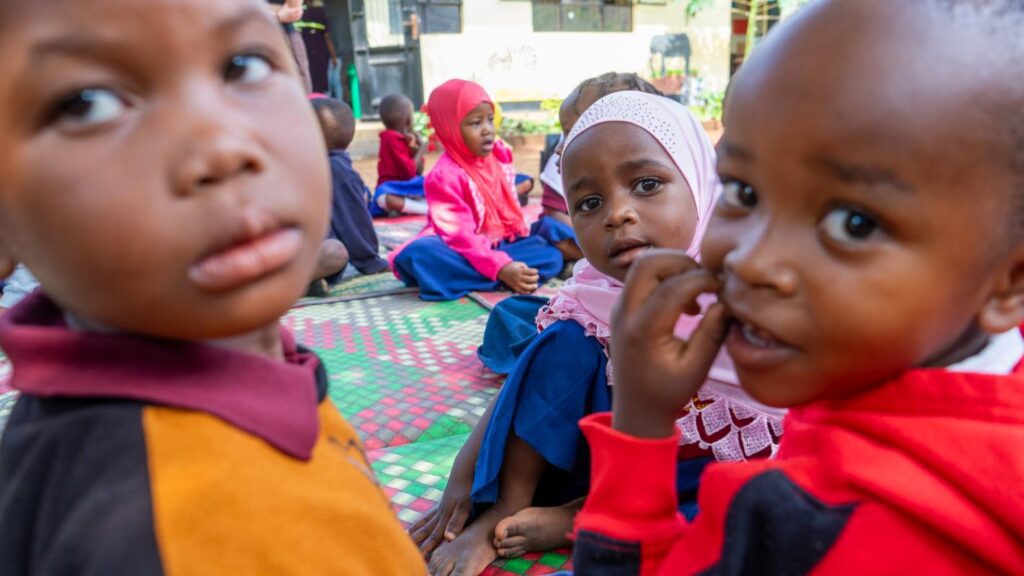
    Education is a fundamental right, yet many children in Tanzania still struggle to access it. One of our most impactful projects is the Maasai Pre-School Project, which aims to provide early childhood education to Maasai children who previously had no access to formal learning.

    For years, children in these communities were denied the opportunity to build a strong educational foundation. Today, through Zara Charity Tanzania, they have access to quality education, school supplies, and a nurturing environment. More importantly, the initiative fosters community involvement, ensuring that traditional Maasai culture and values are preserved even as these children embrace new learning opportunities.

    The transformation has been incredible. We have seen children who once had no access to education now excelling in school, dreaming of becoming doctors, teachers, and community leaders. The ripple effect is undeniable—empowered children lead to empowered communities.

    Moshi Kids Centre: A Safe Haven for the Underprivileged

    Imagine being a child with no home, no access to food, and no hope for a better future. For many underprivileged children in Tanzania, this was a daily reality—until Moshi Kids Centre was established.

    The centre provides shelter, education, healthcare, and emotional support to children who have been orphaned or abandoned. It is not just a shelter; it is a family. Here, children find a safe space to grow, learn, and rediscover hope.

    One of our most heartwarming success stories comes from a young girl named Aisha. She arrived at Moshi Kids Centre malnourished and withdrawn, having lost both parents at an early age. Today, she is thriving in school, excelling in her studies, and looking forward to a brighter future. Aisha’s story is just one among many—proof that with the right support, even the most vulnerable children can find new beginnings.

    Kilimanjaro Porters Project: Advocating for Fair Treatment

    The porters of Mount Kilimanjaro are the backbone of Tanzania’s trekking industry. They guide climbers, carry heavy loads, and ensure the success of every expedition. Yet, for years, these hardworking individuals faced harsh conditions, unfair wages, and a lack of proper gear.

    Recognizing this injustice, Zara Charity Tanzania launched the Kilimanjaro Porters Project—an initiative aimed at improving the working conditions of these unsung heroes. Through advocacy, training, and direct support, we have helped porters gain access to fair wages, proper mountain gear, and better working conditions.

    Today, porters who once struggled to support their families now have the resources to send their children to school, access medical care, and build sustainable livelihoods. The transformation is profound—not just for them but for future generations.

    Environmental Conservation: Tree Planting and Ocean Cleanup

    The beauty of Tanzania’s landscapes is unmatched, but it faces growing threats from deforestation, pollution, and climate change. At Zara Charity Tanzania, we believe in preserving this natural heritage for future generations. Our tree planting initiatives and ocean cleanup campaigns are dedicated to environmental conservation and sustainability.

    Through community engagement, we have successfully planted thousands of trees, restoring degraded lands and improving biodiversity. Our ocean cleanup projects have also rallied volunteers from all walks of life to remove waste from Tanzania’s coastal areas, protecting marine life and promoting eco-conscious living.

    One inspiring story comes from Musa, a fisherman who once struggled with the declining fish population due to pollution. Through our environmental initiatives, he became an advocate for conservation, educating his fellow fishermen on sustainable fishing practices. Today, his efforts have not only revitalized marine life but also ensured a stable livelihood for his family and community.

    Women’s Empowerment: Maasai Women’s Craftsmanship

    In many rural communities, women face limited opportunities for financial independence. But through Zara Charity Tanzania’s Maasai Women’s Craftsmanship Initiative, that is changing.

    This project provides Maasai women with the skills and resources to create and sell traditional beadwork, jewelry, and handicrafts. By turning their craftsmanship into a source of income, these women have gained economic freedom, improved their families’ living standards, and gained newfound confidence.

    One powerful story is that of Neema, a single mother of three. Before joining the project, she struggled to provide for her children. Today, her handcrafted jewelry is sold internationally, allowing her to send her children to school and invest in her future. She is now an inspiration to other women in her community, proving that empowerment is the key to transformation.

    Join Us in Making a Difference

    These stories are a testament to the power of charity and community-driven impact. Each individual we help represents a step toward a better, more hopeful future. But none of this would be possible without the support of generous donors, volunteers, and advocates like you.

    How You Can Get Involved:

    Donate: Your contributions help fund educational programs, healthcare initiatives, and sustainable projects that change lives.

    Volunteer: Whether it’s teaching, mentoring, or participating in environmental conservation, your time can make a lasting impact.

    Sponsor a Child or Project: Support a specific initiative and witness firsthand how your contribution transforms lives.

    Spread the Word: Share our mission and success stories with your network to inspire others to join the cause.

    At Zara Charity Tanzania, we believe that real change starts with people—people like you who care enough to take action. Together, we can continue to empower, uplift, and transform lives across Tanzania.

    Ready to be part of this life-changing journey? Visit our website Zara Charity Tanzania to learn more and take action today!

    Every act of kindness, no matter how small, has the power to change a life. Be the change. Be the hope. Be the future.
  • Moshi Kids Centre & ZARA Charity: A Partnership for a Better Future.

    Moshi Kids Centre & ZARA Charity: A Partnership for a Better Future.

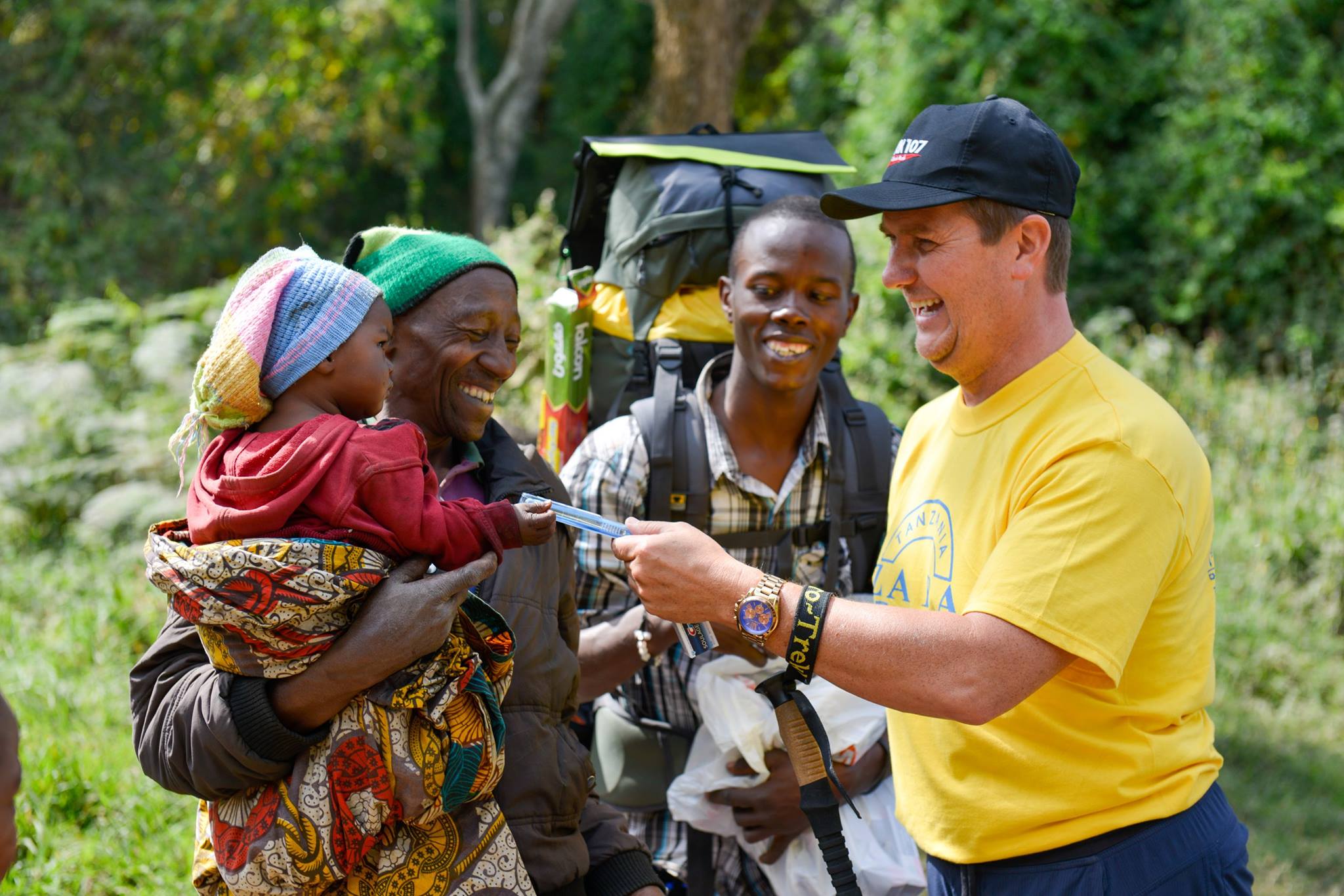
    Moshi Kids centre is a group of change-makers who think that every helping hand may assist a child grow and create a brighter future for themselves. Moshi Kids Centre, located on Tembo Road in Pasua, Tanzania, began assisting needy children, the impoverished, and the marginalized in order to encourage and inspire them to study and strive for a better future. This experience was heightened by the knowledge that there were many such disadvantaged children who required assistance with food, shelter, clothing, and education.
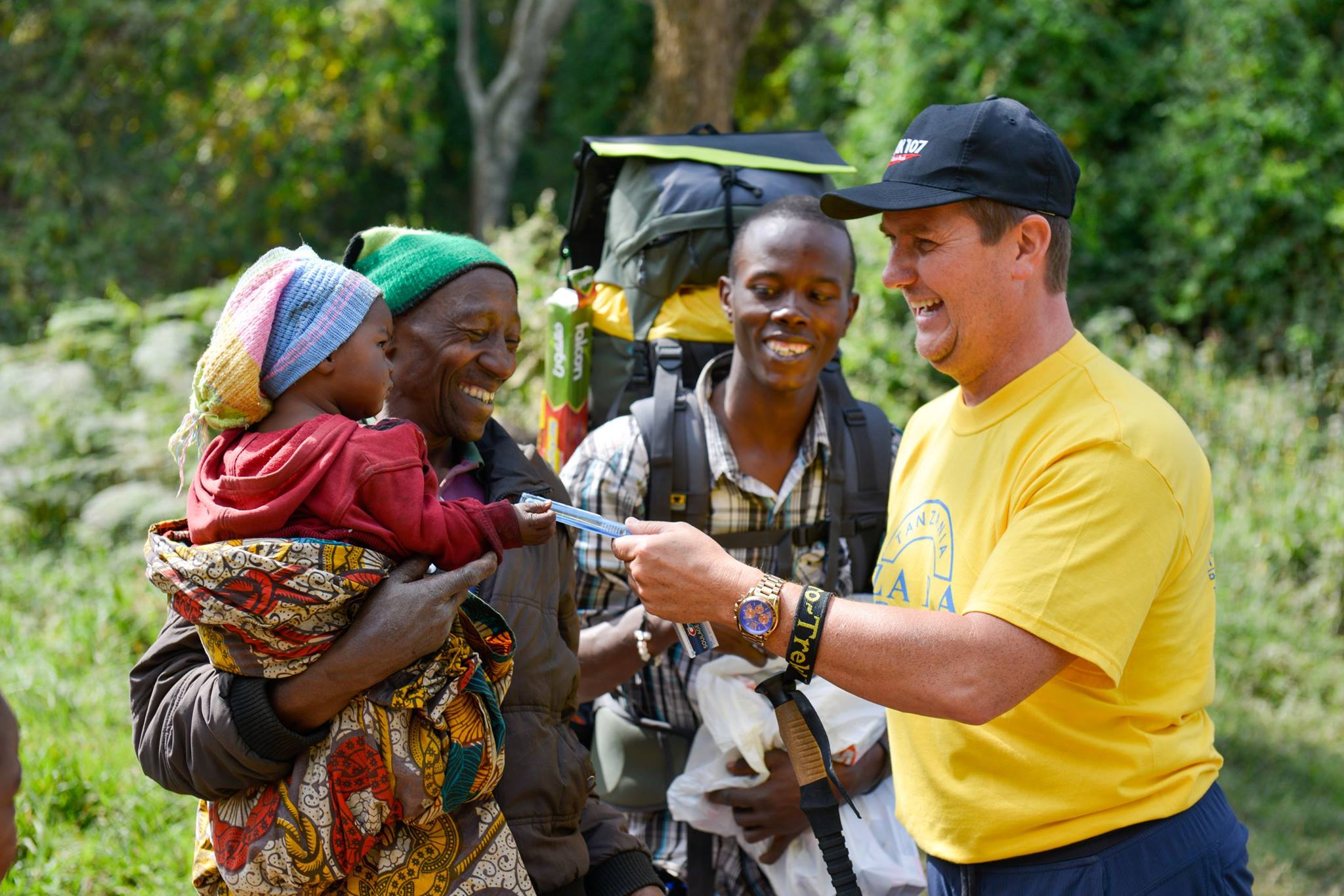
    In so doing, Moshi Kids Centre, plan and support life-changing projects that help transform the lives of disadvantaged children and young people from across different communities.

    The advancement of education through charitable efforts involves;

    • Continuous collaboration with volunteers, funders, and partners to find ways to benefit as many children as possible. We approach and support folks in desperate need of assistance.
    • Constant caregiving by lending a helping hand and providing appropriate guidance at all stages while also allowing them to grow and achieve independence of action.
    • Educating, in which a small-scale centre for disadvantaged kids from marginalized communities with basic needs provides education for a better secure future.
    • Empowering young minds by providing opportunities to study, rejuvenate, renew, and thrive, allowing them to live their dreams for themselves, their families, and their communities.

    The Moshi Kids Centre operates an educational facility as well as a reasonable environment to assist underprivileged young people by providing everything they need to realize their aspirations. The Centre has worked to improve the lives of nearly 800 children, both girls and boys, by providing education and an atmosphere in which they can realize, grow, and foster their gifts. The noteworthy outcomes are thus a testament to the positive effects of collaboration and working together for a good cause.

    Underprivileged youngsters lack access to the necessary financial assistance and resources to lead the lives of their desires. Moshi Kids Centre always welcomes a lending hand by accepting donations that is willing to further the course of bringing dreams within reach for children.

    ZARA Charity Tanzania a non-profit organization that began operations in 2009. Ms Zainab Ansell the director of Zara Tanzania Adventure, founded ZARA Charity to spearhead a global movement of sustainable tourism and community giving through a network of travel industry partners, organizations, travellers, and global citizens interested in reaching out to and supporting Tanzania’s vulnerable populations.

    ZARA Charity supports and empower disadvantaged and impoverished individuals within the society, such as women, orphans, and marginalized individuals, by providing them with basic needs such as shelter & education.

    The ZARA Charity Goals are;

    To ensure local community development and sustainability

    To support disadvantaged groups within the community such as women, orphans and poor people by providing them with basic needs such as food, shelter, education, etc.

    To link projects with international donors

    To ensure environmental conservation and sustainability

    Some of the Initiative Projects included:

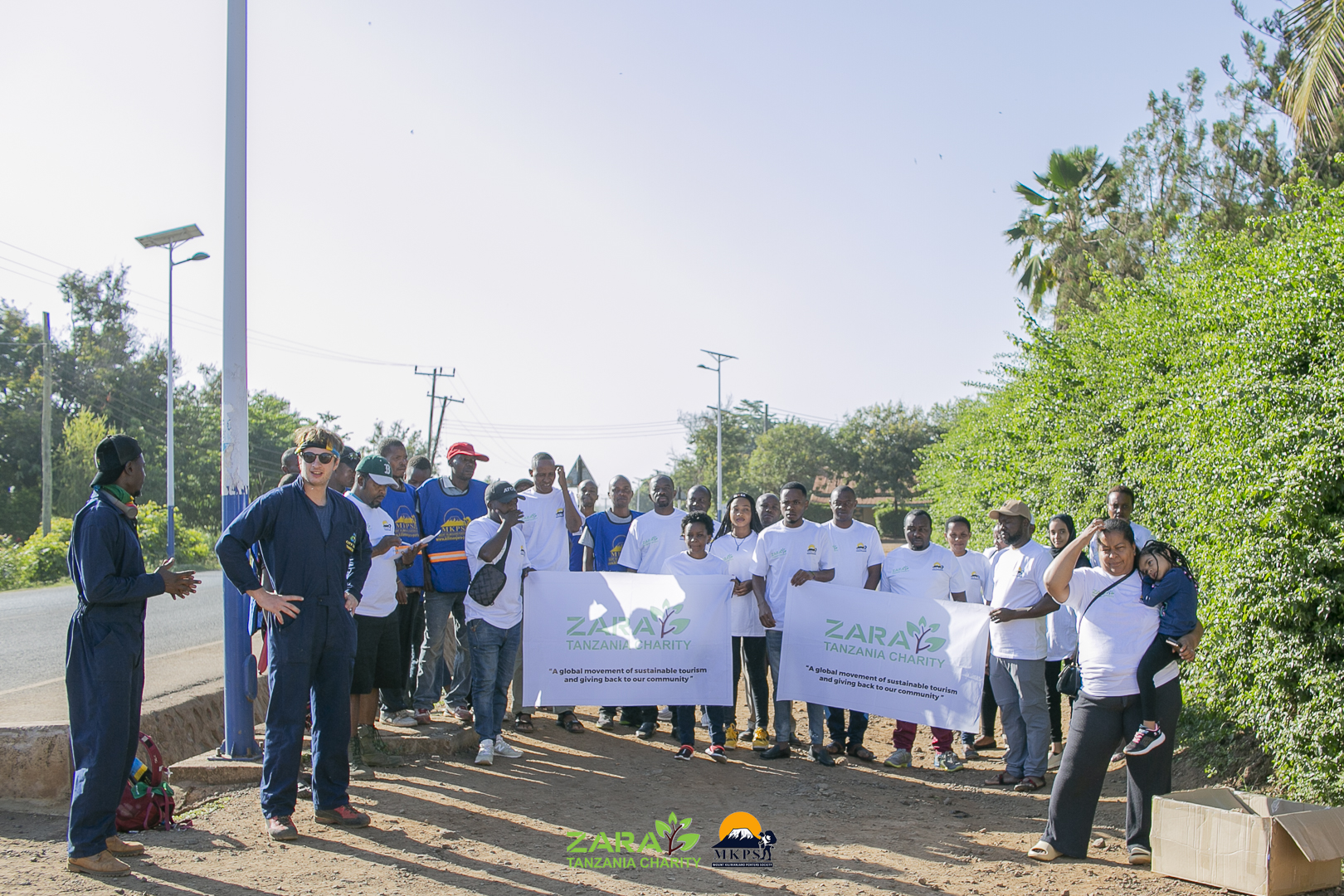
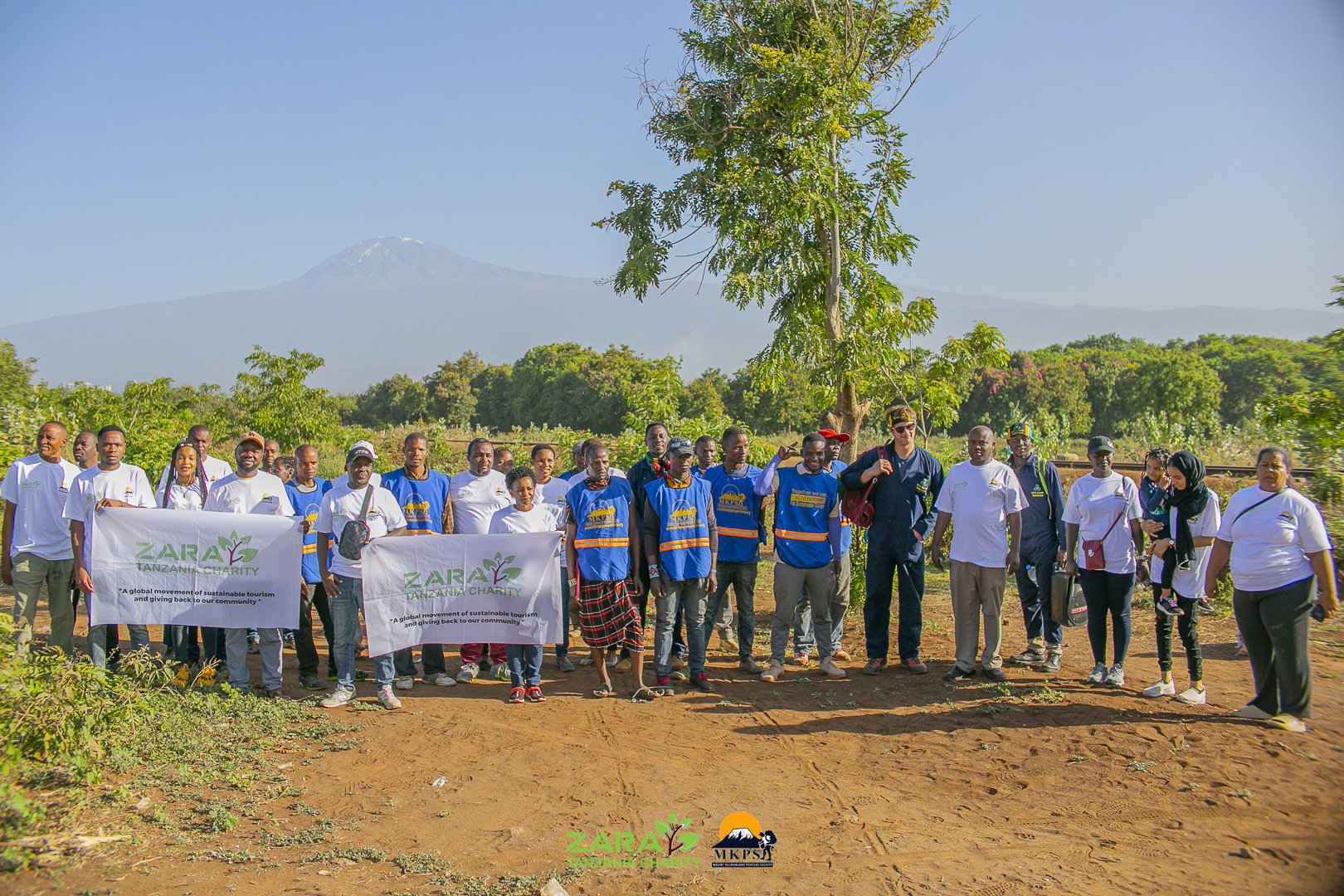
    Mount Kilimanjaro Annual Cleanup Project to maintain eco-tourism and safeguard the precious gift of nature for future generations.

    Ngorongoro Maasai Pre-School Water Project to get a healthier life for Children and people in the village by installed a water supply and providing safe and clean drinking water.

    Ngorongoro Maasai Pre-School Solar Project to supply new panels and new batteries to be used for Isirwa campus for the classroom studies as well as for the kitchen and new batteries are needed at Endulen boarding campus.

    Maasai Women Make A Change. ZARA Charity has started a journey to give Maasai women the resources they need to escape the confines of tradition and create better futures through a number of varied projects, from financial management to business skills.

    Other noteworthy charitable endeavours by ZARA Charity include the tree planting effort, the Indian Ocean cleanup project, and the Asali project in Isirwa village, established in 2022.

    A Partnership for a Better Future

    To make a significant difference in Tanzanian communities, ZARA Charity Tanzania began helping underprivileged children, the poor, and the disenfranchised to encourage and support their desire to learn and strive for a better future. The realization that there were numerous such disadvantaged kids in need of assistance with clothing, food, shelter, and education made the experience even more intense.
    ZARA Charity developed and recognized the need to establish a centre to ensure and gather children together and provide them with education, the one thing that will have a long-term influence on their lives.  Alongside learning, students have the opportunity to receive other support services while also making the world a safer place for as many children as possible through education.
    ZARA Charity now operates shelter homes and schools to assist such vulnerable young people.

    This drive gave birth to the firm partnership for supporting education through charity, between Moshi Kids Centre and ZARA Charity Tanzania. Through this, the birth of Sponsor a classroom was established. This effort focuses on the creation of contemporary, well-equipped classrooms that create a safe, supportive, and exciting learning environment for children. The project goes beyond infrastructure by providing comprehensive support that eliminates financial and logistical impediments to education.
    The benefits of this effort are directed not only at students, but also at the larger community and sponsors.

    The partnership benefits-Students by:

    • Providing access to quality education, which promotes cognitive, emotional, and social development.
    • Safe and caring learning settings that allow children to focus on their academics without fear or interruption.
    • Providing healthcare and dietary support, boosting general well-being and academic achievement.

    Communities through:

    • Education that helps break the cycle of poverty by opening doors to better employment opportunities.
    • An educated population which contributes to the economic and social development of the region.
    • Encouraging girls’ education hence promoting gender equality and strengthens community resilience.

    Sponsors to:

    • Make a direct impact on people’s lives and see actual results of your donation.
    • Building relationships with students through updates, letters, and trips to the Moshi Kids Centre.
    • Participating in a worldwide movement for change.

    The partnership also offers volunteering work to further push forward the accomplishment of educating the children at Moshi Kids Centre.

    The promising progress of the sponsor a classroom initiative that included the construction of state of art classrooms is nearing the closure of phase three;
    The foundational work, walls have successfully been completed and we are about to finish roofing; Key structural components are in place, and the building is now ready for the final touches to make it fully functional.


    The final phase will include:

    • Completing the interior work, including flooring, windows, doors, and painting.
    • Installing essential facilities such as electricity, plumbing, and classroom furniture.
    • Landscaping the surrounding area to provide a safe and welcoming environment for learning.

    To see to the completion of this project, you can contribute by:

    • Donating Online: Please visit our fundraising page and make a generous contribution. Every dollar helps us get closer to our goal.
    • Spreading the Word: Share our mission with your contacts to encourage them to join the cause.
    • Becoming a Sponsor: For about $850 each year, you can sponsor a classroom and have a meaningful impact on these children’s lives.

    This partnership between Moshi Kids Centre and ZARA Charity is a source of hope for the children living in Pasua, Kilimanjaro. They are working together to lay the groundwork for these young minds to realize their greatest potential. The children will become tomorrow’s leaders and change-makers by receiving an education, nourishment, and a safe environment, transforming their community and inspiring future generations.

  • Empowering the Maasai Community Through Education and Resources

    Empowering the Maasai Community Through Education and Resources

    The Maasai community, renowned for its rich cultural heritage and deep connection to the land, has faced numerous challenges in adapting to modern socioeconomic changes. Education and sustainable resource development have become key tools in empowering the Maasai people while preserving their traditions. Zara Charity, through initiatives like the Maasai Pre-School Project and the Asali (Honey) Project, is playing a crucial role in fostering development and providing long-term solutions for the Maasai community.

    The Importance of Education in the Maasai Community

    Education is a fundamental right that opens doors to opportunities and transforms lives. However, many children in the Maasai community face barriers to education, including long travel distances, lack of financial resources, and the prioritization of traditional pastoralist lifestyles over formal schooling.

    To address these challenges, Zara Charity has established the Maasai Pre-School Project, which provides early childhood education to young Maasai children. This initiative aims to:

    • Bridge the educational gap: By introducing children to structured learning at a young age, the project helps prepare them for primary education and beyond.
    • Preserve cultural identity: While education is essential, it is equally important to integrate the Maasai language and traditions into the curriculum to ensure that children remain connected to their heritage.
    • Improve accessibility: Located within the community, the school reduces the burden of long travel distances, making it easier for children to attend regularly.
    • Promote gender equality: Historically, Maasai girls have faced greater barriers to education due to early marriages and household responsibilities. The pre-school project actively encourages the participation of young girls in education, creating a pathway for empowerment.

    Through this initiative, the Maasai children are not only gaining essential literacy and numeracy skills but are also being equipped with knowledge that will help them contribute positively to their communities in the future.

    The Asali (Honey) Project: Sustainable Economic Empowerment

    Beyond education, economic sustainability is crucial for the Maasai community’s long-term growth. The Asali (Honey) Project is an innovative program by Zara Charity that empowers Maasai families by promoting beekeeping as an alternative and sustainable source of income.

    How the Asali Project Benefits the Community:

    1. Sustainable Livelihoods: Beekeeping provides an alternative to traditional livestock farming, which is often vulnerable to climate change and land depletion.
    2. Economic Independence: By producing and selling honey, Maasai families can generate additional income to support their households and invest in their children’s education.
    3. Environmental Conservation: Bees play a critical role in pollination, helping to sustain local ecosystems. The Asali Project encourages responsible beekeeping practices that benefit both the environment and the community.
    4. Women’s Empowerment: The project actively involves Maasai women, providing them with training and resources to participate in beekeeping. This fosters financial independence and enhances their role in decision-making within their families and communities.

    Preserving Cultural Heritage While Embracing Development

    One of the most remarkable aspects of Zara Charity’s initiatives is the delicate balance between modern development and cultural preservation. The organization ensures that while Maasai families gain access to education and economic opportunities, their rich cultural traditions are not lost in the process.

    Through community participation and culturally sensitive approaches, the projects integrate traditional Maasai knowledge with modern educational and economic strategies. This ensures that development happens in a way that aligns with the values and identity of the Maasai people.

    How You Can Support the Maasai Community

    NGORONGORO MAASAI PRE-SCHOOL WATER PROJECT

    Empowering the Maasai community is a collaborative effort that requires support from individuals and organizations worldwide. Here’s how you can contribute:

    • Sponsor a Child’s Education: By sponsoring a Maasai child, you can help cover school fees, learning materials, and other essential needs that enable them to access quality education.
    • Support the Asali Project: Purchasing honey from ethical sources like the Asali Project directly benefits the Maasai beekeepers and contributes to their economic sustainability.
    • Volunteer with Zara Charity: If you have skills in education, conservation, or community development, volunteering can be a rewarding way to contribute to these impactful initiatives.
    • Donate to Zara Charity: Your donations help sustain and expand projects that uplift the Maasai community through education and economic development.


    Empowering the Maasai community through education and resources is not just about improving individual lives—it’s about creating a sustainable future for an entire generation while respecting and preserving a vibrant cultural heritage. Zara Charity’s initiatives, such as the Maasai Pre-School Project and the Asali (Honey) Project, are making significant strides in providing the Maasai people with the tools they need to thrive in a changing world.

    By supporting these efforts, whether through donations, sponsorships, or volunteer work, you become part of a meaningful mission that bridges tradition and progress. Join Zara Charity today in making a lasting impact on the Maasai community.

  • Health and Safety: Ensuring Well-Being for Kilimanjaro Climbers and Porters.

    Health and Safety: Ensuring Well-Being for Kilimanjaro Climbers and Porters.

    Many adventurers dream of climbing Mount Kilimanjaro, Africa’s highest mountain. However, the route to its peak is laden with difficulties that need precise health and safety precautions for both climbers and the necessary porters who support these expeditions.
    The journey to the peak is strenuous, necessitating cautious planning and a heavy emphasis on health initiatives and safety measures. Ensuring climber and porter safety is not just a moral necessity, but also an essential component of ethical and sustainable tourism.

    The demands of high altitude, harsh weather, and strenuous physical exercise necessitate a multifaceted approach to trekking health. From pre-trek preparations to on-mountain protocols, every part of the climb must be carefully studied in order to reduce hazards and provide a safe and pleasurable experience for all. Ensuring the well-being of all parties involved is critical, and several organizations, including Zara Tours and Zara Charity, have taken significant steps to address these issues.

    Altitude: The Primary Challenge

    The most serious health risk for Kilimanjaro climbers is altitude sickness, often known as acute mountain sickness (AMS). As the body ascends, it experiences decreasing oxygen levels, which can cause headaches, nausea, dizziness, and exhaustion. In severe situations, AMS can lead to High Altitude Pulmonary Edema (HAPE) or High-Altitude Cerebral Edema (HACE), both of which are potentially fatal.

    To mitigate these risks, reputable tour operators implement several safety measures:

    • Gradual Acclimatization:
      • Longer routes, such as the Lemosho or Northern Circuit, are recommended to allow for gradual acclimatization.
      • “Climb high, sleep low” principles are followed, where climbers ascend during the day but descend to lower altitudes for sleep.
    • Regular Monitoring:
      • Guides are trained to recognize the symptoms of AMS and monitor climbers’ health throughout the trek.
      • Pulse oximeters are used to measure oxygen saturation levels.
    • Emergency Protocols:
      • Tour operators carry oxygen tanks and first-aid kits.
      • Evacuation plans are in place, including helicopter rescue in case of emergencies.

    community

    Health Initiatives: Beyond Altitude

    Beyond altitude sickness, other health concerns can arise during Kilimanjaro treks. These include:

    • Dehydration:
      • Climbers and porters are encouraged to drink plenty of water to stay hydrated.
      • Tour operators provide access to clean drinking water.
    • Hypothermia:
      • Appropriate clothing and gear are essential to protect against cold temperatures, especially at higher altitudes.
      • Guides are trained to recognize the signs of hypothermia.
    • Injuries:
      • Proper footwear and trekking poles can help prevent injuries.
      • First-aid kits are carried for minor injuries.

    Health Initiatives for Climbers

    Climbing Kilimanjaro exposes climbers to extreme elevations, unpredictable weather, and physically hard terrain. To reduce health concerns, numerous programs have been established:

    1.  

    sustainable tourism

    1. Pre-Climb Medical Assessments: Climbers should have rigorous medical checks before trying the ascent, according to reputable trip providers. This ensures that people are physically fit and can withstand the hardships of high-altitude trekking.
    2. Guide-to-Climber Ratios: Maintaining a low guide-to-climber ratio provides for more customized attention and faster response to any health issues that may occur during the trek. For example, some operators maintain a guide-to-climber ratio of one to two, ensuring that each participant’s condition is closely monitored.
    3. Daily Health Monitoring: Regular health checkups are essential. Every day, guides skilled in high-altitude medicine conduct assessments, checking vital signs like as pulse, temperature, blood pressure, and oxygen saturation. This proactive strategy promotes the early detection of altitude sickness and other potential health issues.
    4. Emergency Preparedness: It is routine practice to provide hiking teams with vital medical supplies such as first aid kits and emergency oxygen. In addition, established evacuation procedures and helicopter rescue services are in place to respond quickly to severe medical emergencies.

    How You Can Help

    Supporting Potters initiatives in Tanzania is as simple as getting involved with Zara Charity. Donations, volunteer work, and spreading awareness about the charity’s programs can contribute to changing lives and helping the Potters.


    Donate

    Safety Measures for Porters

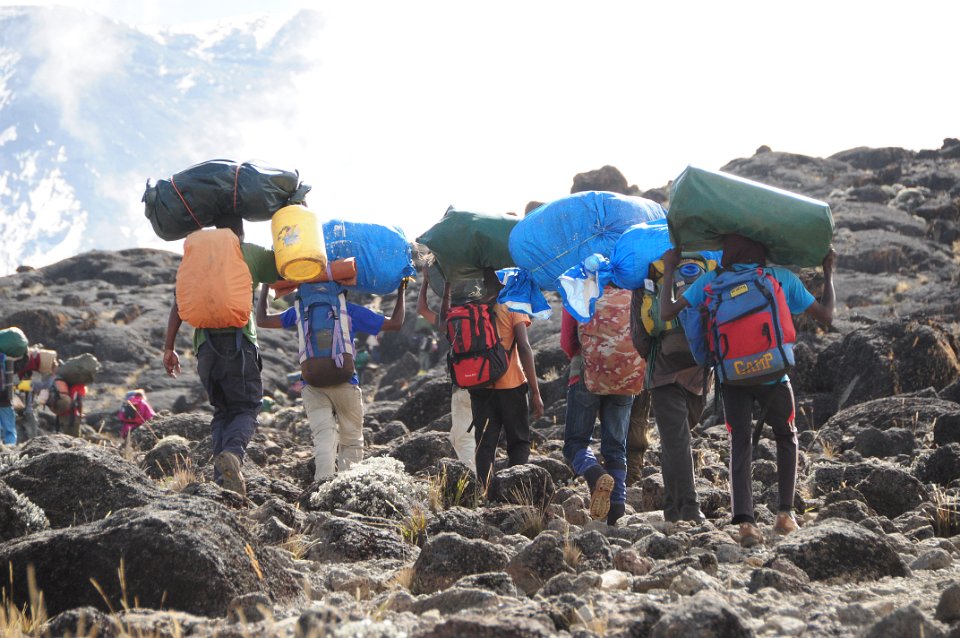
    Porters are the foundation of Kilimanjaro trips, carrying big packs and crossing difficult terrain to assist climbers. Ensuring their safety and well-being is both an ethical obligation and a practical requirement:

    1. Provision of Proper Gear: Organizations like as Zara Tours, through their humanitarian arm Zara Charity, have made substantial efforts to provide porters with high-quality climbing equipment. This involves wearing adequate clothing and equipment to protect themselves from the harsh alpine environment, which lowers the risk of hypothermia and other cold-related diseases.
    2. Fair Compensation and Working Conditions: Advocating for fair pay and decent working conditions is critical. The Mount Kilimanjaro Porters Society (MKPS), backed by Zara Charity, aims to empower porters via education, healthcare, financial literacy, and environmental awareness. Their objective is to build a sustainable future in which people can overcome poverty and achieve financial independence.
    3. Health and Safety Training: Educating porters on health and safety regulations guarantees that they are adequately prepared to face the demands of the climb. This training covers altitude sickness awareness, first aid, and emergency response techniques, preparing them to protect their own well-being while also efficiently assisting climbers.

    Collaborative Efforts and Responsible Tourism

    The collaboration of tour companies, philanthropic groups, and the local population is critical to promoting a culture of safety and well-being on Mount Kilimanjaro:

    • Zara Tours and Zara Charity: Zara Tours, a renowned travel operator, integrates social responsibility into its operations. Zara Charity donates a portion of their revenues to local communities, supporting education, healthcare, and environmental protection projects. This comprehensive approach guarantees that tourism benefits the entire community, not only climbers.
    • Environmental Conservation: Sustainable tourist practices are essential for conserving Kilimanjaro’s ecology. Tree-planting projects and garbage management programs are developed to reduce the environmental impact of trekking activities.
    • Community Empowerment: Tour operators contribute significantly to good change by collaborating with groups such as MKPS and Zara Charity. These alliances aim to improve working conditions, increase livelihoods, and promote community-led environmental conservation activities.

    Join Zara Charity today and be a part of this transformative

    Porter Safety: A Matter of Ethical Responsibility

    Porters, who transport crucial supplies and equipment, are critical to the success of Kilimanjaro hikes. However, their physical demands are considerable, and their safety must be addressed.
    Porter safety is a vital component of ethical tourism and is receiving increasing attention. Organizations such as the Mount Kilimanjaro Porters Society (MKPS) push for fair treatment and better working conditions for porters.

    Responsible tour operators, like Zara Tours, implement policies that prioritize porter safety:

    • Weight Limits:
      • Strict weight limits are enforced for porter loads to prevent overexertion.
    • Proper Gear:
      • Porters are provided with appropriate clothing, footwear, and equipment to protect them from the elements.
    • Fair Wages and Working Conditions:
      • Porters are paid fair wages and provided with adequate food and shelter.
      • Rest periods and breaks are incorporated into the daily schedule.
    • Health Checks:
      • Regular health checks are done to ensure the porters are fit and healthy.

    The Role of Tour Operators and Organizations

    Tour operators play an important role in guaranteeing climbers’ and porters’ safety. Reputable businesses stress safety and ethical procedures.
    Zara Tours, for example, is dedicated to responsible tourism and has adopted a number of health initiatives and safety measures. They also support Zara Charity, which works to improve the lives of local residents via education and healthcare. This displays a comprehensive strategy to tourism that benefits both climbers and the local population.

    Organizations such as MKPS work relentlessly to promote porter safety and equitable treatment. Their initiatives have resulted in better working conditions and a greater understanding of the value of ethical tourism.

    The Climber’s Responsibility

    While tour operators and organizations play a vital role, climbers also have a responsibility to prioritize their health and safety. This includes:

    • Pre-Trek Preparation:
      • Consulting with a doctor to assess fitness levels and discuss potential health risks.
      • Training and conditioning before the trek.
      • Packing appropriate clothing and gear.
    • On-Mountain Awareness:
      • Listening to guides and following their instructions.
      • Communicating any health concerns to guides.
      • Pacing oneself and avoiding overexertion.
      • Staying hydrated and eating properly.

    The Importance of Sustainable Tourism

    The long-term viability of Kilimanjaro tourism is dependent on emphasizing the health and well-being of climbers and porters. By embracing ethical and responsible methods, we can ensure that future generations can enjoy this great experience safely and comfortably.
    Trekking health and porter safety are not abstract terms; they are critical to the integrity of Kilimanjaro tourism. By selecting responsible tour operators, supporting groups like MKPS, and prioritizing our own well-being, we can help to shape a more ethical and sustainable future for this renowned location.

    We can establish a tourism sector that honors the people and the mountain that makes it possible by implementing strong safety measures, supporting vital health initiatives, and focusing on both climber and porter well-being.