Author: Dev

  • Building Hope in Tanzania: How Charity, Education & Volunteering Are Transforming Lives

    Building Hope in Tanzania: How Charity, Education & Volunteering Are Transforming Lives

    ,

    Tanzania, a nation blessed with natural beauty and cultural richness, also faces deeply rooted challenges in education, healthcare, and poverty alleviation. Yet, through the power of community-based charity work, sustainable volunteer programs, and international partnerships, transformation is happening—one village, one classroom, one child at a time.

    At the heart of this transformation is Zaracharity Tanzania, a locally rooted NGO working hand-in-hand with organizations like Moshi Kids Centre, Volunteer Tanzania, and the Zainab Ansell Foundation. These partnerships demonstrate that change is possible when compassion meets commitment.

    Volunteering in Tanzania: A Life-Changing Experience
    Empowering Lives: How Zara Charity is Transforming Communities in Tanzania

    Tanzania is quickly becoming a top destination for international volunteers who want to create lasting change. Organizations like Volunteer Tanzania offer structured, ethical programs that allow people to engage directly in educational, healthcare, and community development work.

    Volunteers help teach in rural classrooms, support mobile health clinics, and run after-school programs through partners like Zaracharity Tanzania. These efforts not only enhance the capacity of local systems but also bring cultural exchange and mutual understanding.

    Volunteering isn’t just about giving—it’s about growing. International participants gain practical skills, cross-cultural insight, and a deeper appreciation for global equity. Many return home with renewed purpose, often becoming long-term ambassadors or fundraisers for the causes they supported.

    Importantly, ethical volunteering is key. That’s why Volunteer Tanzania and Zaracharity prioritize child protection, community consent, and long-term sustainability in every program.

    How Charities Like Zaracharity Help Children in Tanzania

    zara charity tanzania

    Poverty in Tanzania disproportionately affects children, particularly in rural areas where access to basic services is limited. Zaracharity Tanzania steps in where government support doesn’t reach—providing school fees, meals, uniforms, and health supplies to underprivileged youth.

    Children supported by Zaracharity are more likely to stay in school, avoid early marriage, and access better jobs in the future. According to national education data, every additional year a girl spends in school reduces the risk of child marriage by 7%. Zaracharity helps bridge that gap.

    Through its partnership with Moshi Kids Centre, the organization also provides a safe, nurturing space for at-risk children, including orphans and those living with disabilities. These centers offer more than academics—they foster emotional support, play-based learning, and community inclusion.

    Moreover, Zaracharity’s focus on nutrition and child welfare addresses the root causes of inequality. By ensuring that children are not just educated but healthy and safe, the organization creates lasting change for generations to come.

    Education as a Path to Sustainable Development

    Tanzania’s future depends on its youth. With a population expected to double by 2050, education is not just a right—it’s a necessity for national stability and growth. Yet, Tanzania faces a teacher shortage, underfunded schools, and rural drop-out crises.

    Zaracharity Tanzania, alongside the Zainab Ansell Foundation, is responding by investing in early childhood education, building classrooms, and offering scholarships to children who would otherwise be excluded.

    Education is also at the core of Moshi Kids Centre’s programming. The center promotes play-based learning, an approach proven to improve cognitive and emotional development in early years.

    Vocational training is another key area. Zaracharity offers courses in tailoring, carpentry, IT, and agriculture to help youth gain job-ready skills. These programs target young adults who’ve left formal education but still seek economic independence.

    By blending formal education, vocational skills, and life coaching, Zaracharity ensures that youth don’t just survive—they thrive. These efforts contribute directly to several UN Sustainable Development Goals, especially SDG 4 (Quality Education) and SDG 8 (Decent Work and Economic Growth).

    Health and Nutrition: The Cornerstone of Lasting Impact

    medical care

    Education is meaningless without health. In many Tanzanian villages, preventable diseases, malnutrition, and poor sanitation are common threats. Zaracharity Tanzania has made health and nutrition a pillar of its mission.

    Their mobile clinic program travels to remote communities, offering vaccinations, malaria treatment, maternal care, and health education. These clinics are often the only access rural families have to professional care. They also distribute mosquito nets, sanitary pads, and hygiene kits to schoolgirls—reducing absenteeism and infection rates.

    Partnering with Zainab Ansell Foundation, Zaracharity addresses malnutrition through feeding programs at schools and community centers. Children receive fortified meals, and families are taught to grow their own food using sustainable farming techniques. These interventions also support mental health, which is often stigmatized or overlooked in African contexts. Children exposed to trauma—whether poverty, violence, or neglect—benefit from group counseling, mentorship, and expressive arts therapy.

    Healthcare is more than medicine; it’s dignity, opportunity, and hope. And that’s what Zaracharity delivers.

    Women and Girls: Breaking Barriers, Creating Leaders

    In many Tanzanian regions, girls face early marriage, gender-based violence, and limited career opportunities. Zaracharity Tanzania is breaking these barriers with programs focused on women’s rights, reproductive health, and entrepreneurship.

    Young women receive training in digital literacy, sustainable farming, and tailoring. They’re also mentored by successful women leaders from organizations like the Zainab Ansell Foundation, which advocates for female empowerment across the East African region. One standout initiative is Zaracharity’s “Girl First” program, which sponsors teenage mothers to return to school, receive vocational skills, and participate in safe peer groups. This reduces stigma and opens pathways to education and economic independence.

    Through community workshops and cultural dialogue, the organization also works to shift mindsets—engaging local elders, religious leaders, and parents in conversations around gender equity and education. The results are powerful: girls who once dropped out of school now run their own businesses or become health ambassadors in their communities. Women who were once marginalized are now leading others toward brighter futures.

    Building Sustainable Communities Through Partnership

    One organization can only do so much. That’s why Zaracharity Tanzania believes in partnerships that amplify impact.

    Through a close relationship with Volunteer Tanzania, they welcome international volunteers to support on-ground initiatives. This includes building school infrastructure, installing water tanks, and supporting community farming.

    Their work with Moshi Kids Centre ensures a consistent focus on vulnerable children, especially in urban settlements where access to formal schooling and safe spaces is limited.

    The Zainab Ansell Foundation supports with strategic planning, fundraising, and policy engagement, helping Zaracharity scale its model to new regions.

    Together, these partners create a powerful ecosystem for change. From policy advocacy to direct service delivery, they show what’s possible when global compassion meets local leadership.

    A Call to Join the Movement

    Zaracharity Tanzania is not just an organization—it’s a movement. A movement for change, education, health, and dignity. It reminds us that hope isn’t found in big promises but in everyday actions: a meal served, a lesson taught, a clinic opened.

    Through partnerships with Moshi Kids Centre, Volunteer Tanzania, and Zainab Ansell Foundation, this movement grows stronger every day.

    Whether you’re a donor, volunteer, or simply someone who believes in a better world—there’s a place for you in this story.

    Join us. Empower a child. Heal a community. Build a future.
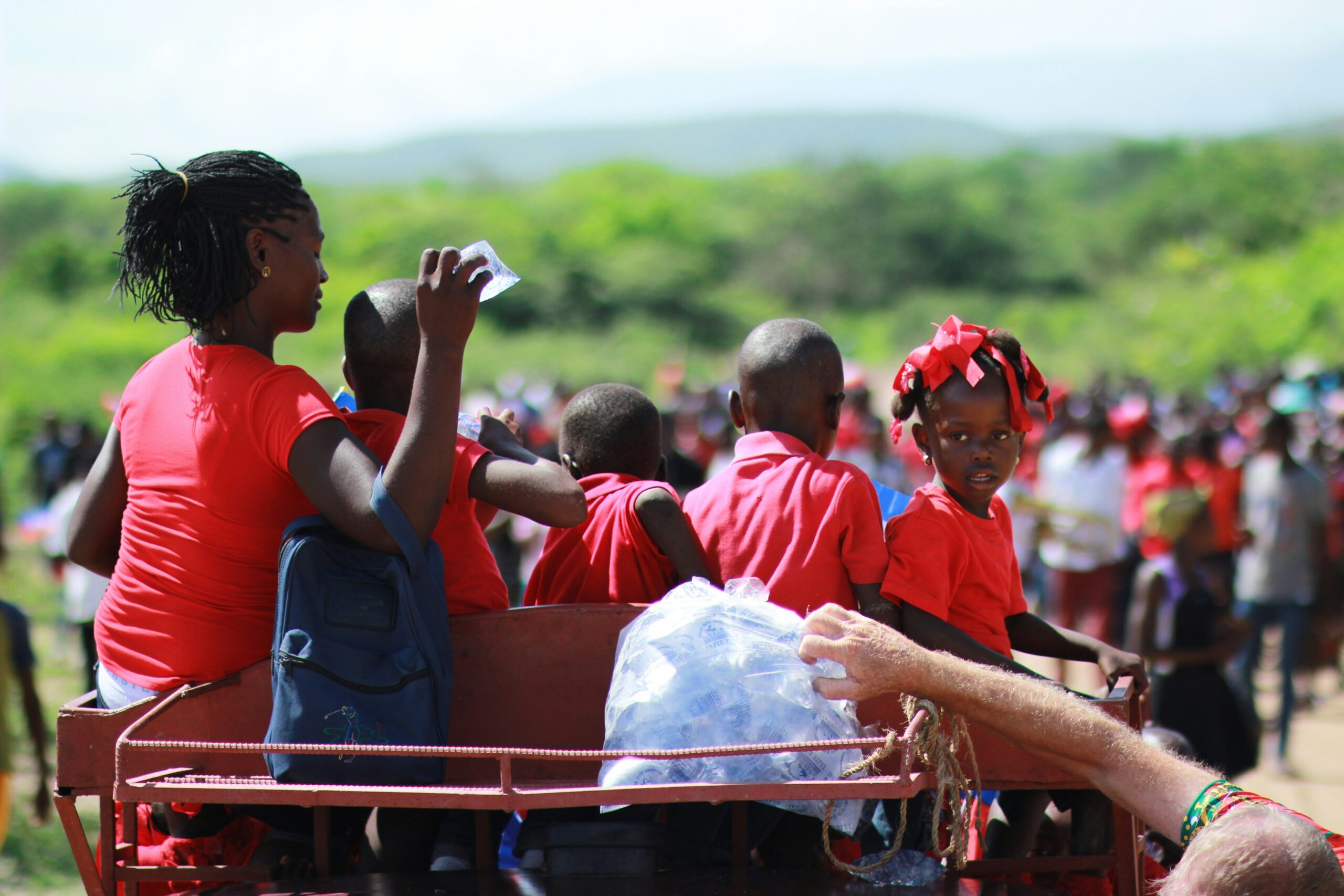
  • Everything You Need to Know About Charities—Through the Eyes of Zaracharity Tanzania

    Everything You Need to Know About Charities—Through the Eyes of Zaracharity Tanzania

    Charities play an essential role in transforming lives, especially in underserved communities across Africa. At Zaracharity Tanzania, our mission is not just about giving—it’s about empowering. Through focused programs in education, healthcare, nutrition, and women’s empowerment, we aim to break cycles of poverty and create lasting impact.

    In this blog, we answer some of the most frequently asked questions about the work of charities, particularly how organizations like Zaracharity, in partnership with Moshi Kids Centre, Volunteer Tanzania, and the Zainab Ansell Foundation, are changing lives across Tanzania.

    zara charity

    How Do Charities Help People?

    Charities like Zaracharity help people by offering lifesaving support, life-changing opportunities, and long-term empowerment. In Tanzania, many families face barriers such as lack of education, poor access to healthcare, food insecurity, and economic exclusion. That’s where we step in.

    One of our core approaches is child sponsorship. Through our education program, we pay school fees for children from disadvantaged backgrounds, provide uniforms, school supplies, and mentorship. Without this support, many of these children—especially girls—would drop out and face early marriage or child labor.

    In the health sector, our mobile clinics visit rural villages where access to medical care is nearly nonexistent. We treat malaria, respiratory infections, and provide maternal and child health services. By working directly with local health officials and communities, we deliver care that saves lives.

    We also help people through food and nutrition programs, particularly in regions affected by drought and climate change. Partnering with Moshi Kids Centre, we provide daily meals, clean water, and hygiene education for vulnerable children. Nutrition is foundational—without it, children can’t learn, grow, or stay healthy.

    Charities help by being present, listening to the needs of communities, and delivering support that’s both compassionate and strategic. We aren’t just filling gaps—we’re building bridges to opportunity. And with the support of Volunteer Tanzania, who send skilled volunteers to assist in healthcare, teaching, and development, our reach continues to grow.

    Helping people is not a one-time act; it’s a commitment to continuous care, education, and empowerment, and that’s what Zaracharity is all about.

    How Sponsoring a Child in Tanzania Transforms Lives

    What Are the Benefits of Charities?

    Charities bring a wide range of benefits—to individuals, families, communities, and society as a whole. At Zaracharity Tanzania, we believe the most profound benefit is hope—the kind that translates into improved lives and stronger communities.

    One key benefit is access to education. We believe that every child has the right to learn, regardless of where they were born or how much money their parents make. Through our programs, we reduce school dropout rates by sponsoring children through their entire academic journey. Education leads to better job opportunities, healthier lifestyles, and more informed citizens.

    Another major benefit is health security. Our health programs focus on both prevention and treatment. We offer free mobile health clinics, reaching communities that might otherwise go untreated for months or even years. We also provide health education, vaccinations, and reproductive health services.

    Beyond direct services, charities create economic opportunities. We provide vocational training and entrepreneurship support—particularly for women. Through our partnership with the Zainab Ansell Foundation, we help women start small businesses and teach them skills in tailoring, agriculture, and crafts. Empowering women financially has a proven ripple effect—boosting income, education, and well-being for their families.

    There’s also the benefit of social cohesion. Our programs encourage community involvement, mutual support, and local leadership. People feel heard, included, and empowered.

    Lastly, volunteering through organizations like Volunteer Tanzania fosters global citizenship. Volunteers bring new ideas and skills, but also gain cultural understanding and compassion.

    Charities deliver more than services—they deliver transformation. And the benefits they create last far beyond the life of any single project.

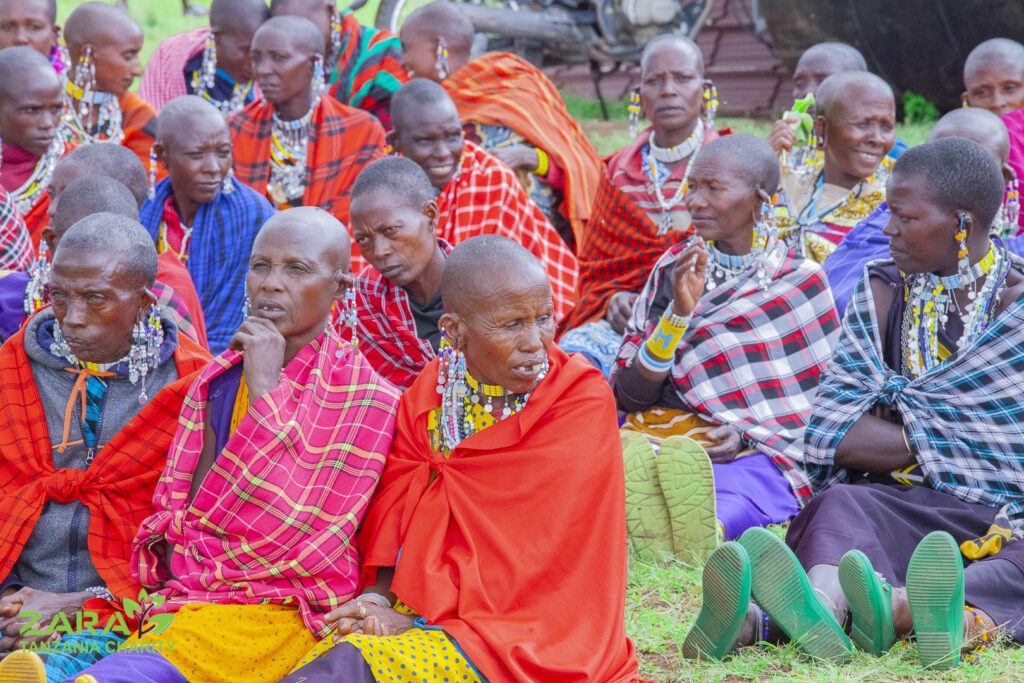
    Maasai Women Empowerment in Tanzania | Vocational Training & Success Stories

    How Does Charity Bring Good Impact to Society?

    Charities have the power to transform entire societies by addressing root causes of inequality, strengthening communities, and creating systems of support that elevate everyone. At Zaracharity Tanzania, our impact goes beyond individuals—we’re building resilient, educated, and healthy communities that can drive their own development.

    One of the biggest ways we bring positive social impact is by reducing generational poverty. Through education, we help children build brighter futures. A child who completes school is more likely to avoid early marriage, find employment, and raise healthy, educated children of their own. That’s a ripple effect that lifts entire communities.

    In health, our outreach programs reduce disease burden, leading to a more productive society. When people are healthy, they work more, earn more, and rely less on emergency aid. Our focus on malaria prevention, maternal care, and nutrition improves life expectancy and reduces child mortality.

    We also work to build a more equitable society by targeting support to those who are most vulnerable—especially women and children. Our partnerships with the Zainab Ansell Foundation and Moshi Kids Centre ensure that children receive care, education, and protection. We advocate for girls’ education and protection from early marriage, aligning with Tanzania’s national efforts to end violence against women and children.

    Charity also brings impact through community engagement. We train local leaders, involve parents in school management, and support youth-led initiatives. By creating local ownership, we ensure that development is sustainable and culturally grounded.

    Through Volunteer Tanzania, international volunteers not only serve but also build bridges between cultures, spreading understanding and compassion across borders.

    The good impact of charity is real. It’s visible in the school attendance registers, the clinic logs, and the smiles of empowered women and educated children. At Zaracharity, we witness that change every day—and we believe it’s only the beginning.

    What Do Charities Do to Help the Poor?

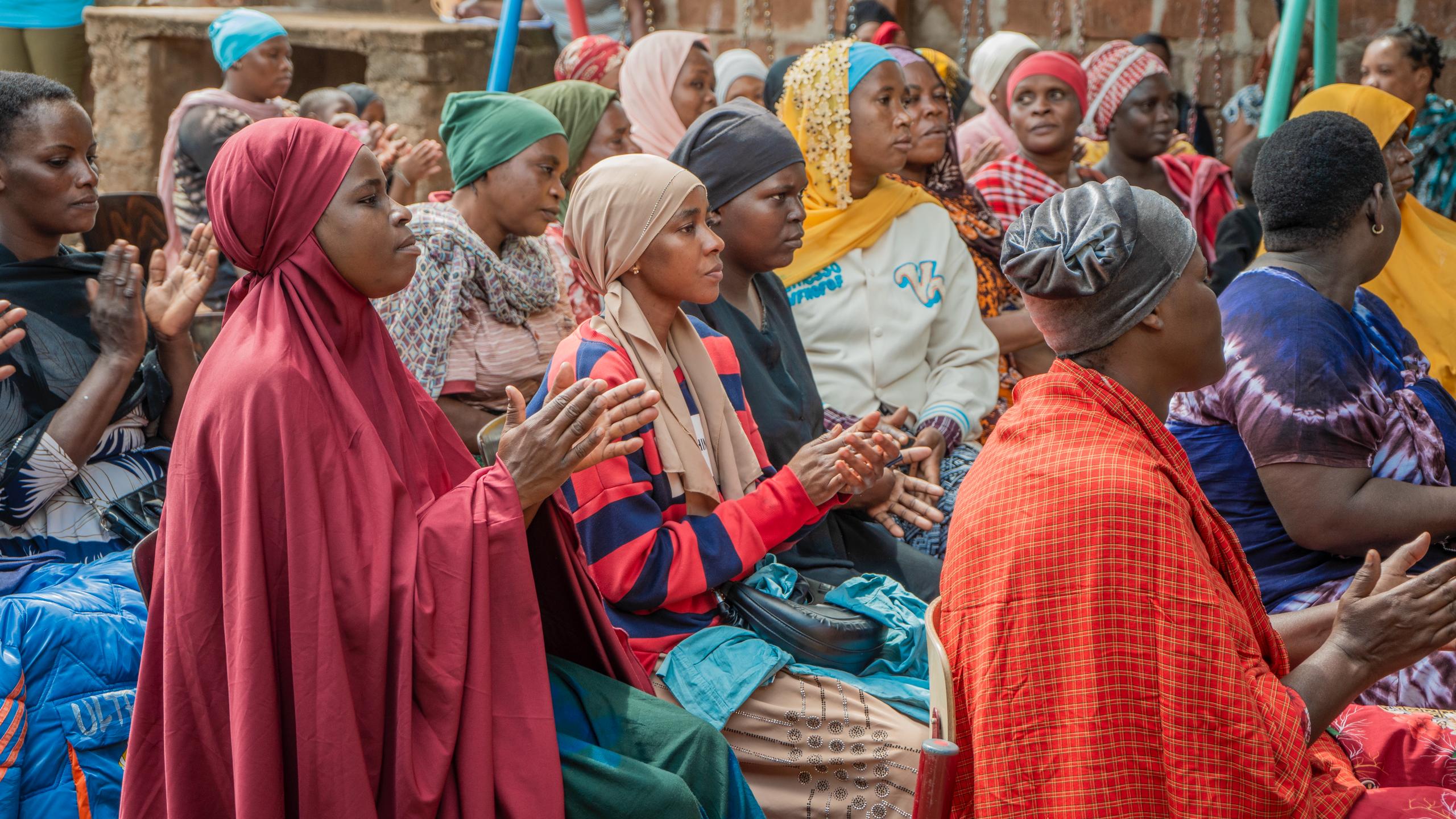
    Zara Charity empowerment workshop in Tanzania

    Helping the poor is a central mission of charities like Zaracharity Tanzania. But for us, “help” doesn’t mean a quick fix or temporary handout. It means listening, partnering, and working together to build the tools, knowledge, and systems that can lift people out of poverty for good.

    The first thing we do is meet basic needs—especially in times of crisis. We provide:

    • School fees and uniforms for poor children

    • Food baskets and nutrition programs for malnourished families

    • Medical treatment through mobile clinics

    • Clean water and hygiene kits for better sanitation

    But we don’t stop there.

    We also invest in education and job skills so that families can break free from poverty cycles. Our youth empowerment programs include vocational training in farming, tailoring, IT, and small business development. When someone learns how to earn a living, they gain dignity, confidence, and a future.

    We understand that poverty isn’t just about income—it’s about access. That’s why we bring services to remote areas where no schools or clinics exist. We also work with local government and civil society partners to build capacity, ensuring that the systems we support can stand long after we leave.

    Women and girls from poor households are particularly vulnerable, which is why our programs—through support from the Zainab Ansell Foundation—focus on gender equality, microfinance, and protection from exploitation.

    Through our collaboration with Volunteer Tanzania, we also connect under-resourced communities with skilled professionals who help with health, teaching, and infrastructure.Poverty is complex, but our approach is clear: empower the poor through education, health, and economic opportunity—while treating them with dignity every step of the way.

    The Power of Compassion in Action

    At Zaracharity Tanzania, we see charity not as a one-time act, but as a pathway to justice, equity, and lasting change. Whether it’s a girl going to school for the first time, a mother receiving prenatal care, or a young person learning a trade, each moment is a step toward a better future.

    We’re proud to work alongside organizations like Moshi Kids Centre, Volunteer Tanzania, and the Zainab Ansell Foundation to make this vision a reality.

    Charities help people.
    They build communities.
    They transform societies.

    And they need you—to donate, to volunteer, or to simply spread the word. Want to make a difference? Start by searching “Zaracharity Tanzania”, visiting our site, and discovering how you can be part of something meaningful.

    Together, we can rewrite the story for countless children and families across Tanzania.

  • Tanzania Charities: A Focus on Zaracharity Tanzania

    Tanzania Charities: A Focus on Zaracharity Tanzania

    The history of charities in Tanzania reflects a journey from colonial missionary work to a vibrant NGO sector. During the German East Africa period (1885-1919), efforts were limited to religious and basic education outreach, with the Maji Maji Rebellion exposing colonial hardships. Under British rule post-World War I, groups like the Church Missionary Society expanded inland missions from 1877, influenced by figures like Henry Stanley. These early interventions introduced healthcare and schooling, setting a precedent for later organizations. Post-1964 independence, Nyerere’s socialist policies centralized services, but the 1980s economic crises and IMF/World Bank structural adjustments revitalized NGO involvement, leading to the Tanzania Revenue Authority’s establishment in 1995 to regulate this growth.

    Zaracharity Tanzania emerged in this context, building on the legacy of community support to address education and child welfare gaps. Founded with a vision to empower Tanzanian youth, the organization has grown by leveraging local knowledge and international partnerships. Its work resonates with historical efforts to uplift rural populations, adapting to modern challenges like climate change and economic disparities. The organization’s focus on sustainable development aligns with Tanzania’s progress, such as the rise in school attainment from 3.8 to 6.4 years (2000-2020), offering a model of how historical foundations can inform contemporary charitable success.

    Zaracharity Tanzania’s Mission and Programs

    zaracharity empowering communities

    Zaracharity Tanzania, as highlighted on its website (zaracharitytanzania.org), is dedicated to transforming lives through education, healthcare, and community development. The organization runs programs that provide school fees, uniforms, and learning materials to underprivileged children, ensuring access to quality education. Its healthcare initiatives include mobile clinics and nutrition support, addressing prevalent issues like malaria and malnutrition in rural areas. Additionally, Zaracharity promotes sustainable agriculture and vocational training, empowering families to achieve economic independence. These efforts align with the Tanzania Social Action Fund’s (TASAF) Productive Social Safety Net (PSSN), which supports over five million people, and the government’s 2023 Education and Training Policy.

    A key component of Zaracharity’s work is its volunteer program, inviting global participants to contribute through volunteerintz.com. Volunteers assist in teaching, healthcare outreach, and community projects, fostering cultural exchange and skill development. The organization also collaborates with initiatives like moshikids.org, which focuses on child welfare and education, enhancing its impact on young lives. Supported by international funding and local partnerships, Zaracharity’s programs demonstrate a holistic approach, combining immediate relief with long-term empowerment, making it a vital player in Tanzania’s charitable ecosystem.

    Impact on Education and Child Welfare

    Zaracharity Tanzania

    Zaracharity Tanzania significantly influences education and child welfare, addressing critical gaps in a country where the school-age population is projected to double by 2061, creating a teacher shortage of over 370,000 by 2030. The organization’s sponsorship programs ensure children attend school, providing uniforms, books, and fees, which has increased enrollment rates in target communities. This aligns with the recent 10-year compulsory education policy and UNICEF’s youth well-being research, conducted with TASAF, which uses randomized trials to refine educational interventions. The rise in school attainment from 3.8 to 6.4 years (2000-2020) reflects such collaborative efforts, with Zaracharity playing a grassroots role.

    In child welfare, Zaracharity partners with moshikids.org to offer nutrition programs and safe learning environments, tackling issues like malnutrition and early marriage. Its healthcare outreach, including mobile clinics, addresses diseases like malaria and sleeping sickness, prevalent due to the tsetse fly. The World Bank’s human capital investments, supported by IDA funding, complement these efforts by improving water access and medical services, lifting millions out of poverty. Despite challenges like overcrowded refugee camps, Zaracharity’s focus on vulnerable children ensures they receive care, reinforcing its alignment with national goals to end violence against women and children (2024/2025-2028/2029 plan).

    Challenges and Opportunities for Zaracharity Tanzania

    zara charity

    Zaracharity Tanzania faces several challenges despite its impactful work. Funding dependency on foreign aid exposes it to global economic fluctuations, such as the COVID-19 pandemic’s 2.5% GDP growth dip in 2020. Government restrictions, like the 2019 TCRA media suspension, occasionally hinder operations, while corruption and uneven resource distribution complicate project implementation. Rural infrastructure deficits and climate change impacts on agriculture further strain efforts, with the East African Crude Oil Pipeline raising environmental concerns that affect community sustainability projects. Cultural practices, such as arranged marriages, also require sensitive, resource-intensive interventions.

    Opportunities abound, however, with Tanzania’s 6% growth projection for 2020/21 and natural gas revenues from the Ntorya field (licensed in 2024) offering potential funding. The East African Community (EAC) in Arusha facilitates regional collaboration, while mobile money platforms like Airtel Mobile Money, backed by MIGA’s $151 million guarantees, enhance financial inclusion. Zaracharity leverages volunteerintz.com to attract global support, and partnerships with moshikids.org strengthen child-focused initiatives. By addressing governance and equity, Zaracharity can lead Tanzania’s charitable sector, setting a benchmark for sustainable development.

    Future Vision and Community Engagement

    Looking ahead, Zaracharity Tanzania aims to expand its reach, capitalizing on economic growth and technological advancements. The organization plans to scale its education and healthcare programs, using mobile technology to reach remote areas, and enhance vocational training to prepare youth for emerging industries. The 2024 tax code revisions and foreign direct investment improvements create a favorable climate for scaling operations, while natural gas revenues could fund infrastructure projects if equitably managed. Regional integration via the EAC offers collaboration opportunities, potentially linking Zaracharity with similar organizations across East Africa.

    Community engagement remains central, with volunteerintz.com serving as a platform for global volunteers to contribute skills and resources. Partnerships with moshikids.org will deepen child welfare efforts, ensuring long-term impact. Zaracharity’s stability in Tanzania’s politically stable environment positions it to lead regional philanthropy, advocating for policies that support vulnerable populations. By fostering local ownership and international support, the organization envisions a future where Tanzanian communities thrive, leveraging its historical roots and modern innovations to build a resilient society.

  • Zara Charity & Tourism: How Your Safari Can Help a Child Go to School

    Zara Charity & Tourism: How Your Safari Can Help a Child Go to School

    In a world where tourism often focuses on luxury and indulgence, one company in Tanzania is changing the game—Zara Tours. With a heartfelt mission to give back to the communities it operates in, Zara Tours has built an exceptional model of charity tourism in Tanzania. This is not just another travel company. This is travel with a purpose. When you choose a safari with Zara Tours, you’re not just ticking off a bucket-list adventure; you’re investing in a child’s future.

    Let’s explore how this blend of ethical travel in Africa and compassionate action is helping children go to school, empowering communities, and making your safari count for more.

    Lorem ipsum dolor sit amet, consectetur adipiscing elit. Ut elit tellus, luctus nec ullamcorper mattis, pulvinar dapibus leo.

    Zara Charity & Tourism

    The Rise of Charity Tourism in Tanzania

    Tanzania is a land of breathtaking landscapes, majestic wildlife, and rich cultural heritage. But beyond the iconic safaris and scenic views lies a country with deep socioeconomic challenges, especially in education. This is where charity tourism steps in.

    Charity tourism is the idea of traveling with the intention of giving back to the host communities. In Tanzania, it’s a powerful tool for change. Tourists are no longer just observers; they’re becoming participants in transformation. Through guided tours, cultural exchanges, and charitable donations, travelers are making a tangible difference in the lives of local children.

    Zara Tours: Pioneers in Ethical Travel Africa

    Founded by Zainab Ansell, Zara Tours is more than just a safari operator. It’s a movement rooted in empathy, sustainability, and social responsibility. With over 30 years in the industry, Zara Tours has not only set benchmarks for exceptional safari experiences but has also created a legacy of giving through the Zara Charity.

    By integrating ethical values into every expedition, Zara Tours ensures that tourism dollars benefit the communities tourists come to explore—not exploit. Their staff are locals, their operations are eco-friendly, and their profits contribute directly to community development, especially education.

    Zara Charity & Tourism: How Your Safari Can Help a Child Go to School

    Zara Charity: Empowering Communities Through Education

    The crown jewel of Zara’s philanthropic efforts is Zara Charity, a registered nonprofit that channels a portion of every tour package into social initiatives. One of its core focuses? Education.

    Here’s how your safari helps send a child to school:

    1. School Sponsorship Programs:
      Zara Charity identifies children in need—orphans, girls from impoverished families, and rural youth—and sponsors their education. Your trip helps cover tuition fees, school uniforms, meals, and supplies.
    2. Building School Infrastructure:
      Through donor support and a portion of tourism revenue, Zara Charity helps build and refurbish classrooms, libraries, and sanitation facilities in underserved regions.
    3. Providing School Supplies:
      From books to desks to digital learning tools, Zara ensures that sponsored schools are equipped for real learning—not just attendance.

    Zara Charity volunteer

    Safari With a Purpose: Your Adventure Changes Lives

    When you book a safari with Zara Tours, you’re not just going on a wildlife expedition—you’re stepping into a story of change. Here’s how your travel transforms lives:

    • Employment Opportunities: Locals are trained and employed as guides, cooks, porters, and hotel staff, ensuring income flows directly to the community.
    • Volunteer Opportunities: Guests can choose to visit schools, meet students, and even volunteer to teach or mentor.
    • Transparent Donations: Zara Charity provides clear reporting on how funds are used, ensuring trust and impact.

    It’s tourism that leaves a legacy, not just footprints.

    Real Impact: Stories That Inspire

    Amina’s Dream Funded by Ethical Travel

    Amina, a bright young girl from a Maasai village, couldn’t afford school. But thanks to Zara Charity’s scholarship fund—made possible by tourists like you—she’s now studying medicine at university. Her goal? To return and serve her village as a doctor.

    Jackson’s Rise from Struggle to Success

    Jackson was raised in poverty but got the chance to attend school through Zara’s sponsorship. Today, he mentors other children in the program and hopes to become a teacher. His journey is a testament to the ripple effect of ethical travel.

    Visiting a School: A Cultural Exchange Like No Other

    One of the most moving parts of traveling with Zara is the opportunity to visit local schools supported by the charity. It’s not a tourist show—it’s real, raw, and inspiring. You’ll meet the children whose lives you’re touching, see the classrooms your safari is funding, and maybe even share a story or song.

    This personal connection turns a luxury trip into a mission of love and learning. It’s an experience that lingers long after the game drives and campfires.

    Why Zara Tours Leads in Responsible Tourism Africa

    Zara Tours isn’t just checking boxes—they’re setting the bar. Here’s why they stand out:

    • Transparency: Every dollar donated is tracked and reported.
    • Local Empowerment: 90% of staff are from Tanzania, creating jobs and pride.
    • Sustainability: Eco-lodges, solar power, and responsible waste practices are standard.
    • Recognition: Zara has received multiple awards for community impact and ethical travel.

    In short, they practice what they preach.

    How You Can Make an Even Bigger Difference

    Even after your trip ends, your impact doesn’t have to. Zara Tours makes it easy to stay connected:

    • Sponsor a Child: Continue funding a child’s education from home.
    • Donate Supplies: Many travellers bring books, backpacks, or shoes as part of their luggage.
    • Share the Story: Use your platform to tell others about your trip. Awareness is power.

    Let Your Safari Change a Life

    A safari is often a once-in-a-lifetime experience. But when you choose Zara Tours, that one trip can ripple out into a lifetime of change—for a child, a family, and an entire community. Charity tourism in Tanzania is more than a trend; it’s a solution. And you can be part of it.

    By supporting ethical travel in Africa through Zara Tours, you’re not just exploring the wild—you’re nurturing dreams. You’re not just taking photos—you’re making history. So the next time you plan your adventure, ask yourself: Do I want a vacation… or a legacy?

    Choose a safari with a purpose.

    Frequently Asked Questions

    1. How much of my safari cost goes to charity?
      A percentage of every tour package is allocated directly to Zara Charity. You can also donate separately if you’d like to contribute more.
    2. Can I visit the schools supported by Zara Charity?
      Yes! Many tours offer the chance to visit schools, interact with students, and see firsthand the impact your travel is making.
    3. Is my donation tax-deductible?
      Depending on your country, donations made directly to Zara Charity may be tax-deductible. Be sure to check with your local tax advisor.
    4. Can I continue to support a child after my trip?
      Absolutely. Zara offers sponsorship programs where you can continue funding a child’s education long-term.
    5. Are Zara Tours eco-friendly?
      Yes. Zara uses sustainable practices across their lodges, transportation, and tours to minimize environmental impact.
  • Empowering Women in Africa: The Vision Behind Moshi’s Women Training Center by Zara Charity

    Empowering Women in Africa through Vocational Education – A Zara Charity Initiative In the foothills of Mount Kilimanjaro lies a quiet revolution. It’s not political or loud, but its impact is undeniable. It’s a movement driven by purpose, passion, and people — especially women. The Moshi Women Training Center, an initiative by Zara Charity, is a transformative space designed to ignite change, one woman at a time.

    Through vocational education in Tanzania, the center provides women with the tools they need to break the cycle of poverty, become self-sufficient, and transform their communities. This is the story behind the vision — and how one center is working to empower women in Africa and reshape futures.

    women

    The Visionary Behind the Change: Zainab Ansell of Zara Charity

    Every powerful movement has a visionary leader behind it. For the Moshi Women Training Center, that leader is Zainab Ansell, the founder and CEO of Zara Charity and Zara Tanzania Adventures. Her mission has always gone beyond tourism — it’s about community, impact, and empowerment.

    Zainab was born and raised in Tanzania and understands firsthand the challenges that many African women face: limited access to education, early marriages, cultural barriers, and a lack of economic opportunities. These challenges inspired her to act. Through Zara Charity initiatives, she aimed to build bridges between communities and opportunities.

    “A woman with skills is a woman with power. And when women rise, the whole society benefits.” – Zainab Ansell

    Her dream was to create a space where women — regardless of their background or status — could learn, grow, and gain independence. That dream materialized as the Moshi Women Training Center.

    Inside the Moshi Women Training Center: A Place of Hope and Skill

    At its core, the center offers vocational education designed to be practical, accessible, and life-changing. Courses and programs are tailored to the local economy and cultural context, ensuring women can use their skills in real-life situations immediately.

    Programs offered include:
    – Tailoring and Dressmaking
    – Baking and Catering
    – Soap and Cosmetics Production
    – Beading and Craftsmanship
    – Entrepreneurship and Financial Literacy

    These are not just technical lessons. They are stepping stones to independence. Women leave with market-ready skills, but also with the confidence to start businesses, find employment, or support their families.

    Empowering Mothers and Caregivers

    One of the center’s unique features is its holistic approach. Many trainees are mothers or caregivers, so the center incorporates family-friendly policies, including:

    – On-site child-friendly spaces
    – Flexible training hours
    – Nutritional and wellness sessions
    – Group counseling and peer mentorship

    This approach recognizes that empowering women in Africa requires meeting them where they are — not asking them to choose between education and family.

    Real Stories, Real Change

    Meet Neema, a 28-year-old single mother of two who joined the center after years of struggling to find consistent work. Through the tailoring program, she learned how to sew uniforms and traditional dresses. Today, Neema runs a small tailoring shop outside her home, generating a stable income and even training other young women in her village.

    Neema’s story isn’t unique. It’s just one of hundreds of women whose lives have been transformed through the center’s programs. These stories are powerful reminders that change is not only possible — it’s happening.

    Women Empowerment Goals: Building Long-Term Impact

    Zara Charity’s long-term strategy is centered on sustainable empowerment — not short-term aid. The women empowerment goals of the Moshi Women Training Center include:

    1. Training 500+ women annually across multiple skill areas.
    2. Launching 100+ women-led small businesses each year through mentorship and support.
    3. Creating employment partnerships with local businesses and cooperatives.
    4. Expanding the center’s reach to other Tanzanian regions by 2030.
    5. Collaborating with government bodies to influence policies on gender equality and education access.

    The goal is not only to empower individuals but to reshape entire communities through the ripple effect of women’s economic growth.

    Why Vocational Education in Tanzania Matters

    Tanzania is a country rich in potential, but many women — especially in rural and underserved communities — are left behind in the economic race. Vocational education bridges that gap.

    Unlike traditional education, vocational training offers practical, income-generating skills that are immediately applicable. It empowers women who may have missed formal schooling to still pursue meaningful careers and build financial security.

    This form of education is especially impactful in Africa, where informal employment and entrepreneurship are dominant economic sectors. It provides women with the ability to be resilient, self-reliant, and economically active.

    Zara Charity Initiatives: More Than a Training Center

    The Moshi Women Training Center is just one branch of a broader mission. Zara Charity is involved in numerous community initiatives, including:

    – Educational support for orphans and vulnerable children
    – Healthcare access programs in rural areas
    – Environmental sustainability projects
    – Volunteer tourism partnerships

    These interconnected programs strengthen Zara Charity’s ability to create lasting, community-led change.

    Get Involved: Be a Part of the Change

    Whether you’re an individual, organization, or donor, there are several ways to support the center’s mission:

     Sponsor a Woman’s Education.
     Volunteer Your Time or Skills.
     Partner as a Business or Organization.
     Spread the Word.

    No effort is too small. Each act of support helps turn ambition into action.

    This Is What Real Change Looks Like

    The Moshi Women Training Center is more than a physical space — it is a catalyst for change, a center of hope, and a model of what can happen when we invest in women’s empowerment goals. Through the unwavering dedication of Zara Charity and the vision of Zainab Ansell, women in Tanzania are finding their voices, strengthening their skills, and creating brighter futures for themselves and their communities. When you empower a woman, you uplift generations.

  • From Dreams to Reality: Launching the Moshi Women Make a Change Training Centre by Zara Charity

    From Dreams to Reality: Launching the Moshi Women Make a Change Training Centre by Zara Charity

    On February 17, 2025, the vibrant town of Moshi, nestled at the foot of Mount Kilimanjaro, witnessed a historic milestone: the grand opening of the Moshi Women Make a Change Training Centre by Zara Charity Tanzania. This transformative initiative marks a bold step toward empowering Maasai women and other marginalized groups through vocational training, economic opportunities, and sustainable community development. The launch event was a celebration of hope, resilience, and unity, bringing together local leaders, international volunteers, donors, and community members to Honor a shared vision of gender equality and empowerment.

    women empowerment

    A Beacon of Hope for Women in Moshi

    Founded in 2009 by the trailblazing Zainab Ansell, Zara Charity Tanzania has been a driving force for positive change, focusing on education, healthcare, environmental conservation, and women’s empowerment.

     The Moshi Women Make a Change Training Centre, located on Tembo Road in the Pasua area, is a cornerstone of this mission. With an estimated cost of $550,000, the centre is designed to train 200 women annually, equipping them with skills in tourism, hospitality, arts and crafts, and entrepreneurship. The goal? To break the cycle of poverty, reduce dependency, and foster financial independence, particularly among Maasai women aged 15–30, who face cultural and economic barriers.

    The centre offers a safe, inclusive environment where women can learn marketable skills like hotel management, tour guiding, tailoring, hairdressing, baking, and digital literacy. By aligning its curriculum with Tanzania’s thriving tourism industry, Zara Charity ensures graduates are prepared for sustainable employment, contributing to both personal and community development. As Zainab Ansell passionately stated, “This centre is not just a building; it’s a promise to the women of Moshi that their dreams matter.”

    The Launch Event: A Day of Celebration and Inspiration

    Women’s Empowerment

    The grand opening on February 17, 2025, was a vibrant affair, filled with the sounds of Chagga and Maasai music, colourful decorations featuring Maasai fabrics, and the warmth of local delicacies like ugali and nyama choma. The event drew a diverse crowd, including community elders, government officials, volunteers from Volunteers Tanzania, and local women eager to embrace new opportunities.

    Heartfelt Speeches from Visionaries

    The event kicked off with a powerful address from Zainab Ansell, whose vision has driven Zara Charity’s success. “Today, we are opening doors to opportunity, dignity, and transformation,” she declared, emphasizing the center’s role in challenging gender norms and uplifting entire communities. She highlighted the ripple effect of empowering women, noting that educated women invest 90% of their income back into their families, boosting local economies.

    Local leaders, including the Mayor of Moshi Municipality, praised Zara Charity for aligning with Tanzania’s national goals of gender equality and economic growth, as championed by President Samia Suluhu Hassan, the country’s first female president. A representative from the Tanzania Women Chamber of Commerce, which recently honoured Zainab with the Top Women Excellence Award 2025, underscored the centre’s potential to transform the male-dominated tourism sector. A particularly moving moment came from Amina, a young Maasai woman set to join the centre’s inaugural class. “I never thought I could learn skills to support my family,” she said, her voice filled with hope. “This centre gives me a future.”

    Ribbon-Cutting and Facility Tours

    The ribbon-cutting ceremony, led by Zainab alongside Maasai elders and women in vibrant red and blue shukas, was met with cheers, symbolizing a new era for Moshi’s women. Guests toured the state-of-the-art facility, which includes:

    • Sewing and design studios for creating Maasai-inspired dresses, sold at High View Hotel in Karatu and Springlands Hotel in Moshi.
    • Beauty and hairdressing workspaces for training in salon services.
    • Digital training classrooms for computer and business skills.
    • A shared kitchen for baking and pastry courses.
    • Counseling and mentorship offices for personal development.

    The facility’s modern design and thoughtful layout reflect Zara Charity’s commitment to quality education and empowerment, ensuring a supportive environment for learning and growth.

    Community Reactions: A Wave of Optimism

    Women center

    The Moshi community embraced the launch with enthusiasm. Local women like Fatuma, a mother of three, expressed excitement about learning skills to start businesses, such as craft shops or hotel work. Community leaders noted that the center would boost the local economy by creating a skilled workforce for Moshi’s tourism sector, a key driver of regional growth. Social media buzzed with posts using hashtags like #MoshiWomenCenterLaunch and #ZaraCharityTanzania, with one X user writing, “Zara Charity is changing lives for Maasai women! This center is a game-changer for community development.”

    Volunteers from Volunteers Tanzania were instrumental in the event’s success, sharing their experiences of teaching English and supporting community projects. Sarah, a volunteer from the UK, described her time working with Maasai women as “life-changing,” emphasizing how the center amplifies these efforts by providing a dedicated space for skill-building

    Synergy with Volunteers Tanzania

    The Moshi Women Make a Change Training Centre is deeply connected to Volunteers Tanzania, a program that invites international and local volunteers to support Zara Charity’s initiatives. Volunteers have played a crucial role in:

    • Fundraising for the centre’s construction and materials.
    • Developing training curricula for skills like English and entrepreneurship.
    • Organizing community outreach to raise awareness.
    • Painting and furnishing the facility to create a welcoming environment.

    Volunteers Tanzania also supports projects like teaching English to Maasai women, vital for their success in tourism, where communication with tourists is key. Programs range from 2–12 weeks, welcoming participants with no prior experience, as training is provided on-site. By volunteering with Volunteers Tanzania, you can directly contribute to the centre’s success, immersing yourself in Tanzanian culture while making a tangible impact.

    The Broader Impact: Transforming Lives and Communities

    The centre is a catalyst for systemic change, addressing Tanzania’s challenges like poverty (reduced from 35.6% in 2000 to 26.4% in 2018) and gender inequality. Graduates are expected to increase their income by up to 25% per year of education, reinvesting in their families and communities. The center complements Zara Charity’s other projects, like the Moshi Kids Center and Ngorongoro Maasai Pre-School, creating a holistic ecosystem of education, empowerment, and environmental conservation.

    Future plans include scaling the program to other regions, establishing women-led cooperatives, and introducing advanced training in digital marketing and eco-tourism. As Zainab Ansell noted, “This is not a handout; it’s a hand-up. We want women to rise and become leaders.”


    Join the Movement

    Zara Charity invites you to be part of this transformative journey. You can:

    • Donate to fund scholarships, tools, or micro-loans at zaracharitytanzania.org.
    • Volunteer with Volunteers Tanzania to teach skills or support community projects (volunteerstanzania.com).
    • Spread the Word using hashtags like #ZaraCharityTanzania and #WomenEmpowerment.

    The Moshi Women Make a Change Training Center is a testament to the power of collective goodwill, turning dreams into reality one empowered woman at a time. Join us in building a brighter, more equitable future for Moshi and beyond.

    Learn more: zaracharitytanzania.org

     Volunteer: volunteerstanzania.com

  • Women Empowerment in Tanzania: Moshi Skills Training Center

    Women Empowerment in Tanzania: Moshi Skills Training Center

    In the vibrant town of Moshi, Tanzania, nestled at the foot of Mount Kilimanjaro, the Moshi Women Make a Change Training Center is transforming lives through women’s empowerment in Tanzania. By equipping women with vocational training for women, such as sewing training, soap making, and tailoring, this initiative, inspired by organizations like Zara Charity projects, is fostering financial independence, self-confidence, and community impact. This SEO-rich blog explores the centre’s mission, the skills taught, the success stories of its first trainees, and how these efforts align with global frameworks for women’s empowerment, including the five components, five dimensions, and seven principles.

    Understanding Women’s Empowerment: Frameworks and Principles

    women empowerment

    Women’s empowerment in Tanzania is a multifaceted process that enables women to gain control over their lives, make strategic choices, and drive societal change. Drawing from global frameworks like those from the United Nations and UN Women, we outline the key components, dimensions, and principles that guide initiatives like the Moshi training centre and Zara Charity projects.

    Five Components of Women’s Empowerment

    The United Nations identifies five critical components of women’s empowerment, which are central to the Moshi centre’s approach:

    Sense of Self-Worth: Building confidence in women’s inherent value and capabilities.

    Right to Determine Choices: Enabling women to make decisions about their careers and personal lives.

    Access to Opportunities and Resources: Providing education, vocational training for women, and economic resources like microloans.

    Power to Control Their Lives: Ensuring authority over personal and professional spheres.

    Ability to Influence Social Change: Equipping women to advocate for a more equitable society.

    These components are evident in the Moshi centre’s programs, where women gain skills, access tools like sewing machines, and contribute to community development.


    Five Dimensions of Women’s Empowerment

    Research highlights five dimensions critical to women’s empowerment, particularly in economic and health contexts:

    1. Freedom of Movement: The ability to engage in activities outside the home.
    2. Economic Security and Stability: Access to income-generating opportunities.
    3. Support by Family and Freedom from Domination: A supportive environment free from oppression.
    4. Decision-Making in Daily Life: Power to make household and personal choices.
    5. Relationship with Community and Social Participation: Active engagement in community leadership.

    The Moshi centre fosters these dimensions through sewing training and other skills, enabling women to work independently and engage with their communities.

    Seven Principles of Women’s Empowerment

    Seven Principles of Women’s Empowerment

    The Women’s Empowerment Principles (WEPs) by UN Women provide a framework for promoting gender equality:

    High-Level Leadership for Gender Equality: Committing to champion gender equality.

    Fair Treatment at Work: Ensuring non-discrimination and equal opportunities.

    Health, Safety, and Well-Being: Prioritizing women’s physical and mental health.

    Education, Training, and Development: Offering skill-building opportunities like vocational training for women.

    Enterprise Development and Supply Chain: Supporting women-led businesses.

    Community Initiatives for Equality: Advocating for gender equality locally.

    Measure and Report Progress: Tracking and sharing gender equality outcomes.

    The Moshi centre aligns with these principles by providing a safe learning environment and supporting women’s entrepreneurship, similar to Zara Charity projects.

    Six S’s of Women’s Empowerment

    The Six S’s, often referenced in empowerment frameworks, include:

    Skills: Providing vocational training for women to enhance employability.

    Self-Confidence: Building belief in personal abilities.

    Support: Creating networks of encouragement and resources.

    Safety: Ensuring safe environments for work and learning.

    Social Status: Elevating women’s roles in society.

    Sustainability: Promoting long-term economic and social empowerment.

    These elements are core to the Moshi centre’s mission, where sewing training and soap making boost confidence and sustainability.

    Key Principle and Essential Element

    women empowerment

    The key principle of women’s empowerment is agency—the ability to make strategic life choices. The most essential element is education and training, as it underpins all other aspects, enabling access to resources and opportunities. This is exemplified by Zara Charity projects focusing on vocational skills

    Three L’s and Three E’s of Women’s Empowerment

    While less formally defined, the Three L’s and Three E’s are understood as:

    • Three L’s: Learn (acquiring skills), Lead (taking leadership roles), Lift (mentoring others).
    • Three E’s: Education (foundational learning), Employment (economic independence), Empowerment (agency and opportunity).

    These align with the Moshi centre’s focus on skill acquisition, leadership, and community impact.

    Seven Fundamental Dimensions

    The seven fundamental dimensions of empowerment combine the five dimensions with: 6. Political Participation: Involvement in governance and advocacy. 7. Psychological Empowerment: Building mental resilience and confidence.

    These dimensions guide the centre’s holistic approach to empowering women.

    The Moshi Women Make a Change Training Center: A Beacon of Empowerment

    masaai women

    The Moshi Women Make a Change Training Center, inspired by initiatives like Zara Charity projects and Give Heart to Africa, embodies these empowerment frameworks through vocational training for women. By teaching sewing training, soap making, and tailoring, the centre addresses the components, dimensions, and principles of women’s empowerment.

    Sewing: Stitching Confidence and Opportunity

    Empowering Women in Tanzania: Moshi Training Center Impact

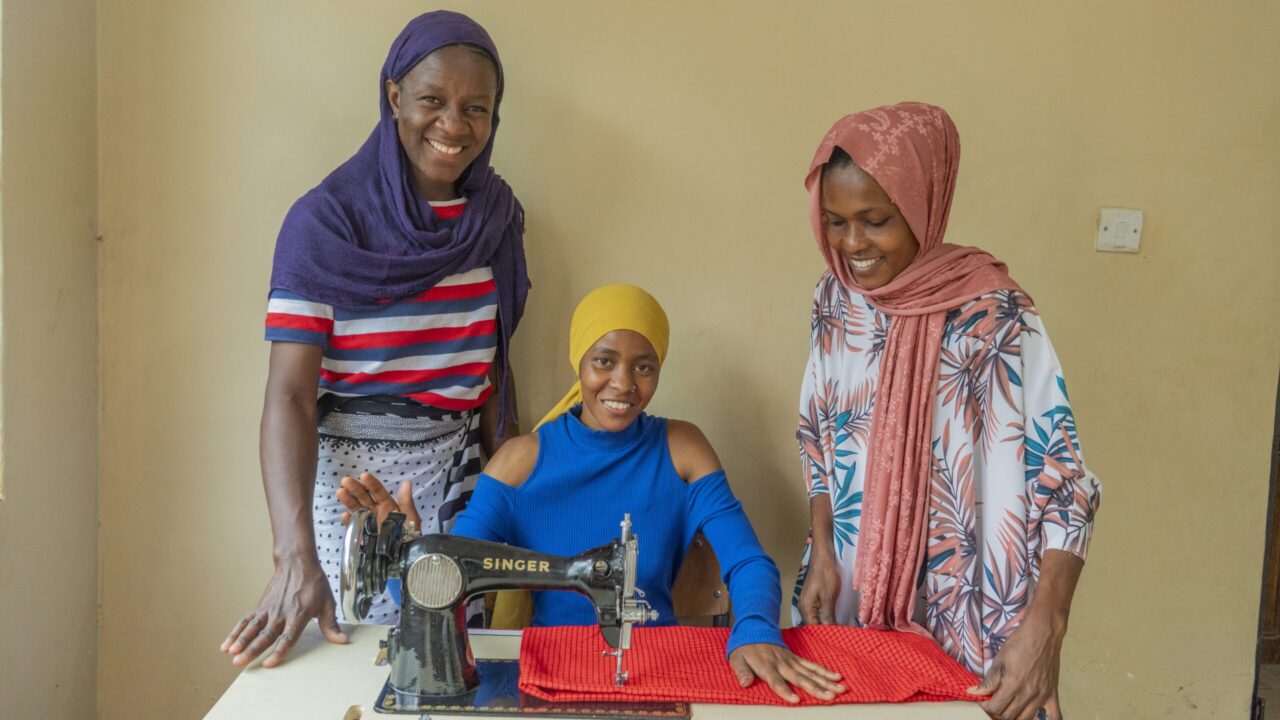
    The sewing training program teaches women to operate sewing machines, create patterns, and produce garments like kangas and school uniforms. This aligns with the skills component of the Six S’s and the WEPs’ education and training principle. Graduates receive sewing machines, ensuring access to resources and enabling them to start businesses, as seen in Zara Charity projects for Maasai women.

    Soap Making: Crafting Economic Independence

    Soap making, with low startup costs, is ideal for women with family responsibilities. Trainees produce high-quality soaps using local ingredients, supporting economic empowerment. Business training fosters decision-making in daily life, enabling women to market their products and contribute to social change, mirroring initiatives like the Asali Project by Zara Charity.

    Tailoring: Designing a Brighter Future

    women tailoring

    The tailoring course advances sewing training by teaching design and custom garment creation. This fosters self-worth and social participation as women create bespoke outfits for Moshi’s fashion market. Microloan access supports enterprise development, aligning with the WEPs and Zara Charity projects that promote entrepreneurship.

    Success Stories: Real-Life Empowerment in Moshi

    The centre’s impact shines through the stories of its first trainees, who embody the frameworks of women’s empowerment.

    Amina: From Housewife to Entrepreneur

    Amina, a 32-year-old mother, joined the sewing training and tailoring courses to gain self-confidence and economic stability. Her vibrant kangas have made her a local market star, supporting her family and elevating her social status. Her story reflects the right to determine choices and aligns with Zara Charity projects empowering Maasai women.

    Fatuma: Soap Making for a Sustainable Future

    Fatuma, a single mother, found economic empowerment through soap making. Her shea butter soaps are sold locally, and she employs two women, demonstrating community participation and sustainability. This mirrors the support and safety elements of the Six S’s and initiatives like the Asali Project.

    Josephine: A Tailor and Trailblazer

    Josephine, a former porter, used her tailoring skills to start a cooperative, embodying leadership and social change. Her business supports Moshi’s fashion industry, reflecting the enterprise development principle and freedom of movement dimension, similar to Zara Charity projects in vocational training.

    Challenges and Opportunities

    Challenges like funding and market saturation are addressed through partnerships with NGOs like Zara Charity and innovative marketing, ensuring sustainability. Expansion into digital literacy and handicrafts reflects the seven fundamental dimensions, including political and psychological empowerment, aligning with Zara Charity projects like the Asali Project.

    Support our movement today

    The Moshi Women Make a Change Training Center exemplifies how sewing training and vocational training for women embody the frameworks of women’s empowerment. By supporting initiatives like Zara Charity projects, through donations or advocacy, you can help women like Amina, Fatuma, and Josephine continue to learn, lead, and lift their communities. Visit Zara Charity or Give Heart to Africa to contribute to this transformative movement.


  • Meet Zara Charity: A Local Organization Helping People in Tanzania

    Meet Zara Charity: A Local Organization Helping People in Tanzania

    In the heart of Tanzania, a remarkable story of hope and transformation is unfolding, fueled by the unwavering commitment of Zara Charity. This organization is not just a name; it embodies a movement dedicated to empowering lives and uplifting communities. From education in Tanzania and healthcare in Tanzania to sustainable livelihoods in Tanzania, Zara Charity is igniting change at a grassroots level, fostering resilience and self-sufficiency among the most vulnerable populations. Each initiative is a testament to the power of compassion, aiming to break the cycle of poverty and create lasting impact. As we explore the inspiring journey of Zara Charity, we will uncover how their innovative programs and community partnerships are turning dreams into reality, one life at a time. Join us in discovering how this charity is shaping a brighter future for countless individuals, proving that together, we can transform not only communities but the very fabric of society itself.

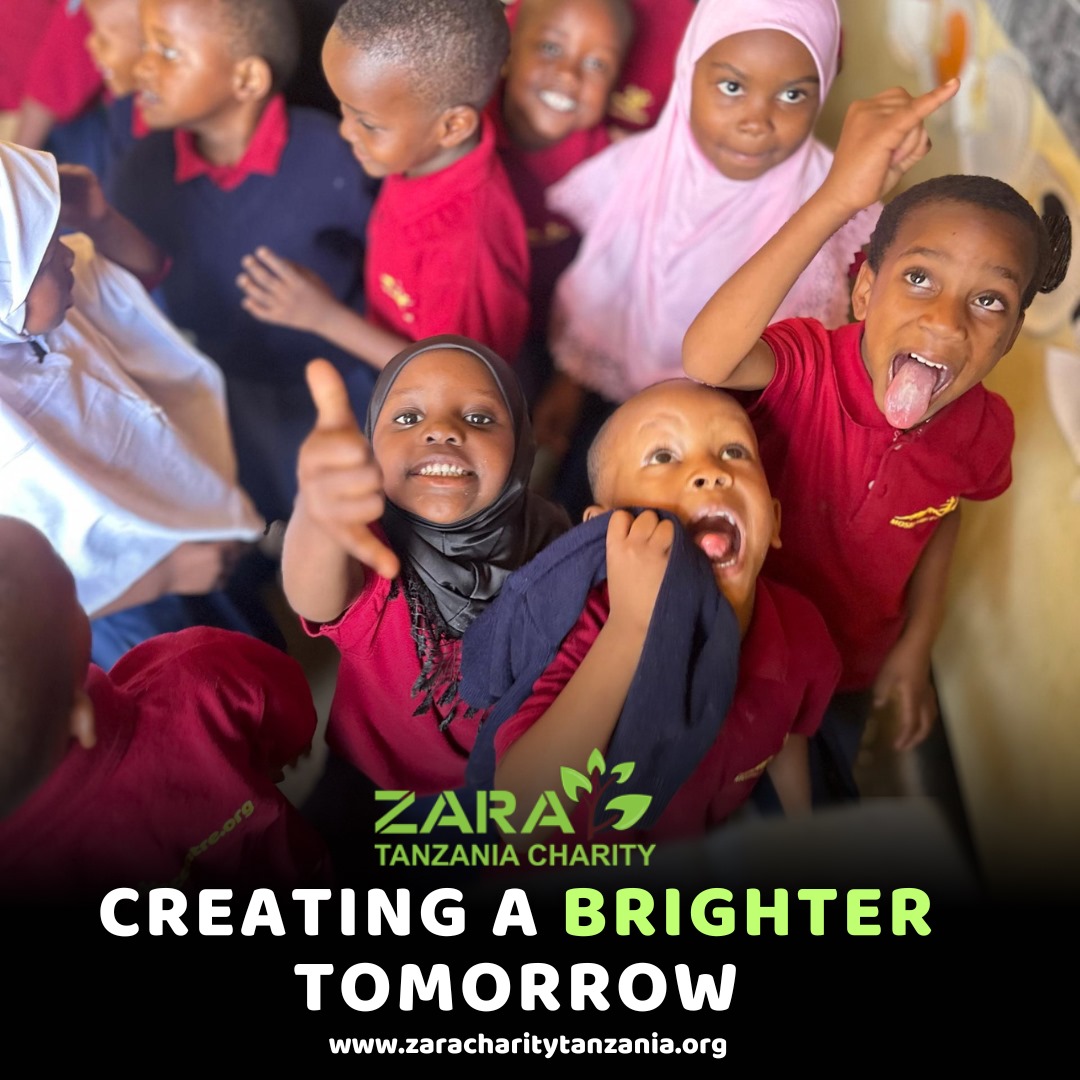
    Children smiling and learning at the Moshi Kids Centre in Tanzania, supported by Zara Charity’s education programs.
    bailey-torres

    The Mission and Vision of Zara Charity

    Zara Charity, based in Moshi, Tanzania, is driven by a mission to empower vulnerable populations through education, healthcare, and economic opportunities. Their vision is a Tanzania where every individual, regardless of background, has access to the tools needed for a self-sufficient, fulfilling life. By focusing on community development in Tanzania, Zara Charity addresses systemic challenges like poverty and limited resources, as detailed on their impact page. Through initiatives like the Moshi Kids Centre, they provide free education and nutrition to children aged 3–6, ensuring a strong foundation for future success. This mission aligns with their commitment to sustainable development in Tanzania, creating long-term change through community-led solutions.

    Key Programs and Initiatives

    Zara Charity’s programs are diverse, addressing critical needs across education, healthcare, and economic empowerment. The Moshi Kids Centre is a flagship initiative, offering Tanzania preschool programs that include play-based learning, literacy development, and daily nutritious meals. These efforts combat malnutrition and prepare children for formal schooling, breaking the cycle of poverty.

    In healthcare, Zara Charity supports community clinics and health education, improving access to healthcare in Tanzania for underserved populations. Their economic programs empower local entrepreneurs, particularly women, through skills training and microfinance. Partnerships with organizations like Volunteers Tanzania enhance these initiatives, providing volunteers to support child welfare programs in Tanzania and community projects.

    healthcare worker at a Zara Charity clinic
    bailey-torres-7pCWfxAf-wc-unsplash

    Impact on Education in Tanzania

    Education is a cornerstone of Zara Charity’s work, particularly through the Moshi Kids Centre. By offering free education in Tanzania for vulnerable children, including orphans in Tanzania, the centre addresses barriers like poverty and lack of access. Volunteers from Volunteers Tanzania’s internship program assist in teaching English, developing curricula, and fostering emotional learning for kids, which boosts confidence and resilience.

    The impact is measurable: children at the centre show improved literacy and numeracy skills, with many transitioning successfully to primary school. This aligns with global research showing that early childhood education reduces dropout rates and enhances lifelong opportunities. Zara Charity’s focus on nonprofit education in Africa ensures that every child in Moshi has a chance to thrive.

    Health and Well-being: Improving Access to Healthcare

    Zara Charity’s healthcare initiatives are transforming lives in Moshi. Their child nutrition programs in Tanzania provide daily meals at the Moshi Kids Centre, reducing malnutrition and supporting cognitive development. Community health programs, supported by volunteers, offer medical check-ups, vaccinations, and education on hygiene and disease prevention.

    These efforts address Tanzania’s healthcare challenges, such as limited facilities and personnel. By partnering with local clinics, Zara Charity ensures that vulnerable populations, including children and mothers, receive critical care. Volunteers Tanzania’s medical internships allow volunteers to contribute to healthcare volunteering in Africa, amplifying the impact of these programs.

    A child enjoying a nutritious meal at the Moshi Kids Centre, part of Zara Charity’s nutrition programs in Tanzania.

    Economic Empowerment: Supporting Local Entrepreneurs

    Economic empowerment is key to Zara Charity’s vision of sustainable livelihoods in Tanzania. Their programs train local entrepreneurs, particularly women, in skills like tailoring, farming, and business management. Microfinance initiatives provide seed funding, enabling individuals to start small businesses and achieve financial independence.

    These efforts create a ripple effect, strengthening families and communities. For example, a woman trained in tailoring can support her children’s education, contributing to Zara Charity’s broader goals. Volunteers from Volunteers Tanzania assist in these programs, teaching skills and supporting community workshops, ensuring sustainable economic growth.

    Community Engagement and Volunteer Opportunities

    Zara Charity thrives on community engagement, partnering with locals and international volunteers to drive change. Volunteers Tanzania’s internship program offers opportunities in volunteer opportunities in Tanzania, including teaching, childcare, and community development. Volunteers at the Moshi Kids Centre support Tanzania children’s education and childcare in Tanzania, working alongside local educators and caregivers.

    Community partnerships ensure programs are culturally relevant and sustainable. Zara Charity engages local leaders to identify needs, ensuring initiatives like Tanzania preschool programs meet community priorities. Volunteers bring fresh perspectives, enhancing projects and fostering cross-cultural understanding, as highlighted in Volunteers Tanzania’s news updates.

    Success Stories: Real Lives Changed

    The impact of Zara Charity’s work is best seen through real stories. Amina, a 5-year-old orphan, joined the Moshi Kids Centre facing malnutrition and delayed learning. Through child nutrition programs in Tanzania and emotional learning for kids, she now thrives, reading at grade level and dreaming of becoming a teacher. Her story reflects the transformative power of Zara Charity Tanzania.

    Another success is Grace, a mother who received microfinance training through Zara Charity. She started a small tailoring business, supporting her family and funding her children’s education. These stories, shared on Zara Charity’s impact page, highlight how small interventions create lasting change, empowering individuals and communities.

    How to Get Involved and Support Zara Charity

    You can join Zara Charity’s mission to transform lives in Moshi. Here’s how:

    Donate

    •  Contributions to Zara Charity fund meals, educational materials, and healthcare. A $25 donation can feed a child for a month at the Moshi Kids Centre.

    Volunteer:

    • Join Volunteers Tanzania’s internship program to teach, provide childcare, or support community projects. Opportunities range from short-term to long-term commitments.

    Raise Awareness

    •  Share Zara Charity’s mission on social media or with your network to inspire support for sustainable development in Tanzania.

    Visit Volunteers Tanzania and Zara Charity to learn more and start your journey.

    The Future of Zara Charity’s Impact

    Zara Charity is reshaping Tanzania’s future, one life at a time. Through education in Tanzania, healthcare in Tanzania, and sustainable livelihoods in Tanzania, they empower communities to break the cycle of poverty. The Moshi Kids Centre, supported by Volunteers Tanzania, exemplifies this impact, providing hope for vulnerable children. As Zara Charity expands its programs, their vision of a self-sufficient Tanzania grows closer. Join this movement to transform lives and build a brighter future for Moshi’s communities.

    A vibrant community celebration in Moshi, Tanzania, supported by Zara Charity’s community development initiatives.
    bailey-torres-2BGDeALswhM-unsplash
  • Why Zara Charity Is One of the Best Charities to Donate to in Africa

    Why Zara Charity Is One of the Best Charities to Donate to in Africa

    When it comes to making a meaningful impact in Africa, choosing the right charity can feel overwhelming. With so many organizations vying for your support, how do you know which one will use your donation effectively? Zara Charity, based in Tanzania, stands out as one of the best charities to donate to in Africa due to its transparent, community-driven approach and transformative programs in education, healthcare, women’s empowerment, and environmental conservation. This blog explores why Zara Charity is a trusted choice for donors looking to create lasting change in African communities.

    The Mission and Impact of Zara Charity

    zara charity volunteers

    Zara Charity, established in 2009 under Tanzania’s Non-Government Organization Act, is dedicated to empowering disadvantaged communities through sustainable initiatives. Operating primarily in Tanzania, the organization focuses on education, healthcare, women’s empowerment, and environmental conservation, addressing some of the most pressing challenges faced by underserved populations. What sets Zara Charity apart is its commitment to long-term sustainability and community involvement, ensuring that every donation creates a ripple effect of positive change.

    Since its inception, Zara Charity has transformed lives by building schools, supporting healthcare initiatives, empowering women, and protecting Tanzania’s rich biodiversity. By partnering with local communities, the organization ensures that its projects are tailored to the specific needs of the people it serves. Whether it’s providing scholarships for children, training healthcare workers, or supporting Maasai women with skills training, Zara Charity’s holistic approach makes it a standout choice for donors seeking to make a difference.

    Why Zara Charity Is a Top Choice for Donors

    1. Transparent and Efficient Use of Funds

    Transparent and Efficient Use of Funds

    One of the key reasons Zara Charity is considered among the best charities to donate to in Africa is its transparency. The organization provides clear reports on how donations are used, ensuring that funds directly support projects like building classrooms, funding medical facilities, and providing clean water. According to their website, donations are allocated to specific programs, such as sponsoring children’s education or supporting mobile clinics in rural areas, giving donors confidence that their contributions are making a tangible impact.

    2. Focus on Education for Empowerment

    Education is a cornerstone of Zara Charity’s mission. The organization believes that education is a powerful tool for breaking the cycle of poverty. They have built schools, provided learning materials, and offered scholarships to underprivileged children, particularly in rural Tanzania. For example, their work at the Moshi Kids Centre has created safe spaces for children to learn and grow. By prioritizing education, Zara Charity equips young people with the skills they need to build brighter futures, making it an excellent choice for donors passionate about youth development.

    3. Empowering Women and Marginalized Groups

    asali project

    Zara Charity places a strong emphasis on women’s empowerment, particularly among the Maasai community. Their programs provide women with education, vocational training, and economic opportunities, helping them overcome traditional barriers and achieve financial independence. Initiatives like skills training in business and crafts enable women to start their own businesses, supporting their families and communities. By addressing gender inequality, Zara Charity creates sustainable change that benefits entire communities, making it a compelling option for donors focused on women’s rights.

    4. Commitment to Healthcare Access

    Access to healthcare is a critical need in rural Tanzania, where medical facilities are often scarce. Zara Charity addresses this by funding mobile clinics, training healthcare workers, and providing essential medicines. Their initiatives have improved health outcomes in underserved areas, tackling issues like malaria and maternal mortality. For instance, their support for the Watoto Wa Africa Orphanage in Mwanza has ensured that vulnerable children receive proper medical care. Donors looking to support health initiatives will find Zara Charity’s work impactful and well-executed.

    5. Environmental Conservation and Sustainable Tourism

    Zara Charity’s commitment to environmental conservation sets it apart from many other organizations. Through projects like the Asali beekeeping initiative, launched in 2022, they promote sustainable livelihoods while protecting Tanzania’s natural resources. Their focus on sustainable tourism ensures that local communities benefit economically without harming the environment. This dual focus on community empowerment and environmental stewardship makes Zara Charity a unique choice for eco-conscious donors.

    How Your Donation Makes a Difference

    Every donation to Zara Charity directly supports life-changing programs. Here’s how your contribution can create impact:

    • Education: Funds school construction, learning materials, and scholarships, enabling children to access quality education.

    • Healthcare: Supports mobile clinics, medical supplies, and training for healthcare workers, improving health outcomes in rural areas.

    • Women’s Empowerment: Provides vocational training and economic opportunities for women, fostering financial independence.

    • Conservation: Protects Tanzania’s biodiversity through sustainable projects like beekeeping and reforestation.

    By donating to Zara Charity, you’re not just giving money—you’re investing in the future of Tanzanian communities. Their locally-led initiatives ensure that your contribution addresses real needs, creating sustainable change that lasts for generations.

    Why Tanzania Needs Your Support

    Tanzania faces significant challenges, including poverty, limited access to education, and inadequate healthcare infrastructure. Over 26% of Tanzanians live below the international poverty line, and many rural communities lack basic services like clean water and medical care. Women and children are particularly vulnerable, with girls often facing barriers to education due to cultural norms or economic hardship. By supporting Zara Charity, you help address these systemic issues, empowering communities to break free from poverty and build resilient futures.

    How to Get Involved

    Zara Charity offers multiple ways to contribute, making it easy for donors to get involved:

    • Donate Now: Make a one-time or recurring donation to support Zara Charity’s programs. Every dollar goes directly to their initiatives, ensuring maximum impact.
    • Sponsor a Project: Choose a specific project, such as building a classroom or funding a mobile clinic, to see your donation in action.
    • Volunteer: Join Zara Charity’s volunteer programs to work directly with communities in Tanzania.
    • Spread Awareness: Share Zara Charity’s mission on social media or with friends to amplify their impact.

    Their website provides a user-friendly platform to donate or learn more about their projects, ensuring that you can contribute in a way that aligns with your values.

    Comparing Zara Charity to Other African Charities

    While many organizations do excellent work in Africa, Zara Charity’s localized approach and diverse focus areas make it a top contender. Unlike larger charities that may have high administrative costs, Zara Charity operates with minimal overhead, ensuring that donations go directly to those in need. Their programs are community-driven, meaning they work closely with locals to identify and address specific challenges, unlike some organizations that impose external solutions.

    For example, organizations like ForAfrika and Bread and Water for Africa also focus on education and healthcare, but Zara Charity’s emphasis on women’s empowerment and sustainable tourism adds a unique dimension. Additionally, their long-standing presence in Tanzania since 2009 gives them deep community ties, ensuring that projects are both impactful and sustainable.

    FAQ

    Why is Zara Charity considered one of the best charities to donate to in Africa?

    Zara Charity stands out due to its transparent use of funds, community-driven programs, and focus on education, healthcare, women’s empowerment, and environmental conservation. Their initiatives are tailored to the needs of Tanzanian communities, ensuring sustainable impact.

    How does Zara Charity use donations?

    Donations fund specific programs like building schools, supporting mobile clinics, providing scholarships, and empowering women through vocational training. The organization provides clear reports on how funds are allocated.

    Can I volunteer with Zara Charity?

    Yes, Zara Charity offers volunteer opportunities in Tanzania, allowing you to work directly with communities on projects like education and conservation.

    What makes Zara Charity different from other African charities?

    Zara Charity’s localized approach, minimal administrative costs, and diverse focus areas, including sustainable tourism and women’s empowerment, set it apart from larger organizations.

    How can I donate to Zara Charity?

    You can donate through their website, choosing a one-time or recurring donation, or sponsor a specific project like a classroom or healthcare initiative.


    donate now

    Zara Charity is a beacon of hope for Tanzanian communities, making it one of the best charities to donate to in Africa. Their commitment to education, healthcare, women’s empowerment, and environmental conservation, combined with their transparent and community-driven approach, ensures that every donation creates lasting change. Whether you’re passionate about empowering women, educating children, or protecting the environment, Zara Charity offers a meaningful way to make a difference.

    Donate Now or Sponsor a Project today to join Zara Charity in transforming lives and building a brighter future for Tanzania. Visit their website to learn more and take the first step toward creating a lasting impact.

  • Zara Charity’s Approach to Sustainable Farming & Food Security in Tanzania

    Zara Charity’s Approach to Sustainable Farming & Food Security in Tanzania

    Tanzania’s agricultural sector is the cornerstone of its economy, employing over 65% of the population and contributing approximately 25% to the national GDP. Despite its significance, the sector faces numerous challenges, including low productivity, climate variability, limited access to modern inputs, and post-harvest losses. These issues threaten food security and the livelihoods of millions of smallholder farmers. Zara Charity, a dedicated organization working in Tanzania, is addressing these challenges through innovative projects that enhance farming techniques, promote food security, and provide comprehensive agricultural training programs. By partnering with initiatives like Volunteers Tanzania (https://www.volunteerstanzania.com/), Zara Charity is driving sustainable agricultural development and empowering communities across regions such as Arusha, Dodoma, Morogoro, and Mwanza. This article explores Zara Charity’s transformative work, detailing their initiatives and their impact on Tanzanian agriculture.

    The Agricultural Landscape in Tanzania

    The Agricultural Landscape in Tanzania

    Agriculture in Tanzania is predominantly smallholder-based, with farmers cultivating an average of 1-2 hectares of land. Major crops include maize, rice, cassava, sorghum, and millet, while cash crops like coffee, tea, and cashew nuts contribute to export earnings. Livestock rearing, fishing, and horticulture also play significant roles in rural economies. However, challenges such as erratic rainfall, soil degradation, limited access to credit, and outdated farming practices hinder productivity. These factors exacerbate food insecurity, with over 20% of Tanzanian households facing moderate to severe food insecurity, particularly in rural areas.

    The Tanzanian government has prioritized agricultural development through initiatives like Kilimo Kwanza (Agriculture First) and the Agricultural Sector Development Programme (ASDP). These policies aim to modernize farming, improve infrastructure, and enhance market access. However, grassroots implementation remains a challenge, particularly for remote communities. This is where organizations like Zara Charity step in, bridging gaps through community-driven projects that align with national goals while addressing local needs.

    Zara Charity’s Mission and Approach

    Zara Charity is a non-profit organization dedicated to sustainable development in Tanzania, with a strong focus on agriculture as a pathway to economic empowerment and food security. Their mission is to equip smallholder farmers with the tools, knowledge, and resources needed to thrive in a changing environment. By emphasizing innovation, inclusivity, and environmental stewardship, Zara Charity ensures that its projects are both impactful and sustainable. Their collaboration with Volunteers Tanzania (https://www.volunteerstanzania.com/) amplifies their reach, engaging international volunteers to support on-the-ground efforts and foster cross-cultural knowledge exchange.

    Zara Charity’s approach is holistic, addressing the interconnected challenges of low productivity, food insecurity, and limited access to education. Their programs are tailored to the unique needs of Tanzanian communities, with a particular focus on empowering women and youth, who are often marginalized in agricultural systems. By integrating modern farming techniques, food security initiatives, and training programs, Zara Charity is transforming lives and building resilient communities.

    Projects to Improve Farming Techniques

    Projects to Improve Farming Techniques

    Zara Charity’s initiatives to enhance farming techniques focus on sustainable, climate-smart practices that increase productivity while preserving natural resources. These projects are designed to address the specific challenges faced by Tanzanian farmers, such as unpredictable weather, soil degradation, and limited access to inputs. Below are some of their key efforts:

    1. Sustainable Farming Training

    Zara Charity organizes workshops and training sessions to introduce farmers to agroecological practices that improve soil health and crop yields. These include:

    • Crop Rotation and Intercropping: Farmers are trained to rotate crops and intercrop complementary plants, such as maize with legumes, to enhance soil fertility and reduce pest pressure. These practices minimize the need for chemical fertilizers, which are often unaffordable for smallholder farmers.

    • Organic Composting: Zara Charity teaches farmers to create compost from locally available materials, such as crop residues and animal manure. This reduces input costs and improves soil structure, leading to higher yields.

    • Conservation Agriculture: Techniques like minimum tillage and cover cropping are promoted to reduce soil erosion and retain moisture, particularly in semi-arid regions like Dodoma and Singida.

    These training programs are often conducted in collaboration with Volunteers Tanzania, whose volunteers work alongside local farmers to implement these practices https://www.volunteerstanzania.com/.

    2. Drought-Resistant Crops and Seed Systems

    Climate change has made rainfall patterns increasingly unpredictable, threatening crop production in Tanzania. Zara Charity addresses this by promoting drought-tolerant crops like sorghum, millet, and improved varieties of maize. They work with agricultural research institutions to distribute certified seeds that are resilient to drought and pests. Additionally, Zara Charity establishes community seed banks, which serve as village-based seed multipliers. These banks ensure that farmers have access to high-quality, affordable seeds, reducing reliance on external suppliers and enhancing crop diversity.

    3. Efficient Irrigation and Water Management

    Water scarcity is a major barrier to agricultural productivity in Tanzania. Zara Charity introduces cost-effective irrigation technologies, such as:

    • Drip Irrigation Systems: These systems deliver water directly to plant roots, minimizing waste and maximizing efficiency. They are particularly effective for horticulture crops like tomatoes and onions.

    • Treadmill Pumps: These human-powered pumps provide an affordable solution for smallholder farmers, enabling them to irrigate fields during dry seasons.

    • Rainwater Harvesting: Zara Charity constructs small-scale water storage systems, such as ponds and tanks, to capture rainwater for use during dry periods.

    By partnering with Volunteers Tanzania, Zara Charity leverages volunteer expertise to install and maintain these systems, ensuring long-term functionality https://www.volunteerstanzania.com/.

    sustainable farming

    4. Mechanization and Technology Adoption

    To reduce labor burdens and improve efficiency, Zara Charity introduces appropriate technologies, such as hand-held planters and solar-powered pumps. They also promote mobile apps that provide farmers with real-time data on weather, market prices, and pest management. These tools empower farmers to make informed decisions, increasing productivity and profitability.

    Food Security Projects

    Food security remains a critical issue in Tanzania, with millions of households struggling to access sufficient, nutritious food. Zara Charity’s food security projects aim to address hunger and malnutrition by strengthening local food systems and empowering communities. Key initiatives include

    1. Community Seed Banks

    As mentioned earlier, Zara Charity’s seed banks play a dual role in improving farming techniques and ensuring food security. By providing access to diverse, high-quality seeds, these banks enable farmers to grow a variety of crops, including nutrient-rich vegetables and legumes. This diversity enhances household nutrition and reduces vulnerability to crop failures.

    2. Women and Youth Empowerment

    Women and youth are central to Zara Charity’s food security strategy. Women, who make up a significant portion of Tanzania’s agricultural workforce, often lack access to land, credit, and training. Zara Charity addresses this through:

    • Horticulture Training: Women are trained to grow high-value crops like tomatoes, onions, and leafy greens, which provide both food and income.

    • Poultry Farming: Small-scale poultry projects offer a reliable source of protein and income, particularly for women-headed households.

    • Beekeeping: Zara Charity supports beekeeping initiatives, which provide honey for consumption and sale, contributing to both nutrition and economic empowerment.

    Youth are engaged through agribusiness programs that teach entrepreneurial skills, such as value addition and marketing. These initiatives create employment opportunities and reduce rural-urban migration.

    3. Post-Harvest Loss Reduction

    Post-harvest losses account for up to 30% of crop production in Tanzania, exacerbating food insecurity. Zara Charity introduces technologies like:

    • Metal Silos: These airtight storage units protect grains from pests and moisture, extending shelf life.

    • Solar Dryers: Used for fruits and vegetables, solar dryers preserve produce for off-season consumption and sale.

    • Improved Drying Techniques: Farmers are trained to dry crops on raised platforms, reducing contamination and spoilage.

    Volunteers from Volunteers Tanzania assist in constructing storage facilities and training farmers on these technologies, ensuring widespread adoption (https://www.volunteerstanzania.com/).

    4. Nutrition Education

    Zara Charity integrates nutrition education into its programs, teaching communities to prepare balanced meals using locally available crops and livestock products. This is particularly important in addressing malnutrition among children and pregnant women. Workshops cover topics like dietary diversity, food preservation, and the importance of micronutrients.

    Agricultural Training Programs

    Training is at the heart of Zara Charity’s mission, equipping farmers with the skills needed to adapt to modern challenges. Their agricultural training programs are practical, community-driven, and inclusive, ensuring that all farmers, regardless of education level, can benefit. Key programs include:

    1. Agribusiness Incubation Centers

    Inspired by Kilimo Kwanza, Zara Charity’s agribusiness incubation centers support youth-led enterprises. These centers provide:

    • Mentorship: Experienced farmers and business experts guide young entrepreneurs in developing viable agribusinesses.
    • Financial Literacy: Training on budgeting, savings, and accessing microfinance helps farmers scale their operations.
    • Market Access: Zara Charity connects farmers to local and regional markets, ensuring fair prices for their produce.

    These centers are particularly active in urbanizing areas like Dar es Salaam and Arusha, where youth unemployment is high.

    2. Farmer Field Schools

    In collaboration with organizations like the Food and Agriculture Organization (FAO), Zara Charity facilitates farmer field schools (FFS). These schools provide hands-on training in:

    • Integrated Pest Management (IPM): Farmers learn to use biopesticides and natural predators to control pests, reducing reliance on harmful chemicals.
    • Soil Testing and Fertilizer Use: Simple soil testing kits help farmers optimize fertilizer application, improving yields and reducing costs.
    • Crop Diversification: Farmers experiment with new crops and varieties, increasing resilience to climate shocks.

    Volunteers Tanzania supports FFS by providing trainers and resources, enhancing the program’s reach (https://www.volunteerstanzania.com/).

    3. Climate-Smart Agriculture Workshops

    Climate change poses a significant threat to Tanzanian agriculture. Zara Charity’s workshops focus on:

    • Precision Agriculture: Farmers are trained to use data-driven techniques, such as soil moisture sensors, to optimize resource use.

    • Climate-Resilient Practices: Techniques like agroforestry and mulching are promoted to mitigate the effects of drought and flooding.

    • Mobile Technology: Apps like M-Kilimo provide farmers with weather forecasts, pest alerts, and market information, enabling proactive decision-making.

    4. Leadership and Advocacy Training

    To ensure the sustainability of their programs, Zara Charity trains community leaders to advocate for agricultural development. These leaders work with local governments to secure funding, improve infrastructure, and promote policies that support smallholder farmers.

    Impact and Scalability

    Zara Charity’s initiatives have had a profound impact on Tanzanian communities. In regions like Morogoro and Mwanza, farmers report yield increases of up to 30% after adopting sustainable practices. Community seed banks have empowered over 5,000 farmers with access to quality seeds, while irrigation projects have transformed arid lands into productive fields. Women and youth, in particular, have benefited from income-generating activities, with many starting successful agribusinesses.

    The collaboration with Volunteers Tanzania has been instrumental in scaling these efforts. Volunteers bring diverse skills, from engineering to education, and their involvement ensures that projects are implemented efficiently. By engaging international volunteers, Zara Charity also fosters global awareness of Tanzania’s agricultural challenges and opportunities https://www.volunteerstanzania.com.

    Challenges and Future Directions

    Despite their successes, Zara Charity faces challenges, including limited funding, logistical barriers in remote areas, and resistance to new technologies among some farmers. To address these, they are exploring partnerships with private companies and international donors to secure funding. They are also investing in digital platforms to deliver training remotely, reaching more farmers in underserved areas.

    Looking ahead, Zara Charity aims to expand its programs to additional regions, such as Lindi and Ruvuma, where agricultural potential remains untapped. They also plan to integrate renewable energy solutions, like solar-powered irrigation, to further enhance sustainability. By continuing to collaborate with Volunteers Tanzania, Zara Charity will leverage volunteer expertise to drive innovation and impact.

    Get Involved with Zara Charity and Volunteers Tanzania

    Zara Charity’s work is a testament to the power of community-driven development. By combining innovative farming techniques, food security initiatives, and comprehensive training, they are transforming Tanzania’s agricultural landscape. For those inspired to contribute, Volunteers Tanzania offers opportunities to work directly with Zara Charity’s projects, from building irrigation systems to teaching farming techniques (https://www.volunteerstanzania.com/).


    join us

    Join Zara Charity and Volunteers Tanzania to support sustainable agriculture and empower Tanzanian farmers. Whether you’re a volunteer, donor, or advocate, your contribution can make a lasting difference. Visit https://www.volunteerstanzania.com/ to learn more and get involved today.