Author: Dev

  • Why Volunteer with Zara Charity in Tanzania?

    Why Volunteer with Zara Charity in Tanzania?

    Volunteering in Tanzania offers a unique opportunity to engage with vibrant communities, immerse yourself in rich cultural traditions, and contribute to sustainable development. Zara Charity, a leading organization in Arusha and Moshi, empowers volunteers to make a tangible difference through programs in education, childcare, women’s empowerment, and healthcare. By partnering with initiatives like the Moshi Kids Centre, Zara Charity transforms lives while fostering personal growth for volunteers. This blog dives into the experiences of international and local volunteers, highlighting the mutual benefits of volunteering and its profound impact on both individuals and Tanzanian communities. Whether you’re considering a volunteer journey or seeking inspiration, read on to explore how you can join this transformative movement through Volunteers Tanzania.

    Volunteer Stories: Real Impact in Tanzania

    Zara Charity’s programs attract a diverse group of volunteers, from international adventurers to local changemakers, each contributing unique skills to projects like those at the Moshi Kids Centre. Below are inspiring stories from volunteers who have left their mark on Tanzania and returned home transformed.

    Anna from Australia: Empowering Children Through Education

    Anna, a 27-year-old primary school teacher from Sydney, joined Zara Charity’s education program at the Moshi Kids Centre. “I wanted to use my teaching skills to make a difference,” she says. “At Moshi Kids Centre, I taught English and math to children aged 6–12. Their enthusiasm, despite limited resources, was humbling. I also organized storytelling sessions, which sparked their creativity and confidence.”

    Anna’s work helped over 30 children improve their literacy skills, enabling them to pursue better educational opportunities. Beyond teaching, she immersed herself in Tanzanian culture, learning Swahili phrases and visiting local Maasai markets. “Volunteering taught me resilience and adaptability,” Anna reflects. “I returned home with a deeper appreciation for education’s role in breaking poverty cycles and a commitment to advocate for global equity.

    Emmanuel from Moshi: Building a Stronger Community

    Emmanuel, a 32-year-old community organizer from Moshi, volunteered with Zara Charity’s women’s empowerment program. “As a Tanzanian, I wanted to uplift my community,” he shares. “Zara Charity’s handicraft training program allowed me to teach women in my village how to create jewelry and textiles for sale. Watching them gain financial independence was incredibly rewarding.”

    Emmanuel’s efforts empowered 25 women to start small businesses, supporting their families and stimulating the local economy. His volunteer experience also fostered personal growth. “I honed my leadership and communication skills, which I now use in my community work,” he says. “Collaborating with international volunteers broadened my perspective and inspired me to think globally about development solutions.”

    Maria from Germany: A Healthcare Mission

    Maria, a 21-year-old medical student from Munich, volunteered in Zara Charity’s healthcare program. “I assisted in a rural clinic near Arusha, educating families about hygiene and nutrition,” she explains. “It was challenging to work with limited resources, but the gratitude from the community made it worthwhile. I also supported health screenings at the Moshi Kids Centre, ensuring children received basic medical care.”

    Maria’s work reached over 100 families, raising awareness about preventable diseases. The experience clarified her career goals. “Volunteering solidified my passion for global health,” she says. “I learned to communicate across cultures and gained practical skills that will shape my medical career.”

    Children learning in a classroom at Moshi Kids Centre, Tanzania, during a Zara Charity volunteer program
    Children learning in a classroom at Moshi Kids Centre, Tanzania, during a Zara Charity volunteer program

    Mutual Benefits of Volunteering: A Win-Win Journey

    Volunteering with Zara Charity creates a powerful exchange of benefits, enriching both volunteers and Tanzanian communities. Here’s how this transformative experience impacts everyone involved.

    Benefits for Volunteers

    • Cultural Immersion: Volunteers live in Arusha or Moshi, engaging with Tanzanian traditions like Maasai dances and local cuisine. Exploring landmarks like Mount Kilimanjaro or Serengeti National Park adds adventure to the experience. This immersion fosters cultural sensitivity and global awareness.
    • Skill Development: Volunteers gain practical skills tailored to their program. Teachers like Anna enhance curriculum design, while medical volunteers like Maria gain hands-on clinical experience. Leadership, teamwork, and problem-solving skills are common takeaways.
    • Personal Growth: Stepping into new environments builds resilience and confidence. Volunteers often report a renewed sense of purpose, with many, like Maria, discovering or refining career paths.
    • Global Connections: Working with a diverse group of volunteers fosters lifelong friendships and professional networks, opening doors to future opportunities.
    Benefits for Tanzanian Communities
    • Education: Programs at the Moshi Kids Centre provide English, math, and creative learning opportunities, equipping children with skills for better job prospects. Over 600 children have benefited from improved literacy and numeracy.
    • Economic Empowerment: Women’s programs teach skills like handicraft production, enabling sustainable income. Over 150 women have launched small businesses through Zara Charity’s initiatives.
    • Healthcare Access: Volunteers support clinics, raising awareness about hygiene, nutrition, and disease prevention. This has reduced the incidence of preventable illnesses in rural areas.
    • Infrastructure Development: Community projects, such as building classrooms or water systems, enhance local facilities, benefiting entire villages.

    By volunteering with Zara Charity, you contribute to sustainable change while embarking on a journey of personal transformation. Explore opportunities at Volunteers Tanzania.

    Zara Charity empowerment workshop in Tanzania

    The Impact: Personal Growth and Community Development

    Personal Growth Through Volunteering

    Volunteering with Zara Charity is a catalyst for personal transformation. Volunteers often experience:

    • Increased Empathy: Working with communities facing challenges like poverty fosters compassion and a deeper understanding of global issues.
    • Adaptability and Resilience: Navigating Tanzania’s relaxed “polepole” lifestyle and resource constraints teaches patience and creative problem-solving.
    • Career Clarity: Many volunteers discover or refine their career goals. For instance, Maria’s healthcare experience inspired her to pursue global health, while Anna’s teaching reinforced her commitment to education equity.
    Community Development in Tanzania

    Zara Charity’s programs align with sustainable development goals, creating lasting impact:

    • Education: Volunteer-led classes at the Moshi Kids Centre have improved literacy and numeracy for over 600 children, paving the way for better educational and job opportunities.
    • Economic Growth: Women’s empowerment programs have enabled over 150 women to start businesses, supporting families and stimulating local economies.
    • Healthcare: Health education initiatives have reached thousands, reducing preventable diseases through better hygiene and nutrition practices.
    • Infrastructure: Projects like classroom construction and water system installations have enhanced community facilities, benefiting future generations.

    These efforts reflect Zara Charity’s commitment to empowering Tanzanian communities through locally-led, sustainable initiatives. Join the movement at Volunteers Tanzania.

  •  Innovative Solutions to Water Scarcity in Tanzanian Communities

     Innovative Solutions to Water Scarcity in Tanzanian Communities

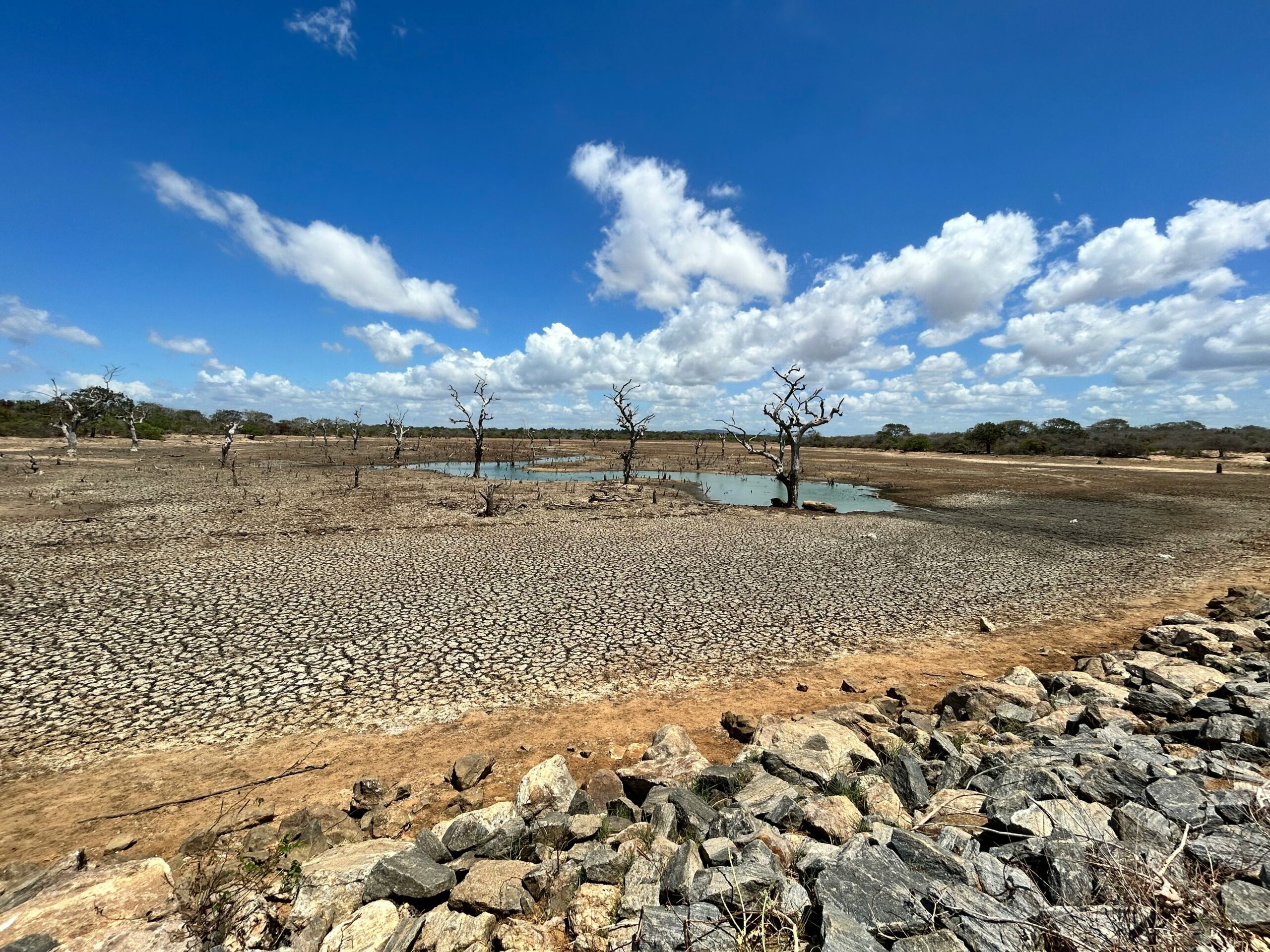
    Water scarcity is a mounting crisis across rural Tanzania—especially in semi-arid northern districts like Ngorongoro. With climate change triggering erratic rainfall, slower recharge of aquifers, and drying rivers, communities face daily struggles to access safe water for drinking, sanitation, and livestock . In regions such as Ngorongoro and Longido, pastoralist Maasai families can spend entire days walking miles just to fetch limited and unsafe water.

    But innovative, community-centered solutions are rising to meet these urgent needs—boosting education, health, and livelihoods while protecting cultural heritage and wildlife reserves.

    •  

    Ngorongoro Maasai Pre‑School Water Project

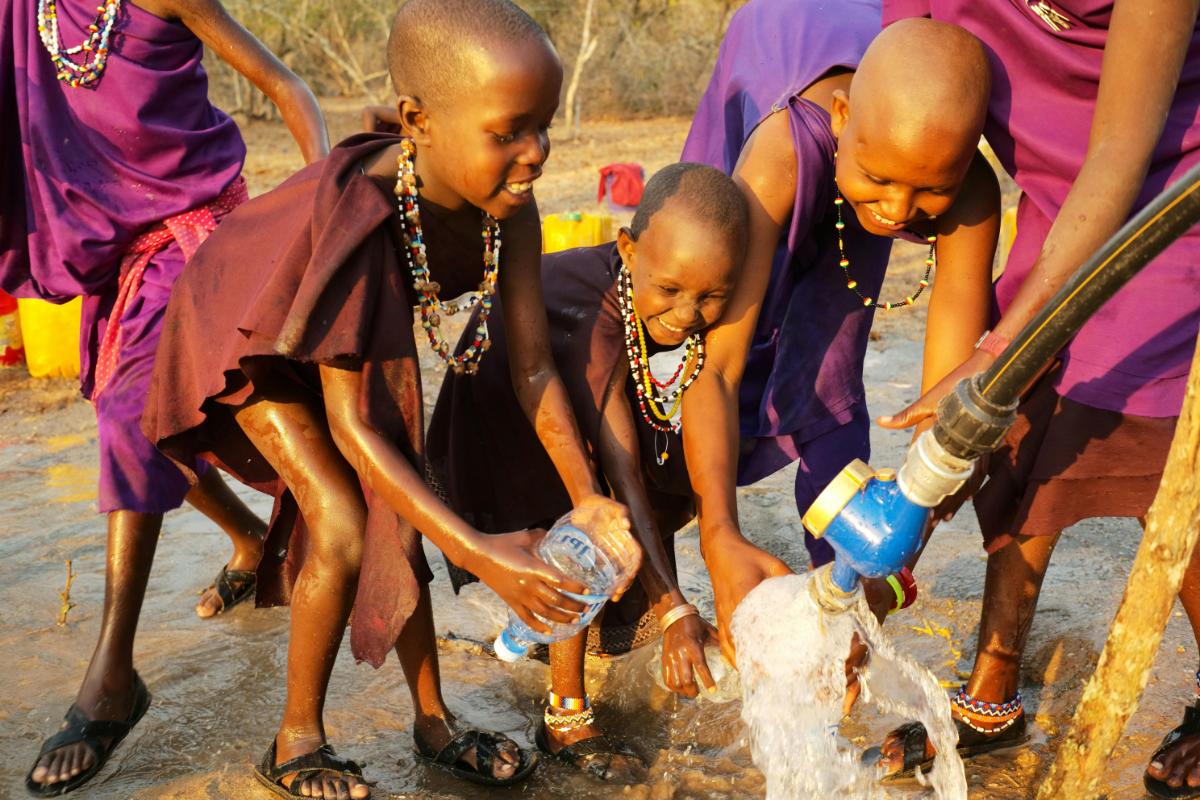
     Led by Zara Charity Tanzania, this initiative drilled a deep well and installed taps at a rural pre-school. Before, locals trekked long distances to fetch unclean water—causing infectious diseases like cholera and typhoid (zaracharitytanzania.org).

    Key outcomes:

    • Children now have clean water for drinking, toilets, and handwashing—a safer, healthier learning environment.
    • The time saved boosts school attendance and allows parents to focus on livelihoods.
    • Community training ensures long-term maintenance and ownership (zaracharitytanzania.org, pastoralwomenscouncil.org, en.wikipedia.org).

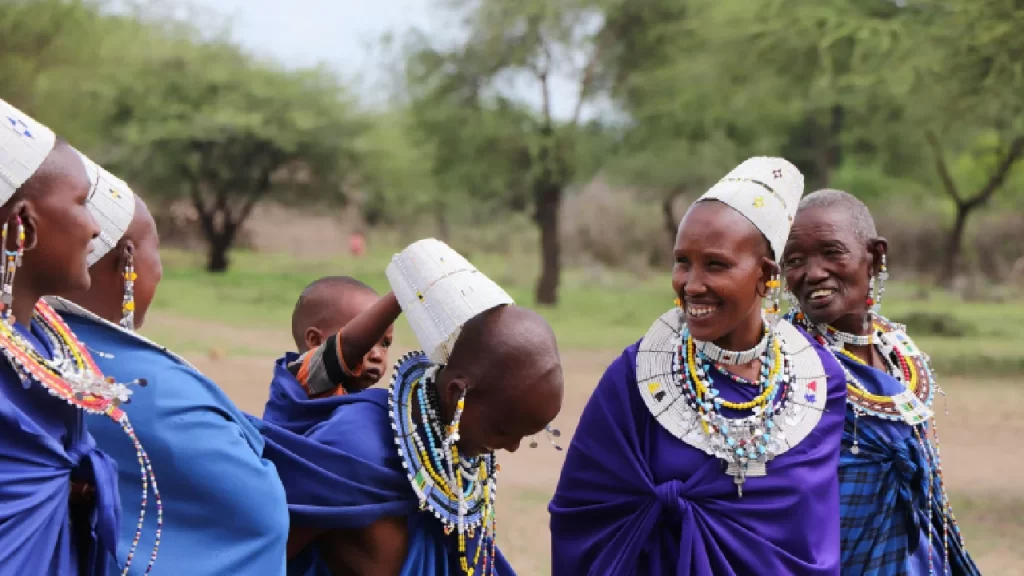
    masaai women

    Boreholes & Women’s Empowerment

    Pastoral Women’s Council and One Day’s Wages funded two deep boreholes serving ~3,500 Maasai women. This dramatically reduces water-fetching time—freeing women to pursue income‑generating activities and pursue education .

    This aligns with NCAA’s strategy to install boreholes, pipelines, and shallow wells benefiting schools, clinics, livestock, and households across the conservation area .

    Community Deep Wells for Livestock & Livelihoods

    PALISEP, supported by CESO and UNDP’s GEF grants, constructed two wells in Ngorongoro villages—benefiting ~20,000 residents and 30,000 cattle .

    Benefits:

    • Stable water for humans and livestock improves health and food security.
    • Women can engage in beekeeping, honey production, and vegetable farming.
    • Local capacity building teaches wells construction and management.

    water
    water

    Rainwater Harvesting & Drip Irrigation

    SMART Centre and Rikolto are installing rainwater harvesting systems and solar‑powered drip irrigation to strengthen community resilience, especially in erratic rainfall zones like Meru and Rungwe .

    • Schools, households, and farms harvest rain during the wet season and use drip irrigation to conserve water.
    • Local water committees are trained to manage and maintain systems.


    High-Tech Nanofilters

    Professor Askwar Hilonga from NM-AIST designed a NanoFilter: a sand‑and‑nanomaterial composite that removes 99.999% of bacteria, viruses, and heavy metals .

    • Provides safe drinking water from infected or fluoride-rich sources.
    • Awarded the Africa Prize for Engineering Innovation.
    • Easily replicated in schools and clinics across Tanzania.

    NGC and Sustainable Community Projects

    The Ngorongoro Conservation Area Authority (NCAA) supports water supply for schools, clinics, communities, and livestock. The Community Development department oversees geophysical surveys and installs boreholes, dams, wells, and pipelines .

    They also run beekeeping, scholarship and health programs—reinforcing integrated, sustainable development .

    ✅ Why These Solutions Work

    Pillar

    Benefit

    Technology

    Rain-harvest, drip-irrigation, nanotech filters improve access & quality

    Community Ownership

    Training water committees ensures maintenance & local leadership

    Gender Equity

    Women gain time and safety, fueling economic transformation

    Health & Education

    Clean water reduces disease, boosts school attendance and performance

    Livelihood & Livestock

    Water access safeguards herds and enables alternate incomes

    Scaling & Future Outlook

    NCAA plans to expand boreholes and water infrastructure across conservation areas (en.wikipedia.org, onedayswages.org).

    • SMART Centre’s strategy extends to more Tanzanian schools and farms (cntraveler.com).
    • Innovation: Africa’s solar-powered water pumps and drip systems offer replicable models (en.wikipedia.org).
    • Governments & donors should support deep-well and solar irrigation infrastructure.
    • NGOs must continue capacity‑building—focusing on sustainability and gender equity.
    • Edu-tech developers can integrate nanotechnologies for scalable safe-water access.
    • Global investors can prioritize projects that uplift pastoralist and indigenous communities.

     Final Thoughts

    Innovative water projects—from Maasai pre-school wells to nano‑filters and solar irrigation—are reshaping the narrative of water scarcity in northern Tanzania. These community-driven, sustainable solutions empower Maasai families, enhance education, health, and livelihoods, and support conservation goals. With continued investment and collaboration, we can ensure clean water becomes a reality—not a privilege—for all Tanzanian communities.

  • How Tree Planting Contributes to Sustainable Tourism.

    How Tree Planting Contributes to Sustainable Tourism.

    : Planting the Seeds of a Greener Journey

    In today’s world, travel is more than just visiting places; it’s about experiencing the planet in ways that honor, restore, and celebrate it. Nature-rich surroundings, ranging from towering forests to foggy mountains and sun-dappled pathways, are among the most sought-after visitor experiences around the world. But how can these habitats remain enchanting for future generations? The solution is firmly embedded—literally—in the act of planting trees.
    Tree planting is more than just an environmental gesture; it is a critical component of sustainable tourism, providing immense ecosystem health, increasing tourist attraction to destinations, and minimizing long-term environmental impacts. In Tanzania, companies like Zara Tours and Zara Charity are setting a good example by combining adventure with advocacy, enjoyment and repair.


    Projects to Improve Farming Techniques

    What is Sustainable Tourism?

    Sustainable tourism is defined as tourism that serves the requirements of current tourists and host communities while both safeguarding and expanding opportunities for future generations. Its goal is to manage all resources such that economic, social, and aesthetic requirements are met while preserving cultural integrity, critical ecological processes, and biological diversity.
    To put it simply, sustainable tourism improves rather than degrades destinations.
    It’s not only about using less plastic or staying in eco-lodges. It entails preserving and improving the landscapes that attract visitors, such as mountains, forests, and coasts. What better way to accomplish this than by planting trees?

    trees

    Tree Planting Benefits: Healing Nature, One Sapling at a Time

    1. Climate Regulation Through Carbon Sequestration

    A mature tree can absorb more than 20 kg of CO₂ per year. When multiplied by millions, tree planting becomes a natural climate action strategy.
    Zara Charity has planted almost 5,000 trees around Mount Kilimanjaro as part of its “Twenzetu Kileleni” (Let’s Go to the Summit) initiative. These trees assist to reduce the carbon footprint of travel, particularly in locations where tourists arrive by air or road.
    Tour operators, particularly those in nature-based tourism, must now actively contribute in climate mitigation. Tree planting offers a simple, scalable, and symbolic approach.

    1. Enhancing Biodiversity and Ecosystem Health

    Forests are living tapestries. Each tree planted has the potential to support a large number of birds, insects, fungus, and other species. More trees increase biodiversity, which improves the ecosystem health of any place.
    Zara Tours operates in the Kilimanjaro region, which is a UNESCO World Heritage Site rich in wildlife. However, deforestation has jeopardized this delicate balance. Zara Tours restoration of tree cover promotes the return of native species and the rebuilding of the natural food chain, an unseen but crucial tourist attraction.

    1. Preventing Erosion and Improving Water Retention

    Tree roots stabilize soil, decrease landslides, and preserve water catchment sites. In hilly tourist areas like Kilimanjaro, this is crucial.
    Zara Tours regeneration efforts have made formerly damaged routes greener and safer for trekkers. The improved terrain means better trekking conditions, fewer trail closures, and a more consistent tourist experience.

    1. Cleaner Air and Healthier Communities

    Trees function as natural air filters, absorbing pollutants and emitting oxygen. Cleaner air benefits not only tourists who enjoy outdoor activities, but also local populations that rely on tourism.
    The air quality in communities near Kilimanjaro National Park has improved as greenery has grown, making climbing more fun and healthier for tourists.

    1. Community Engagement and Employment

    Tree planting produces jobs, ranging from seedling nurseries to forest rangers and instructional guides. Zara Charity works with local youth and women’s organizations to administer these initiatives, giving back to the communities that welcome visitors.
    Tourists can not only observe these events, but also participate, leaving a lasting memory.


    planting trees

    Tree Planting as a Tourist Attraction

    1. Planting Trees as a Travel Experience

    Tourists are increasingly interested in experience travel—activities that bring meaning and connection. That is exactly what tree planting gives.
    Zara Tours’ eco-tourism packages include tree planting, which allows passengers to plant a tree, name it, and receive GPS coordinates and updates on its growth. This builds emotional attachment and encourages return visits.
    Imagine yourself standing on the slopes of Kilimanjaro, sinking your hands into the soil and planting a seedling that will one day grow taller than you. That’s a far more meaningful memory than a photo opportunity.

    1. Eco-Aesthetics: Green Is Gorgeous

    Green spaces are naturally appealing. They provide cooler microclimates, picturesque scenery, and calm rest breaks, all of which are crucial for nature-based tourism.
    Zara Tours converts trekking routes into scenic corridors when each tree is planted. Lush trees frame peak panoramas, providing perfect rest areas for tourists and elevating the overall visual value of the route.

    1. Volunteerism and Educational Tourism

    Voluntourism, a growing trend in which people participate in service initiatives while on vacation, begins with tree planting activities.
    Zara Charity provides customized packages in which tourists spend a portion of their trip working with conservation teams. Schools, gap-year students, and even families take part in reforestation, which combines adventure with awareness.

    Reducing Environmental Impact Through Reforestation

    1. Offsetting Tourism’s Carbon Footprint

    Tourism accounts for up to 8% of world carbon emissions, primarily from transportation. Planting trees helps to counteract the impact.
    Zara Tours provides “carbon-offset” options: a little cost incorporated in a tour package goes toward reforestation, allowing travelers to travel more ethically.

    1. Cleaning Up Trails and Campsites

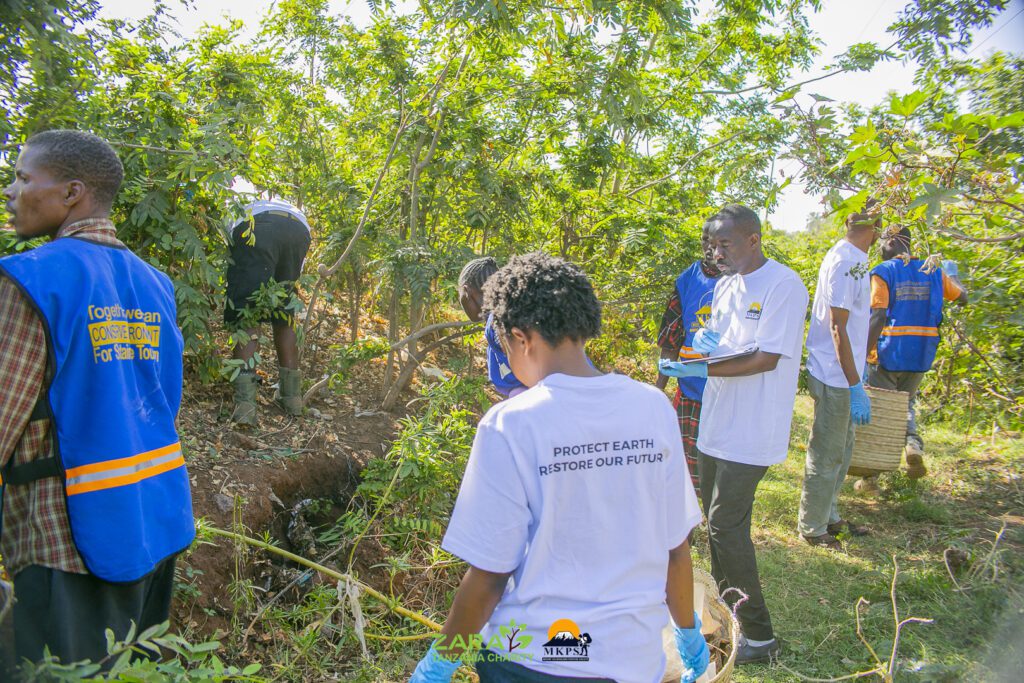
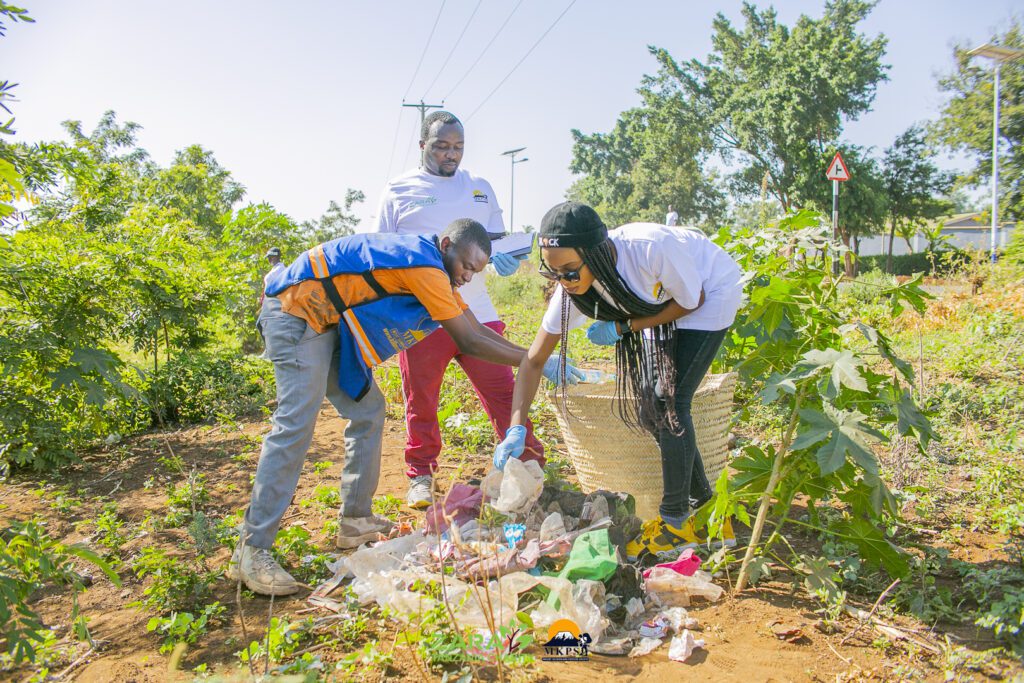
    Tree planting is part of Zara Charity’s overall environmental mission. Their Kilimanjaro Clean-Up Campaign collects trash from climbing routes and campsites before restoring flora to overcrowded areas.
    This enhances safety, preserves Kilimanjaro’s beauty, and is consistent with national park conservation aims.

    1. Long-Term Land Stewardship

    Planting is only the beginning. Zara Charity ensures tree survival by following up, fencing, and teaching local caretakers. When tourists leave, communities remain engaged.
    This methodology (plant, protect, and repeat) promises long-term success and significant environmental effect.

    Zara Tours and Zara Charity: A Model for Eco-Tourism

    Zainab Ansell founded Zara Tours in 1986, and it is now one of Tanzania’s leading travel providers. In 2009, Zainab founded Zara Charity to help people and ecosystems affected by tourism.
    Here’s how Zara Charity‘s tree-planting activities promote sustainable tourism:

    • The Twenzetu Kileleni program planted 5,000 trees in Kilimanjaro, involving over 200 local youth and tourists.
      • Eco-tourism packages include activities such as tree planting, cleanups, and educational sessions.
      • Community empowerment through nurseries maintained by local women’s groups and sapling care provided by hired rangers.

      Zara Charity ensures transparency by documenting tree survival rates, sharing impact stories online, and providing updates to funders and tourists.

    Zara Charity‘s efforts demonstrate that eco-consciousness and financial success are not mutually exclusive—rather, they reinforce one other.

    How Other Tour Operators Can Follow Suit

    Large-scale efforts are not immediately required for sustainable tourism. Here are simple ways for others to imitate Zara Tour‘s success.

    1. Begin small.
      Introduce a “Plant-a-Tree” program with each booking. Collaborate with local forestry departments or non-governmental organizations to receive assistance.
      2. Make it interactive
      Allow tourists to participate in planting days, tag trees, and obtain digital impact certificates.
      3. Action-Based Education
      Provide guided eco-walks to educate visitors about local flora and the importance of replanting.
      4. Partner locally.
      Nurseries and caretaking programs should be operated in collaboration with schools, youth groups, and women’s cooperatives.
      5. Monitor and communicate results.
      To distribute planting statistics and survival rates, create simple online dashboards or newsletters.

    Challenges and How to Overcome Them

    1. Tree Survival

    Not all planted trees survive. Addressing this requires careful species selection, local knowledge, and good management.
    Zara Tours employs indigenous plants that have adapted to the Kilimanjaro climate, resulting in survival rates above 80%.

    1. Funding and Resources

    Tree planting can be expensive. Solutions include minimal levies on tour packages, donation drives, and CSR(Corporate Social Responsibility) sponsorships.
    Zara Charity‘s fundraising efforts through guest gifts and global partnerships assure consistent support.

    1. Greenwashing Concerns

    Tourists are dubious of imprecise statements. Transparency is critical; give exact numbers, locations, and community roles.
    Zara Tour‘s paperwork and picture recordings serve to establish confidence and responsibility.

    Looking Ahead: A Greener Future for Global Tourism

    Tree planting is more than simply a niche concept; it is the foundation of a better, more responsible future for tourism.
    As climate change and environmental degradation endanger renowned sites, replanting offers a ray of hope. It also offers tourism a moral compass, demonstrating that traveling the world may help cure it.
    Zara Tours and Zara Charity demonstrate how eco-tourism can progress from “doing no harm” to actively doing good. Each trip becomes a seed for regeneration by restoring forests, educating communities, and inviting tourists to participate.

    Travel with Purpose, Plant with Passion

    Tourism is changing—and so must we. Tree planting combines pleasure and usefulness. It’s an opportunity for travelers to give back, communities to thrive, and wildlife to flourish.
    Whether you’re climbing Kilimanjaro, exploring a coastal rainforest, or visiting a peaceful community, keep in mind that your journey has an impact. Allow that mark to be green.
    So the next time you visit, do more than just take photos—plant a tree and leave a legacy.

  • How Zara Charity is Empowering Maasai Education in Tanzania

    How Zara Charity is Empowering Maasai Education in Tanzania

    In the heart of Tanzania, a non-profit organization is making a significant impact on the lives of marginalized communities. Zara Charity Tanzania has been working tirelessly since 2009 to support orphans, women, and underprivileged people by providing basic needs such as food, shelter, clothes, and education.

    The Maasai community, in particular, has faced numerous challenges in accessing quality education. Maasai education programs have been instrumental in bridging this gap, empowering young minds and fostering a sense of community.

    Key Takeaways

    • Zara Charity Tanzania supports marginalized communities.
    • Maasai education programs empower young minds.
    • The organization provides basic needs such as food, shelter, and clothes.
    • Empowering education is key to fostering a sense of community.
    • Zara Charity has been working since 2009.

    The Maasai Community in Tanzania: Culture and Educational Challenges
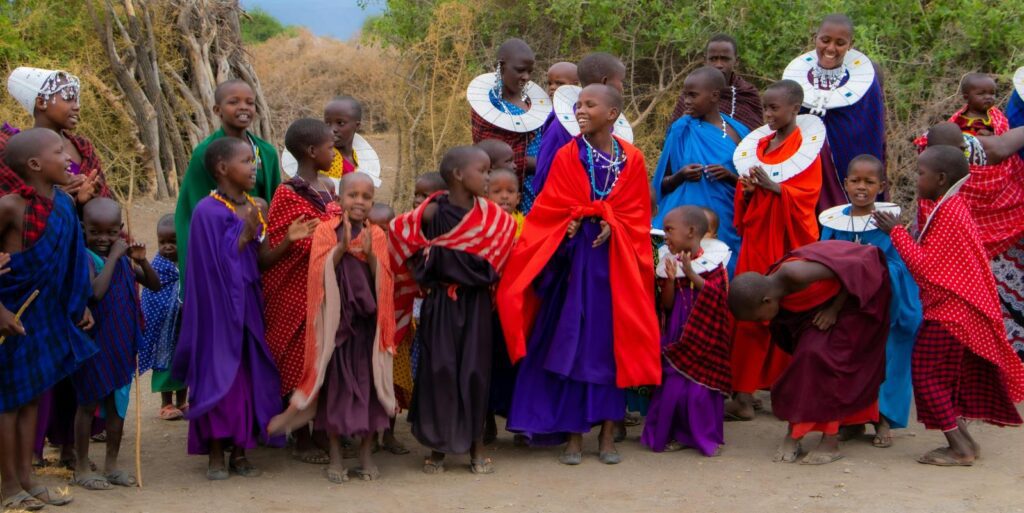
    masaai comunity

    The Maasai community in Tanzania is known for its rich cultural heritage, but faces significant educational challenges. The traditional Maasai lifestyle, characterized by nomadic pastoralism and distinct cultural practices, has historically hindered their access to modern education.

    Traditional Maasai Lifestyle and Values

    The Maasai people are renowned for their vibrant culture, which includes traditional attire, customs, and a strong communal structure. Their lifestyle is deeply rooted in pastoralism, with cattle playing a central role in their economy and cultural identity.

    Cultural Practices and Community Structure

    Maasai cultural practices are centered around their nomadic lifestyle, with a strong emphasis on community and family ties. Their societal structure is typically organized around age sets and clans, with elders holding significant authority and respect within the community.

    • Traditional Maasai attire and adornments
    • Rites of passage and initiation ceremonies
    • Community decision-making processes

    Barriers to Education in Rural Tanzania

    Despite the importance of education, the Maasai community faces numerous barriers to accessing quality educational services. Geographic isolation and economic constraints are significant obstacles.

    Geographic and Economic Obstacles

    The Maasai community is often spread across vast, rural areas with limited infrastructure. Schools are frequently located far from their settlements, making it difficult for children to attend regularly. Economic challenges, including poverty and the reliance on pastoralism, further exacerbate the issue.

    1. Long distances to schools
    2. Lack of educational infrastructure
    3. Economic constraints and poverty

    The Impact of Limited Educational Access on Maasai Communities

    Limited access to education has profound implications for the Maasai community, affecting not only individual opportunities but also the community’s overall development and integration into the broader society.

    The lack of education can lead to reduced economic opportunities, increased poverty, and a diminished ability to adapt to changing environmental and economic conditions. Furthermore, it can result in the erosion of cultural identity as younger generations become disconnected from their traditional ways of life.

    By understanding these challenges, organizations like Zara Charity can tailor their initiatives to address the specific needs of the Maasai community, offering hope and support to those in rural areas like Ngorongoro and Arusha.

    Zara Charity Tanzania: Mission and Vision for Education
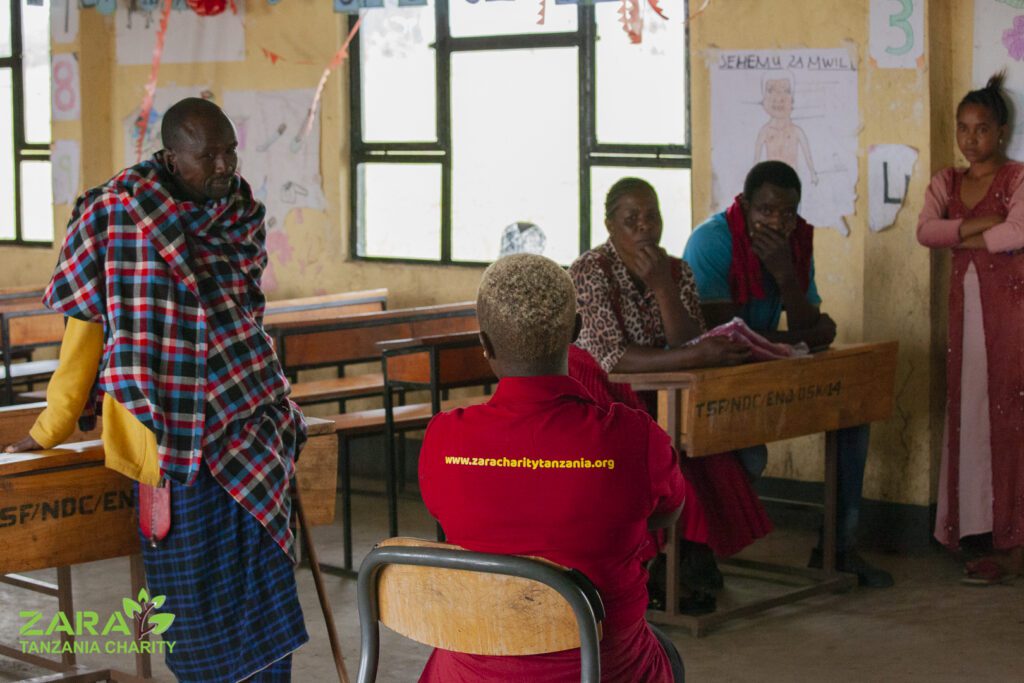
    Zara Charity’s educational programs in Tanzania are designed to uplift and empower the Maasai population. Through these initiatives, children and women gain access to quality learning, aligning with Zara Charity’s mission.

    The Origins and Growth of Zara Charity

    Zara Charity was founded by Ms. Zainab Ansell as part of a global movement for sustainable tourism development. Initially focused on environmental conservation, the charity soon expanded its scope to include socio-economic development programs, with education being a key component. Over the years, Zara Charity has grown significantly, adapting to the needs of the communities it serves.

    Core Educational Philosophy and Goals

    At the heart of Zara Charity’s educational initiatives is a commitment to providing inclusive, quality education. The organization aims to bridge the educational gap for marginalized groups, particularly the Maasai community. By doing so, it seeks to empower individuals and foster community development.

    “Education is the most powerful tool which you can use to change the world.” This quote resonates deeply with Zara Charity’s mission, as it strives to make a meaningful impact through education.

    Partnerships and Collaborative Approach

    Zara Charity recognizes the importance of collaboration in achieving its educational goals. By forging partnerships with local and international organizations, the charity is able to leverage resources and expertise, enhancing the effectiveness of its programs.

    Local and International Collaborations

    Partner

    Contribution

    Impact

    Local NGOs

    Community insight and grassroots support

    Enhanced program relevance and acceptance

    International Organizations

    Funding, technical expertise, and global best practices

    Increased program scalability and sustainability

    Through these collaborations, Zara Charity is able to implement comprehensive educational programs that address the unique needs of the Maasai community.

    Zara Charity Maasai Education Programs: An Overview

    pre-school

    Zara Charity is making significant strides in empowering the Maasai community through comprehensive education programs. These initiatives are designed to address the unique challenges faced by the Maasai people, including poverty, cultural barriers, and limited access to quality education.

    Primary Education Initiatives in Ngorongoro Region

    The Ngorongoro region is home to a significant portion of the Maasai community, where Zara Charity has launched impactful primary education initiatives. These programs focus on improving educational infrastructure and resources.

    School Construction and Resource Provision

    Zara Charity has been actively involved in constructing schools and providing essential resources to support primary education in the Ngorongoro region. This includes:

    • Building new classrooms to reduce overcrowding
    • Providing textbooks and educational materials
    • Training teachers to enhance the quality of education

    Secondary Education Support Systems in Arusha

    In Arusha, Zara Charity has established secondary education support systems to help Maasai students continue their education beyond primary school. These initiatives are crucial for developing future leaders within the community.

    Scholarship Programs and Mentorship

    To support secondary education, Zara Charity offers scholarship programs and mentorship opportunities. These initiatives help students overcome financial barriers and receive guidance as they navigate their educational journey.

    Program Component

    Description

    Benefit

    Scholarships

    Financial assistance for tuition and educational materials

    Reduces financial burden on families

    Mentorship

    Guidance and support from experienced professionals

    Enhances academic performance and personal development

    Vocational Training Opportunities

    Recognizing that not all Maasai youth may pursue traditional academic paths, Zara Charity also offers vocational training opportunities. These programs equip individuals with practical skills, enhancing their employability and contributing to the community’s economic development.

    Breaking Barriers: How Zara Charity Addresses Educational Challenges

    moshi kids
    moshi

    By tackling geographic isolation, cultural barriers, and financial constraints, Zara Charity is revolutionizing education for the Maasai community. These Tanzania education initiatives Zara Charity supports are a beacon for Maasai children’s education, breaking barriers to education that have long hindered their progress.

    Overcoming Geographic Isolation in Remote Areas

    Zara Charity has implemented innovative solutions to overcome the challenges posed by remote locations. Mobile schools and digital learning platforms have been introduced to reach children in isolated areas, ensuring they receive quality education despite the distance.

    Addressing Cultural Barriers to Education

    Cultural sensitivity is at the heart of Zara Charity’s approach. By working closely with community leaders and elders, they have developed educational programs that respect and incorporate Maasai traditions.

    Working with Elders and Community Leaders

    The charity engages in open dialogue with community leaders to understand their concerns and aspirations. This collaborative approach has helped in creating a more inclusive and effective educational system.

    Financial Support Systems for Families

    Zara Charity provides financial assistance to families, helping to alleviate the economic burdens that often prevent children from attending school. This support includes scholarships, school supplies, and other forms of aid.

    • Scholarships for deserving students
    • Provision of school materials and uniforms
    • Support for school infrastructure development

    By addressing these challenges comprehensively, Zara Charity is making a significant impact on Maasai education in Tanzania.

    Empowering Maasai Girls and Women Through Education

    Education is a powerful tool for change, and Zara Charity is harnessing its potential to empower Maasai girls and women in Tanzania. By providing access to quality education, Zara Charity is not only improving individual lives but also contributing to the overall development of the Maasai community.

    Special Programs for Girls’ Education

    Zara Charity has implemented special programs to support girls’ education in Maasai communities. These initiatives are designed to address the unique challenges faced by girls in these areas.

    Combating Early Marriage and Promoting School Attendance

    One of the key challenges is early marriage, which often disrupts girls’ education. Zara Charity’s programs work to combat this practice by promoting the importance of education and providing support to families to keep their daughters in school.

    Adult Literacy Initiatives for Women

    In addition to supporting girls’ education, Zara Charity also offers adult literacy programs for women. These programs aim to empower women by providing them with the skills they need to participate fully in their communities.

    Success Stories and Role Models

    The impact of Zara Charity’s work is evident in the success stories of the girls and women they have supported. These individuals have become role models within their communities, inspiring others to pursue their educational goals.

    Profiles of Educational Pioneers

    Among these success stories are women who have overcome significant obstacles to achieve their educational aspirations. Their stories serve as a testament to the transformative power of education.

    Preserving Maasai Culture While Advancing Education

    By integrating Maasai culture into educational curricula, Zara Charity is setting a new standard for indigenous education in Tanzania. This approach not only preserves the rich cultural heritage of the Maasai people but also enhances their educational experience.

    Cultural Integration in Curriculum Development

    Zara Charity has developed a curriculum that incorporates traditional Maasai practices and values. This includes lessons on Maasai history, cultural rituals, and environmental knowledge that have been passed down through generations.

    Language Preservation Efforts

    A key component of Zara Charity’s educational program is the preservation of the Maasai language. By teaching Maasai language in schools, they ensure that young people can continue to communicate with their elders and maintain their cultural identity.

    Traditional Knowledge and Modern Education Synthesis

    The charity’s approach synthesizes traditional Maasai knowledge with modern educational practices. This blend of old and new provides students with a comprehensive education that prepares them for the future while respecting their heritage.

    Balancing Indigenous Wisdom with Contemporary Skills

    To achieve this balance, Zara Charity has introduced vocational training programs that teach traditional Maasai skills alongside modern techniques. For example, students learn about sustainable livestock management and conservation practices.

    Educational Component

    Traditional Maasai

    Modern Education

    Language

    Maasai language instruction

    English and Swahili proficiency

    Curriculum

    Maasai history and cultural practices

    Science, mathematics, and technology

    Vocational Training

    Traditional livestock management

    Modern conservation techniques

    This holistic approach to education not only preserves Maasai culture but also equips the community with the skills needed to thrive in a rapidly changing world.

    Sustainable Development Through Indigenous Education Tanzania

    By integrating environmental education and community leadership, Zara Charity is driving sustainable change in Tanzania. This approach not only empowers the Maasai community but also ensures that development is both environmentally and socially sustainable.

    Environmental Education Components

    Zara Charity incorporates comprehensive environmental education into its programs, teaching the importance of conservation and sustainable practices. This initiative helps the Maasai community understand the delicate balance between their traditional lifestyle and modern environmental challenges.

    Conservation Awareness and Sustainable Practices

    The charity’s conservation awareness programs educate both children and adults on sustainable land use, water conservation, and wildlife protection. By adopting these practices, the community contributes to the preservation of Tanzania’s rich biodiversity.

    Community Leadership Development

    Empowering community leaders is a crucial aspect of Zara Charity’s strategy. By providing leadership training and development opportunities, the charity ensures that the Maasai community has the capacity to drive its own sustainable development initiatives.

    Long-term Sustainability Strategies

    Zara Charity’s long-term sustainability strategies focus on creating self-sufficient communities. This involves not only educational programs but also economic empowerment and infrastructure development, ensuring that the community can thrive independently.

    Initiative

    Objective

    Outcome

    Environmental Education

    Promote conservation awareness

    Sustainable land use practices

    Community Leadership

    Empower local leaders

    Self-driven community development

    Economic Empowerment

    Foster economic independence

    Thriving local economy

    Measuring Impact: Transformative Results of Tanzania Rural Education Initiatives

    Measuring the impact of Zara Charity’s initiatives reveals a story of transformation, hope, and empowerment in the Maasai communities of Tanzania. By focusing on making Tanzania rural education more accessible, the organization has achieved significant results across various areas.

    Educational Achievement Statistics

    Zara Charity’s education programs have led to a notable increase in educational achievement among Maasai students. The organization’s efforts have resulted in improved literacy rates and better academic performance.

    Graduation Rates and Continuing Education

    The charity has seen a significant rise in graduation rates among its students, with many going on to pursue further education or vocational training. This has been a crucial step in empowering the next generation of Maasai leaders.

    Community Development Outcomes

    Beyond individual achievements, Zara Charity’s initiatives have contributed to broader community development. The organization’s programs have fostered a culture of education, encouraged community involvement, and supported local economic development.

    Personal Transformation Stories from Ngorongoro and Arusha

    Stories from the ground highlight the personal transformations taking place. Individuals who were once marginalized or lacked access to education are now becoming leaders and role models in their communities.

    These stories underscore the profound impact of Zara Charity’s work, demonstrating how education can be a powerful catalyst for change.

    Conclusion: Supporting Zara Charity’s Vision for Maasai Education

    Zara Charity’s vision for Maasai education is centered around empowering future generations and supporting the community’s socio-economic development. Through various initiatives, the organization has made a significant impact in improving educational access and outcomes in rural Tanzania.

    By supporting Zara Charity’s vision, individuals can contribute to creating a brighter future for Maasai communities. Empowering future generations through education is crucial for breaking cycles of poverty and promoting sustainable development. The organization’s efforts in primary and secondary education, vocational training, and adult literacy initiatives have been instrumental in achieving this goal.

    As Zara Charity continues to expand its programs, ongoing support is essential to ensuring the long-term success of its mission. By backing this worthy cause, readers can play a vital role in supporting Maasai education and fostering a more equitable society. Empowering future generations is a collective responsibility, and supporting Zara Charity’s vision is a meaningful step towards achieving this objective.

    FAQ

    What is Zara Charity’s mission in Tanzania?

    Zara Charity is dedicated to empowering Maasai education in Tanzania by providing access to quality learning, overcoming barriers like poverty and cultural limitations, and fostering community development.

    What are the main challenges faced by the Maasai community in accessing education?

    The Maasai community faces challenges such as geographic isolation, cultural barriers, and limited financial resources, which hinder their access to quality education.

    How does Zara Charity address the educational challenges faced by the Maasai community?

    Zara Charity addresses these challenges through initiatives such as school construction, scholarship programs, vocational training, and financial support systems for families, as well as cultural integration in curriculum development.

    What special programs does Zara Charity offer for Maasai girls and women?

    Zara Charity offers special programs for girls’ education, adult literacy initiatives for women, and programs addressing early marriage, as well as highlighting success stories and role models.

    How does Zara Charity preserve Maasai culture while advancing education?

    Zara Charity preserves Maasai culture by integrating cultural practices into the curriculum, preserving the Maasai language, and synthesizing traditional and modern knowledge.

    What is Zara Charity’s approach to sustainable development through indigenous education?

    Zara Charity’s approach includes environmental education components, community leadership development, and long-term sustainability strategies to ensure the overall sustainability of the Maasai community.

    What are the results of Zara Charity’s rural education initiatives?

    The results include improved educational achievement statistics, community development outcomes, and personal transformation stories from Ngorongoro and Arusha, demonstrating the positive impact of Zara Charity’s work.

    How can I support Zara Charity’s vision for Maasai education?

    You can support Zara Charity’s vision by contributing to their initiatives, spreading awareness about the importance of empowering Maasai education, and advocating for the rights of the Maasai community to access quality education.
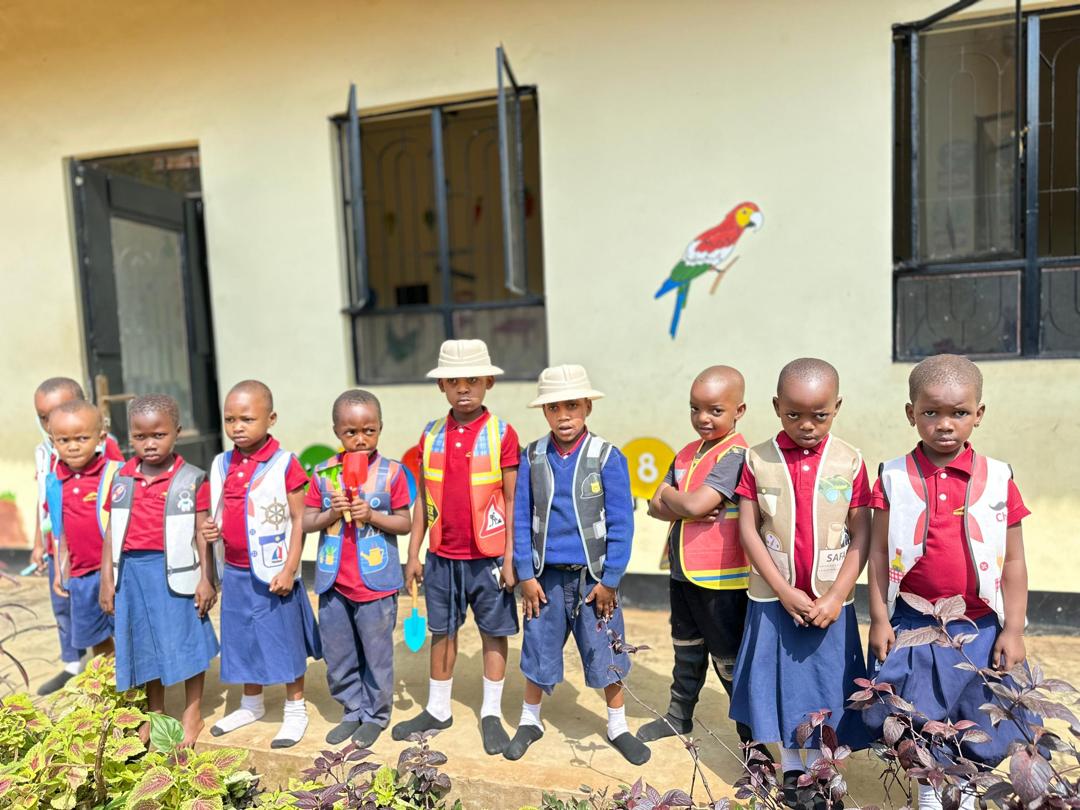
     

  • Community Health Projects: Improving Healthcare Access in Rural Tanzania

    Community Health Projects: Improving Healthcare Access in Rural Tanzania

    Rural Tanzania faces significant barriers to healthcare, from limited medical facilities to a shortage of
    trained professionals. Zara Charity is transforming this landscape through innovative community health
    projects in Tanzania. These initiatives deliver critical medical services and empower communities with
    health education, fostering sustainable change. This document explores Zara Charity’s efforts to improve
    rural healthcare, opportunities for volunteering, and ways individuals can support these vital programs.

    Key Takeaways

    Community health projects are essential for enhancing healthcare access in rural Tanzania. Zara Charity
    leads the charge by providing medical services and education to underserved communities. Volunteering
    with organizations like Zara Charity offers a meaningful way to contribute to rural healthcare. Health
    education is a cornerstone of these initiatives, empowering locals to manage their well-being. Despite
    progress, rural Tanzania continues to grapple with significant healthcare challenges.

    The Healthcare Crisis in Rural Tanzania

    Rural Tanzania faces a profound healthcare crisis that impacts millions of lives. Limited infrastructure, including underdeveloped medical facilities and poor transportation networks, restricts access to
    care. A severe shortage of healthcare workers, such as doctors and nurses, exacerbates the issue, as
    many professionals avoid rural postings due to challenging conditions and limited career opportunities.
    Vulnerable populations, particularly women, children, the elderly, and those with disabilities, bear the
    brunt of these disparities. For instance, inadequate maternal and child health services contribute to high
    mortality rates, while the elderly and disabled struggle with a lack of specialized care and transportation barriers. Addressing this crisis requires targeted, sustainable solutions, and Zara Charity is at the
    forefront of these efforts.

    Understanding Community Health Projects

    Community health projects in Tanzania are designed to bridge healthcare gaps in rural areas by delivering
    services directly to communities. These initiatives adopt a community-based approach, involving locals in
    planning and implementation to ensure projects meet specific needs and remain sustainable. Integration
    with existing health systems, through collaboration with local authorities, enhances their effectiveness.
    Sustainable models, such as training local health workers and transferring healthcare knowledge, empower
    communities to maintain progress independently. Zara Charity’s projects exemplify these principles,
    focusing on long-term impact and community empowerment.

    Zara Charity’s Role in Tanzania’s Healthcare

    Founded in 2009, Zara Charity is a leading nonprofit dedicated to improving rural healthcare in Tanzania.
    Its mission is to provide quality healthcare to underserved communities, with a vision of achieving
    universal health coverage. Guided by values of compassion, integrity, and community engagement,
    Zara Charity has expanded its reach through mobile clinics, health education programs, and maternal
    health services. For example, their mobile clinics serve over 500 patients per project in remote villages,
    while health education initiatives have reached thousands with critical knowledge on disease prevention.
    By partnering with local communities, Zara Charity ensures its programs are culturally relevant and
    sustainable.

    Rural Healthcare Improvement Strategies

    Zara Charity employs innovative strategies to enhance healthcare access in rural Tanzania. Mobile
    clinics are a cornerstone, bringing medical services to remote areas lacking permanent facilities. These
    clinics provide general consultations, vaccinations, and maternal care, significantly increasing access
    for communities. Preventive care and education are equally vital, with campaigns targeting diseases
    like malaria, HIV/AIDS, and waterborne illnesses through mosquito net distribution and educational
    materials. Health literacy workshops empower locals to adopt healthy practices. Maternal and child
    health services, including prenatal and postnatal care, have reduced maternal mortality rates from 450
    to 200 per 100,000 and infant mortality from 60 to 30 per 1,000 live births, demonstrating tangible
    impact.

    Building Local Healthcare Capacity

    Empowering communities through capacity building is central to Zara Charity’s approach. Training
    community health workers equips locals with skills in first aid, maternal health, and disease prevention,
    creating a network of frontline providers. Ongoing mentorship ensures these workers remain effective.
    Additionally, Zara Charity empowers local medical professionals through advanced training in areas like
    surgery and pediatrics, as well as leadership development to foster ownership of healthcare initiatives.
    These efforts build a self-reliant healthcare system that continues to serve communities long after external
    support ends.

    Technology in Rural Healthcare

    Technology plays a transformative role in Zara Charity’s healthcare delivery. Telemedicine enables remote consultations, connecting patients with doctors and specialists without the need for travel. Mobile
    health applications support patient monitoring and provide educational resources on disease management. Data collection and analysis track health outcomes, allowing Zara Charity to design evidencebased interventions tailored to community needs. These innovations enhance access and improve health
    outcomes in rural Tanzania.

    Volunteer Opportunities with Zara Charity

    Volunteering with Zara Charity offers a rewarding way to impact rural healthcare in Tanzania. Opportunities include medical placements for doctors and nurses to work in clinics and public health initiatives
    focused on education and preventive care. Volunteers need relevant qualifications, such as medical or
    public health credentials, and personal attributes like cultural sensitivity and adaptability. The application process involves submitting a form via Zara Charity’s website, followed by background checks and
    orientation to prepare for placements. Both short-term (weeks to months) and long-term opportunities
    are available, catering to diverse schedules and skill sets.

    Success Stories

    Zara Charity’s community health projects have transformed rural Tanzania. In one village, a comprehensive project involving a mobile clinic, health worker training, and preventive care education reduced
    maternal mortality by over 50% and increased healthcare access from 30% to 80% of the population. A
    patient shared, “The mobile clinic saved my life during pregnancy, providing care I couldn’t access before.” A trained health worker added, “Zara Charity’s training gave me the skills to serve my community confidently.” These stories highlight the sustainable changes driven by Zara Charity’s community-focused approach.

    Challenges and Solutions

    Implementing community health projects in rural Tanzania presents challenges, including limited funding
    and cultural barriers. Financial constraints restrict staffing and equipment, while language and cultural
    differences can hinder service adoption. Zara Charity addresses these through innovative solutions,
    such as income-generating activities to fund projects and training local health workers who understand
    community dynamics. Community ownership models further ensure sustainability by empowering locals
    to lead initiatives, creating lasting impact.

    How Americans Can Support

    Americans can make a significant difference in rural Tanzania’s healthcare. Financial donations to Zara
    Charity fund mobile clinics and training programs, while medical supply donations provide essential
    equipment like medications and diagnostic tools. Volunteering offers hands-on impact, with short-term
    and long-term opportunities available through Zara Charity. Raising awareness through social media
    campaigns or organizing community fundraising events can amplify support for rural healthcare initiatives. Every contribution, big or small, helps Zara Charity advance its mission.

    Zara Charity’s community health projects in Tanzania are revolutionizing rural healthcare by addressing
    infrastructure gaps, training local workers, and leveraging technology. From mobile clinics to health
    education, these initiatives empower communities to achieve better health outcomes. Continued support
    through donations, volunteering, and advocacy is vital to sustain this progress. By contributing to Zara
    Charity, individuals can help build a healthier, more prosperous future for rural Tanzania.

    FAQ

    What are community health projects in Tanzania? Community health projects, led by organizations like Zara Charity, improve healthcare access in rural areas through mobile clinics, health education,
    and training programs.
    What challenges does rural Tanzania face in healthcare? Limited infrastructure, healthcare
    worker shortages, and disparities disproportionately affect women, children, the elderly, and disabled
    individuals.
    How does Zara Charity improve healthcare? Zara Charity provides mobile clinics, health education, and training, enhancing access and outcomes in rural communities.
    What volunteer opportunities exist with Zara Charity? Medical placements and public health
    initiatives are available for qualified volunteers, with short-term and long-term options.
    How can Americans support Zara Charity? Donate funds or supplies, volunteer, or raise awareness
    through social media and fundraising events.
    How does technology aid rural healthcare? Telemedicine, mobile apps, and data analysis improve
    access, monitoring, and evidence-based interventions.
    What challenges do community health projects face? Funding and cultural barriers are addressed
    through income-generating activities and local training.

  • Wildlife Conservation Efforts in Tanzania: Protecting Our Natural Heritage

    Wildlife Conservation Efforts in Tanzania: Protecting Our Natural Heritage

    Tanzania stands as a global beacon of biodiversity, where the sweeping plains of the Serengeti, the majestic Ngorongoro Crater, and the vast Selous Game Reserve create a tapestry of life found nowhere else on Earth. Home to over 4 million wild animals, including the iconic Big Five—lion, elephant, rhino, leopard, and buffalo—Tanzania hosts 20% of Africa’s large mammal species and six of the world’s 25 biodiversity hotspots. Yet, this natural heritage faces relentless threats from poaching, habitat loss, climate change, and human-wildlife conflict. At Zara Charity Tanzania, we are dedicated to protecting this irreplaceable ecosystem through community-driven conservation, anti-poaching initiatives, and sustainable tourism. Join us as we explore Tanzania’s wildlife conservation efforts and discover how you can help preserve our natural heritage for generations to come.

    zara charity
    MKPS
    tourism

    Why Wildlife Conservation Matters in Tanzania

    Tanzania’s biodiversity is a cornerstone of its identity and economy. With over 38% of its land dedicated to protected areas, the country leads Africa in conservation efforts. These efforts are vital for several reasons:

    • Ecological Balance: Healthy ecosystems support clean water, fertile soil, and climate regulation, benefiting both wildlife and human communities.
    • Economic Impact: Ecotourism, driven by Tanzania’s wildlife, contributes significantly to the GDP, funding schools, hospitals, and infrastructure through park fees and tourism revenue.
    • Cultural Heritage: Species like elephants and lions are woven into Tanzania’s cultural fabric, symbolizing strength and resilience for communities like the Maasai.
    • Global Significance: As a biodiversity hotspot, Tanzania’s ecosystems play a critical role in global conservation, protecting species like the critically endangered black rhino.

    However, challenges such as poaching, habitat fragmentation, and climate change threaten this delicate balance. At Zara Charity Tanzania, we tackle these issues head-on with innovative, community-focused solutions.

    The Threats to Tanzania’s Biodiversity

    Understanding the challenges is the first step toward effective conservation. Tanzania’s wildlife faces:

    • Poaching and Illegal Wildlife Trade: The demand for ivory, rhino horn, and bushmeat drives illegal hunting, decimating populations of elephants and rhinos.
    • Habitat Loss: Agricultural expansion, urbanization, and infrastructure development encroach on wildlife corridors, fragmenting habitats critical for migration.
    • Human-Wildlife Conflict: Communities near protected areas suffer crop damage and livestock loss, leading to retaliatory killings of animals like lions and elephants.
    • Climate Change: Altered rainfall patterns and rising temperatures disrupt migration routes, breeding cycles, and food availability, threatening species survival.

    These threats demand a multifaceted response, combining enforcement, education, and sustainable development.

    Zara Charity Tanzania’s Role in Conservation

    At Zara Charity Tanzania, we believe that conservation is a shared responsibility. Our mission is to protect Tanzania’s wildlife while empowering local communities to thrive alongside nature. Our key initiatives include:

    1. Anti-Poaching Measures

    Poaching remains a critical threat to Tanzania’s wildlife, particularly for elephants and rhinos. Zara Charity partners with the Tanzania Wildlife Authority (TAWA) to strengthen anti-poaching efforts through:

    • Community Patrols: We train and equip local rangers in areas like the Serengeti and Selous Game Reserve to monitor and protect wildlife.
    • Advanced Technology: Drones, GPS tracking, and camera traps enhance surveillance, enabling rapid response to poaching threats.
    • Awareness Campaigns: We educate communities about the ecological and economic value of wildlife, reducing incentives for poaching.

    Our anti-poaching programs have contributed to a decline in illegal hunting, with elephant populations in the Selous Game Reserve showing signs of recovery.

    1. Community-Based Conservation

    Conservation is most effective when local communities are invested in its success. Zara Charity’s community-based programs include:

    • Wildlife Management Areas (WMAs): We support WMAs like Randilen near Tarangire National Park, where communities manage conservation efforts and benefit from tourism revenue.
    • Sustainable Livelihoods: By promoting beekeeping, eco-tourism, and craft-making, we provide alternatives to activities like deforestation or poaching.
    • Education and Outreach: Our workshops in schools and villages foster pride in Tanzania’s natural heritage and teach coexistence strategies to reduce human-wildlife conflict.

    These initiatives empower communities to become stewards of their environment, ensuring long-term conservation success.

    1. Sustainable Tourism

    Ecotourism is a powerful tool for conservation, generating funds and raising awareness. Zara Charity promotes sustainable tourism by:

    • Partnering with Ethical Operators: We work with tour operators who prioritize eco-friendly practices and adhere to leave-no-trace principles.
    • Funding Conservation: Proceeds from our safari tours directly support anti-poaching patrols, community projects, and habitat restoration.
    • Educational Eco-Tours: Our guided tours, such as bird watching in Lake Manyara or cultural experiences with Maasai communities, educate visitors about conservation challenges and solutions.

    By choosing Zara Charity’s eco-tours, travelers contribute to both wildlife protection and community development.

    Tanzania’s Biodiversity Hotspots

    Tanzania’s protected areas are the backbone of its conservation efforts, each offering unique ecosystems and species:

    • Serengeti National Park: Famous for the Great Migration, where millions of wildebeests and zebras traverse the plains, pursued by predators like lions and cheetahs.
    • Ngorongoro Conservation Area: A UNESCO World Heritage Site, this crater hosts over 20,000 large animals, including the endangered black rhino, alongside Maasai pastoralists.
    • Selous Game Reserve: One of the world’s largest faunal reserves, home to elephants, hippos, and wild dogs, though threatened by poaching and development.
    • Ruaha National Park: Known for its rugged landscapes and high concentration of elephants and predators.
    • Tarangire National Park: A dry-season haven for elephant herds and home to iconic baobab trees.
    • Lake Manyara National Park: A birdwatcher’s paradise with flamingos, pelicans, and tree-climbing lions.

    These areas are critical for preserving Tanzania’s biodiversity, but they face challenges like insufficient funding and overtourism. Zara Charity addresses these through advocacy and direct support.

    Case Studies: Impactful Conservation Projects

    Zara Charity collaborates with partners to drive impactful conservation projects. Here are some examples:

    • Serengeti Lion Project: In partnership with researchers, we track lion populations to understand their behavior and protect their habitats, ensuring their survival amidst human encroachment.
    • Honeyguide Foundation Collaboration: We work with the Honeyguide Foundation to train rangers and communities in conflict resolution, reducing human-wildlife conflicts near Tarangire and Ngorongoro.
    • Roots & Shoots Program: Inspired by the Jane Goodall Institute, our youth-focused program engages students in conservation activities, planting trees and learning about biodiversity.

    These projects highlight the power of collaboration in addressing complex conservation challenges.

    Endangered Species in Tanzania

    Tanzania is home to several endangered species that require urgent protection:

    • African Elephants: Once heavily poached for ivory, their populations are stabilizing due to anti-poaching efforts, but vigilance remains critical.
    • Black Rhinos: Critically endangered, with only a few individuals in sanctuaries like Ngorongoro and Serengeti.
    • African Wild Dogs and Cheetahs: Threatened by habitat loss and human conflict, these species benefit from Zara Charity’s habitat restoration programs.
    • Udzungwa Red Colobus: A rare primate found in the Udzungwa Mountains, protected through community-managed forest reserves.

    Protecting these species preserves Tanzania’s ecological diversity and global conservation legacy.

    Challenges Facing Protected Areas

    Despite their importance, Tanzania’s protected areas face significant hurdles:

    • Funding Shortages: Limited budgets restrict ranger training, equipment upgrades, and infrastructure maintenance.
    • Overtourism: High visitor numbers in popular parks like Serengeti can degrade habitats and disturb wildlife.
    • Encroachment: Illegal grazing, farming, and logging encroach on protected zones, threatening biodiversity.

    Zara Charity advocates for innovative solutions, such as conservation trust funds and carbon credit schemes, to address these challenges.

    How You Can Support Wildlife Conservation

    Everyone can play a role in protecting Tanzania’s wildlife. Here’s how you can contribute:

    • Travel Responsibly: Book eco-tours with Zara Charity to support conservation and local communities.
    • Donate: Your contributions to Zara Charity’s conservation fund support anti-poaching patrols, community education, and habitat restoration.
    • Volunteer: Join our volunteer programs to work directly with communities and conservationists.
    • Spread Awareness: Share Tanzania’s conservation stories on social media with hashtags like #TanzaniaWildlife and #ConserveTanzania to inspire others.
    • Practice Ethical Tourism: Respect wildlife by maintaining safe distances, avoiding single-use plastics, and supporting local artisans.

    Your actions, no matter how small, can create a ripple effect for conservation.

    The Future of Conservation in Tanzania

    The future of Tanzania’s wildlife depends on sustained, collaborative efforts. By combining government action, community empowerment, scientific research, and global support, we can address threats like poaching and habitat loss. Zara Charity Tanzania is committed to leading this charge, ensuring that Tanzania’s natural heritage thrives for generations.

    Our vision is a Tanzania where wildlife and communities coexist harmoniously, where eco-tourism drives sustainable development, and where every visitor leaves inspired to protect our planet. Together, we can safeguard the Serengeti’s wildebeests, the Ngorongoro’s rhinos, and the countless species that call Tanzania home.

    Join Zara Charity Tanzania Today

    At Zara Charity Tanzania, we invite you to be part of this transformative journey. Whether you’re exploring the Serengeti on an eco-tour, volunteering in a Wildlife Management Area, or donating to our conservation initiatives, your support makes a difference. Visit Zara Charity Tanzania to learn more, book a sustainable safari, or contribute to our mission.

    Take Action Now:

    • Book an Eco-Tour: Plan a conservation-focused safari with us.
    • Volunteer: Join our community-driven conservation programs.
    • Donate: Fund critical efforts to protect Tanzania’s wildlife.

    Together, let’s protect Tanzania’s natural heritage and ensure its biodiversity continues to inspire awe worldwide.

  • Integrating Beekeeping into Sustainable Practices: Benefits for the Maasai Community.

    Integrating Beekeeping into Sustainable Practices: Benefits for the Maasai Community.

    A Buzzing Path to Sustainability

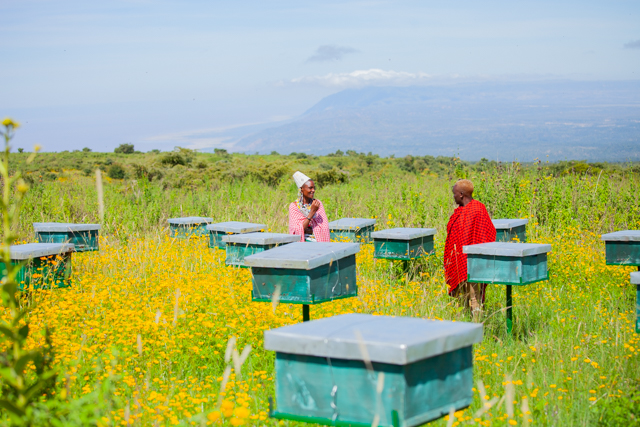
    In the center of East Africa, namely in the vast plains of northern Tanzania, the Maasai people—known for their lively culture, semi-nomadic way of life, and strong bond with the natural world—are reviving an ancient custom with a new purpose: beekeeping. Under the guidance of indigenous knowledge systems that respect the rhythms of the land and wildlife, the Maasai have coexisted peacefully with the environment for many centuries. The community’s pastoral way of life is in danger due to a number of issues that have grown worse in recent decades, such as protracted droughts, deforestation, soil erosion, and changing climatic patterns.

    Sustainable beekeeping has become a potent, multidimensional response to these mounting pressures. In addition to offering a different source of money and nourishment, it also supports biodiversity, aids in environmental restoration, and empowers community members—particularly women—through economic inclusion and skill development.

    Zara Charity, a Tanzanian nonprofit organization devoted to sustainable development and community empowerment, is at the vanguard of this change. The Asali Project, one of its most significant projects, was started to help marginalized Maasai communities, especially those in the Ngorongoro Conservation Area, incorporate beekeeping into their daily life. The Swahili name for honey, “asali,” is more than just a product; it’s a sign of resiliency, hope, and a link between innovation and tradition.

    To guarantee that participants in the Asali Project are successful in both honey production and environmental stewardship, Zara Charity offers training, both traditional and modern hives, protective equipment, and continuous mentoring. The project promotes environmentally friendly behaviors and encourages community collaboration, which has a positive knock-on effect that goes beyond individual homes.
    In the Maasai community, beekeeping has evolved from a traditional artefact to a modern instrument for ecological restoration, empowerment, and sustainability, with Zara Charity playing a leading role.

    The Environmental Impact: Bees as Guardians of Biodiversity


    Often referred to as the unsung heroes of biodiversity, bees are essential to preserving ecological balance. The reproduction of a vast array of flowering plants, which in turn sustain ecosystems and directly contribute to food security for both people and wildlife, depends on their pollination activities. The adoption and growth of sustainable beekeeping techniques in Tanzania’s Maasai regions has produced quantifiable environmental benefits and provided a template for how traditional people might take the lead in environmentally friendly innovation.

      • Reforestation and Habitat Restoration:

        The increased focus on environmental stewardship is one of the most important effects of beekeeping in Maasai territory. Beekeepers are aware that a steady and varied supply of nectar and pollen is necessary for a bee colony to thrive. They are therefore encouraged to actively plant additional native trees and shrubs that bloom in various seasons and to preserve the current vegetation. In addition to protecting their colonies, this also fights deforestation and promotes the restoration of damaged areas. This helps restore natural habitats for other creatures, improve soil fertility, and increase vegetation cover over time.

      • Conservation of Indigenous Bee Species:

        Because their hives are specially designed for native bee species, the Maasai frequently employ traditional beekeeping methods. Compared to imported or non-native species, these native bees are more tolerant to environmental stressors because they are better suited to the unique climatic and ecological circumstances of the area. By maintaining the ecological integrity of the region and improving pollination efficiency overall, supporting these native bees benefits nearby farms, woods, and wild plant species.

      • Reduction in Pesticide Use:

        Organic, chemical-free farming methods and sustainable beekeeping go hand in hand. Beehives serve as a reminder to farmers and herders to stay away from dangerous chemicals and herbicides that can destroy bee populations and upset ecosystems. More communities are using natural pest control techniques as awareness of these risks grows, which is improving soil health, biodiversity, and air quality.

    In the end, bees are more than just makers of honey; they also act as environmental resilience and ecological healing agents.

    asali project

    Economic Empowerment: Honey as Liquid Gold

    Beekeeping provides the Maasai community with substantial economic benefits in addition to environmental ones:

    • Diversified Income Streams: Beekeeping offers a dependable and alternate source of income in light of the climate change-related unpredictability of pastoralism. Both domestically and abroad, honey and other bee products are highly sought after.
    • Women’s Economic Participation: By directly incorporating women in beekeeping activities, initiatives such as the Asali Project, a women’s beekeeping project, empower women and raise their level of financial independence and community involvement.
    • Market Access and Fair Trade: By ensuring that beekeepers are fairly compensated for their produce, groups like Asali Project support sustainable livelihoods and fair-trade practices.

    Cultural Preservation: Harmonizing Tradition and Innovation

    Beekeeping resonates deeply with the Maasai’s cultural values and traditional knowledge systems, offering a unique opportunity to blend heritage with innovation. Traditionally reliant on pastoralism, the Maasai find that beekeeping naturally complements their way of life—requiring minimal land use and aligning with seasonal rhythms.

    Beekeeping resonates deeply with the Maasai’s traditional knowledge and cultural practices:

    • Integration with Traditional Practices: Beekeeping enhances already-existing pastoral pursuits and can be easily incorporated into daily life without going against cultural standards. Through the Asali Project, spearheaded by Zara Charity, this synergy is being harnessed to preserve culture while advancing sustainability.
    • Educational Opportunities: Training and workshops are frequently incorporated into beekeeping programs, which promotes skill development and knowledge sharing among the community. Zara Charity offers tailored training and workshops that not only provide technical skills in hive management and honey harvesting but also encourage knowledge-sharing rooted in Maasai customs
    • Strengthening Community Bonds: Participating in group beekeeping activities strengthens social structures and support networks by promoting harmony and collaboration.

    Sustainable Practices: Ensuring Long-Term Success

    For beekeeping to remain a sustainable venture, certain practices are essential:

    • Use of Eco-Friendly Equipment: Employing traditional hives made from local materials reduces environmental impact and aligns with sustainable principles.
    • Continuous Training and Support: Beekeepers are kept up to date on market trends, disease prevention, and best practices through ongoing education.
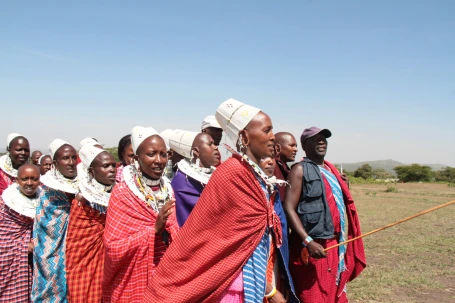
    • Community Engagement and Ownership: Fostering local beekeeping project ownership encourages responsibility and sustained dedication to sustainability objectives.


    A Sweet Future Ahead

    The Maasai community in Tanzania faces environmental, economic, and cultural difficulties that can be addressed holistically and forward-thinkingly by incorporating beekeeping into sustainable practices. Beyond merely honey, this revived tradition promotes eco-friendly livelihoods, boosts biodiversity, and gives people—especially women—new skills and sources of income. Zara Charity, a Tanzanian nonprofit organization devoted to conservation and community-driven development, is at the heart of this change.

    In order to ensure long-term success, Zara Charity provides Maasai families with beekeeping knowledge, tools, and continuous assistance through its influential Asali Project in the Ngorongoro Conservation Area. The Asali Project promotes economic independence and environmental care by fusing respect for ancient knowledge with contemporary training. Beekeeping has evolved into more than just a sustainable activity for the Maasai; it now represents self-determination, resiliency, and rejuvenation. Communities are creating a future as rich and durable as the honey they produce as more embrace this sweet route forward.

  • Addressing Climate Change: Zara Charity’s Tree Planting Initiatives.

    Addressing Climate Change: Zara Charity’s Tree Planting Initiatives.

    Introduction: Rooting Sustainability in Tanzania

    In the face of escalating climate change, reforestation has emerged as a vital strategy for environmental restoration and community resilience. In Tanzania, Zara Charity stands at the forefront of this movement, integrating tree planting into its broader mission of sustainable development. Through initiatives like the MKPS Tree Planting Project, Zara Charity not only combats deforestation but also fosters environmental awareness and community engagement.

    The Climate Crisis and the Role of Trees

    With its extensive threats to ecosystems, businesses, and communities worldwide, climate change is one of the most urgent issues of our time. The effects are becoming more apparent in Tanzania, where irregular rainfall patterns interrupt farming cycles, protracted droughts limit the amount of water available, and a continuous reduction in biodiversity threatens the natural equilibrium that local communities rely on to survive.
    Trees stand out among these obstacles as unsung heroes, providing potent natural remedies to lessen the effects of climate change. They play numerous and essential roles in the environment:

    • Carbon Sequestration: The removal of carbon dioxide (CO₂) from the atmosphere is one of the most important functions that plants perform. Human activities are the main source of greenhouse gas emissions, which raise CO₂ levels to excessive levels. These levels trap heat and exacerbate global warming. By absorbing this carbon during photosynthesis and storing it in their biomass, trees help to chill the globe by lowering greenhouse gas concentrations.
    • Soil Conservation: By serving as soil anchors, tree roots stop wind and rain-induced soil erosion. Planting trees preserves soil integrity in Tanzania, where deforestation and bad agricultural practices frequently result in deteriorated soils. This stops hazardous landslides and sedimentation in aquatic bodies in addition to preserving land fertility for farming.
    • Water Cycle Regulation: Rainfall patterns at the local and regional levels are greatly influenced by forests. Trees help create clouds and precipitation by drawing water from the soil and releasing it into the sky through transpiration. Furthermore, their canopy enhances groundwater recharge and decreases surface runoff, guaranteeing the stability of watersheds that provide clean water.
    • Biodiversity Support: A staggering variety of species can be found in forests. Pollinators, wildlife, and native plants are supported by the preservation and restoration of natural habitats through the maintenance and restoration of tree cover. Food security, ecological balance, and the cultural legacy of groups like the Maasai depend on this biodiversity.

    Essentially, planting trees is a strategic, multifunctional tool in the fight against ecological deterioration and climate change, not just an environmental deed.

    Zara Charity: A Commitment to Environmental Stewardship

    Zara Charity Initiative was founded with the goal of empowering Tanzanian people, and one of its main objectives is environmental conservation. The foundation has started a number of tree planting projects to restore damaged landscapes and support sustainable livelihoods because it understands the connection between healthy ecosystems and community well-being.

    Recognizing the close relationship between healthy ecosystems and sustainable livelihoods, Zara Charity organizes forestry projects with the help of volunteers, local authorities, schools, and foreign visitors. In addition to fighting deforestation, these programs inform local populations on the long-term advantages of environmental preservation. Zara Charity‘s tree planting initiatives assist the environment and the economy by reclaiming degraded lands, enhancing biodiversity, and promoting climate resilience. Through its practical approach and dedication to grassroots engagement, the organization persists in advocating for a more sustainable and environmentally friendly Tanzania for coming generations.

    The MKPS Tree Planting Project: Greening Kilimanjaro

    One of Zara Charity‘s flagship environmental programs is the MKPS Tree Planting Project, focusing on the Kilimanjaro region. This initiative involves:

    • Tree Nurseries: Establishing nurseries to cultivate indigenous tree species suitable for local ecosystems.
    • Community Engagement: Mobilizing local residents, including schools and community groups, to participate in planting activities.
    • Education and Awareness: Conducting workshops to educate participants on the importance of trees and sustainable land management.

    Through these efforts, the project aims to reforest degraded areas, enhance biodiversity, and instill a culture of environmental responsibility.

    Educational Institutions as Catalysts for Change

    Zara Charity works with schools to raise young people’s awareness of environmental issues. For example, there are two reasons why schools like Kaloleni Primary School hold tree planting events:

    • Environmental Education: Students learn about the ecological importance of trees and participate in hands-on conservation activities.
    • Improved Learning Environments: Planted trees provide shade and improve air quality, creating more conducive spaces for learning.

    By involving students, Zara Charity ensures that environmental stewardship becomes an integral part of the educational experience.

    Integrating Tree Planting into Tourism

    Zara Charity leverages Tanzania’s tourism industry to fund its environmental projects. As part of their trip, travelers are encouraged to take part in tree-planting events through collaborations with groups like Zara Tanzania Adventures.

    This approach offers:

    • Sustainable Tourism: Visitors contribute positively to the environments they explore.
    • Cultural Exchange: Tourists engage with local communities, fostering mutual understanding and respect.
    • Funding for Conservation: Proceeds from tourism support ongoing environmental projects.

    Such integration ensures that tourism benefits both the environment and local populations.

    Community Empowerment through Environmental Action

    The tree-planting campaigns of Zara Charity provide opportunities for community empowerment in addition to environmental benefits. By incorporating locals in the organization’s strategy and execution, the nonprofit:

    • Builds Capacity: Participants acquire skills in nursery management, planting techniques, and environmental education.
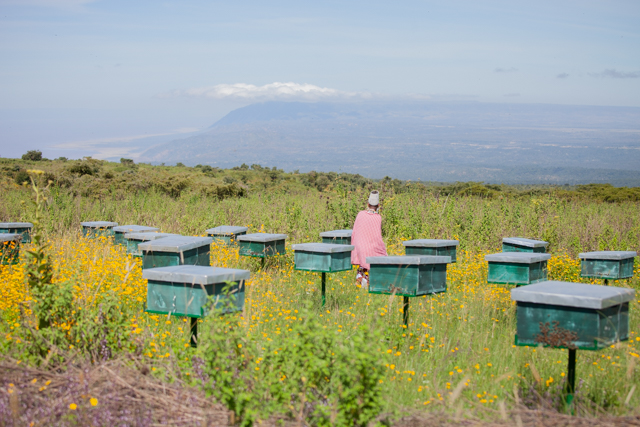
    • Generates Income: Tree nurseries and related activities create economic opportunities for community members.
    • Fosters Ownership: Engagement in conservation projects instills a sense of responsibility and pride among participants.

    This holistic approach ensures that environmental initiatives also contribute to social and economic development.

    Challenges and Strategies for Sustainability

    Despite their effectiveness, Zara Charity’s tree-planting initiatives have drawbacks, such as:
    Climate Variability: The survival rates of seedlings can be impacted by erratic weather patterns.
    Resource Limitations: Project expansion may be hampered by a lack of funds and supplies.
    Community Engagement: Ongoing motivation and education are necessary to maintain long-term involvement.

    Zara Charity uses tactics like these to deal with these issues:
    Monitoring and Evaluation: Consistent evaluations to modify procedures and enhance results.
    Partnerships: pooling resources and knowledge from both governmental and non-governmental organizations.
    Capacity Building: Continually offering training to improve dedication and community skills.
    These steps are intended to guarantee the durability and efficacy of tree-planting initiatives.

    Measuring Impact: Environmental and Social Outcomes

    The following are quantifiable advantages of Zara Charity‘s tree planting programs:

    Carbon Sequestration: Planted trees absorb large volumes of CO₂, reducing the effects of climate change.
    Enhancement of Biodiversity: Many plant and animal species find homes in reforested regions.
    Conservation of Soil and Water: Increased plant cover improves water retention and lessens erosion.
    Community Development: Resilient communities are strengthened by greater economic opportunity and environmental knowledge.
    These results show the complex effects of combining social and environmental goals.

    Future Directions: Scaling and Innovation

    Zara Charity hopes to grow its tree planting programs in the future by:

    Scaling Up: Increasing the quantity of trees planted and bringing projects to new areas.
    Innovative Practices: Using climate-smart agriculture methods and agroforestry.
    Youth Engagement: Creating initiatives to increase the number of youths engaged in environmental preservation.

    By embracing innovation and inclusivity, Zara Charity seeks to amplify its impact on climate change mitigation and community development.

    Cultivating a Greener Future

    The tree-planting campaigns of Zara Charity are a prime example of how grassroots initiatives may tackle global issues such as climate change. In addition to restoring ecosystems, the charity empowers people and builds stronger communities via community engagement, education, and sustainable practices. As these trees mature, they represent resiliency and optimism, serving as a reminder that we can all work together to create a more sustainable and greener future.

  • Empowering Women Through Honey Production: Success Stories from the Asali Project.

    Empowering Women Through Honey Production: Success Stories from the Asali Project.

    Understanding the Impact of Honey Production on Women’s Empowerment 

    The Asali Project is a ground-breaking effort that uses honey production to empower women in Tanzanian rural communities. By providing training, resources, and support, this project has helped women become successful honey entrepreneurs. The tales of these women and their journeys to economic independence demonstrate the Asali Project‘s transforming impact, as well as the importance of empowering women in agriculture. Maasai women are altering their lives and communities by taking up beekeeping through the Asali Project, which is led by Zara Charity. This idea not only generates a sustainable income but also promotes environmental conservation and community development.

    Overview of the Asali Project: Mission and Objectives 

    Launched in 2022 in Isirwa village via Zara Charity, the Asali Project began with 20 pilot beehives. Its primary aim was to empower Maasai women by providing them with employment opportunities through honey production and beadwork. The Asali Project aims to empower women in rural communities through honey production. The project’s goal is to help these women achieve economic independence by providing extensive training, tools, and continuous assistance. Its primary goals include improving the economic possibilities of women in agriculture, supporting sustainable beekeeping methods, and fostering communal development. The Asali Project is committed to creating a supportive ecosystem in which women may thrive as successful honey entrepreneurs through strategic collaborations and capacity building. Stay tuned for more on the Asali Project’s effective efforts and astonishing accomplishments.

    The project’s impact has been multifaceted:

    • Economic Empowerment: Women have become financially independent through beading and honey production, promoted by Zara Charity, which has allowed them to better their living conditions and support their families.
    • Educational Support: The Ngorongoro Maasai Pre-school receives a percentage of the honey sales revenue, giving kids access to education and wholesome food supplements.
    • Sustainable Tourism: The project promotes sustainable tourism by selling honey and beadwork products to tourists visiting Zara Tours properties, thereby enhancing the local economy.

    Success Stories: Transformative Journeys of Women in Honey Production 

    Through the production of honey, the Asali Project has significantly improved the lives of women in rural communities. In addition to becoming financially independent, these women have established themselves as important members of their communities. These women’s success stories, which include conquering obstacles and accomplishing amazing things, are incredibly motivating. In addition to improving their standard of living, their commitment and diligence have helped the honey industry flourish sustainably.

    “Beekeeping has greatly benefited me,” said one Maasai woman. In addition to purchasing five goats that provide us with milk, I also purchased a bed and educated my kids. My goal for this year is to construct a home. Asali Project, a Ngorongoro women’s group member, also reflected on her experience: “In a women’s group, you learn from one another and help each other out.” You are not by yourself.
    These testimonies highlight the Asali Project‘s significant influence on people’s lives, encouraging a feeling of belonging and purpose among its participants.

     Economic Benefits: How Honey Production Enhances Financial Independence 

    The production of honey has significant economic benefits, particularly for the women who work on the Asali Project. These ladies have discovered a steady source of income through actively producing honey, which has greatly increased their level of financial independence. They have not only raised their own standard of living but also that of their families and communities.

    The Asali Project’s influence extends beyond economic empowerment:

    • Environmental Conservation: Local ecosystems have been preserved thanks to beekeeping. Communities save nearby woodlands from deforestation by creating bee reserves, guaranteeing homes for a variety of wildlife species.
    • Community Development: In order to promote a sustainable culture, the project’s women participate in conservation initiatives including planting trees and providing environmental education.
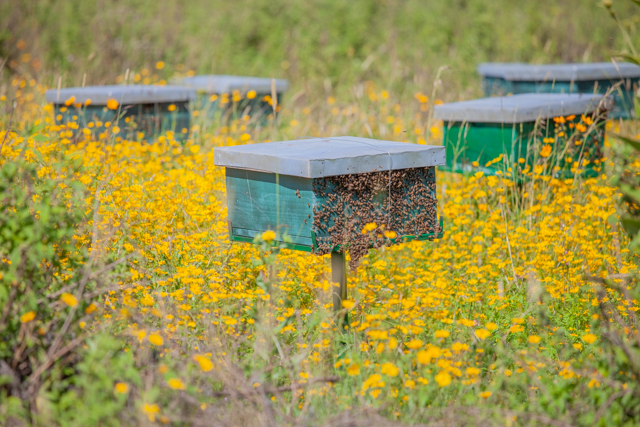
    • Cultural Preservation: Maasai women preserve and spread their cultural history through beadwork, providing tourists with distinctive goods and encouraging cross-cultural interaction.

    Overcoming Barriers: Challenges Faced by Women and Strategies for Support.

    For women in the Asali Project, producing honey has many advantages, but they also frequently face a number of difficulties. These barriers can impede their advancement, ranging from social norms that limit their participation in revenue-generating activities to restricted access to resources and marketplaces.

    Best Practices for Promoting Women’s Participation in the Honey Industry 

    Adopting best practices that promote empowerment and success is essential to increasing women’s involvement in the honey sector. Offering focused training courses on financial literacy, marketing tactics, and beekeeping methods can provide women the tools they need to be successful in the honey industry. They can expand their reach and boost profitability by making microloans more accessible and forming alliances with regional marketplaces. Furthermore, establishing a helpful network of peer learning and mentorship can provide insightful direction and inspiration, similar to the Zara Charity skill training initiative. We can increase the influence of women in the honey sector and create the conditions for their long-term success by giving priority to empowerment programs and specialized support networks.

    The Asali Project‘s success has sparked similar projects throughout Tanzania. With the help of African People & Wildlife, the Women’s Beekeeping Initiative enables more than 1,900 women from 100 organizations to start eco-friendly enterprises.
    In addition to offering financial opportunities, these initiatives help women develop their leadership and decision-making abilities, which challenges gender norms and advances gender equality.

    The Future of Women Empowerment Through Honey Production

    The Asali Project is a prime example of how sustainable projects may support environmental preservation, community development, and women’s empowerment. Zara Charity has sparked a revolutionary movement that extends beyond the boundaries of Isirwa village by giving Maasai women the resources and encouragement they need to produce honey and create beaded crafts.
    As these ladies continue to prosper, their tales demonstrate the ability of neighborhood-based projects to bring about long-lasting change.

  • From Hive to Market: The Journey of Maasai Honey.

    From Hive to Market: The Journey of Maasai Honey.

    A silent revolution is changing lives in the savannahs of northern Tanzania, especially in the Ngorongoro Conservation Area. For the Maasai people, the hum of bees in the undulating hills and plains dotted with acacia signifies a new era of opportunity in addition to the rhythm of nature. The amazing journey of Maasai honey from hive to market is told here, fusing traditional knowledge with contemporary, eco-friendly practices. Through the Asali Project, Zara Charity is educating the local Maasai, especially women, about environmentally conscious beekeeping. They will be provided with modern hives, safety equipment, and technical assistance.

    They produce honey that is of exceptional quality and ecological value because it is organic, nutrient-dense, and made from a range of regionally specific floral sources. Beyond simply being a delicious product, Maasai honey is a symbol of a movement for cultural preservation, resilience, and fair economic growth founded on environmental management.

    The Genesis: Zara Charity and the Asali Project

    A key component of this shift is the Asali Project, a project of Zara Charity, a Tanzanian group devoted to environmental preservation and community development. In order to give indigenous Maasai women a job and a source of income through honey production and beading, the project started in 2022 in Isirwa village with 20 trial beehives. Asali, which translates to “honey” in Swahili, perfectly captures the spirit of the project: utilizing beekeeping to promote both economic growth and environmental preservation.

    In partnership with Zara Charity, a local community organization manages the Asali Project. To ensure the success of the pilot phase, beekeepers and experts in honey production provided technical support. By donating a portion of the proceeds from honey sales to the Ngorongoro Maasai Preschool, the project’s all-encompassing approach not only empowers women but also advances education.
    Buzzing Beginnings: The Beekeeping Process

    The arduous process of beekeeping is where the journey of Maasai honey starts. Beekeeping has become a secondary source of income for Maasai women, who have traditionally been pastoralists. They receive education with the help of Zara Charity in contemporary beekeeping techniques like building hives, managing colonies, and collecting honey.
    In the midst of the Ngorongoro region’s abundant biodiversity, bees forage and collect nectar from a variety of native plants. This helps the ecosystem by encouraging the pollination of native plants in addition to producing high-quality honey.

    To ensure purity and quality, Maasai women harvest and process the honey locally. Maasai women are able to extract, process, and package honey according to standards that make it suitable for both domestic and foreign markets thanks to the Asali Project.

    Empowering Women: Economic and Social Impact

    The Asali Project‘s focus on women’s empowerment is among its most crucial elements. The project gives Maasai women a steady source of income by involving them in beekeeping, which raises their social status and financial independence in the community.
    Women can improve their living conditions, invest in education, and support their families with the money they earn from selling honey. Additionally, the Zara Charity offers beading classes, which enable women to create and sell unique items and further diversify their sources of income.

    Beekeeping empowers the women, which has a rippling effect throughout the community. It challenges established gender roles, promotes gender equality, and empowers women, resulting in greater social development.

    From Local to Global: Marketing Maasai Honey

    Maasai honey is transported to the market after it has been processed and packed. The Asali Project has built channels for selling honey to tourists that visit Zara Tours’ properties and the project center. Furthermore, the honey is sold in a variety of stores, providing a steady source of cash for the project and boosting the local economy.
    The project’s dedication to quality and sustainability has sparked interest beyond local markets. Tanzania produces roughly 32,000 metric tons of honey per year and is Africa’s second-largest honey producer, therefore there is tremendous opportunity for Maasai honey to reach worldwide markets.

    In order to take advantage of the growing demand for ethically and organically produced goods worldwide, efforts are being made to explore export potential. By positioning Maasai honey as a luxury good, the Asali Project aims to boost local beekeepers’ incomes while also boosting the national economy.

    Sustainable Practices: Environmental Stewardship

    By its very nature, beekeeping encourages environmental preservation. Bees contribute to plant pollination, which boosts biodiversity and improves ecosystem health. By emphasizing sustainable methods, the Asali Project makes sure that beekeeping operations don’t negatively impact the environment.
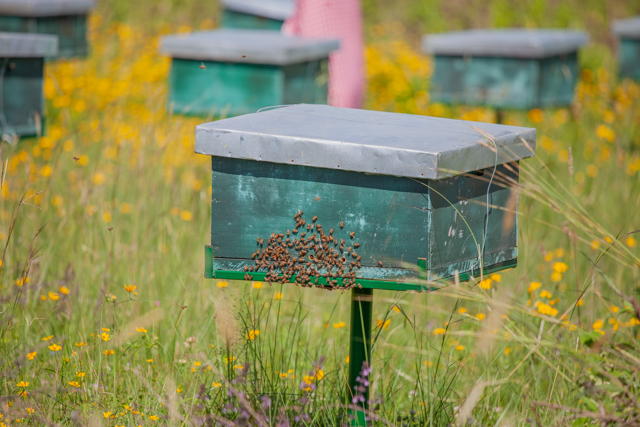
    Beekeepers receive training on the importance of preserving natural habitats and refraining from the use of dangerous chemicals. The Asali Project contributes to the long-term sustainability of the area by encouraging a mutually beneficial relationship between beekeepers and the environment.

    The project also helps Tanzania’s larger conservation initiatives, such as community-based natural resource management and sustainable tourism. The Asali Project serves as a model for striking a balance between environmental responsibility and economic development by integrating environmental stewardship into its primary operations.

    Challenges and Opportunities: Navigating the Path Ahead

    Despite its remarkable achievements, the Asali Project by Zara Charity  still faces the same challenges as other community-based initiatives. These include the need for continual training and capacity building, unstable market prices, and restricted financial access.
    The project is looking to work with governmental and non-governmental organizations, as well as businesses, to overcome these challenges. Partnerships can provide market access, financial support, and technical assistance, enhancing the project’s resilience and scalability.

    Additionally, spending money on research and development can lead to advancements in beekeeping methods, product diversification, and value addition. By investigating opportunities like beeswax products, propolis, and royal jelly, beekeepers can boost their income.
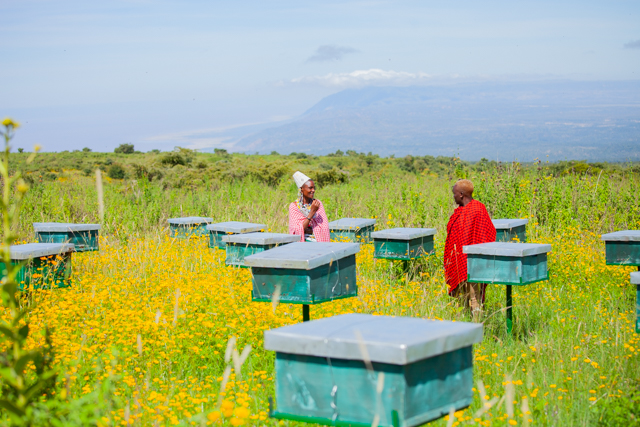
    By adopting a comprehensive strategy that integrates economic, social, and environmental goals, the Asali Project may continue to thrive and serve as a model for similar initiatives throughout the region.

    Conclusion: Future Ahead

    Beyond simply being a charming success story, the journey of Maasai honey from hive to market is a tale of cultural preservation, sustainability, and empowerment. By fusing traditional knowledge with contemporary methods, Zara Charity’s Asali Project has demonstrated the transformative potential of community-driven development and produced long-lasting results.
    As the project expands, it offers a powerful example of how beekeeping could serve as a catalyst for constructive change. In addition to receiving premium honey, customers who support the Asali Project also contribute to the livelihoods of Maasai women, the education of children, and the preservation of Tanzania’s varied wildlife.

    Each jar of Maasai honey tells a tale of tenacity, ingenuity, and hope. It serves as an example of what can happen when communities band together and are motivated by a common goal of creating a more sustainable and delicious future.