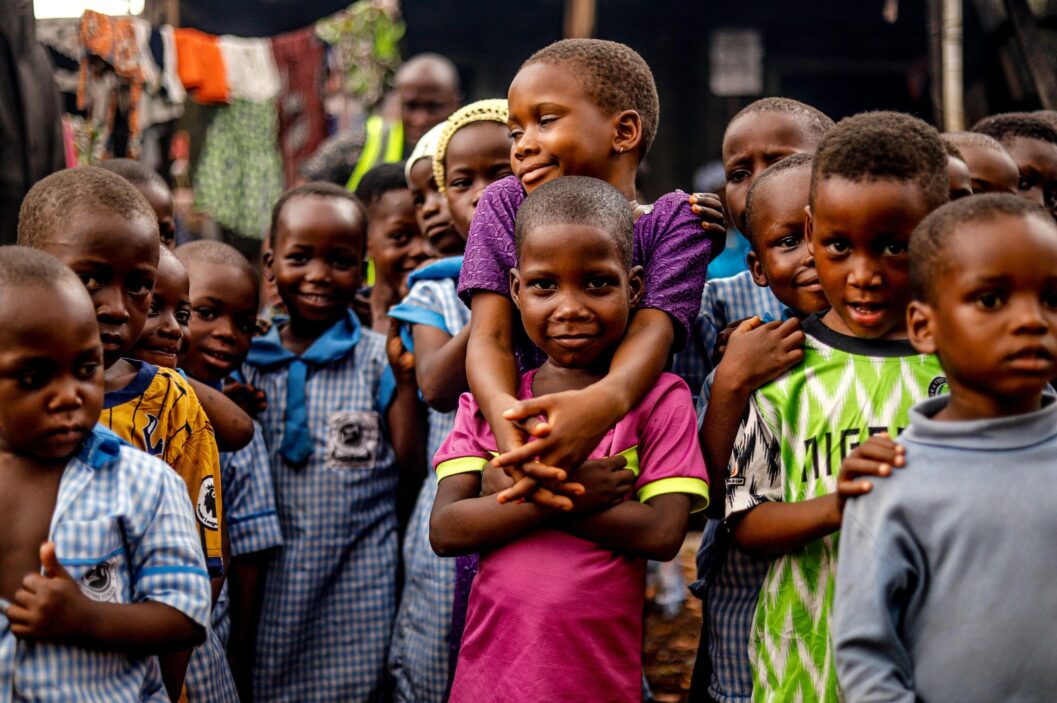
Breaking the Literacy Cycle: Inside the Maasai Pre-School in the Ngorongoro Crater
How community-centered, culturally adaptive education is rewriting the future for Indigenous children in northern Tanzania.
The morning mist clings low to the caldera floor of the Ngorongoro Crater, a geographic marvel frequently dubbed the “Eighth Wonder of the World”. This breathtaking landscape is globally renowned for its sweeping savannahs, volcanic calderas, and the dense concentration of African wildlife that roams its expanse. Yet, interwoven with this natural sanctuary is the ancestral home of the Maasai people—a pastoralist community known for its vibrant culture, rich traditions, and fierce resilience.
For generations, the Maasai have coexisted with the wildlife of northern Tanzania. However, as the modern world rapidly evolves around them, a quiet crisis has persisted just beneath the surface of this nomadic lifestyle: a profound gap in early childhood education. In remote areas like the Ngorongoro Conservation Area, traditional primary schools are miles away, leaving the youngest children completely isolated from early learning opportunities. Without foundational literacy and numeracy, many children face high dropout rates, structural inequality, and lifelong barriers to economic independence.
Recognising this critical challenge, the Zara Tanzania Charity established the Ngorongoro Maasai Preschool Project. This community-centred initiative serves as a vital bridge between Indigenous traditions and modern education, designed specifically to break the generational cycle of illiteracy. By providing a safe environment, structural support, and early education tailored to the community’s needs, this project is rewriting the future for hundreds of Maasai children.
The Landscape of Education in Rural Tanzania
To understand the profound impact of the Maasai Pre-School Project, one must first examine the systemic barriers to education that exist within rural Tanzania, particularly for indigenous communities.
1. Geographic Isolation and the Long Walk to School
In urban centres like Moshi or Arusha, educational infrastructure is readily accessible. In contrast, families living within the Ngorongoro Conservation Area reside in scattered bomas (traditional circular villages made of mud, sticks, and thatch). Government primary schools are often located hours away on foot. For a seven-year-old child, walking ten to fifteen kilometres across terrain populated by large wildlife is not only exhausting—it is inherently dangerous. Consequently, many children do not begin school until they are much older, if they enrol at all.
2. The Language Barrier: Maa vs. Kiswahili vs. English
Maasai children grow up speaking Maa, their native tongue. When they eventually enter the public school system at age seven or eight, the national curriculum requires immediate instruction in Kiswahili (the national language of Tanzania), with English introduced as a core subject. For a child who has never encountered these languages, the sudden transition is overwhelming. Without an early childhood education programme to bridge this linguistic gap, many Indigenous children fall behind instantly, leading to chronic low retention rates.
3. Economic and Cultural Demands
The traditional Maasai economy revolves around livestock—cattle, goats, and sheep. From a young age, children are integrated into this pastoral lifestyle. Boys are frequently tasked with herding animals across vast distances, while young girls take on household responsibilities, such as fetching water, gathering firewood, and caring for younger siblings. Without localised pre-schools that respect and adapt to these cultural schedules, education is often viewed as a competing force against family survival rather than an asset.
The Zara Charity Vision: Culturally Adaptive Early Education
When Mama Zara (Zainab Ansell) founded Zara Tanzania Charity, the mission was clear: sustainable development must be driven by community empowerment. Rather than attempting to alter the rich cultural fabric of the Maasai, the charity designed an educational intervention that honours indigenous heritage while providing the tools necessary to navigate the modern economy.
Zara Charity Holistic Framework
EDUCATIONAL PILLAR
- Maa-to-Kiswahili Translation
- Foundational Numeracy & Literacy
- Daily Nutrition Programmes
COMMUNITY SUSTAINABILITY
- Local Teacher Employment
- Parental Engagement
- Micro-enterprise Links
Bridging the Linguistic Divide
The Maasai Pre-School Project does not seek to replace the Maa language; instead, it utilises a bilingual, culturally adaptive curriculum. Local teachers, fluent in both Maa and Kiswahili, introduce foundational language skills gently. Children learn to read, write, and count through songs, storytelling, and interactive games that seamlessly translate concepts from Maa to Kiswahili. By the time these students transition to public primary schools, they possess the linguistic confidence required to excel alongside their peers.
Safe Infrastructure and Creative Spaces
Through the support of international donors, eco-conscious travellers, and corporate social responsibility partnerships, Zara Charity has built safe, structured classrooms directly within the community. These facilities eliminate the treacherous long-distance walks for toddlers and young children. Equipped with proper desks, blackboards, and educational materials, these schools turn abstract concepts into tangible lessons. For a community where learning was traditionally passed down purely through oral history, the introduction of colourful books and educational toys opens a completely new window to the world.
Nutrition and Healthcare: The Pillars of Learning
An empty stomach cannot absorb a lesson. In rural Tanzania, where seasonal droughts can severely impact food security and livestock health, malnutrition is a persistent threat to child development. Zara Tanzania Charity understands that academic success is inextricably linked to physical well-being.
The Daily Feeding Programme
For many students attending the Maasai preschool, the hot porridge served daily at the centre is their most reliable source of nutrition. This dietary supplement is fortified with essential vitamins and minerals designed to combat stunting and boost cognitive development.
The impacts of this simple feeding programme are multi-faceted:
- Drastic Increase in Daily Attendance: Parents are highly incentivised to send their children to school knowing they will receive a nutritious meal.
- Heightened Focus and Cognitive Engagement: Children display greater attention spans and higher energy levels throughout the morning.
- Alleviated Household Burden: Providing a meal reduces the financial and resource pressure on vulnerable families during times of drought.
Basic Health and Hygiene Interventions
The preschool also serves as a frontline health post for young children. Teachers incorporate basic hygiene habits—such as handwashing with clean water and dental care—into the daily routine. Furthermore, through partnerships with visiting medical volunteers, Zara Charity facilitates routine health checks, immunisations, and anti-parasitic treatments, ensuring that easily preventable illnesses do not derail a child’s educational journey.
Empowering the Whole Community: The Role of Women
The Maasai Pre-School Project does not operate in isolation; it is deeply intertwined with another core initiative of Zara Charity: Maasai Women Make a Change.
In traditional pastoralist structures, women often lack direct access to financial independence or decision-making power. By placing the pre-school at the heart of the community, Zara Charity has created a natural ecosystem for women’s empowerment.
Economic Freedom Through Craftsmanship
While their children are safely learning inside the classrooms, Maasai mothers gather nearby at the vocational training spaces. Here, they utilise their exquisite, traditional beadwork skills to manufacture jewellery, homeware, and textiles for the tourism market. Zara Charity assists these artisans by providing business management training, financial literacy workshops, and a direct marketplace through Zara Tanzania Adventures lodges and safari camps.
Reinvesting in Education
When a Maasai woman earns her own income, the ripple effect is immediate and profound. Data consistently shows that women reinvest up to 90% of their earnings back into their families. The income generated by these female entrepreneurs directly funds school uniforms, books, and secondary school tuition for their children. By empowering the mother, the charity secures a permanent, sustainable support system for the student, creating an unbreakable chain of progress.
From the Slopes to the Classroom: The Ethical Tourism Connection
One of the most unique aspects of Zara Tanzania Charity is its sustainable funding model, which creates a direct link between luxury adventure tourism and grassroots community development.
Voluntourism and the Global Community
Through the Volunteer Tanzania programme, travellers from across the globe have the unique opportunity to transition from passive sightseers into active change-makers. Volunteers visit the Maasai Pre-School to assist local teachers, organise sports activities, facilitate English language workshops, and support structural maintenance. This cross-cultural exchange broadens the horizons of the local children while providing international visitors with a deep, authentic understanding of life in Tanzania.
The Footprint of Conscious Travellers
Every traveller who books a safari through Zara Tanzania Adventures or climbs the roof of Africa with the Mount Kilimanjaro Porters Society (MKPS) contributes directly to these community projects. A percentage of all tourism proceeds is funnelled directly into the charity’s operational funds, paying for teacher salaries, school supplies, and infrastructure expansion. This model proves that responsible tourism can—and should—be a powerful vehicle for poverty alleviation and educational equity.
Quantifiable Impact: Changing the Statistics
The success of the Ngorongoro Maasai Pre-School Project is evident not just in the laughter that fills the classrooms but in the measurable data collected over years of dedicated operation.
| Impact Metric | Before Zara Charity Intervention | With Zara Charity Intervention |
|---|---|---|
| Primary School Enrolment Rates | Less than 40% in remote bomas | Over 85% enrolment among pre-school graduates |
| Linguistic Proficiency (Kiswahili) | Minimal to none at age 7 | Conversational and literate before Grade 1 |
| Gender Parity in Early Education | Significant male bias | Equal ratio of boys and girls in classrooms |
| Daily Nutritional Access | Dependent on seasonal herd yields | Guaranteed daily fortified hot meal |
Furthermore, primary schools surrounding the Ngorongoro region report that children entering from the Zara Charity pre-school programme consistently rank at the top of their classes. They demonstrate advanced social development, superior problem-solving skills, and a drastically lower dropout rate compared to children who did not receive early childhood intervention.
The Path Forward: How You Can Join the Movement
While the achievements of the Maasai Pre-School Project are significant, the demand for early education in rural Tanzania remains immense. Dozens of remote communities still lack access to safe classrooms, and many children remain vulnerable to the cycle of illiteracy. Zara Tanzania Charity offers several transparent, direct avenues for global citizens to get involved and create a lasting impact.
1. The Child Sponsorship Programme
Through the Can I Sponsor a Child Project, donors can directly fund an underprivileged child’s educational pathway. Sponsorship covers the cost of school uniforms, learning materials, daily meals, and medical care, ensuring that financial constraints never force a child out of the classroom.
2. Infrastructure Expansion: The “Buy a Brick” Initiative
To reach more remote bomas, Zara Charity continuously works to expand existing facilities and build new early learning centres. Contributions to the infrastructure fund go directly towards buying sustainable building materials, hiring local construction labourers, and purchasing durable school desks and blackboards.
3. Corporate Partnerships and Eco-Tourism
Corporations and travel agencies can partner with Zara Charity to sponsor entire classrooms, fund water harvesting systems for schools, or launch new micro-enterprise projects for Maasai women’s groups. Additionally, simply choosing to travel ethically with sustainable operators ensures that your journey directly funds the preservation of the communities you visit.
A New Dawn for the Ngorongoro Youth
True sustainable development does not mean erasing a community’s identity; it means providing the tools necessary for that community to define its own future. The Ngorongoro Maasai Pre-School Project is a testament to what is possible when education is approached with cultural humility, structural integrity, and long-term vision.
As the school bell rings across the caldera, echoing past the acacia trees and wildlife, it carries with it a new song—one of literacy, opportunity, and hope. The children sitting at their desks today will be the conservationists, entrepreneurs, doctors, and community leaders of tomorrow. Through the unwavering support of Zara Tanzania Charity, the cycle of illiteracy is being broken, one child, one word, and one bright future at a time.
Leave a Reply