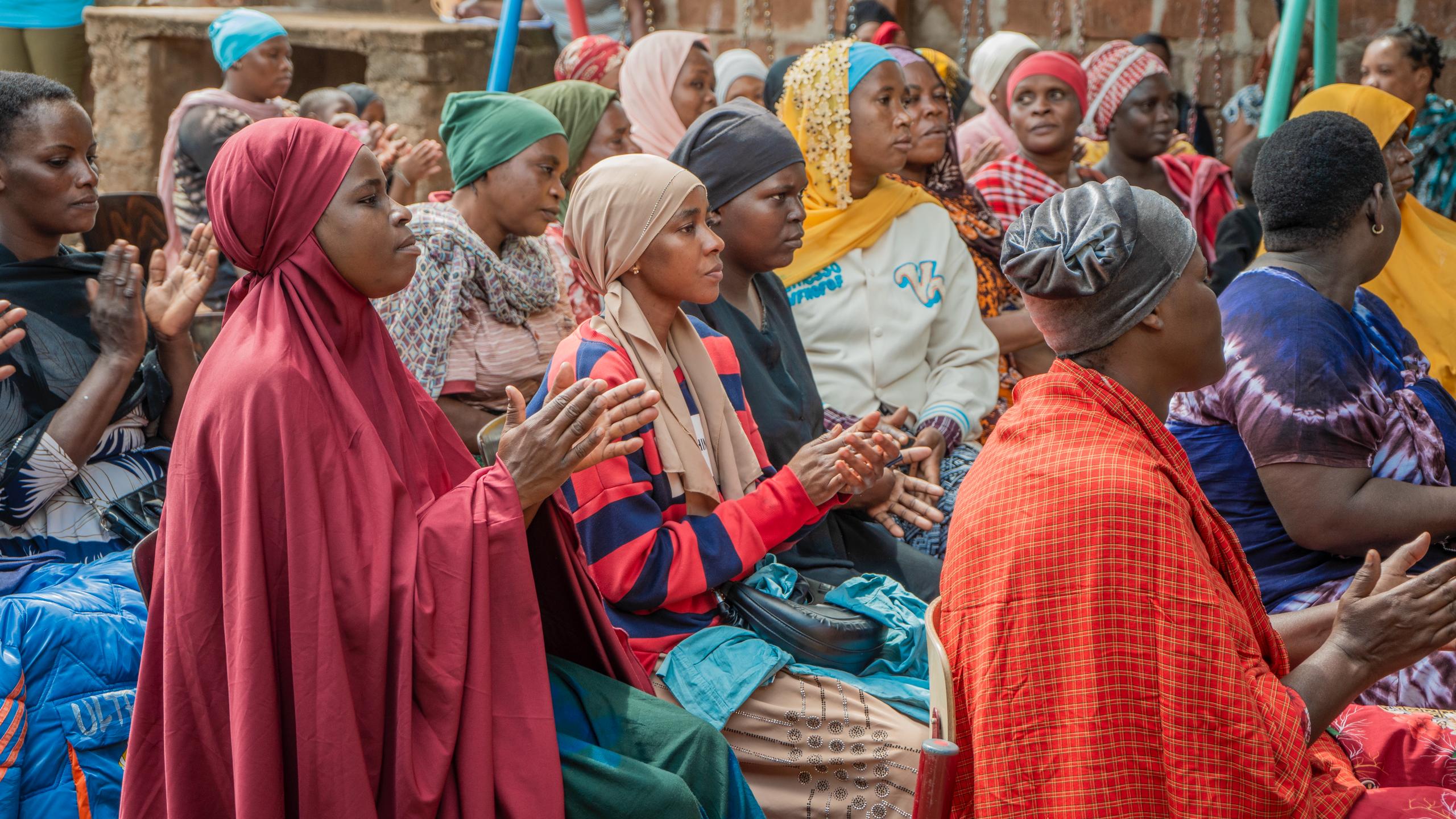
In the vibrant town of Moshi, Tanzania, nestled at the foot of Mount Kilimanjaro, the Moshi Women Make a Change Training Center is transforming lives through women’s empowerment in Tanzania. By equipping women with vocational training for women, such as sewing training, soap making, and tailoring, this initiative, inspired by organizations like Zara Charity projects, is fostering financial independence, self-confidence, and community impact. This SEO-rich blog explores the centre’s mission, the skills taught, the success stories of its first trainees, and how these efforts align with global frameworks for women’s empowerment, including the five components, five dimensions, and seven principles.
Understanding Women’s Empowerment: Frameworks and Principles

Women’s empowerment in Tanzania is a multifaceted process that enables women to gain control over their lives, make strategic choices, and drive societal change. Drawing from global frameworks like those from the United Nations and UN Women, we outline the key components, dimensions, and principles that guide initiatives like the Moshi training centre and Zara Charity projects.
Five Components of Women’s Empowerment
The United Nations identifies five critical components of women’s empowerment, which are central to the Moshi centre’s approach:
Sense of Self-Worth: Building confidence in women’s inherent value and capabilities.
Right to Determine Choices: Enabling women to make decisions about their careers and personal lives.
Access to Opportunities and Resources: Providing education, vocational training for women, and economic resources like microloans.
Power to Control Their Lives: Ensuring authority over personal and professional spheres.
Ability to Influence Social Change: Equipping women to advocate for a more equitable society.
These components are evident in the Moshi centre’s programs, where women gain skills, access tools like sewing machines, and contribute to community development.
Five Dimensions of Women’s Empowerment
Research highlights five dimensions critical to women’s empowerment, particularly in economic and health contexts:
- Freedom of Movement: The ability to engage in activities outside the home.
- Economic Security and Stability: Access to income-generating opportunities.
- Support by Family and Freedom from Domination: A supportive environment free from oppression.
- Decision-Making in Daily Life: Power to make household and personal choices.
- Relationship with Community and Social Participation: Active engagement in community leadership.
The Moshi centre fosters these dimensions through sewing training and other skills, enabling women to work independently and engage with their communities.
Seven Principles of Women’s Empowerment

The Women’s Empowerment Principles (WEPs) by UN Women provide a framework for promoting gender equality:
High-Level Leadership for Gender Equality: Committing to champion gender equality.
Fair Treatment at Work: Ensuring non-discrimination and equal opportunities.
Health, Safety, and Well-Being: Prioritizing women’s physical and mental health.
Education, Training, and Development: Offering skill-building opportunities like vocational training for women.
Enterprise Development and Supply Chain: Supporting women-led businesses.
Community Initiatives for Equality: Advocating for gender equality locally.
Measure and Report Progress: Tracking and sharing gender equality outcomes.
The Moshi centre aligns with these principles by providing a safe learning environment and supporting women’s entrepreneurship, similar to Zara Charity projects.
Six S’s of Women’s Empowerment
The Six S’s, often referenced in empowerment frameworks, include:
Skills: Providing vocational training for women to enhance employability.
Self-Confidence: Building belief in personal abilities.
Support: Creating networks of encouragement and resources.
Safety: Ensuring safe environments for work and learning.
Social Status: Elevating women’s roles in society.
Sustainability: Promoting long-term economic and social empowerment.
These elements are core to the Moshi centre’s mission, where sewing training and soap making boost confidence and sustainability.
Key Principle and Essential Element
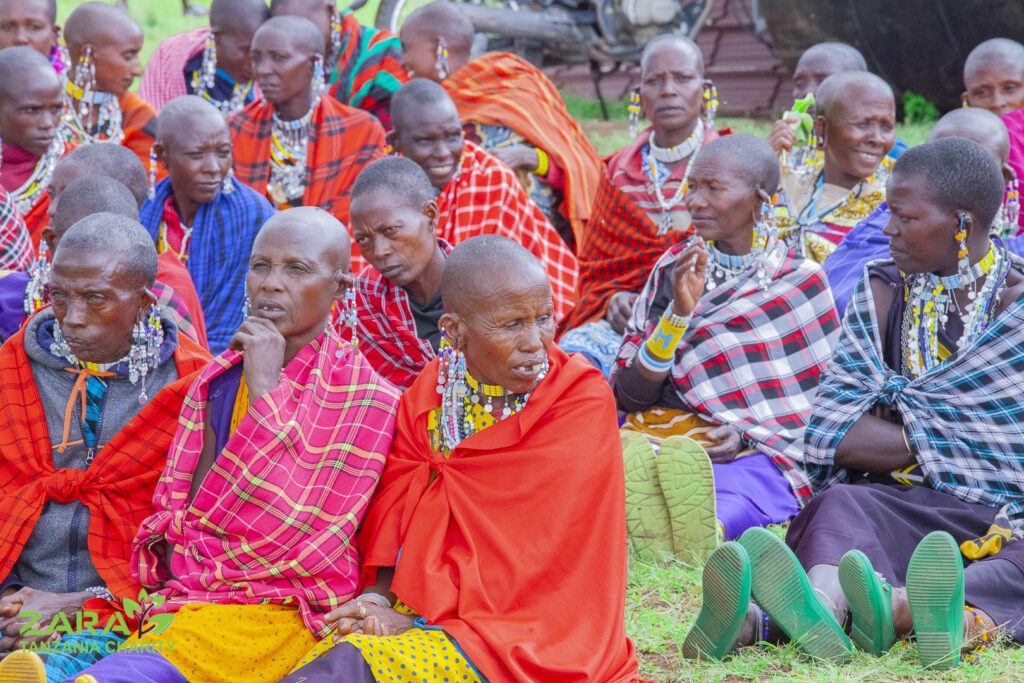
The key principle of women’s empowerment is agency—the ability to make strategic life choices. The most essential element is education and training, as it underpins all other aspects, enabling access to resources and opportunities. This is exemplified by Zara Charity projects focusing on vocational skills
Three L’s and Three E’s of Women’s Empowerment
While less formally defined, the Three L’s and Three E’s are understood as:
- Three L’s: Learn (acquiring skills), Lead (taking leadership roles), Lift (mentoring others).
- Three E’s: Education (foundational learning), Employment (economic independence), Empowerment (agency and opportunity).
These align with the Moshi centre’s focus on skill acquisition, leadership, and community impact.
Seven Fundamental Dimensions
The seven fundamental dimensions of empowerment combine the five dimensions with: 6. Political Participation: Involvement in governance and advocacy. 7. Psychological Empowerment: Building mental resilience and confidence.
These dimensions guide the centre’s holistic approach to empowering women.
The Moshi Women Make a Change Training Center: A Beacon of Empowerment
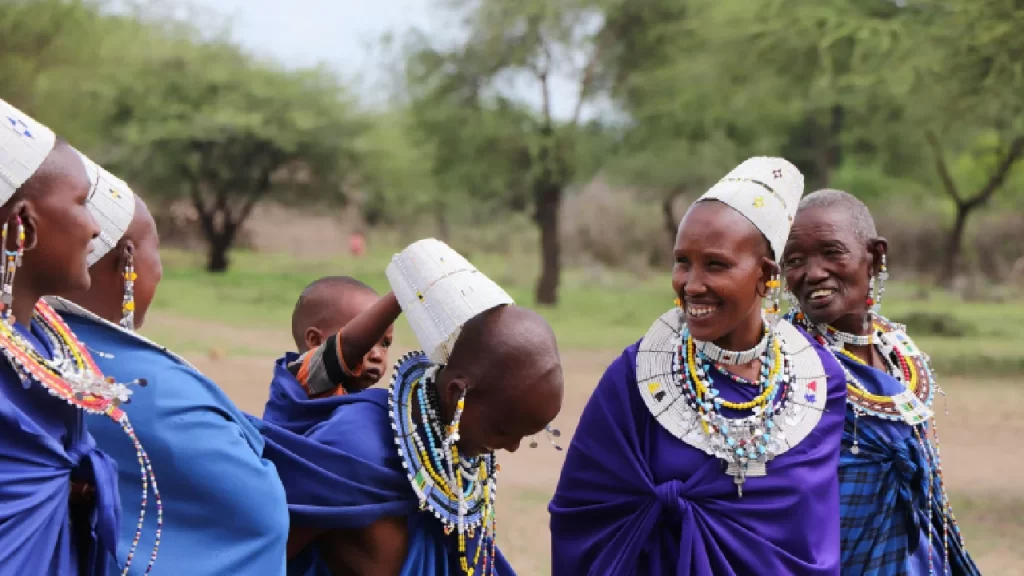
The Moshi Women Make a Change Training Center, inspired by initiatives like Zara Charity projects and Give Heart to Africa, embodies these empowerment frameworks through vocational training for women. By teaching sewing training, soap making, and tailoring, the centre addresses the components, dimensions, and principles of women’s empowerment.
Sewing: Stitching Confidence and Opportunity

The sewing training program teaches women to operate sewing machines, create patterns, and produce garments like kangas and school uniforms. This aligns with the skills component of the Six S’s and the WEPs’ education and training principle. Graduates receive sewing machines, ensuring access to resources and enabling them to start businesses, as seen in Zara Charity projects for Maasai women.
Soap Making: Crafting Economic Independence
Soap making, with low startup costs, is ideal for women with family responsibilities. Trainees produce high-quality soaps using local ingredients, supporting economic empowerment. Business training fosters decision-making in daily life, enabling women to market their products and contribute to social change, mirroring initiatives like the Asali Project by Zara Charity.
Tailoring: Designing a Brighter Future

The tailoring course advances sewing training by teaching design and custom garment creation. This fosters self-worth and social participation as women create bespoke outfits for Moshi’s fashion market. Microloan access supports enterprise development, aligning with the WEPs and Zara Charity projects that promote entrepreneurship.
Success Stories: Real-Life Empowerment in Moshi
The centre’s impact shines through the stories of its first trainees, who embody the frameworks of women’s empowerment.
Amina: From Housewife to Entrepreneur
Amina, a 32-year-old mother, joined the sewing training and tailoring courses to gain self-confidence and economic stability. Her vibrant kangas have made her a local market star, supporting her family and elevating her social status. Her story reflects the right to determine choices and aligns with Zara Charity projects empowering Maasai women.
Fatuma: Soap Making for a Sustainable Future
Fatuma, a single mother, found economic empowerment through soap making. Her shea butter soaps are sold locally, and she employs two women, demonstrating community participation and sustainability. This mirrors the support and safety elements of the Six S’s and initiatives like the Asali Project.
Josephine: A Tailor and Trailblazer
Josephine, a former porter, used her tailoring skills to start a cooperative, embodying leadership and social change. Her business supports Moshi’s fashion industry, reflecting the enterprise development principle and freedom of movement dimension, similar to Zara Charity projects in vocational training.
Challenges and Opportunities
Challenges like funding and market saturation are addressed through partnerships with NGOs like Zara Charity and innovative marketing, ensuring sustainability. Expansion into digital literacy and handicrafts reflects the seven fundamental dimensions, including political and psychological empowerment, aligning with Zara Charity projects like the Asali Project.
Support our movement today
The Moshi Women Make a Change Training Center exemplifies how sewing training and vocational training for women embody the frameworks of women’s empowerment. By supporting initiatives like Zara Charity projects, through donations or advocacy, you can help women like Amina, Fatuma, and Josephine continue to learn, lead, and lift their communities. Visit Zara Charity or Give Heart to Africa to contribute to this transformative movement.
Leave a Reply