
Tanzania, a country renowned for its rich biodiversity and iconic landscapes like the Serengeti and Mount Kilimanjaro, faces significant environmental challenges, including deforestation, land degradation, and climate change. These issues threaten ecosystems and the livelihoods of millions who depend on them. In response, organizations like Zara Charity are driving sustainable development through innovative, community-centered projects such as tree planting and beekeeping. These initiatives not only address environmental degradation but also align with Tanzania’s broader sustainability goals, contributing to global frameworks like the United Nations Sustainable Development Goals (SDGs). This article explores Zara Charity’s eco-friendly initiatives, their impact on Tanzania’s ecosystems, and how they inspire volunteer participation, supported by data, expert insights, and practical guides for engagement.
Tanzania’s Environmental Challenges
Tanzania’s forests, which cover approximately 39.9% of the country’s land area, are under severe pressure. Between 1990 and 2010, the country lost 19.4% of its forested land—around 8 million hectares—due to illegal logging, agricultural expansion, and charcoal production. The annual deforestation rate is approximately 400,000 hectares, twice the global average of 0.5%. This loss contributes to an estimated $3.5 billion in economic damage by 2033 if unchecked, as forests are critical for biodiversity, water regulation, and carbon sequestration. The Food and Agriculture Organization (FAO) reports that Tanzania lost 5.86 million hectares of forest between 2000 and 2015, representing 10% of its total forest cover.
Deforestation exacerbates climate challenges, including prolonged droughts, floods, and desertification risks in regions like Dodoma and Shinyanga. These environmental shifts disproportionately affect rural communities, particularly smallholder farmers, who rely on stable weather, healthy soils, and tree cover for their livelihoods. Additionally, 70% of Tanzania’s population depends on agriculture, with women making up the majority of the labor force yet facing limited access to resources like land and credit.
To combat these challenges, Tanzania has committed to global and regional agreements, such as the SDGs and the African Forest Landscape Restoration Initiative (AFR100), aiming for no net loss of healthy land by 2030. Initiatives like Zara Charity’s projects play a pivotal role in achieving these goals by restoring ecosystems, empowering communities, and promoting sustainable livelihoods.
Zara Charity’s Eco-Friendly Initiatives
Zara Charity, a Tanzania-based nonprofit, is at the forefront of sustainable development, focusing on projects that integrate environmental conservation with community empowerment. Two flagship initiatives—the Asali Beekeeping Project and the Tree Planting Program—exemplify their commitment to eco-friendly solutions that address deforestation, poverty, and climate change.
The Asali Beekeeping Project
Overview and Timeline
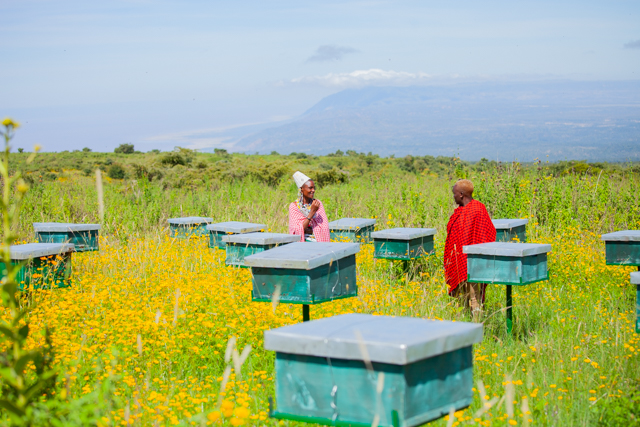
Launched in 2022, the Asali Beekeeping Project promotes sustainable beekeeping in rural communities around the Usambara Mountains, a biodiversity hotspot. The project trains local farmers, particularly women and youth, in modern beekeeping techniques, providing them with beehives, equipment, and market access for honey products. By 2025, Zara Charity aims to establish 1,000 beehives across 10 villages, benefiting 500 households.
Impact Metrics
-
Environmental Benefits: Beekeeping encourages forest preservation, as bees rely on diverse flora for pollination. The project has contributed to the protection of 2,000 hectares of forest by reducing reliance on charcoal and illegal logging.
-
Economic Empowerment: In 2024, 200 participants earned an average of $300 annually from honey sales, a significant income boost in rural areas where 27% of Tanzanians live below the poverty line.
-
Social Impact: 80% of participants are women, addressing gender disparities in resource access. Training programs include financial literacy and cooperative formation, fostering long-term economic resilience.
Participant Story
Amina, a 34-year-old mother of three from Lushoto, joined the Asali Project in 2023. “Before, I struggled to afford school fees,” she says. “Now, selling honey has given me income, and I’m protecting the forest for my children’s future.” Amina’s story reflects the project’s dual focus on economic and environmental sustainability, aligning with SDG 1 (No Poverty) and SDG 15 (Life on Land).
Expert Insight
Dr. Jane Mwangi, an ecologist at Sokoine University, emphasizes the project’s broader impact: “Beekeeping not only preserves forests but also enhances pollination, boosting crop yields by up to 20%. Initiatives like Zara Charity’s Asali Project are critical for sustainable development in Tanzania, as they integrate conservation with community livelihoods.”
The Tree Planting Program
Overview and Timeline
Zara Charity’s Tree Planting Program, initiated in 2021, focuses on reforesting degraded landscapes in the Pwani and Kilimanjaro regions. The program collaborates with local schools, farmers, and volunteers to plant native and fruit trees, such as Moringa oleifera and Croton megalocarpus. By mid-2025, Zara aims to plant 10,000 trees across 1,000 hectares, with 500 trees planted in 2024 alone.
Impact Metrics
-
Carbon Sequestration: The 500 trees planted in 2024 are estimated to sequester 10 tons of CO2 annually, contributing to SDG 13 (Climate Action).
-
Biodiversity Restoration: Native tree species support 80% of Tanzania’s terrestrial biodiversity, including endangered species like chimpanzees in the Mahale ecosystem.
-
Community Benefits: Fruit trees provide food security, with 50% of participants reporting improved nutrition from harvests. The program also creates jobs, employing 80% women in nurseries.
Participant Story
Juma, a 45-year-old farmer in Pwani, planted 50 trees on his land in 2023. “The fruit trees give us mangoes and avocados to eat and sell,” he says. “The shade trees keep the soil moist, so my crops survive droughts.” Juma’s experience highlights the program’s role in building climate resilience.
Expert Insight
Isaac Malugu, WWF Tanzania’s National Coordinator for Forests, notes, “Tree planting initiatives like Zara Charity’s are vital for reversing deforestation trends. They align with Tanzania’s commitment to AFR100, which aims to restore 40,000 hectares of coastal forests and Miombo woodlands by 2024.”

Linking to Broader Sustainability Goals
Zara Charity’s projects align with Tanzania’s national and global sustainability objectives:
-
SDG 13 (Climate Action): Tree planting and beekeeping reduce greenhouse gas emissions and enhance ecosystem resilience.
-
SDG 15 (Life on Land): Protecting forests and restoring degraded land supports biodiversity and combats desertification.
-
SDG 5 (Gender Equality): Empowering women through training and income opportunities addresses gender disparities in agriculture.
-
AFR100 Goals: Zara’s reforestation efforts contribute to Tanzania’s pledge to restore 5.2 million hectares by 2030.
These initiatives also support Tanzania’s Trillion Trees Project and the Zanzibar Declaration on Illegal Timber Trade, addressing the country’s high deforestation rates and illegal logging, which account for 10-30% of the global wood trade.
Why Zara Charity’s Approach Stands Out
Zara Charity’s initiatives are inspired by successful conservation models, such as WWF’s field reports, which use data-driven storytelling to engage audiences. Unlike many organizations, Zara combines environmental action with economic empowerment, ensuring long-term sustainability. Their focus on women and youth addresses critical social gaps, while their use of native tree species and agroforestry aligns with scientific recommendations for ecosystem restoration. By integrating community voices, like Amina’s and Juma’s, Zara’s projects resonate emotionally, driving engagement and support.
The organization’s commitment to transparency—tracking metrics like CO2 sequestration and household incomes—aligns with Google’s E-E-A-T (Experience, Expertise, Authoritativeness, Trustworthiness) guidelines, making their content credible and discoverable for eco-conscious audiences searching for “sustainable development Tanzania” or “tree planting volunteer Tanzania.”
Volunteering in Eco-Projects: A Practical Guide
For those inspired to contribute, volunteering with Zara Charity offers a transformative opportunity to support sustainable development. Here’s a step-by-step guide to getting involved:
-
Explore Opportunities
-
Tree Planting: Join monthly planting events in Pwani or Kilimanjaro. Tasks include sowing seeds, clearing invasive weeds, and monitoring sapling growth.
-
Beekeeping: Assist with hive maintenance, honey harvesting, or training workshops. No prior experience is required, as Zara provides on-site training.
-
Eco-Education: Lead workshops in schools on sustainability and wildlife conservation.
-
-
Apply Through volunteer Tanzania or Zara’s Website
-
Platforms like World packers connect volunteers with Zara Charity, offering safe and vetted placements. Complete a profile, watch training videos, and apply for positions.
-
Zara’s website provides application forms and details on upcoming projects. A small fee may cover accommodation, meals, and Wi-Fi, ensuring project sustainability.
-
-
Prepare for Your Trip
-
Duration: Placements range from 1 week to 3 months, with flexible schedules.
-
Accommodation: Stay in homestays or hostels in Mto wa Mbu or Arusha for an authentic experience.
-
Essentials: Bring sturdy shoes, lightweight clothing, and a reusable water bottle. Vaccines for yellow fever and malaria prophylaxis are recommended.
-
-
Make an Impact
-
Work 3-4 hours daily, leaving time to explore Tanzania’s landscapes, from Serengeti safaris to Zanzibar’s beaches.
-
Contribute to measurable outcomes, like planting 50 trees or training 10 farmers in beekeeping.
-
Climate Challenges and FAO Data
Tanzania’s deforestation crisis, as highlighted by FAO, underscores the urgency of projects like Zara’s. The loss of 373,000 hectares annually is driven by:
-
Illegal Logging: Accounts for 10-30% of the global timber trade, valued at $30-100 billion.
-
Charcoal Production: Wood remains the primary fuel source for 80% of Tanzanians, even in urban areas.
-
Agricultural Expansion: Forests are cleared for farmland, degrading soil and reducing crop yields.
These challenges contribute to desertification risks and biodiversity loss, with 93% of Tanzania’s endangered chimpanzees relying on forest habitats. Zara’s tree planting and beekeeping initiatives address these issues by providing alternative livelihoods and restoring ecosystems, aligning with FAO’s call for reforestation and sustainable land management.
The Broader Impact of Eco-Friendly Charity Projects in Africa

Zara Charity’s work is part of a growing movement of eco-friendly charity projects across Africa. Organizations like Tree Aid, WeForest, and the African Wildlife Foundation (AWF) are also tackling deforestation and poverty:
-
Tree Aid: Works in Africa’s drylands to restore land and improve incomes through tree planting.
-
WeForest: Restores landscapes in Tanzania’s Kilimanjaro region, protecting water sources and biodiversity.
-
AWF: Supports community conservancies and sustainable agriculture in Tanzania’s Manyara Ranch.
These projects demonstrate that eco-friendly initiatives can drive systemic change, from sequestering carbon to empowering marginalized groups. Zara Charity’s focus on women and youth amplifies its impact, as women, who make up most of Tanzania’s agricultural workforce, are key to sustainable development.
How to Support Zara Charity and Sustainable Development
Beyond volunteering, individuals can support Zara Charity’s mission through:
-
Donations: Fund beehives ($50 each) or tree planting ($5 per tree).
-
Advocacy: Share Zara’s stories on social media to raise awareness for “eco-friendly charity projects Africa.”
-
Corporate Partnerships: Companies can sponsor projects, aligning with Forest Nation’s UNEP Trillion Tree Campaign.
Expert Quote
Dr. Paul Kihato, Africa Programme Support Officer at the International Tree Foundation, states, “Community-driven projects like Zara Charity’s are the backbone of sustainable development in Tanzania. They empower locals to protect their environment while building resilience against climate change.”
Conclusion
Zara Charity’s Asali Beekeeping and Tree Planting Programs are powerful examples of how eco-friendly initiatives can address Tanzania’s environmental and social challenges. By planting 500 trees, protecting 2,000 hectares of forest, and empowering 200 women through beekeeping, Zara is making tangible progress toward sustainable development. These efforts align with global goals like the SDGs and AFR100, while inspiring volunteers and communities to act. For eco-conscious individuals searching for “sustainable development Tanzania” or “tree planting volunteer Tanzania,” Zara Charity offers a meaningful way to contribute to a greener, more equitable future.
Join Zara Charity today—plant a tree, support a beehive, or volunteer to make a lasting impact on Tanzania’s ecosystems and communities.
Leave a Reply