Tanzania is home to some of Africa’s most iconic natural treasures—from the snow-capped peak of Mount Kilimanjaro to the vast Serengeti plains, and from the crystal waters of Zanzibar to the biodiversity-rich forests of the Eastern Arc Mountains. However, these precious ecosystems face mounting threats from climate change, deforestation, pollution, and unsustainable development.
If you’re passionate about environmental conservation and want to support organizations making a tangible difference in Tanzania, this comprehensive guide will help you identify highly-rated environmental NGOs and charities where your donations can create lasting impact.

Why Environmental Protection Matters in Tanzania
Tanzania’s natural environment is not just beautiful—it’s essential for the country’s economy, food security, and the wellbeing of its people. The tourism industry, which relies heavily on wildlife and natural landscapes, contributes approximately 17% to Tanzania’s GDP and provides livelihoods for millions of Tanzanians.
However, the country faces critical environmental challenges:
- Deforestation: Tanzania loses approximately 400,000 hectares of forest annually, one of the highest rates in Africa
- Wildlife poaching: Despite progress, elephant and rhino populations remain threatened by illegal hunting
- Coastal degradation: Marine ecosystems around Zanzibar and the mainland coast face pollution and overfishing
- Climate vulnerability: Changing rainfall patterns affect agriculture, water availability, and food security
- Plastic pollution: Urban areas and tourist destinations struggle with waste management
Supporting environmental protection charities in Tanzania means investing in solutions to these pressing challenges.
What Makes an Environmental Charity “Highly Rated”?

Before we explore specific organizations, it’s important to understand what separates exceptional environmental NGOs from the rest. When evaluating charities for environmental protection, consider these criteria:
1. Transparency and Accountability
Top-rated charities publish annual reports detailing their activities, finances, and impact. They’re registered with the Tanzania Non-Governmental Organizations Coordinating Board and maintain clear communication channels with donors.
2. Measurable Impact
Look for organizations that track and report specific outcomes—trees planted, hectares protected, communities engaged, or species populations stabilized. Avoid charities that speak only in vague terms about their work.
3. Community Engagement
The most effective environmental conservation happens when local communities are partners, not bystanders. Highly-rated NGOs involve Tanzanian communities in decision-making and ensure conservation efforts support local livelihoods.
4. Financial Efficiency
Examine how much of each donation goes directly to conservation programs versus administrative costs. Organizations spending 70-80% or more on programs are generally considered efficient.
5. Long-term Approach
Environmental protection requires sustained effort. The best charities demonstrate multi-year commitments to their conservation areas rather than short-term, project-based interventions.
Top Environmental Protection Charities Operating in Tanzania
1. Tanzania Forest Conservation Group (TFCG)
Focus Areas: Forest conservation, biodiversity protection, community forestry
The Tanzania Forest Conservation Group stands out as one of the country’s most impactful environmental NGOs. Established in 1985, TFCG works to protect Tanzania’s forests through community-based conservation, policy advocacy, and scientific research.
Key Achievements:
- Protected over 2 million hectares of forest through community forest management
- Involved more than 500 villages in participatory forest conservation
- Reduced deforestation rates in project areas by up to 80%
Why They’re Highly Rated: TFCG publishes detailed annual reports, maintains strong partnerships with the Tanzania Forest Service, and demonstrates clear impact metrics. Their community-centered approach ensures local people benefit from conservation.
2. Wildlife Conservation Society of Tanzania (WCST)
Focus Areas: Wildlife protection, anti-poaching, habitat conservation
WCST has been at the forefront of wildlife conservation in Tanzania since 1988. They work across multiple protected areas, supporting anti-poaching efforts, wildlife monitoring, and community conservation programs.
Key Achievements:
- Supported the recovery of elephant populations in several national parks
- Trained hundreds of community wildlife scouts
- Established wildlife corridors connecting fragmented habitats
Why They’re Highly Rated: WCST collaborates effectively with Tanzania National Parks (TANAPA) and the Tanzania Wildlife Management Authority. They maintain rigorous monitoring systems and publish transparent impact reports.

3. Jane Goodall Institute Tanzania
Focus Areas: Chimpanzee conservation, forest protection, youth environmental education
The Jane Goodall Institute brings international expertise to Tanzania’s conservation challenges while maintaining a strong local presence. Their TACARE program (Lake Tanganyika Catchment Reforestation and Education) combines conservation with community development.
Key Achievements:
- Protected critical chimpanzee habitat in western Tanzania
- Planted millions of trees through community reforestation programs
- Engaged thousands of youth through Roots & Shoots environmental clubs
Why They’re Highly Rated: The organization’s holistic approach addresses both conservation and human needs. They’re well-funded, professionally managed, and produce detailed impact assessments.
4. Sea Sense
Focus Areas: Marine conservation, sea turtle protection, sustainable fisheries
Sea Sense focuses exclusively on coastal and marine conservation in Tanzania. They work with fishing communities along the mainland coast and around the islands to protect marine biodiversity while supporting sustainable livelihoods.
Key Achievements:
- Reduced sea turtle bycatch in artisanal fisheries by 60%
- Established multiple marine community conservation areas
- Trained hundreds of community marine monitors
Why They’re Highly Rated: Sea Sense demonstrates exceptional collaboration with coastal communities and provides clear data on conservation outcomes. Their work is scientifically rigorous and culturally sensitive.
5. African Wildlife Foundation (AWF) – Tanzania Program
Focus Areas: Landscape conservation, wildlife corridors, community conservation enterprises
AWF operates across Africa but maintains significant conservation programs in Tanzania, particularly in the Northern Tanzania landscape connecting Kilimanjaro, Arusha National Park, and other protected areas.
Key Achievements:
- Secured critical wildlife corridors between major conservation areas
- Supported development of community-owned conservation enterprises
- Advanced policy reforms for improved wildlife management
Why They’re Highly Rated: AWF combines on-the-ground conservation with policy advocacy and brings substantial funding to Tanzania’s conservation sector. Their landscape-level approach addresses conservation at meaningful scale.
Emerging and Local Environmental Organizations Worth Supporting
Beyond the well-established organizations, several smaller NGOs are making significant contributions to environmental protection in Tanzania:

Zara Charity Tanzania
Focus Areas: Community environmental education, tree planting, sustainable development
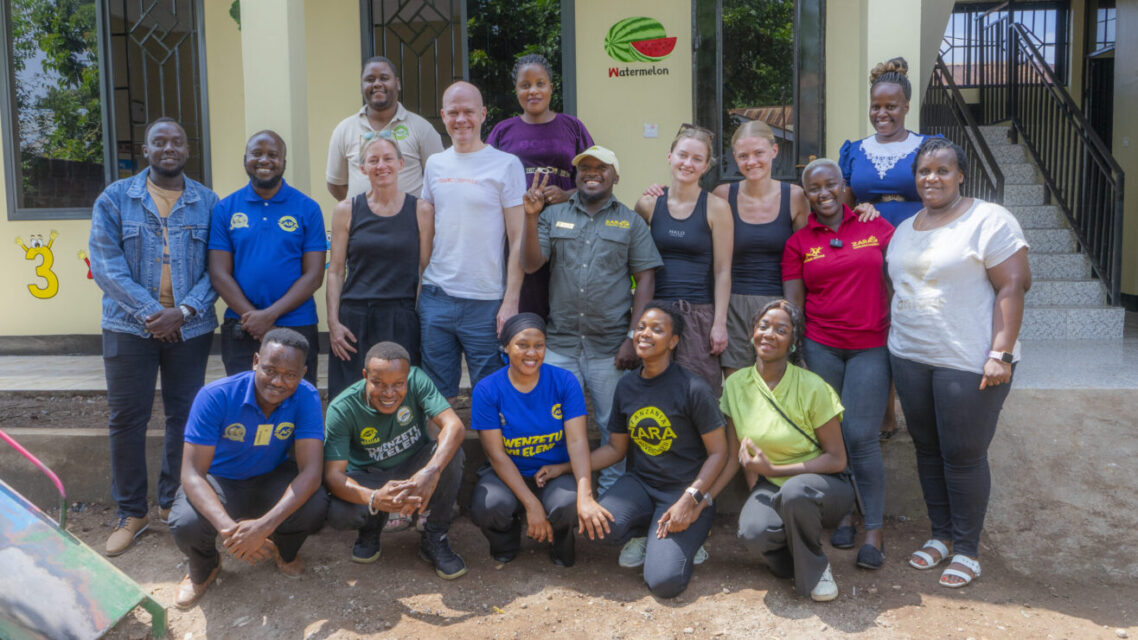
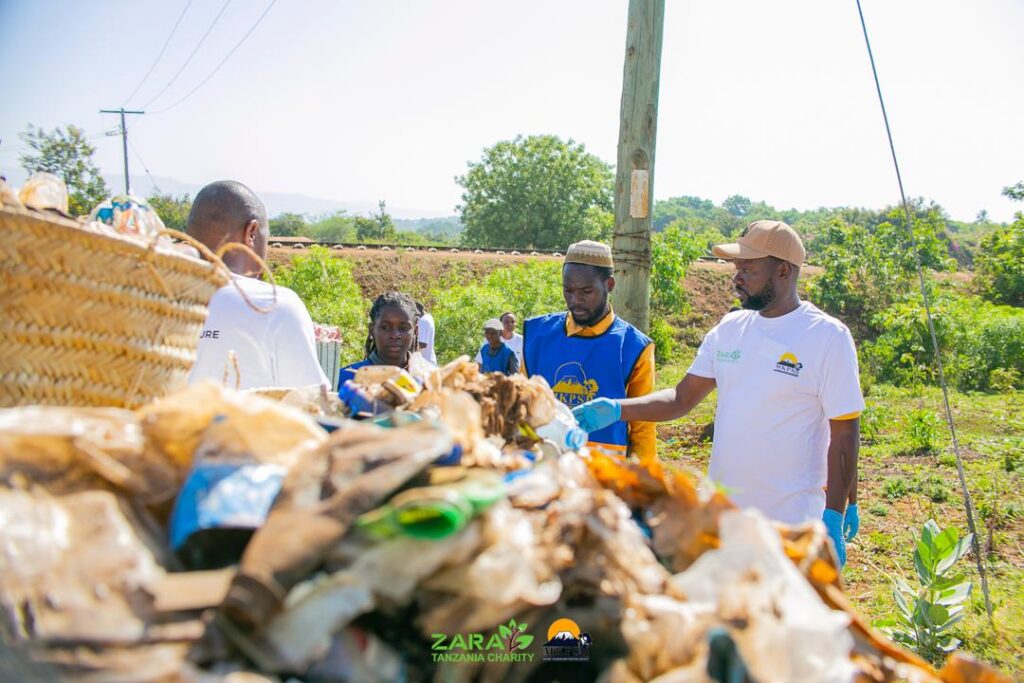
Zara Charity Tanzania represents a new generation of locally-led organizations addressing environmental challenges at the grassroots level. Through community engagement and environmental education programs, they work to build environmental awareness while supporting sustainable livelihoods.
What Makes Them Stand Out: As a locally-founded organization, Zara Charity Tanzania maintains deep connections with the communities they serve. Their integrated approach links environmental protection with education, health, and economic development—recognizing that conservation must support, not conflict with, community wellbeing.
Website: zaracharitytanzania.org
Tanzania Coastal Management Partnership
Focus Areas: Coastal ecosystem management, mangrove restoration, sustainable coastal development
This partnership brings together government agencies, NGOs, and communities to protect Tanzania’s 800-kilometer coastline and marine resources.
Honeyguide Foundation
Focus Areas: Community-based conservation, wildlife conservation, sustainable natural resource management
The Honeyguide Foundation operates in northern Tanzania, pioneering innovative conservation financing mechanisms that directly benefit communities living alongside wildlife.
How to Verify a Charity’s Credentials in Tanzania
Before making a donation to any environmental organization in Tanzania, take these steps to verify their legitimacy and effectiveness:
1. Check Registration Status
All legitimate NGOs in Tanzania must be registered with the Registrar of NGOs. You can verify registration through the Tanzania NGO portal or by requesting the organization’s registration certificate.
2. Review Financial Reports
Reputable charities publish annual financial statements. Look for:
- Clear breakdown of income and expenses
- Independent financial audits
- Program spending versus administrative costs
- Reserve funds and financial sustainability
3. Examine Impact Reports
Quality organizations document their conservation outcomes with specific metrics, photos, and case studies. Be wary of organizations making grand claims without evidence.
4. Visit Project Sites (If Possible)
If you’re in Tanzania or planning to visit, many environmental charities welcome site visits. Seeing conservation work firsthand provides valuable insight into an organization’s operations.
5. Check International Charity Ratings
For international organizations working in Tanzania, consult charity evaluators like:
- Charity Navigator (charitynavigator.org)
- GiveWell (givewell.org)
- GlobalGiving (globalgiving.org)

Ways to Maximize Your Donation Impact
Once you’ve identified a highly-rated environmental charity, consider these strategies to maximize your contribution’s effectiveness:
Make It Recurring
Monthly donations help organizations plan long-term projects and reduce fundraising costs. Even small monthly contributions add up to significant annual support.
Support Unrestricted Funding
While it’s tempting to earmark donations for specific projects, unrestricted funding allows charities to allocate resources where they’re most needed and cover essential operational costs.
Participate Beyond Money
Many environmental NGOs in Tanzania welcome volunteers, offer eco-tourism opportunities that fund conservation, or need skills-based support (accounting, communications, etc.).
Amplify Their Work
Share the organization’s social media content, write reviews, and tell friends about effective environmental charities. Increased visibility helps them attract more support.
Consider Matching Gifts
If your employer offers donation matching, you can double your impact. Many international companies match charitable contributions made by employees.
The Future of Environmental Conservation in Tanzania
Tanzania’s environmental future depends on sustained support for conservation organizations. Emerging trends shaping the sector include:
Carbon Credit Programs: Some Tanzanian conservation projects now generate revenue through carbon credits, creating sustainable funding for forest protection.
Technology Integration: GPS tracking, drone monitoring, and AI-powered wildlife detection are enhancing conservation effectiveness and reducing costs.
Youth Engagement: Organizations increasingly focus on environmental education for young Tanzanians who will become future conservation leaders.
Climate Adaptation: Environmental NGOs are expanding beyond pure conservation to help communities adapt to climate change impacts.
Private Sector Partnerships: Collaborations between conservation organizations and businesses are creating innovative funding models.
Your Role in Protecting Tanzania’s Environment
Every donation to environmental protection charities in Tanzania contributes to safeguarding precious ecosystems, protecting wildlife, and supporting communities that depend on healthy natural resources. By choosing highly-rated, transparent organizations with proven track records, you ensure your generosity creates lasting positive change.
Whether you support established international NGOs with extensive resources or emerging local organizations with deep community connections like Zara Charity Tanzania, your contribution matters. The environmental challenges facing Tanzania are significant, but they’re not insurmountable—especially when passionate donors support effective conservation organizations.
Take time to research the charities that align with your values, verify their credentials, and commit to supporting their work. Tanzania’s forests, wildlife, and marine ecosystems are counting on it.
Take Action Today
Ready to support environmental protection in Tanzania? Here’s how to get started:
- Research: Review the organizations mentioned in this article and visit their websites
- Verify: Check their registration status and review recent impact reports
- Donate: Make your first contribution—even small amounts create meaningful impact
- Stay Connected: Follow your chosen charity on social media and subscribe to their newsletter
- Share: Tell others about effective environmental charities in Tanzania
Together, we can ensure that Tanzania’s extraordinary natural heritage thrives for generations to come.
About Zara Charity Tanzania: Zara Charity Tanzania is a locally-founded organization dedicated to community development, environmental education, and sustainable initiatives across Tanzania. We believe that environmental protection and community wellbeing go hand in hand. Learn more about our work at zaracharitytanzania.org.
Leave a Reply