The State of Women’s Empowerment in Tanzania
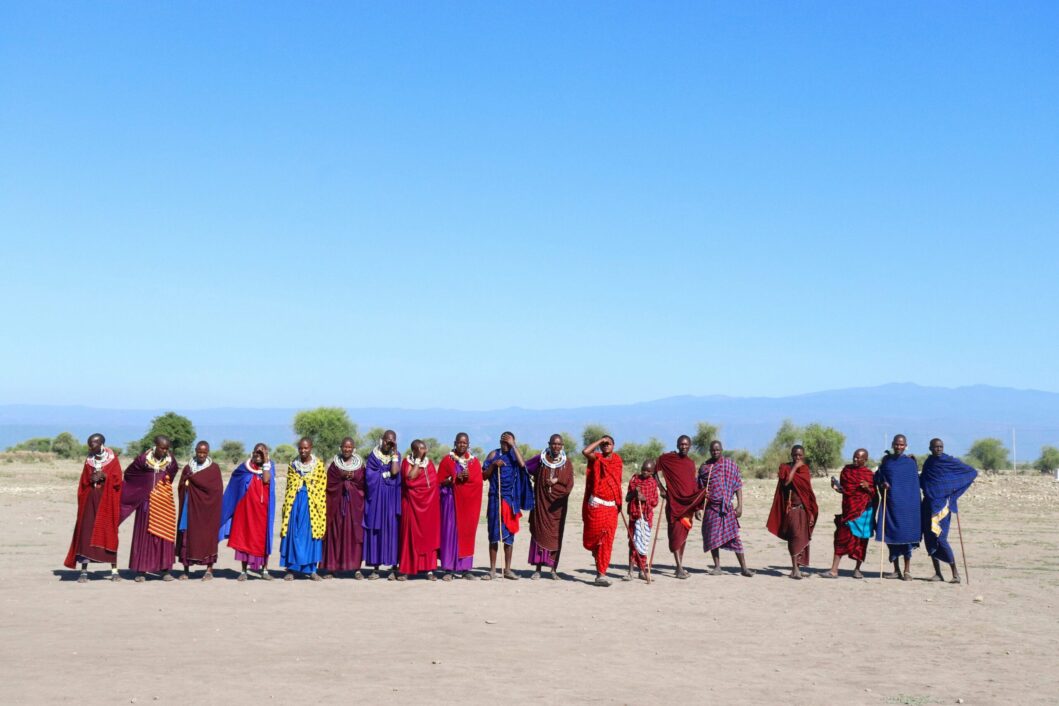
In Tanzania’s Ngorongoro Conservation Area, a quiet revolution is taking place. Maasai women who once had limited economic autonomy are now running successful beekeeping enterprises, generating income that sends children to school, improves family nutrition, and transforms community dynamics. This transformation exemplifies how tourism, when structured intentionally, becomes a powerful catalyst for women’s empowerment across Tanzania.
Recent research reveals that over 65% of Zanzibar women working in tourism report high levels of economic empowerment, challenging historical patterns of marginalization. Yet significant barriers remain. Women still face limited access to formal finance, cultural constraints on mobility and decision-making, and disproportionate impacts from economic shocks. Understanding both the opportunities and challenges helps illuminate pathways forward.

Tanzania has made notable progress toward gender equality, with 37.4% of parliamentary seats held by women as of 2024. The country ratified key international conventions protecting women’s rights and enacted the Sexual Offences Special Provisions Act in 1998 to combat workplace harassment. Tanzania’s Vision 2050 explicitly prioritizes women’s empowerment alongside youth and disability inclusion as central to national development goals.
However, significant gaps persist. Women’s ability to launch businesses remains constrained by lack of access to formal credit. Only 84 days of paid maternity leave are available—short of international standards—and pension systems don’t account for maternity periods. Most critically, women and girls aged five and older spend 16.5% of their time on unpaid care and domestic work, compared to just 4.2% for men, limiting time available for income-generating activities.
In rural areas, challenges intensify. Nearly 29% of women marry before age 18, limiting educational attainment and economic prospects. Access to land ownership remains restricted despite its importance for agricultural livelihoods. These structural barriers mean that even as Tanzania’s economy grows—achieving lower middle-income status in 2020—women don’t automatically benefit equally from this progress.
Tourism presents a unique opportunity to address these inequities. The sector generated nearly $4 billion in 2024, employing over 1.4 million Tanzanians. When tourism development prioritizes women’s participation and leadership, it creates pathways around traditional barriers, generating income that doesn’t require land ownership or formal credit access while building skills that enhance long-term economic security.
How Tourism Creates Opportunities for Women
Tourism’s potential to empower women stems from several structural advantages. The sector offers diverse entry points from craft production to hospitality, guiding, and enterprise management. Many tourism activities can be conducted alongside household responsibilities, addressing the time constraint challenges that formal employment creates. Tourism also brings customers directly to communities, eliminating transportation and market access barriers that typically disadvantage women.
Direct Income Generation
When women earn income through tourism-related activities, they gain economic independence that fundamentally shifts household and community dynamics. In traditional Maasai society, women historically lacked decision-making power when financially dependent on husbands. As entrepreneurs with their own revenue, women gain status and voice in community decisions. They invest in healthcare, education, and household improvements that benefit entire families.
The Asali Project in Ngorongoro’s Isirwa village demonstrates this transformation. Launched in 2022 by Zara Charity Tanzania with 20 pilot beehives, the initiative trains Maasai women in sustainable beekeeping, combining traditional knowledge with modern techniques. Women produce high-quality organic honey marketed to tourists and sold through Zara Tours properties, creating sustainable income streams.
Project participants use earnings to support their families, pay school fees for children, and improve living conditions. Beyond financial benefits, women develop confidence and business skills through training in hive management, honey processing, packaging, and marketing. The initiative doesn’t just provide jobs—it creates entrepreneurs who manage their own productive assets.
Skills Development and Capacity Building
Tourism-related training provides women with transferable skills that enhance economic prospects beyond any single project. Women participating in the Asali Project receive comprehensive training in beekeeping techniques, business management, financial literacy, and marketing. These competencies apply across economic activities, enabling women to launch additional enterprises or secure better employment.
Research on similar women’s beekeeping initiatives in Tanzania shows participating women receive training in entrepreneurship, project management, record keeping, and monitoring and evaluation. Women develop leadership capabilities as they manage collective enterprises, make business decisions, and represent their groups in community forums. This capacity building creates lasting transformation that extends far beyond immediate income generation.
Educational programs targeting girls complement adult women’s economic empowerment. At Zara Charity Tanzania, our scholarship programs for Maasai girls provide secondary education and vocational training to young women who might otherwise face early marriage. These programs interrupt intergenerational poverty cycles, creating future community leaders who model educational attainment and economic independence for younger girls.
Cultural Tourism and Craft Production
Cultural tourism creates markets for women’s traditional skills and knowledge. Maasai women’s intricate beadwork, historically produced for community use, now generates income through tourist sales. The Asali Project integrates beadwork production with beekeeping, creating diversified income sources. Women craft traditional jewelry and decorative items sold at Zara Tours properties, connecting cultural preservation with economic opportunity.
This dual benefit—income generation and cultural maintenance—proves particularly important for indigenous communities navigating modernization pressures. When traditional practices become economically valuable through tourism, communities have strong incentives to preserve and transmit cultural knowledge to younger generations. Women become cultural ambassadors, sharing Maasai traditions while earning livelihood security.
Cultural tourism programs must be structured carefully to ensure women receive fair compensation and maintain control over cultural representation. Community-owned tourism enterprises where women are primary decision-makers and beneficiaries avoid exploitation while maximizing empowerment benefits.

Collective Action and Mutual Support
Women’s cooperatives and group enterprises create support systems that individual entrepreneurship cannot provide. Members share resources, knowledge, and risks. When one woman’s hives produce abundant honey, she mentors others on her techniques. When unexpected expenses arise, groups provide mutual assistance that formal financial institutions rarely extend to rural women.
Research on women’s beekeeping cooperatives across Tanzania found that collective enterprises lead to increased feelings of inclusion in community decision-making, improved leadership capacity, enhanced confidence in entrepreneurship skills, and increased respect from community members who recognize women’s income-generating abilities. These social benefits prove as transformative as economic ones, fundamentally shifting gender dynamics in conservative communities.
Success Stories: Women Leading Change
Naserian’s Journey: From Traditional Beekeeping to Modern Enterprise
Naserian, a Maasai woman from Isirwa village, represents the Asali Project’s transformative potential. Before the project launched, she struggled to support her family on limited household resources. Her grandfather practiced traditional beekeeping, so she understood bees’ cultural significance, but lacked modern beekeeping knowledge or equipment.
When Zara Charity established the Asali Project in 2022, Naserian joined the initial training cohort. She learned sustainable beekeeping practices, received protective equipment and modern hives, and mastered honey processing and packaging techniques. Within two harvest cycles, Naserian’s honey sales generated sufficient income to pay school fees for her three children, purchase nutritious food during drought periods, and invest in additional hives to expand production.
Beyond financial gains, Naserian gained confidence and community recognition. She now trains other women in beekeeping techniques and advocates for women’s economic participation in village meetings. Her success inspired neighboring villages to request similar programs, demonstrating how individual empowerment creates ripple effects throughout communities.
Amina: Education Breaking Barriers
Amina’s story illustrates how education unlocks women’s potential. Growing up in a rural Maasai community near Moshi, she faced pressure to marry at 16 rather than continue schooling. A Zara Charity scholarship changed her trajectory. The organization’s educational programs provide not just school fees but also skills training in literacy, entrepreneurship, and financial management targeted at underprivileged youth and women.
With Zara Charity’s support, Amina completed secondary education and pursued vocational training in tailoring and business management. She now runs a small sewing cooperative employing five women, creating school uniforms and traditional Maasai attire for tourists. Amina credits the organization with giving her not just educational access but the confidence to envision and pursue entrepreneurial goals.
Her success demonstrates how educational investments create multiplier effects. Amina doesn’t just support her own family—she employs other women, transmits vocational skills, and models what’s possible for girls currently facing the same barriers she overcame.

Broader Impact Across Tanzania’s Tourism Sector
While Zara Charity’s programs illustrate localized success, women’s empowerment through tourism is expanding across Tanzania. In Zanzibar, research found that women working in tourism show significantly higher economic empowerment than expected, with over 65% reporting high levels of financial autonomy. The tourism sector has become an engine for women’s employment and entrepreneurship despite cultural constraints.
Initiatives like the Kilimanjaro Women Information Exchange and Community Organization connect tourism to subsistence farming in the Kilimanjaro region. These programs trained 120 women in sustainable agriculture and marketing, creating income opportunities while improving food security. Such integrated approaches recognize that women’s economic empowerment requires addressing multiple dimensions simultaneously.
Organizations like African People & Wildlife operate women’s beekeeping initiatives across the Tarangire-Manyara ecosystem, with over 1,260 women participating in 77 groups across nine communities. These programs protect an estimated 439,847 acres of vital wildlife habitat while generating sustainable income. Women harvested 11 tons of honey sold at local stores and tourism camps, earning revenue they reinvest in families and communities.
The success of these programs demonstrates that women’s empowerment and environmental conservation create synergies rather than trade-offs. Economically empowered women become powerful conservation advocates, leading cleanup campaigns, tree planting projects, watershed restoration, and environmental education.
Challenges and Barriers That Remain
Despite progress, significant obstacles limit women’s full participation in tourism benefits. Access to start-up capital remains constrained, with Tanzania lacking legal prohibition of credit discrimination based on gender. This allows lenders to deny women loans or require male co-signers, limiting entrepreneurship.
Cultural norms in some communities restrict women’s mobility and interaction with outsiders, limiting their ability to work as guides or in customer-facing tourism roles. While younger generations increasingly challenge these norms, change happens gradually and unevenly across regions and communities.
Women’s disproportionate unpaid care responsibilities mean time poverty constrains their tourism sector participation. Even when income opportunities exist, women struggle to balance childcare, cooking, water collection, and other domestic duties with economic activities. Expanding childcare infrastructure and more equitable household labor division would significantly enhance women’s economic engagement.
Seasonal tourism creates income volatility that women struggle to manage without savings or credit access. During low tourism seasons, women need alternative income sources or savings to maintain household stability. Programs addressing women’s empowerment must incorporate financial management training and support diversified livelihood strategies.
How Tourism Stakeholders Can Support Women’s Empowerment
Tour operators, travelers, and development organizations all have roles in ensuring tourism empowers women.
For Tour Operators:
Choose suppliers and partners who demonstrate commitment to women’s empowerment. Purchase crafts directly from women’s cooperatives rather than middlemen. Employ women in diverse roles including guiding and management, not just housekeeping and cooking. Provide women employees with training, fair wages, and advancement opportunities. Structure cultural tourism experiences to ensure women receive equitable shares of revenue and maintain control over how their culture is represented.
For Travelers:
Seek out women-led tourism enterprises and cooperatives during your Tanzania visit. The Asali Project welcomes tourists interested in learning about beekeeping and supporting women’s empowerment. Purchase crafts directly from women artisans in markets and cooperatives. Ask tour operators about their women’s empowerment policies and choose companies demonstrating genuine commitment. Consider supporting organizations like Zara Charity Tanzania that channel tourism revenue into women’s empowerment programs.
For Development Organizations:
Design programs recognizing women’s time constraints and household responsibilities. Provide childcare during training sessions. Schedule activities during times women can participate. Address multiple barriers simultaneously—credit access, skills training, market linkages, and cultural change. Support women’s collective enterprises rather than only individual entrepreneurship. Ensure programs include financial literacy and business management alongside technical skills. Partner with existing women’s groups and community organizations rather than creating parallel structures.
Looking Forward: Scaling Impact
Women’s empowerment through tourism in Tanzania shows tremendous promise, but scaling successful models requires sustained commitment and investment. The Asali Project began with 20 pilot hives serving a handful of women. Expansion to additional communities and increased hive numbers could benefit hundreds more women while protecting additional habitat and preserving cultural traditions.
Replicating successful approaches across Tanzania’s diverse regions requires adaptation to local contexts. What works in Ngorongoro’s Maasai communities may need modification for coastal fishing communities or agricultural areas. Yet core principles—women’s ownership and control, skills development, fair compensation, and integration with cultural and environmental conservation—apply universally.
Tanzania’s Vision 2050 recognizes women’s empowerment as central to national development, creating policy environment supporting women’s economic participation. International commitments under the Sustainable Development Goals, particularly SDG 5 on gender equality, provide frameworks for measuring progress and mobilizing resources.
The tourism sector’s continued growth creates expanding opportunities if stakeholders intentionally prioritize women’s inclusion. With Tanzania welcoming over 2 million international visitors in 2024 and tourism revenue reaching $4 billion, even small percentage shifts toward women-led enterprises represent significant economic impact.
Take Action: Support Women’s Empowerment in Tanzania
Women’s economic empowerment transforms families, strengthens communities, and creates more equitable societies. Tourism provides unique pathways for achieving these goals in Tanzania.
Support Our Women’s Empowerment Programs:
The Asali Project and our broader women’s empowerment initiatives need your support to expand and serve more women. Donate to women’s programs to fund beekeeping equipment, training, educational scholarships, and enterprise development. Small contributions create significant impact—$50 sponsors beehive equipment for one woman, $100 provides vocational training, $500 funds comprehensive entrepreneurship training for a women’s cooperative.
Visit and Learn:
Experience women-led tourism initiatives during your Tanzania visit. Contact us to arrange visits to the Asali Project, meet women beekeepers, purchase directly from craft cooperatives, and learn how tourism transforms lives. Your visit creates both income and encouragement for women entrepreneurs.

Spread Awareness:
Share women’s empowerment stories with your networks. Challenge tourism operators to demonstrate gender equity commitments. Advocate for policies supporting women’s economic participation. Your voice amplifies women’s achievements and creates accountability for tourism industry stakeholders.
Related Articles
Learn More About Our Programs:
Get Involved:
- Sponsor a Girl’s Education in Tanzania
- Donate to Women’s Empowerment Programs
- Volunteer with Women’s Cooperatives
- Partner with Us for Corporate Women’s Empowerment Initiatives
Success Stories:
- Stories of Change: Inspiring Women Empowerment with Zara Charity
- Meet the Women Behind the Asali Project
- Educational Success: Girls Breaking Barriers
External Resources & Organizations
- UN Women Tanzania – Gender equality and women’s empowerment initiatives
- World Bank Women, Business and the Law – Legal frameworks for women’s economic participation
- African People & Wildlife – Women’s Beekeeping Initiative – Conservation and women’s empowerment
- Kilimanjaro Women Information Exchange (KWIECO) – Women’s community development programs
- IFC Anaweza Program – Women entrepreneurs support in Tanzania
- Maasai Honey – Women’s beekeeping empowerment
Zara Charity Tanzania integrates women’s empowerment with tourism development, ensuring economic growth benefits those historically excluded from prosperity. Through programs like the Asali Project, educational scholarships, and entrepreneurship training, we create pathways for women to achieve economic independence while preserving cultural heritage and protecting environments.
Leave a Reply