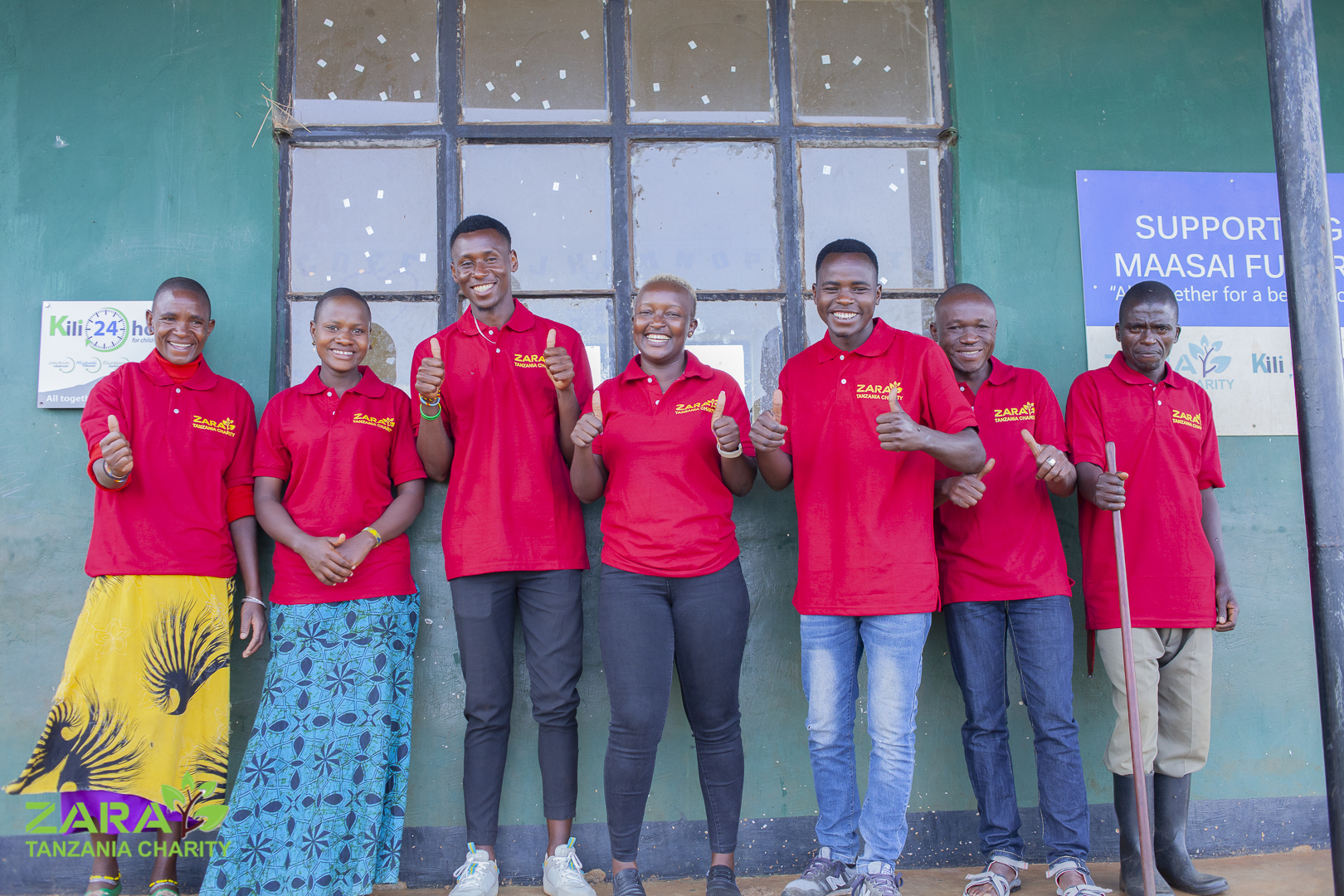
In the vibrant landscapes of Tanzania, where the majestic Mount Kilimanjaro stands as a symbol of resilience and aspiration, organizations like Zara Charity are quietly reshaping futures. Founded in 2009 by Zainab Ansell, the visionary behind ZARA Tours, Zara Charity emerged from a deep-seated commitment to give back to the communities that fuel Tanzania’s tourism-driven economy. Registered as a non-profit under Tanzania’s NGO Act, the organization focuses on empowering vulnerable groups—orphans, Maasai women, and low-income porters—through targeted initiatives in education, healthcare, environmental conservation, and sustainable tourism. But at the heart of its mission lies a profound belief: education is the cornerstone of economic development in Tanzania. By addressing key barriers in education in Tanzania and fostering skills for self-reliance, Zara Charity is not just building classrooms; it’s cultivating a generation poised to drive economic development in Tanzania.
The Educational Landscape in Tanzania: Challenges and the Imperative for Change
Tanzania has made strides toward universal access to education since independence, with policies like the 2016 fee-free education initiative boosting primary enrollment to near 100%. Yet, persistent challenges undermine these gains. According to UNICEF, 3.2 million children aged 7–17 remain out of school, with rural and poor girls facing the highest dropout rates due to inadequate facilities, child marriage, and economic pressures. Secondary net enrollment hovers at just 27%, exacerbated by teacher shortages, overcrowded classrooms, and a curriculum that often prioritizes rote learning over practical skills.
The Human Rights Measurement Initiative ranks Tanzania’s fulfillment of the right to education at only 57% relative to its income level, with secondary education lagging at 34.9%. Malnutrition affects 34% of children under five, impairing cognitive development and perpetuating cycles of poverty. These issues are compounded by a shift from Kiswahili in primary schools to English in secondary, creating a linguistic barrier for many students from rural backgrounds.
For NGOs like Zara Charity, these gaps represent opportunities for intervention. By prioritizing inclusive, quality education, such efforts align with Tanzania’s 2014 Education and Training Policy reforms, which emphasize competency-based learning, vocational skills from Form One, and gender-responsive approaches to prepare youth for a modern economy.

Zara Charity’s Educational Initiatives: Building Foundations for Tomorrow
Zara Charity’s work in education in Tanzania is hands-on and community-driven, targeting the most marginalized. At the Moshi Kids Centre, the organization supports over 50 orphans and vulnerable children with comprehensive care, including nutritious meals, shelter, and schooling. A recent milestone—the launch of a new classroom—has expanded access for primary learners, ensuring they receive not just literacy and numeracy but also life skills like hygiene and environmental awareness.
Recent fundraisers, such as the GoFundMe campaign for 25 children’s primary education, underscore Zara Charity’s agility in mobilizing resources. These efforts address dropout risks by covering uniforms, books, and fees, while teacher training programs enhance classroom quality. In partnership with initiatives like the Kilimanjaro Children’s Foundation, Zara Charity integrates extracurriculars—debate clubs, sports, and digital literacy—to foster holistic development.
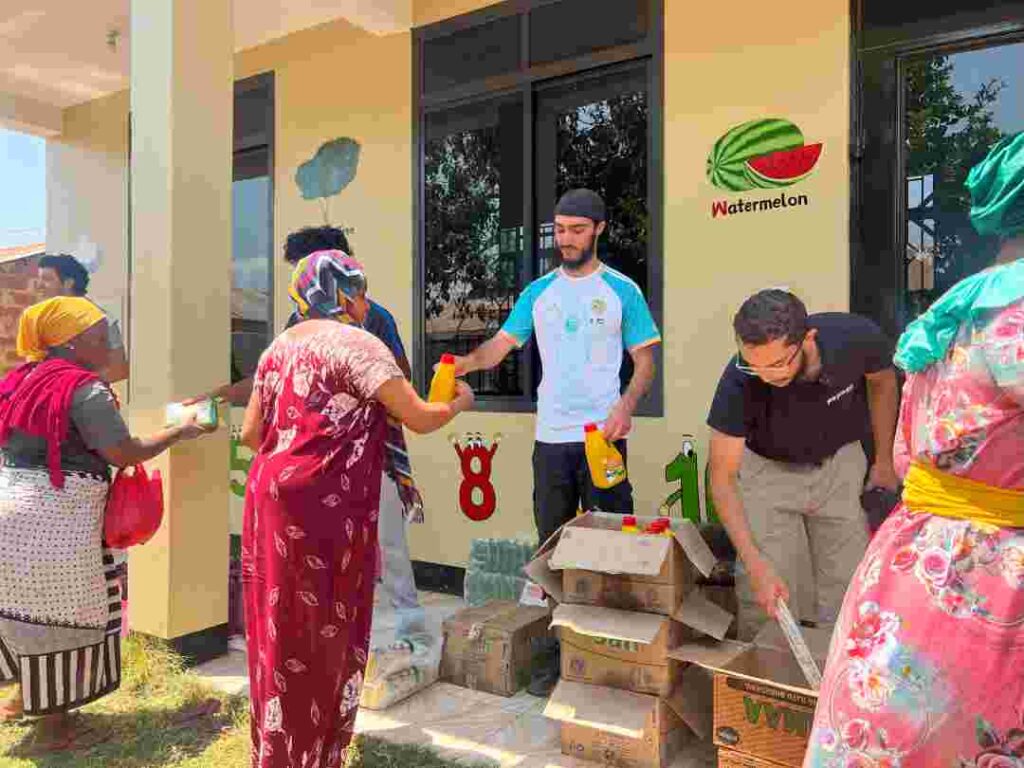
What sets Zara Charity apart is its integration of education with economic empowerment. Programs for Maasai women include literacy classes tied to entrepreneurship training, enabling participants to launch small businesses in beadwork and agriculture. For porters on Kilimanjaro treks, vocational workshops teach financial literacy and sustainable practices, turning transient jobs into pathways for stable livelihoods.

Zara Charity’s Broader Ripple Effect
The interplay between education and economic development in Tanzania is undeniable. Research shows that each additional year of schooling can boost GDP per capita by up to 10%, with educated youth driving innovation in agriculture, tourism, and manufacturing—key sectors in Tanzania’s Vision 2025 for middle-income status. Yet, without targeted interventions, low learning outcomes hinder this potential; only 5.4% of early-grade students achieve reading comprehension, limiting employability.
Zara Charity bridges this divide by embedding economic goals into its educational framework. Graduates from its programs often transition into micro-enterprises or skilled roles in eco-tourism, contributing to Tanzania’s 4.6% GDP growth in 2022. By empowering women and youth, the charity tackles gender disparities—where early marriage sidelines one-third of girls—fostering inclusive growth. Simulations from computable general equilibrium models indicate that increased education spending, like Zara Charity’s model, could raise human capital, wages, and poverty reduction by enhancing labor productivity.
In rural Kilimanjaro, where tourism employs thousands but poverty persists, Zara Charity’s sustainable tourism arm trains locals in hospitality and conservation, creating jobs while preserving biodiversity. This holistic approach yields measurable impacts: alumni report 20-30% income increases, reinvesting in community projects and breaking poverty cycles.
Sustaining the Momentum
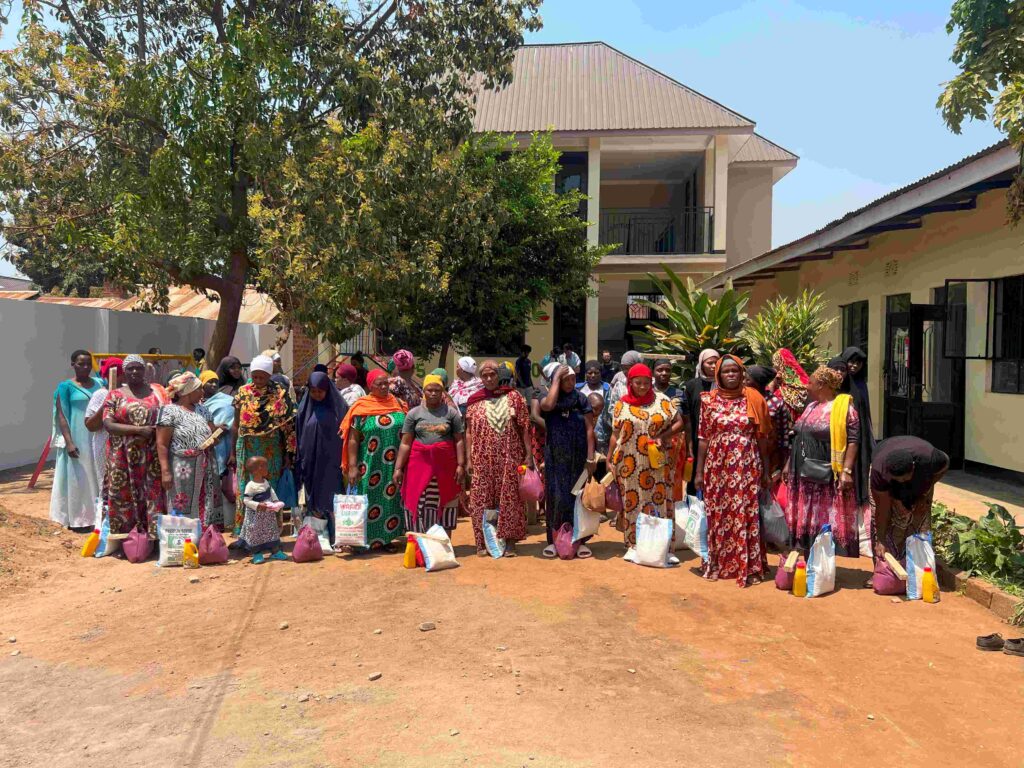
Zara Charity’s story is one of transformative impact, but it’s part of a larger ecosystem. Collaborations with NGOs like Sustainability in Action and the Tanzania Development Trust amplify reach, while education foundations such as Global Partnership for Education provide policy alignment. As Tanzania rolls out competency-based curricula by 2027, scaling such models will be crucial.
Explore our Charity Projects page to learn more about ongoing initiatives, or reach out via Contact Us to get involved—through donations, volunteering, or partnerships. For deeper insights, check our Blog on global development trends.
In a nation where youth comprise 77% of the population, Zara Charity reminds us that investing in education isn’t charity—it’s the engine of enduring economic prosperity. Join the journey toward a brighter Tanzania
Leave a Reply