Author: Dev

  • 10 Questions to Ask Before Donating to a Charity in Tanzania (And Why Zara Charity Passes Every One)

    10 Questions to Ask Before Donating to a Charity in Tanzania (And Why Zara Charity Passes Every One)

    Every day, thousands of people around the world feel the urge to give — to do something meaningful, to make a difference in a life they may never directly see. If you are thinking about donating to a charity in Tanzania, that instinct is beautiful. But good intentions are not enough. The right donation, to the right organisation, given in the right way, can change generations. The wrong one can go to waste.

    So before you open your wallet, ask these 10 essential questions. They will help you give with confidence — and by the end, you will see exactly why becoming a monthly donor with Zara Charity Tanzania might be the most impactful decision you make this year.

    1: Is the Organisation Registered and Legitimate?

    The first thing to verify is whether the charity is formally registered. In Tanzania, legitimate nonprofits are registered with the relevant government authorities. Unregistered organisations may lack accountability structures, meaning your money could be misused with no legal recourse.

    Zara Charity Tanzania: Yes. Zara Charity Tanzania is a registered nonprofit organisation operating in Tanzania, with a verifiable online presence, documented projects, and a named founder — Zainab Ansel. You can visit zaratanzaniacharity.org to verify their work directly.

    2: Can I See Where My Money Actually Goes?

    Transparency is the cornerstone of trustworthy giving. A reputable charity should be able to show you exactly how donations are allocated — how much goes to programmes, how much to administration, and how much to fundraising.

    Zara Charity Tanzania: Zara Charity openly documents its projects on their website, from building classrooms at Moshi Kids Centre to supporting Maasai women and cleaning Tanzania’s Indian Ocean coastline. Their project pages, gallery, and blog provide real evidence of real impact.

    3: Does the Charity Work Directly With Communities?

    Some charities operate from a distance, outsourcing their work to third parties with little community involvement. The most effective organisations are embedded in the communities they serve — listening to local needs, hiring local people, and building locally-owned solutions.

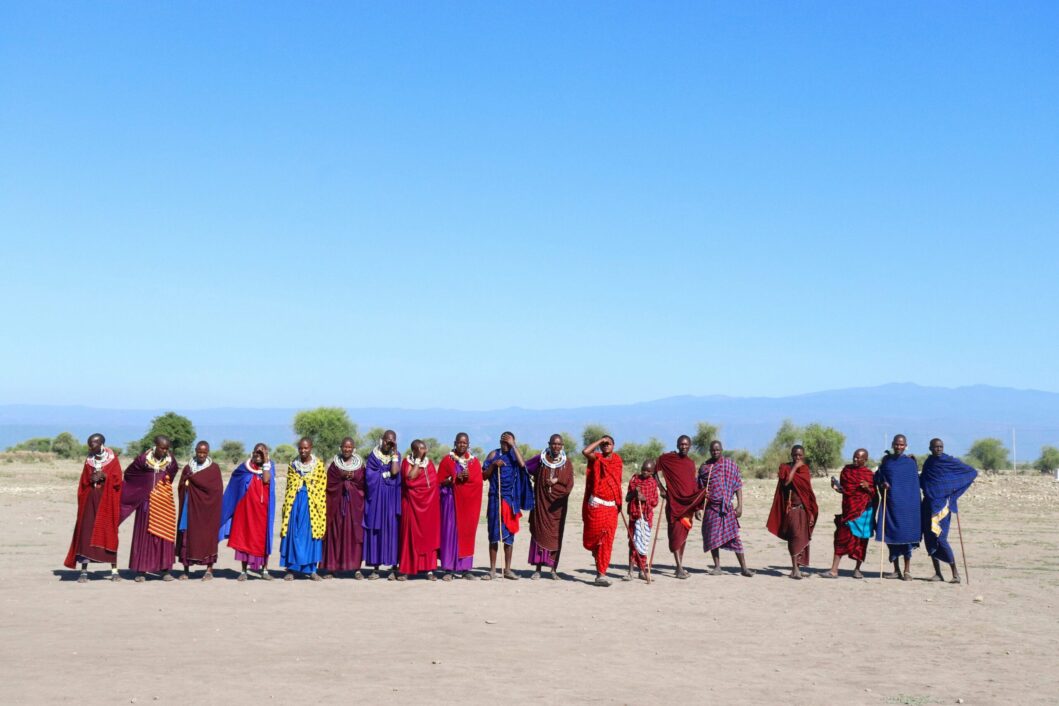
    Zara Charity Tanzania: Zara Charity was born in Tanzania and operates on the ground in places like the Ngorongoro Conservation Area, Moshi, and coastal communities. Their programmes — from the Maasai Pre-School to the Asali Project — are designed with and for the communities they serve.

    Zara Charity’s Impact: Education and Economic Development in Tanzania

    4: What Is the Long-Term Impact of the Work?

    One-off interventions — a bag of rice here, a blanket drive there — can help in the short term but rarely transform lives. Ask whether the charity is building lasting change: skills, infrastructure, education, and economic independence.

    Zara Charity Tanzania: Every Zara Charity project is built for long-term impact. Classrooms outlast any single donation. Empowered women raise empowered children. Trees planted today protect communities for decades. The Asali Project creates sustainable income, not temporary relief.

    journey of maasai honey

    5: Who Leads the Organisation?

    Leadership matters. A charity led by someone with genuine passion, local knowledge, and personal accountability is far more likely to deliver on its promises than one run by distant executives with no stake in the outcomes.

    Zara Charity Tanzania: Founder Zainab Ansel leads Zara Charity with a personal commitment to positive change in Tanzania. She is publicly named, publicly visible, and has dedicated years of her life to this cause. Her message to donors is direct and heartfelt: every contribution has a real face and a real story behind it.

    6: Does the Charity Respect Local Culture?

    Some well-intentioned charities cause harm by imposing outside values or disrupting cultural practices. In Tanzania — home to over 120 ethnic groups including the Maasai — cultural sensitivity is not optional. It is essential.

    Zara Charity Tanzania: Cultural respect is woven into everything Zara Charity does. The Asali Project preserves Maasai beekeeping traditions while creating modern economic opportunity.

    The Ngorongoro Pre-School was opened in partnership with the local Maasai community, not imposed upon it. This is development done right.

    7: How Does the Charity Handle Donations?

    Look for secure, traceable payment platforms. Be wary of charities that only accept cash or informal transfers with no receipt or acknowledgement.

    Zara Charity Tanzania: Zara Charity accepts donations through GoFundMe — one of the world’s most trusted and transparent fundraising platforms. Every contribution is processed securely and goes directly toward funding their programmes.

    8: Can I See Real Stories and Real Results?

    Numbers matter, but stories matter more. Can the charity show you real people whose lives have changed? Real classrooms built? Real trees planted? If a charity cannot point to tangible proof of impact, that is a warning sign.

    Zara Charity Tanzania: Zara Charity’s blog, gallery, and project pages are full of real stories — from the children at Moshi Kids Centre to the Kilimanjaro porters receiving better support. Their social media channels on Facebook, Instagram, and YouTube bring these stories to life every week.

    9: Does the Charity Welcome Volunteers?

    An organisation that welcomes volunteers is one that values people as well as money. Volunteering programmes also allow donors to witness impact first-hand — building trust and deeper connection to the cause.

    Zara Charity Tanzania: Yes — Zara Charity actively invites volunteers to join their work in Tanzania. Through their partnership with Volunteers Tanzania, you can contribute your time, skills, and energy directly on the ground. Visit zaratanzaniacharity.org/become-a-volunteer/ to find out more.

    10 Questions to Ask Before Donating to a Charity in Tanzania (And Why Zara Charity Passes Every One)

    10: Can I Give Regularly — And Why Does It Matter?

    This is perhaps the most important question of all. One-time donations are welcome, but they create uncertainty for charities that need to plan, hire staff, and sustain programmes month after month. Regular, monthly giving is the lifeblood of an effective nonprofit.

    When you become a monthly donor, you give a charity the ability to:

    • Plan and budget for long-term projects with confidence
    • Hire and retain skilled local staff
    • Respond quickly to community needs without fundraising delays
    • Focus on impact — not constantly chasing the next donation

    Zara Charity Tanzania: Yes — and they need monthly donors like you. A consistent gift of even $10, $20, or $30 per month can fund a child’s school supplies, support a woman’s training programme, or plant dozens of trees. Monthly giving is simple, flexible, and transformative

    Why Becoming a Monthly Donor Is the Best Gift You Can Give

    A one-time donation is a spark. A monthly donation is a fire that keeps burning.

    Think about it this way: if 100 people each give $20 a month to Zara Charity Tanzania, that is $2,000 every single month — $24,000 a year — flowing steadily into education, women empowerment, environmental conservation, and community development. That is not just help. That is transformation.

    Monthly donors are the heroes behind the scenes. They are the reason a teacher can be paid on time. They are the reason a little girl gets to stay in school. They are the reason a Maasai woman can start her own business. They are the reason Tanzania’s coastline is a little cleaner today than it was yesterday.

    And the best part? You can start for the price of a cup of coffee a day.

  • 10 Ways You Can Help Poor Communities in Tanzania Today

    10 Ways You Can Help Poor Communities in Tanzania Today

    Tanzania remains one of East Africa’s most beautiful nations — yet millions of its people, particularly in rural areas, still live below the poverty line. At Zara Charity Organisation, we believe every person has the power to change that. Here are 10 practical ways to help poor communities in Tanzania — through education, clean water, healthcare, and women’s empowerment.

    Tanzania most beautiful country in Africa

    Donate to Reputable Tanzanian NGOs

    One of the fastest ways to help is by donating to established organisations working on the ground. Groups like BRAC TanzaniaAmani Children’s Home, and Tanzanian Children’s Fund funnel resources directly to vulnerable families. Even a small monthly contribution can fund meals, medicine, and school supplies for an entire family.

    Sponsor a Child’s Education Through Zara Charity

    Education is the most powerful route out of poverty. Through Zara Charity’s School Sponsorship Programme, you can cover a Tanzanian child’s school fees, uniforms, books, and meals for as little as $30 per month — giving them a genuine path to a brighter future. Your name will be connected to a real child’s story.

    Sponsor a child with Zara Charity →

    children learning in a classroom

    Donate School Supplies and Learning Resources

    Many rural Tanzanian classrooms lack basic supplies — textbooks, pencils, and even chairs. Zara Charity coordinates school supply drives that get materials directly into the hands of teachers and students. A donation of $50 can equip an entire classroom with the essentials needed to learn effectively.

    Donate school supplies →

    Fund a Community Water Well in Tanzania

    Over 27 million Tanzanians lack access to safe drinking water. Waterborne diseases claim thousands of lives annually — most of them children under five. Zara Charity’s Water Wells Programme builds sustainable boreholes in underserved villages. A single well can serve an entire community for over 20 years, freeing girls from hours of daily water collection.

    Fund a water well with Zara Charity →

    Support Sanitation and Hygiene Education

    Clean water means little without proper sanitation. Zara Charity trains community health workers across Tanzania to teach safe hygiene practices — handwashing, latrine construction, and food safety — dramatically reducing the spread of preventable illness. Your donation helps us train more community educators today.

    Support sanitation programmes →

    Buy Ethically Made Tanzanian Products

    Your purchasing power is a form of aid. Buying Tanzanian-made goods — Tanzanite jewellery, fair-trade coffee, Tingatinga paintings, or handwoven textiles — directly supports artisans and farmers. Look for products carrying the Fair Trade Certified label to ensure workers receive fair wages.

    promote economy by buying ethically tanzanian made things

    Support Sustainable Agriculture Programmes

    Over 70% of Tanzanians depend on farming. Supporting organisations like Farm Africa or One Acre Fund — which provide seeds, training, and tools to smallholder farmers — helps families grow enough food to eat and sell. Improved yields break the cycle of seasonal hunger and debt.

    Support Farm Africa in Tanzania →

    Advocate and Raise Awareness Online

    Sometimes the most powerful thing you can do is amplify the message. Share posts from verified Tanzanian charities, sign petitions for policy change, or write to your government representative urging increased aid to East Africa. Social media advocacy costs nothing but can attract funding, volunteers, and political attention that saves lives.

    Participate in Responsible Voluntourism

    If you’re planning travel to Tanzania, choose tour operators that reinvest in local communities. Responsible voluntourism combines travel with genuine service — building classrooms, supporting wildlife conservation, or working with healthcare clinics. Always research organisations carefully and ensure your visit does more good than harm.

    Guide: Responsible travel in Tanzania →

    volunteerism is a way to go

    Contribute to Healthcare and Nutrition Programmes

    Malaria, malnutrition, and preventable disease remain major killers in Tanzania’s poorest regions. Donating to UNICEF Tanzania or Médecins Sans Frontières (MSF) helps fund vaccines, nutrition programmes, and emergency medical care for the most vulnerable children and mothers in the country.

    Support UNICEF Tanzania →

  • How Your Donation Can Change Lives in Rural Tanzania

    How Your Donation Can Change Lives in Rural Tanzania

    Across many rural communities in Tanzania, families face daily challenges such as limited access to education, clean water, healthcare, and economic opportunities. While these issues can seem overwhelming, even a small donation can create meaningful change.

    Charity organizations working in Tanzania are helping communities overcome these challenges by providing resources, building infrastructure, and empowering local people. Your support plays an essential role in making these life-changing projects possible.

    In this article, we’ll explore how your donation can directly impact lives in rural Tanzania and why your contribution matters.

    Discover how your donation supports education, clean water, healthcare, and community development in rural Tanzania. Learn how you can help today.

    The Challenges Faced by Rural Communities

    Many rural areas in Tanzania face barriers that make everyday life difficult. These challenges include:

    • Limited access to quality education

    • Lack of clean and safe drinking water

    • Poor healthcare facilities

    • Food insecurity

    • High levels of poverty

    • Limited opportunities for youth and women

    Without support, these problems can continue for generations. However, community development programs and charity initiatives are working hard to break this cycle.

    every support is welcomed in our organisation

    1. Improving Access to Education

    Education is one of the most powerful tools for reducing poverty and creating long-term change.

    Donations to education programs in Tanzania help:

    • Build and renovate schools

    • Provide learning materials and books

    • Support teacher training

    • Offer scholarships for vulnerable children

    • Provide school meals

    When children gain access to education, they gain the knowledge and skills needed to build better futures for themselves and their communities.

    2. Providing Clean Water

    Access to clean water is still a major challenge in many rural villages.

    Many families must walk long distances every day to collect water, often from unsafe sources. This can lead to health problems and prevent children from attending school.

    Donations help fund projects such as:

    • Community water wells

    • Boreholes

    • Rainwater harvesting systems

    • Water purification programs

    These projects improve health, save time, and give communities access to safe drinking water.

    3. Supporting Healthcare Services

    Healthcare is another critical need in rural Tanzania. Many villages lack nearby clinics, trained medical staff, and essential medicines.

    Charity donations support healthcare by helping to:

    • Build rural health clinics

    • Provide medical supplies

    • Support maternal and child health programs

    • Organize community health education

    Access to healthcare can significantly reduce preventable diseases and improve overall well-being.

    4. Empowering Women and Youth

    Empowering women and young people is key to sustainable development.

    Many charity programs in Tanzania focus on:

    • Skills training and vocational programs

    • Small business support

    • Women empowerment initiatives

    • Youth leadership programs

    These initiatives help individuals become financially independent and strengthen local economies.

    5. Strengthening Communities Through Development Projects

    Community development projects bring long-term improvements to villages across Tanzania.

    These projects may include:

    • Building community centers

    • Supporting agriculture and food programs

    • Improving sanitation systems

    • Developing sustainable livelihoods

    By supporting these initiatives, donors help create lasting solutions that benefit entire communities.

    Discover how your donation supports education, clean water, healthcare, and community development in rural Tanzania. Learn how you can help today.

    Why Your Donation Matters

    Every donation, no matter the size, contributes to real change.

    Your support can help:

    • Provide education for children

    • Deliver clean water to families

    • Improve healthcare access

    • Empower women and youth

    • Strengthen rural communities

    When individuals around the world come together to support charitable work in Tanzania, they help create opportunities and hope for thousands of people.

    Be Part of the Change

    If you are looking for a way to make a meaningful impact, supporting community projects in rural Tanzania is a powerful step.

    By donating to trusted charity initiatives, you become part of a global effort to improve lives and build stronger communities.

    Together, we can create a brighter future for families across Tanzania.

  • Tree Planting Initiatives in Tanzania: Why Every Tree Matters

    Tree Planting Initiatives in Tanzania: Why Every Tree Matters

    Tanzania’s Environmental Challenge

    Tanzania is losing its forests at an alarming rate. In 2020, Tanzania had 28 million hectares of natural forest, but the country lost 270,000 hectares of natural forest in a single year, equivalent to 97 million tonnes of CO₂ emissions. This isn’t just about numbers—it’s about communities facing water scarcity, farmers watching their soil erode, and children growing up without the shade and shelter that forests once provided.

    At Zara Charity Tanzania, we launched our tree planting initiative in 2019 because we understood a fundamental truth: you cannot educate hungry children in communities struggling with environmental collapse. Education and environmental conservation are inseparable. Today, we’ve planted over 5,000 trees across Kilimanjaro Region, with survival rates exceeding 75%

    Tree Planting in Tanzania: Restore Forests & Protect Communities

    Why Tree Planting Matters in Tanzania

    Water Security

    Trees are nature’s water managers. In communities where we’ve planted trees along water sources, families report more consistent water availability throughout dry seasons. The Usambara mountains are part of a critical watershed for the 5.5 million people living in Dar es Salaam. At Moshi Kids Centre, our tree planting around the school’s water catchment has reduced water shortages by approximately 40%.

    Climate Regulation

    Every mature tree absorbs approximately 22 kilograms of CO₂ annually. Our 5,000 trees will eventually sequester 110,000 kilograms of carbon dioxide each year—offsetting the emissions of 24 average cars. But trees do more than absorb carbon. They moderate temperature, increase humidity, and stabilize local weather patterns. Farmers near our planting sites report temperature drops of 2-3 degrees Celsius in areas with dense tree cover.

    Soil Conservation

    In Tanzania’s steep Kilimanjaro Region, soil erosion is devastating. Tree roots bind soil, preventing erosion and creating conditions for healthy agriculture. Community members near our tree planting sites report 50-60% reductions in soil loss during rainy seasons. One farmer told us: ‘Before the trees, the rain was my enemy. Now, it’s my friend again.’

    Economic Benefits

    Trees provide direct economic value. The fruit trees we plant—avocado, mango, papaya—produce food for families and surplus for sale. Our agroforestry approach integrates trees with crops, increasing overall farm productivity by 30-40% within five years. One community calculates that trees planted five years ago now contribute approximately 200,000 Tanzanian Shillings ($85) per household annually.

    Zara Charity’s 2019 Tree Planting Campaign

    Planning and Community Engagement

    We didn’t just show up with seedlings. We spent three months meeting with community leaders, farmers, and elders to understand local needs, identify appropriate species, and secure genuine buy-in. This consultation meant that when planting began, the community was invested.

    Species Selection

    We planted native species adapted to local conditions: Grevillea robusta (fast-growing, excellent for timber), fruit trees (avocado, mango, papaya), Moringa (nutritious leaves, drought-resistant), and indigenous species supporting biodiversity. This diversity ensures ecosystem resilience.

    Community Participation

    Rather than hiring outside labor, we employed 30 community members for nursery work, site preparation, and planting. Youth groups received training in tree care and monitoring. Schools integrated environmental education into curricula, with students adopting and caring for trees. This wasn’t charity imposed from outside—it was community-driven restoration.

    Survival and Growth

    Tree planting projects often fail because nobody monitors or maintains young trees. We implemented a three-year care protocol with monthly monitoring for the first year, quarterly monitoring for years 2-3, and community tree guardians paid small stipends. Result: 78% survival rate after three years—significantly above typical rates of 40-50%.

    Long-term Benefits We’re Seeing Today

    Six years later, the impact is visible: Water sources near tree plantings show 35% increased flow during dry seasons. Soil erosion reduced by 55% in planting areas. Fifteen different bird species returned to previously bare areas. Farmers report 30% yield increases on farms with integrated trees. Community pride and environmental awareness have increased dramatically.

    Over 5,000 trees planted in Kilimanjaro Region. Help us fight deforestation, improve water security, and build sustainable communities.

    The Education-Environment Connection

    At schools where we’ve planted trees, we observe multiple benefits: Trees provide shade for outdoor classes—temperature in shaded areas is 3-5 degrees cooler. School fruit trees supplement feeding programs. Students learn biology and ecology through direct engagement with trees they’ve planted. School tree planting brings parents and community members to campus, strengthening relationships.

    Students at Moshi Kids Centre now harvest mangoes, avocados, and papayas, adding vital nutrients to school meals while learning about environmental stewardship.

    How You Can Support Tree Planting

    Direct Sponsorship:

    $5: One tree planted, including care and monitoring • $50: Ten trees creating immediate impact • $250: Fifty trees—enough to reforest one acre • $500: One hundred trees plus community training • $2,500: Five hundred trees transforming an entire area

    Volunteer:

    Join us for planting events during rainy seasons (March-May, November-December). Volunteers participate in planting, learn about local ecology, and connect with communities.

    Spread Awareness:

    Share information about Tanzania’s deforestation crisis and reforestation solutions. Environmental action requires global awareness and support.

    Over 5,000 trees planted in Kilimanjaro Region. Help us fight deforestation, improve water security, and build sustainable communities.

    The Challenge Ahead

    It is estimated that the world loses approximately 15 billion trees each year. Tanzania alone needs millions of trees to restore degraded landscapes and protect communities from climate impacts.

    At Zara Charity Tanzania, we’re expanding our tree planting program with goals to plant 50,000 trees by 2028. This requires $250,000 in funding—but the returns are incalculable. These trees will sequester 1.1 million kilograms of CO₂ annually when mature, provide water security for 10,000+ people, generate economic benefits worth millions of shillings, create habitat for countless species, and educate thousands of students about environmental stewardship.

    Your Legacy Grows Here

    When you plant a tree, you’re not just putting a seedling in the ground. You’re giving a community water security, a farmer productive soil, a child cleaner air, and future generations a livable planet.

    The trees we plant today will provide shade for children not yet born, fruit for families facing food insecurity, and carbon sequestration fighting climate change for decades to come.

    Every tree matters. Every tree makes a difference.

    Plant a tree with us today. Watch your legacy grow in the forests of Tanzania.

    Take Action

    Donate: gofund.me/02b1396f

    Volunteer: Email zara@zaracharitytanzania.org

    Learn More: zaracharitytanzania.org/projects

    Contact Zara Charity Tanzania

    Email: zara@zaracharitytanzania.org

    Phone/WhatsApp: +255 655 451 003

    Website: www.zaracharitytanzania.org

    Your tree. Your impact. Our future.

  • From Classroom to Community: Success Stories from Moshi Kids Centre

    From Classroom to Community: Success Stories from Moshi Kids Centre

    Where Transformation Happens Daily

    At Moshi Kids Centre in Kilimanjaro Region, Tanzania, transformation isn’t just a goal—it’s a daily reality. Since opening our doors in 2018, we’ve witnessed firsthand how quality education combined with comprehensive support creates ripples of change that extend far beyond individual students to their families and entire community.

    Today, we serve over 300 students with a 95% attendance rate and 85% successfully transitioning to the next education level. But behind these statistics are real children with dreams, families with renewed hope, and a community experiencing unprecedented change. These are their stories.

    From Classroom to Community: Success Stories from Moshi Kids Centre

    Grace: From Struggling to Top of Her Class

    When eight-year-old Grace first arrived at Moshi Kids Centre three years ago, she could barely write her own name. Coming from a family of subsistence farmers surviving on less than $2 per day, Grace had attended school sporadically—pulled out whenever her parents needed help collecting water, caring for younger siblings, or working in the fields.

    The Challenge: Grace was two years behind her age group academically. She was withdrawn, rarely spoke in class, and seemed convinced she couldn’t learn. Her parents, though loving, saw little value in daughters’ education and were considering keeping her home permanently.

    The Intervention: Through our comprehensive support program, we provided full scholarship covering fees, uniform, and supplies; daily nutritious meals; intensive tutoring targeting literacy gaps; counseling to address confidence issues; and parent education workshops showing education’s economic benefits.

    The Transformation: Today, Grace ranks in the top 5 of her class. She leads the school’s reading club, mentors younger struggling students, and dreams of becoming a teacher. Her test scores improved 70% in the first year alone. Perhaps more remarkably, Grace’s mother now volunteers at the school and insists her younger daughters will complete their education.

    “Before Moshi Kids Centre, I thought I was stupid. Now I know I was just hungry and didn’t have books. I want to be a teacher so other children like me can learn.” – Grace, Age 11

    Juma: Overcoming Language and Cultural Barriers

    Juma arrived at our Ngorongoro Maasai Pre-School program speaking only Maa, his native language, with no exposure to Swahili—Tanzania’s national language and medium of primary instruction. For many Maasai children, this language barrier becomes an insurmountable obstacle to education.

    The Challenge: Without Swahili proficiency, Maasai children often struggle in primary school, fall behind, and eventually drop out. Traditional education systems rarely accommodate mother-tongue instruction.

    Our Approach: We developed a bilingual curriculum with initial instruction in Maa to build foundational concepts, gradual Swahili introduction through songs and games, cultural integration using traditional Maasai counting systems, and elder involvement validating both traditional knowledge and formal education.

    The Results: After two years in our pre-school, Juma entered Standard 1 fully prepared. He’s now in Standard 3, excelling in both languages, and serving as a bridge between Maasai culture and modern education. His success has convinced 15 other Maasai families to enroll their children.

    Children learning in a classroom at Moshi Kids Centre in Kilimanjaro, Tanzania

    Emmanuel: Thriving with Learning Differences

    Emmanuel’s story highlights an often-invisible population: children with learning differences who are frequently excluded from education entirely. At age 9, Emmanuel had attended three different schools. Each had expelled him for being ‘unteachable.’

    The Reality: In under-resourced schools, teachers lack training to support diverse learners. Children with dyslexia, ADHD, or processing disorders are often labeled as troublemakers and pushed out of education.

    What We Did Differently: Professional assessment identified dyslexia and processing challenges. We provided teacher training in inclusive education, individualized learning plans with multisensory teaching methods, assistive technology, and regular parent communication.

    Emmanuel Today: Learning at his own pace with appropriate support, Emmanuel excels in mathematics and art. He’s discovered a passion for drawing and uses visual note-taking to compensate for reading challenges. His confidence has soared.

    The Community Impact: Beyond Individual Students

    While individual transformations are powerful, the most significant change at Moshi Kids Centre is community-wide.

    Economic Impact:

    School construction employed 25 local workers, injecting 45 million Tanzanian Shillings into the local economy. Twelve full-time positions provide stable employment. Local suppliers report increased business. Families report 30% income increases when daughters attend school and help with modern agricultural techniques learned in science classes.

    Health Improvements:

    Clinic data shows: 40% decrease in diarrheal diseases since we implemented hygiene education; 60% reduction in waterborne illnesses; near-universal vaccination rates among students’ younger siblings; increased prenatal care attendance.

    Changing Attitudes:

    Female enrollment increased from 35% to 48% in three years. Zero child marriages among our students compared to regional rates of approximately 30%. Parents who once said ‘school is for boys’ now actively seek educational opportunities for daughters.

    Community members volunteering at education charity in Tanzania

    Measuring Success: Beyond Test Scores

    Academic Metrics:

    95% attendance rate (vs. 70% regional average) • 85% successful transition to next education level • 70% average improvement in test scores within first year • Zero student dropouts in the past two years

    Holistic Development:

    100% of students participate in extracurricular activities • 80% report increased confidence • Students demonstrate leadership in community initiatives • Alumni return as volunteers and mentors

    Community Integration:

    200+ parents attend monthly workshops • 50+ community members volunteer regularly • Local businesses sponsor school events • Neighboring villages request similar programs

    From Classroom to Community: Success Stories from Moshi Kids Centre

    Your Role in These Stories

    Every success story at Moshi Kids Centre exists because supporters believed in the power of education and invested in possibility.

    Grace’s transformation was possible because someone donated $250 for her annual scholarship. Juma’s bilingual education program was funded by a foundation grant of $10,000. Emmanuel’s assessment and specialized materials cost $500. The WASH facilities that improved community health required $25,000 from multiple donors.

    What’s Next?

    We’re expanding to serve 150 additional students, but we need: $75,000 for two new classrooms • $30,000 for teacher training and salaries • $15,000 for expanded nutrition program • $500 each for 50 additional student scholarships

    Every donation writes another success story. Whose story will you help tell?


    Get Involved

    Donate: gofund.me/02b1396f

    Sponsor a Student: Email zara@zaracharitytanzania.org

    Volunteer: Apply here

    Visit: Contact us to tour Moshi Kids Centre and meet our students

    Contact Zara Charity Tanzania

    Email: zara@zaracharitytanzania.org

    Phone/WhatsApp: +255 655 451 003

    Website: www.zaracharitytanzania.org

    These stories are just the beginning. The next chapter depends on you.

  • How to Support Girls’ Education in East Africa: A Complete Guide

    How to Support Girls’ Education in East Africa: A Complete Guide

    In East Africa today, 16.7 million girls in sub-Saharan Africa are not in school. While enrollment rates have improved over the past decades, the journey toward true gender parity in education remains challenging. In Tanzania alone, girls face dropout rates that significantly increase from age 12 onwards, with inadequate WASH facilities, early marriage, and cultural pressures creating barriers that boys rarely encounter.

    Yet the evidence is clear: educating girls is one of the most powerful investments we can make. Educated women are more likely to improve their economic status, enhance their families’ health, and foster cycles of prosperity for future generations. When a girl receives quality education, entire communities transform.

    This complete guide will show you exactly how you can support girls’ education in East Africa, what barriers exist, proven solutions that work, and where your contribution can make the greatest impact.

    How to Support Girls' Education in East Africa: A Complete Guide"

    Why Girls’ Education Matters

    Economic Impact

    Educated women reinvest 90% of their income in their families, compared to 35% for men. When girls complete secondary education, they earn significantly higher incomes—studies show increases of 50-80% compared to uneducated peers—lifting entire families out of poverty.

    Health Benefits

    Educated mothers are 50% more likely to vaccinate their children, and women’s literacy rates correlate directly with reduced child mortality. Girls who complete secondary education marry 4-5 years later on average, allowing their bodies to mature before childbearing and dramatically reducing maternal and infant mortality.

    Breaking Cycles

    Education disrupts intergenerational cycles of poverty, illiteracy, and limited opportunity. An educated mother is far more likely to ensure her own daughters attend school, creating an upward spiral across generations.

    Understanding the Barriers Girls Face

    To effectively support girls’ education, we must first understand the complex barriers they encounter:

    1. Poverty and Economic Hardship

    Families struggling to afford school fees, uniforms, and supplies often prioritize the education of boys, viewing it as a better investment. Even in areas with free primary education, families must pay for uniforms, materials, transport, and exam fees—costs that can exceed a poor family’s monthly income.

    2. Early Marriage and Pregnancy

    Approximately 12 million girls worldwide are married off every year, with most dropping out of school or never attending at all. In many East African communities, girls as young as 12-14 face pressure to marry, particularly in rural and pastoralist communities.

    3. Inadequate School Infrastructure

    Less than half of schools in sub-Saharan Africa have water access. Girls miss an average of 4-5 school days per month during menstruation when schools lack proper facilities, accumulating to 20-50 days per year—nearly a quarter of the school year.

    4. Distance and Safety Concerns

    Almost a quarter of children in sub-Saharan Africa live at least two kilometers away from the closest school. For girls, this distance creates severe safety risks including gender-based violence, harassment, and trafficking.

    5. Cultural Norms and Gender Expectations

    In many communities, the dominant belief is that a girl’s rightful place is in the kitchen—not the classroom; in her husband’s home—not in school. Traditional gender roles discourage girls’ education, with families seeing little value in educating daughters who will ‘just get married.’

    Section 1: Direct Financial Support

    The most immediate way to support girls’ education is through financial contributions.

    four-beautiful-african-students-studying-classroom-school-technology-future-africa-black-girls-learning-writing

    Sponsoring a Girl’s Education

    What It Includes:

    • School fees and registration
    • Uniforms (often mandatory)
    • Learning materials and books
    • Transport assistance when needed

    Cost Breakdown:

    • Primary education sponsorship: $100-200 per year
    • Secondary education sponsorship: $400-800 per year
    • Full support package (including meals, health): $500-1,200 per year

    At Zara Charity Tanzania, our sponsorship program connects donors directly with students. Sponsors receive biannual progress reports with grades, personal letters from the sponsored student, photos and updates on achievements, and optional opportunity to visit or communicate with the student.

    Menstrual Hygiene Support

    This often-overlooked need is critical for keeping girls in school. Many girls miss school or drop out entirely due to inability to manage menstruation. Cost: $15-25 per girl per year for reusable menstrual products.

    Zara Charity’s Approach: We integrate menstrual hygiene education into our health curriculum, provide reusable pads manufactured by local women’s cooperatives (creating employment), and ensure all our school facilities include private spaces for menstrual management.

    Section 2: Infrastructure Support

    Physical infrastructure dramatically impacts girls’ enrollment and retention.

    Water, Sanitation, and Hygiene (WASH) Facilities

    Critical for Girls – This is perhaps the single most important infrastructure investment for keeping girls in school.

    What’s Needed:

    • Clean, reliable water source
    • Separate, lockable toilets for girls and boys
    • Handwashing stations with soap
    • Menstrual hygiene facilities

    The Impact at Moshi Kids Centre: After installing proper WASH facilities including separate girls’ toilets with menstrual hygiene management areas, we saw:

    • 40% reduction in girls’ absences
    • 90% of parents reporting daughters more willing to attend during menstruation
    • Significant increase in female student enrollment from surrounding villages

    Cost:

    • Basic pit latrine: $800-1,200
    • Modern toilet block (4 units): $8,000-12,000
    • Water system (borehole, storage): $15,000-30,000
    • Complete WASH facility: $25,000-50,000

    Section 3: Addressing Cultural Barriers

    Infrastructure and money alone won’t keep girls in school if communities don’t value their education.

    How to Support Girls' Education in East Africa: A Complete Guide"

    Community Education and Awareness
    Effective Approaches:

    • Parent Education Programs: Workshops showing economic benefits of daughters’ education
    • Male Champions Programs: Engaging fathers and male leaders as advocates
    • Elder Engagement: Respectful dialogue with community elders
    • Mother-to-Mother Groups: Educated mothers sharing experiences

    Addressing Child Marriage

    Multi-Faceted Approach Required:

    • Legal Advocacy: Supporting enforcement of minimum marriage age laws
    • Economic Alternatives: Income-generating opportunities and conditional cash transfers
    • Girls’ Safe Spaces: Places where at-risk girls can seek help
    • Alternative Rites of Passage: Ceremonies celebrating womanhood while emphasizing education

    Success Story: In one Maasai community where we work, engaging elders and creating alternative coming-of-age celebrations has reduced child marriage rates by approximately 35% over three years, with corresponding increases in secondary school enrollment.

    Section 4: Providing Mentorship and Support

    Girls navigating educational systems in challenging environments need more than financial support—they need guidance, encouragement, and practical help.

    After-School Programs and Girls’ Clubs

    Zara Charity’s Girls’ Club meets twice weekly at Moshi Kids Centre, covering:

    • Study skills and academic support
    • Health education (puberty, menstruation, reproductive health)
    • Financial literacy basics
    • Self-defense and assertiveness
    • Goal-setting and future planning

    Impact: Girls’ Club members show 25% better academic performance and are 3 times more likely to continue to secondary school compared to non-participants.

    Zara Charity’s Comprehensive Approach

    At Zara Charity Tanzania, we don’t implement isolated interventions—we address multiple barriers simultaneously because that’s what works.

    For Each Girl We Support, We Provide:

    1. Educational Support: School fees, uniforms, supplies, textbooks, exam fees
    2. Health and Nutrition: Daily school meals, health screenings, menstrual hygiene products
    3. Infrastructure Access: Safe classrooms, proper WASH facilities, clean water
    4. Mentorship: Girls’ Club participation, academic tutoring, career guidance
    5. Community Engagement: Parent education, community awareness, cultural sensitivity
    6. Safety Measures: Safe school environment, reporting mechanisms, protection from early marriage

    Our Results Speak:

    • 95% attendance rate among supported girls
    • 92% transition from primary to secondary school (vs. 65% national average)
    • Zero cases of child marriage among program participants
    • 88% of graduates pursuing further education or vocational training

    How to Get Started Supporting Girls’ Education

    Ready to make a difference? Here’s your action plan:

    Step 1: Choose Your Approach

    Financial Support:

    • One-time donation: $25-$10,000+
    • Monthly sponsorship: $25-100/month
    • Specific project funding: Varies

    Step 2: Make Your Contribution

    Suggested Giving Levels:

    • $25: School supplies for one girl for one year
    • $100: One term of primary school support
    • $250: One year of primary school support
    • $500: One year of secondary school support
    • $1,000: Full scholarship including meals and health
    • $5,000: Support 10 girls for one year
    • $25,000: Build a girls’ toilet block serving 200+ students

    Every Girl Deserves the Opportunity

    Right now, millions of brilliant, capable girls across East Africa are being denied education due to circumstances beyond their control. They’re not lacking potential—they’re lacking opportunity.

    You have the power to change that.

    Whether you donate $25 for school supplies or $25,000 for a toilet block, whether you volunteer for three months or mentor virtually for three years, whether you sponsor one girl or advocate for policy change—your support matters.

    This transformation is possible. It’s happening. But it requires sustained support from people like you who believe every girl deserves an education.

    The girls are ready. The programs work. The need is urgent. Will you help write the next success story?

    Take Action Today


    Donate Now

    Visit gofund.me/02b1396f or contact us directly.

    Sponsor a Girl

    Email zara@zaracharitytanzania.org to learn about student sponsorship opportunities.

    Volunteer

    Visit our volunteer page to apply.

    Contact Zara Charity Tanzania

    Email: zara@zaracharitytanzania.org

    Phone/WhatsApp: +255 655 451 003

    Website: www.zaracharitytanzania.org

  • 10 Ways Education Transforms Rural Communities in Tanzania

    10 Ways Education Transforms Rural Communities in Tanzania

    In rural Tanzania, education isn’t just about reading and writing—it’s the key that unlocks entire communities from cycles of poverty, illness, and limited opportunity. Yet 3.2 million children aged 7-17 are currently out of school, with 1.2 million having never attended. For those who do attend, literacy rates stand at approximately 76%, with significant gaps between urban and rural areas.

    At Zara Charity Tanzania, we’ve witnessed firsthand how investing in education creates ripples of positive change that extend far beyond the classroom walls. From our work at Moshi Kids Centre to the Maasai Pre-School in Ngorongoro Crater, we’ve seen education transform not just individual lives, but entire communities.

    Here are 10 powerful ways education is creating lasting change in rural Tanzania.

    10 Ways Education Transforms Rural Communities in Tanzania

    1. Breaking the Poverty Cycle

    Education is the most reliable path out of generational poverty. When children in rural Tanzania gain quality education, they develop skills that open doors to better employment opportunities, higher incomes, and improved living standards.

    The Reality: In communities where we work, many families survive on less than $2 per day. Without education, children often follow the same subsistence farming patterns as their parents and grandparents.

    The Transformation: At Moshi Kids Centre, we’ve tracked students over five years. Those who complete primary education are three times more likely to pursue vocational training or secondary education, leading to incomes 50-80% higher than their uneducated peers.

    Real Impact: Meet Amina, whose parents are subsistence farmers in Moshi. After receiving scholarship support through our programs, she excelled in primary school and is now in secondary school studying agriculture science. Her dream? To return to her village and teach modern farming techniques, helping her community break free from food insecurity while earning sustainable incomes.

    “Education gave me hope that life could be different. Now I want to help my whole village see those possibilities.” – Amina, Student

    2. Empowering Girls and Women

    Perhaps nowhere is education’s transformative power more evident than in its impact on girls and women. Rural and poor girls face higher dropout rates from age 12 onwards due to inadequate WASH facilities, menstruation, and child marriage pressures.

    The Challenge: In many rural Tanzanian communities, traditional beliefs still prioritize boys’ education over girls’. Girls face additional barriers including early marriage, domestic responsibilities, and lack of menstrual hygiene facilities at schools.

    The Change: Education delays marriage and childbearing, giving girls time to develop their potential. Educated mothers are more likely to ensure their own daughters attend school, creating an upward spiral across generations.

    By the Numbers:

    • Girls who complete secondary education marry 4-5 years later on average
    • Educated mothers are 50% more likely to vaccinate their children
    • Women’s literacy rates correlate directly with reduced child mortality
    • Educated women reinvest 90% of their income in their families, compared to 35% for men

    Success Story: At our Ngorongoro Maasai Pre-School, we worked closely with community elders to demonstrate how education doesn’t diminish cultural identity but rather enriches it. Today, 48% of our students are girls—a remarkable achievement in a traditionally patriarchal culture. These girls are learning in Maa while also gaining Swahili and basic literacy skills.

    girl empowerment

    3. Improving Community Health Literacy

    Education and health are intimately connected. Schools serve as critical platforms for health education, disease prevention, and promoting healthy behaviors that benefit entire communities.

    Health Through Education: When children learn about hygiene, nutrition, and disease prevention in school, they become health ambassadors in their homes. This knowledge transfer is particularly powerful in rural areas with limited access to healthcare facilities.

    What We Teach:

    • Handwashing and hygiene practices
    • Nutrition and balanced diets
    • Malaria prevention
    • HIV/AIDS awareness
    • Safe water practices
    • First aid basics

    Community Impact: In villages where we’ve implemented health education programs, we’ve observed a 60% reduction in waterborne illnesses, increased uptake of child immunizations, better nutrition practices, and reduced stigma around diseases like HIV/AIDS.

    4. Creating Future Leaders

    Every community needs leaders—people with vision, communication skills, and the ability to mobilize others toward common goals. Education cultivates these leadership qualities from an early age.

    Leadership Development in Schools:

    • Critical thinking and problem-solving
    • Public speaking and communication
    • Teamwork and collaboration
    • Civic responsibility and ethics
    • Conflict resolution

    5. Boosting the Local Economy

    Education creates economic multipliers in rural communities. Educated individuals contribute to economic development through entrepreneurship, skilled labor, and increased productivity.

    Direct Employment: Schools themselves create jobs—teachers, administrators, cooks, maintenance staff—providing steady income in rural areas where formal employment is scarce.

    Skilled Workforce: Educated youth can pursue vocational training in carpentry, tailoring, mechanics, and other trades that serve local needs while generating income.

    Moshi Kids Centre Impact: Our classroom construction project employed 25 local workers, injecting approximately 45 million Tanzanian Shillings into the local economy. Beyond construction, the school employs 12 full-time staff members, all from the surrounding community.

    meet moshikids stuff

    6. Preserving Cultural Heritage While Embracing Progress

    There’s a common misconception that formal education erodes traditional culture. When done thoughtfully, education actually preserves and enriches cultural heritage while equipping communities to navigate the modern world.

    Culturally-Responsive Education: At Zara Charity, we believe education should build on cultural strengths, not replace them. This means teaching in mother tongues alongside Swahili and English, incorporating traditional stories and songs, respecting cultural practices, involving elders as knowledge keepers, and celebrating cultural festivals.

    The Maasai Model: Our Ngorongoro Maasai Pre-School exemplifies this approach. Students learn traditional Maasai counting systems alongside modern mathematics. They hear traditional stories that teach cultural values while also building literacy skills. Elders regularly visit to share traditional knowledge about livestock management, medicinal plants, and conflict resolution.

    7. Reducing Child Labor

    More than 39% of individuals who did not attend school in rural Tanzania cited “satisfied with the level of education acquired” as a reason, but many children also leave school to work. Education reduces child labor by increasing the perceived and actual value of schooling.

    The Child Labor Reality: In rural Tanzania, children work in agriculture, as domestic servants, in small shops, and in other informal sectors. This work compromises physical and mental development, perpetuates poverty cycles, and limits future opportunities.

    Our Approach: Zara Charity provides comprehensive support—school fees, materials, uniforms, and meals—specifically targeting families at risk of pulling children out for work. We also work with parents to demonstrate the long-term economic benefits of education versus short-term gains from child labor.

    8. Strengthening Family Structures

    Education influences family dynamics in profound ways, generally strengthening family cohesion while challenging harmful practices.

    Intergenerational Learning: Children bring new knowledge home, creating dialogue between generations. Parents learn alongside their children about health, agriculture, technology, and civic matters.

    Economic Security: Educated family members contribute to household income and support extended family networks, reducing economic stress that can strain relationships.

    “Before, we never discussed important decisions—my husband decided everything. Now, because my daughter asks questions she learned in school, we sit together and talk. He listens to my ideas more now.” – Mother at Moshi Kids Centre

    9. Building Infrastructure and Technology Access

    Schools often serve as infrastructure hubs in rural areas, bringing services and technology that benefit entire communities.

    Schools as Community Infrastructure:

    • Water Access: School water systems often serve neighboring households
    • Electricity: Schools provide charging stations and internet access points
    • Meeting Spaces: School buildings host community meetings and health campaigns
    • Technology Centers: Computer labs become community resources

    10. Creating Sustainable Development

    True transformation isn’t about short-term fixes—it’s about building sustainable systems that continue generating benefits long after initial interventions end. Education is the ultimate sustainable development tool.

    Why Education is Sustainable:

    • Self-Perpetuating: Educated individuals educate others
    • Multiplier Effect: One educated person influences dozens over a lifetime
    • Adaptable: Education provides capabilities for changing circumstances
    • Cost-Effective: Long-term returns far exceed costs

    How Zara Charity Makes This Possible

    These transformations don’t happen by accident. At Zara Charity Tanzania, we’ve developed a comprehensive approach to education that addresses multiple barriers simultaneously.

    Our Model:

    • Infrastructure Development: Building and renovating classrooms with proper WASH facilities
    • Teacher Support: Training, mentoring, and fairly compensating teachers
    • Student Support: Scholarships, materials, uniforms, and meals
    • Community Engagement: Working with parents, elders, and local leaders
    • Sustainability Focus: Building local capacity for long-term management

    Where We Work:

    • Moshi Kids Centre: Serving over 300 students in Kilimanjaro Region
    • Ngorongoro Maasai Pre-School: Culturally-responsive early childhood education
    • Multiple rural schools: Partnership programs across northern Tanzania

    Our Results:

    • 500+ students supported annually
    • 95% attendance rate at our schools
    • 85% of students transitioning successfully to next education level
    • 12 classrooms built or renovated
    • 25 teachers trained
    • 3 communities with increased literacy rates

    Your Role in Transformation

    Every statistic represents a child, a family, a community. The transformation is real, but it requires sustained support.

    How You Can Help:

    Donate: Your financial support builds classrooms, trains teachers, and provides scholarships. Even small donations create big impacts:

    • $25 provides school supplies for one student for a year
    • $100 supports a student’s education for a term
    • $500 trains a teacher in modern pedagogy
    • $2,500 provides scholarships for 10 students for a year
    • $15,000 builds a classroom serving 40+ students

    Volunteer: Share your skills and time teaching or supporting programs at our schools.

    Sponsor a Student: Provide ongoing support for one child’s education journey.

    Partner with Us: Schools, corporations, and organizations can partner for long-term initiatives.

    Spread Awareness: Share our stories and help others understand how education transforms communities.

    Every Child Deserves This Opportunity

    Education has transformed countless rural Tanzanian communities from places of scarcity to places of possibility. Children who once faced limited horizons now dream of becoming doctors, teachers, engineers, and community leaders. Families trapped in poverty for generations are breaking free. Communities plagued by preventable diseases are becoming healthier. Traditions are being preserved while progress accelerates.

    This transformation is happening—right now—in villages across Tanzania where education is prioritized. At Zara Charity Tanzania, we see it every day in the bright eyes of students at Moshi Kids Centre, in the enthusiasm of Maasai children learning their first letters, and in the gratitude of parents whose children are getting opportunities they never had.

    But millions more children are still waiting. 3.2 million children remain out of school, and countless others attend schools lacking basic resources, trained teachers, or proper facilities.

    The solution is clear: invest in education. The results are proven. The time is now.

    Join us in transforming rural communities, one educated child at a time.

    Contact Zara Charity Tanzania

    Email: zara@zaracharitytanzania.org

    Phone/WhatsApp: +255 655 451 003

    Website: www.zaracharitytanzania.org

    Donate: gofund.me/02b1396f

  • How to Track the Impact of Your Donations to Tanzanian NGOs: A Complete Guide to Donation Transparency

    How to Track the Impact of Your Donations to Tanzanian NGOs: A Complete Guide to Donation Transparency

    When you donate to charitable organizations in Tanzania, you deserve to know exactly where your money goes and what difference it makes. Whether you’re supporting education initiatives in Dar es Salaam, healthcare programs in rural Mwanza, or wildlife conservation efforts in the Serengeti, understanding how to track donation impact NGOs deliver is essential for informed giving.

    This comprehensive guide will show you how to track charitable donations, ensure donation transparency Tanzania organizations provide, and help you see where my donation goes every step of the way.

    How to Track the Impact of Your Donations to Tanzanian NGOs (2026 Guide)

    Why Donation Tracking Matters in Tanzania

    Tanzania’s nonprofit sector plays a crucial role in addressing challenges from poverty alleviation to environmental conservation. However, with thousands of NGOs operating across the country, donors often struggle to verify whether their contributions create meaningful change.

    Donation transparency isn’t just about accountability—it’s about building trust between donors and organizations. When you can track the impact of your charitable giving, you make better donation decisions, support more effective programs, and inspire others to contribute. In Tanzania’s developing economy, where every shilling counts, transparent donation tracking ensures resources reach those who need them most.

    Understanding Donation Transparency in Tanzania

    Before diving into specific tracking methods, it’s important to understand what donation transparency actually means. True transparency goes beyond receiving a thank-you email or annual newsletter. It encompasses several key elements.

    Financial transparency means NGOs clearly report how they spend donations, breaking down administrative costs, program expenses, and fundraising overhead. Program transparency involves sharing specific outcomes, beneficiary numbers, and project milestones. Communication transparency ensures donors receive regular, honest updates about both successes and challenges.

    In Tanzania, reputable NGOs embrace these transparency principles despite facing unique challenges. Limited technology infrastructure, language barriers, and varying literacy levels among beneficiaries can complicate reporting. However, committed organizations find creative solutions to keep donors informed.

    How to Track the Impact of Your Donations to Tanzanian NGOs (2026 Guide)

    How to Track Charitable Donations: Essential Steps

    Successfully tracking your donations to Tanzanian NGOs requires a proactive approach. Here are the fundamental steps every donor should take.

    Research Before You Donate

    The tracking process begins before you make your first contribution. Start by investigating the NGO’s registration status with Tanzania’s Ministry of Community Development, Gender, Women and Children or the relevant regulatory body. Legitimate organizations willingly provide registration certificates and governing documents.

    Examine their financial statements and annual reports. Well-managed NGOs publish these documents on their websites or provide them upon request. Look for clear budget breakdowns showing what percentage goes directly to programs versus administrative expenses. International standards suggest that at least seventy to eighty percent of donations should fund actual program work.

    Review their impact measurement frameworks. Organizations serious about transparency establish clear metrics for success. Whether they’re building schools, providing clean water, or protecting endangered species, they should articulate specific, measurable goals.

    Request Detailed Information

    Don’t hesitate to ask NGOs direct questions about donation tracking. Reputable organizations welcome donor inquiries and provide comprehensive answers.

    Ask how they will communicate impact to you specifically. Will you receive personalized updates, quarterly reports, or access to an online dashboard? Request examples of previous donor reports to assess their quality and detail.

    Inquire about their monitoring and evaluation processes. How do they collect data from the field? Who conducts independent assessments? What happens when programs don’t meet targets?

    For project-specific donations, ask for detailed budgets showing exactly how your contribution will be allocated. If you’re funding a water well installation, you should see costs for drilling, materials, labor, community training, and maintenance planning.

    Use Technology Platforms for Tracking

    Digital tools have revolutionized donation transparency Tanzania-wide. Several platforms now enable real-time tracking of charitable contributions.

    Platforms like GlobalGiving, GiveDirectly, and local Tanzanian initiatives provide donation tracking dashboards where you can monitor project progress through photos, videos, and written updates. Some organizations use GPS coordinates and timestamps to verify activity locations and dates.

    Mobile money services like M-Pesa, which are widely used in Tanzania, can provide transaction records showing exactly when and where funds were received. Some NGOs send automated SMS updates to donors after significant project milestones.

    Blockchain technology is emerging as a powerful transparency tool. Although still relatively new in Tanzania, some innovative NGOs are experimenting with blockchain-based donation tracking that creates immutable records of fund allocation and usage.

    Schedule Regular Check-ins

    Establish a communication schedule with the NGOs you support. Monthly or quarterly check-ins help you stay informed while allowing organizations to plan their reporting efficiently.

    During these check-ins, ask specific questions about progress toward stated goals. If an organization promised to provide school supplies to five hundred children, ask how many have been reached and request photographic evidence.

    Request beneficiary testimonials and stories. While quantitative data matters, qualitative accounts from people whose lives have changed provide powerful evidence of impact. In Tanzania, where oral tradition remains strong, video testimonials can be particularly compelling.

    Track Donation Impact NGOs Deliver: Key Performance Indicators

    Understanding which metrics matter helps you evaluate whether NGOs are achieving their missions. Different sectors require different key performance indicators, but certain universal measures apply across all areas.

    Financial Efficiency Metrics

    The program expense ratio reveals what percentage of donations fund actual programs versus administrative costs. While some overhead is necessary and healthy, excessive administrative spending reduces impact.

    Cost per beneficiary helps you compare efficiency across similar programs. For example, if one education NGO educates a child for one thousand dollars annually while another achieves similar outcomes for five hundred dollars, the latter demonstrates better efficiency.

    Fundraising efficiency shows how much organizations spend to raise each dollar. Effective NGOs typically spend less than twenty-five cents to raise each dollar donated.

    Donors tracking the impact of their donations to NGOs in Tanzania through community projects

    Program Impact Metrics

    Impact metrics vary by sector but should always be specific and measurable. Educational programs might track literacy rates, graduation percentages, or test score improvements. Healthcare initiatives measure disease incidence reduction, maternal mortality rates, or vaccination coverage. Conservation projects monitor species population changes, habitat restoration acres, or poaching incident decreases.

    Look for NGOs that conduct baseline assessments before programs begin, then measure changes over time. This approach provides clear evidence of impact rather than simply reporting activities completed.

    Transparency and Communication Metrics

    Beyond program outcomes, evaluate how well organizations communicate with donors. Do they publish annual reports within three months of their fiscal year end? Do they respond to donor inquiries within forty-eight hours? Do they proactively share both successes and setbacks?

    Organizations that score highly on transparency metrics typically maintain updated websites, active social media presence with authentic content, and regular donor newsletters with substantive information rather than just fundraising appeals.

    See Where My Donation Goes: Practical Tracking Methods

    Beyond formal reporting, several practical methods help you personally verify donation impact.

    Visit Project Sites

    If you’re based in Tanzania or planning to visit, arrange site visits to see your donations at work firsthand. Reputable NGOs welcome donor visits and arrange tours of project locations.

    During visits, ask to speak directly with beneficiaries rather than only NGO staff. This provides unfiltered perspectives on program effectiveness. In Tanzania’s communal culture, group conversations often yield honest feedback that individual interviews might miss.

    Photograph or video projects yourself to create your own documentation. Compare what you observe with what the NGO reported to verify accuracy.

    Connect with Local Communities

    Tanzania’s strong community networks provide valuable insights into NGO effectiveness. Connect with local community leaders, village councils, or ward executive officers who can share perspectives on which organizations deliver genuine impact.

    Social media groups focused on Tanzanian development and philanthropy often discuss NGO performance. While you should verify information independently, these communities can alert you to red flags or recommend particularly effective organizations.

    Local community members benefiting from transparent NGO-funded development projects in Tanzania

    Review Third-Party Assessments

    Independent charity evaluators provide objective assessments of NGO effectiveness. While international platforms like Charity Navigator and GiveWell primarily cover larger international NGOs, they sometimes evaluate organizations working in Tanzania.

    Look for organizations that have undergone external audits by reputable accounting firms. In Tanzania, audits by recognized firms like PricewaterhouseCoopers or Deloitte add credibility to financial reporting.

    Academic research and development studies often assess NGO programs in Tanzania. Universities and research institutions publish findings that can help you evaluate whether specific interventions effectively address targeted problems.

    Monitor Media Coverage

    Tanzanian media outlets, both English and Swahili language, regularly report on NGO activities. Organizations generating positive, substantive media coverage often demonstrate genuine impact. Be wary of those that only appear in paid promotional content or whose coverage focuses solely on fundraising events rather than program outcomes.

    International development publications and blogs sometimes feature detailed case studies of effective Tanzanian NGOs. These long-form analyses provide deep insights into how organizations operate and achieve results.

    Red Flags: When Donation Transparency Is Lacking

    Recognizing warning signs helps you avoid organizations that won’t provide adequate donation tracking or may misuse funds.

    Be cautious if NGOs refuse to provide financial statements or registration documents. While some delay is understandable, persistent evasiveness suggests problems. Organizations that only share vague success stories without specific metrics or data probably lack robust monitoring systems.

    Excessive administrative expenses, typically above thirty percent of total budget, indicate inefficiency or potential mismanagement. Lack of beneficiary contact information or refusal to facilitate site visits may indicate the organization has something to hide.

    Pressure tactics demanding immediate donations without allowing time for due diligence suggest unprofessional operations. Reputable organizations want informed donors and encourage research before giving.

    Building Long-Term Donor-NGO Relationships

    The most effective donation tracking happens within ongoing relationships between donors and organizations. Rather than making one-time contributions to many NGOs, consider developing deeper partnerships with a few carefully selected organizations.

    Long-term relationships allow you to observe impact over time, understand challenges organizations face, and contribute beyond financial donations. You might offer professional expertise, connect NGOs with other donors, or advocate for their causes.

    Regular communication builds trust and accountability. When NGOs know donors are genuinely interested and engaged, they often provide more detailed, honest reporting. You become a partner in their mission rather than just a funding source.

    International donor visiting a Tanzanian NGO project to see where donations are used

    Empowering Effective Giving Through Transparency

    Learning how to track charitable donations empowers you to maximize your philanthropic impact in Tanzania. By demanding donation transparency Tanzania NGOs provide, researching thoroughly before giving, and actively monitoring outcomes, you ensure your contributions create meaningful, lasting change.

    The effort you invest in tracking donation impact NGOs deliver not only protects your investment but strengthens Tanzania’s entire nonprofit sector. Organizations that embrace transparency attract more funding, while those lacking accountability face pressure to improve or lose donor support.

    As you apply these strategies to see where my donation goes, remember that perfect transparency is rare, especially in challenging operational environments. Look for organizations that demonstrate genuine commitment to accountability, continuous improvement, and honest communication with donors.

    Your informed, engaged giving can help transform lives across Tanzania, from bustling urban centers to remote rural villages. By tracking impact and supporting transparent organizations, you become part of the solution to the country’s most pressing challenges while inspiring others to give thoughtfully and effectively.

    Start your donation tracking journey today by researching one Tanzanian NGO you care about, asking detailed questions about their transparency practices, and requesting the information you need to make an informed decision. Your commitment to accountability will strengthen both your giving and the organizations you support.

  • Top Environmental Protection Charities in Tanzania: Where Your Donations Make a Real Impact

    Top Environmental Protection Charities in Tanzania: Where Your Donations Make a Real Impact

    Tanzania is home to some of Africa’s most iconic natural treasures—from the snow-capped peak of Mount Kilimanjaro to the vast Serengeti plains, and from the crystal waters of Zanzibar to the biodiversity-rich forests of the Eastern Arc Mountains. However, these precious ecosystems face mounting threats from climate change, deforestation, pollution, and unsustainable development.

    If you’re passionate about environmental conservation and want to support organizations making a tangible difference in Tanzania, this comprehensive guide will help you identify highly-rated environmental NGOs and charities where your donations can create lasting impact.

    Discover the top environmental protection charities in Tanzania. Learn where to donate for real impact in wildlife, forest, and marine conservation.

    Why Environmental Protection Matters in Tanzania

    Tanzania’s natural environment is not just beautiful—it’s essential for the country’s economy, food security, and the wellbeing of its people. The tourism industry, which relies heavily on wildlife and natural landscapes, contributes approximately 17% to Tanzania’s GDP and provides livelihoods for millions of Tanzanians.

    However, the country faces critical environmental challenges:

    • Deforestation: Tanzania loses approximately 400,000 hectares of forest annually, one of the highest rates in Africa
    • Wildlife poaching: Despite progress, elephant and rhino populations remain threatened by illegal hunting
    • Coastal degradation: Marine ecosystems around Zanzibar and the mainland coast face pollution and overfishing
    • Climate vulnerability: Changing rainfall patterns affect agriculture, water availability, and food security
    • Plastic pollution: Urban areas and tourist destinations struggle with waste management

    Supporting environmental protection charities in Tanzania means investing in solutions to these pressing challenges.

    What Makes an Environmental Charity “Highly Rated”?

    Discover the top environmental protection charities in Tanzania. Learn where to donate for real impact in wildlife, forest, and marine conservation.

    Before we explore specific organizations, it’s important to understand what separates exceptional environmental NGOs from the rest. When evaluating charities for environmental protection, consider these criteria:

    1. Transparency and Accountability

    Top-rated charities publish annual reports detailing their activities, finances, and impact. They’re registered with the Tanzania Non-Governmental Organizations Coordinating Board and maintain clear communication channels with donors.

    2. Measurable Impact

    Look for organizations that track and report specific outcomes—trees planted, hectares protected, communities engaged, or species populations stabilized. Avoid charities that speak only in vague terms about their work.

    3. Community Engagement

    The most effective environmental conservation happens when local communities are partners, not bystanders. Highly-rated NGOs involve Tanzanian communities in decision-making and ensure conservation efforts support local livelihoods.

    4. Financial Efficiency

    Examine how much of each donation goes directly to conservation programs versus administrative costs. Organizations spending 70-80% or more on programs are generally considered efficient.

    5. Long-term Approach

    Environmental protection requires sustained effort. The best charities demonstrate multi-year commitments to their conservation areas rather than short-term, project-based interventions.

    Top Environmental Protection Charities Operating in Tanzania

    1. Tanzania Forest Conservation Group (TFCG)

    Focus Areas: Forest conservation, biodiversity protection, community forestry

    The Tanzania Forest Conservation Group stands out as one of the country’s most impactful environmental NGOs. Established in 1985, TFCG works to protect Tanzania’s forests through community-based conservation, policy advocacy, and scientific research.

    Key Achievements:

    • Protected over 2 million hectares of forest through community forest management
    • Involved more than 500 villages in participatory forest conservation
    • Reduced deforestation rates in project areas by up to 80%

    Why They’re Highly Rated: TFCG publishes detailed annual reports, maintains strong partnerships with the Tanzania Forest Service, and demonstrates clear impact metrics. Their community-centered approach ensures local people benefit from conservation.

    tfcg.or.tz

    2. Wildlife Conservation Society of Tanzania (WCST)

    Focus Areas: Wildlife protection, anti-poaching, habitat conservation

    WCST has been at the forefront of wildlife conservation in Tanzania since 1988. They work across multiple protected areas, supporting anti-poaching efforts, wildlife monitoring, and community conservation programs.

    Key Achievements:

    • Supported the recovery of elephant populations in several national parks
    • Trained hundreds of community wildlife scouts
    • Established wildlife corridors connecting fragmented habitats

    Why They’re Highly Rated: WCST collaborates effectively with Tanzania National Parks (TANAPA) and the Tanzania Wildlife Management Authority. They maintain rigorous monitoring systems and publish transparent impact reports.

    wcst.or.tz

    Top Environmental Protection Charities in Tanzania (2026 Guide

    3. Jane Goodall Institute Tanzania

    Focus Areas: Chimpanzee conservation, forest protection, youth environmental education

    The Jane Goodall Institute brings international expertise to Tanzania’s conservation challenges while maintaining a strong local presence. Their TACARE program (Lake Tanganyika Catchment Reforestation and Education) combines conservation with community development.

    Key Achievements:

    • Protected critical chimpanzee habitat in western Tanzania
    • Planted millions of trees through community reforestation programs
    • Engaged thousands of youth through Roots & Shoots environmental clubs

    Why They’re Highly Rated: The organization’s holistic approach addresses both conservation and human needs. They’re well-funded, professionally managed, and produce detailed impact assessments.

     janegoodall.or.tz

    4. Sea Sense

    Focus Areas: Marine conservation, sea turtle protection, sustainable fisheries

    Sea Sense focuses exclusively on coastal and marine conservation in Tanzania. They work with fishing communities along the mainland coast and around the islands to protect marine biodiversity while supporting sustainable livelihoods.

    Key Achievements:

    • Reduced sea turtle bycatch in artisanal fisheries by 60%
    • Established multiple marine community conservation areas
    • Trained hundreds of community marine monitors

    Why They’re Highly Rated: Sea Sense demonstrates exceptional collaboration with coastal communities and provides clear data on conservation outcomes. Their work is scientifically rigorous and culturally sensitive.

     seasense.org

    5. African Wildlife Foundation (AWF) – Tanzania Program

    Focus Areas: Landscape conservation, wildlife corridors, community conservation enterprises

    AWF operates across Africa but maintains significant conservation programs in Tanzania, particularly in the Northern Tanzania landscape connecting Kilimanjaro, Arusha National Park, and other protected areas.

    Key Achievements:

    • Secured critical wildlife corridors between major conservation areas
    • Supported development of community-owned conservation enterprises
    • Advanced policy reforms for improved wildlife management

    Why They’re Highly Rated: AWF combines on-the-ground conservation with policy advocacy and brings substantial funding to Tanzania’s conservation sector. Their landscape-level approach addresses conservation at meaningful scale.

     awf.org

    Emerging and Local Environmental Organizations Worth Supporting

    Beyond the well-established organizations, several smaller NGOs are making significant contributions to environmental protection in Tanzania:

    Top Environmental Protection Charities in Tanzania (2026 Guide

    Zara Charity Tanzania

    Focus Areas: Community environmental education, tree planting, sustainable development

    Zara Charity Tanzania represents a new generation of locally-led organizations addressing environmental challenges at the grassroots level. Through community engagement and environmental education programs, they work to build environmental awareness while supporting sustainable livelihoods.

    What Makes Them Stand Out: As a locally-founded organization, Zara Charity Tanzania maintains deep connections with the communities they serve. Their integrated approach links environmental protection with education, health, and economic development—recognizing that conservation must support, not conflict with, community wellbeing.

    Website: zaracharitytanzania.org

    Tanzania Coastal Management Partnership

    Focus Areas: Coastal ecosystem management, mangrove restoration, sustainable coastal development

    This partnership brings together government agencies, NGOs, and communities to protect Tanzania’s 800-kilometer coastline and marine resources.

    Honeyguide Foundation

    Focus Areas: Community-based conservation, wildlife conservation, sustainable natural resource management

    The Honeyguide Foundation operates in northern Tanzania, pioneering innovative conservation financing mechanisms that directly benefit communities living alongside wildlife.

    How to Verify a Charity’s Credentials in Tanzania

    Before making a donation to any environmental organization in Tanzania, take these steps to verify their legitimacy and effectiveness:

    1. Check Registration Status

    All legitimate NGOs in Tanzania must be registered with the Registrar of NGOs. You can verify registration through the Tanzania NGO portal or by requesting the organization’s registration certificate.

    2. Review Financial Reports

    Reputable charities publish annual financial statements. Look for:

    • Clear breakdown of income and expenses
    • Independent financial audits
    • Program spending versus administrative costs
    • Reserve funds and financial sustainability

    3. Examine Impact Reports

    Quality organizations document their conservation outcomes with specific metrics, photos, and case studies. Be wary of organizations making grand claims without evidence.

    4. Visit Project Sites (If Possible)

    If you’re in Tanzania or planning to visit, many environmental charities welcome site visits. Seeing conservation work firsthand provides valuable insight into an organization’s operations.

    5. Check International Charity Ratings

    For international organizations working in Tanzania, consult charity evaluators like:

    Top Environmental Protection Charities in Tanzania (2026 Guide

    Ways to Maximize Your Donation Impact

    Once you’ve identified a highly-rated environmental charity, consider these strategies to maximize your contribution’s effectiveness:

    Make It Recurring

    Monthly donations help organizations plan long-term projects and reduce fundraising costs. Even small monthly contributions add up to significant annual support.

    Support Unrestricted Funding

    While it’s tempting to earmark donations for specific projects, unrestricted funding allows charities to allocate resources where they’re most needed and cover essential operational costs.

    Participate Beyond Money

    Many environmental NGOs in Tanzania welcome volunteers, offer eco-tourism opportunities that fund conservation, or need skills-based support (accounting, communications, etc.).

    Amplify Their Work

    Share the organization’s social media content, write reviews, and tell friends about effective environmental charities. Increased visibility helps them attract more support.

    Consider Matching Gifts

    If your employer offers donation matching, you can double your impact. Many international companies match charitable contributions made by employees.

    The Future of Environmental Conservation in Tanzania

    Top Environmental Protection Charities in Tanzania (2026 Guide

    Tanzania’s environmental future depends on sustained support for conservation organizations. Emerging trends shaping the sector include:

    Carbon Credit Programs: Some Tanzanian conservation projects now generate revenue through carbon credits, creating sustainable funding for forest protection.

    Technology Integration: GPS tracking, drone monitoring, and AI-powered wildlife detection are enhancing conservation effectiveness and reducing costs.

    Youth Engagement: Organizations increasingly focus on environmental education for young Tanzanians who will become future conservation leaders.

    Climate Adaptation: Environmental NGOs are expanding beyond pure conservation to help communities adapt to climate change impacts.

    Private Sector Partnerships: Collaborations between conservation organizations and businesses are creating innovative funding models.

    Your Role in Protecting Tanzania’s Environment

    Every donation to environmental protection charities in Tanzania contributes to safeguarding precious ecosystems, protecting wildlife, and supporting communities that depend on healthy natural resources. By choosing highly-rated, transparent organizations with proven track records, you ensure your generosity creates lasting positive change.

    Whether you support established international NGOs with extensive resources or emerging local organizations with deep community connections like Zara Charity Tanzania, your contribution matters. The environmental challenges facing Tanzania are significant, but they’re not insurmountable—especially when passionate donors support effective conservation organizations.

    Take time to research the charities that align with your values, verify their credentials, and commit to supporting their work. Tanzania’s forests, wildlife, and marine ecosystems are counting on it.

    Take Action Today

    Ready to support environmental protection in Tanzania? Here’s how to get started:

    1. Research: Review the organizations mentioned in this article and visit their websites
    2. Verify: Check their registration status and review recent impact reports
    3. Donate: Make your first contribution—even small amounts create meaningful impact
    4. Stay Connected: Follow your chosen charity on social media and subscribe to their newsletter
    5. Share: Tell others about effective environmental charities in Tanzania

    Together, we can ensure that Tanzania’s extraordinary natural heritage thrives for generations to come.

    About Zara Charity Tanzania: Zara Charity Tanzania is a locally-founded organization dedicated to community development, environmental education, and sustainable initiatives across Tanzania. We believe that environmental protection and community wellbeing go hand in hand. Learn more about our work at zaracharitytanzania.org.

  • How to Donate to Trusted Charities in Tanzania: A Complete Guide for 2026

    How to Donate to Trusted Charities in Tanzania: A Complete Guide for 2026

    When you donate to Tanzania charity organizations, you’re investing in communities that face significant challenges yet show remarkable resilience. Tanzania, with a population of over 60 million people, continues to experience poverty rates above 26%, making charitable support crucial for development initiatives. However, finding trusted charities in Tanzania requires careful research to ensure your contribution creates genuine impact.

    This comprehensive guide walks you through the process of identifying legitimate organizations, understanding donation security, and maximizing the effectiveness of your African charity donations.

    Why Donate to Tanzania Charity Organizations?

    Tanzania stands at a critical development crossroads. Despite economic growth averaging 5-7% annually, millions of Tanzanians still lack access to clean water, quality education, and healthcare services. Rural communities particularly struggle with infrastructure limitations that charitable organizations work tirelessly to address.

    When you donate to Africa from USA or anywhere globally, you’re bridging resource gaps that local governments cannot fill alone. Your support funds essential services like school construction, medical clinics, clean water wells, and agricultural training programs that transform entire communities.

    The transparency movement within Tanzania nonprofit organizations has grown substantially, with more charities publishing annual reports and impact metrics. This evolution makes it easier than ever to verify that your donation reaches those who need it most.

    How to Donate to Trusted Charities in Tanzania (2026 Guide)

    Identifying Trusted Charities in Tanzania

    Not all charitable organizations operate with equal integrity or effectiveness. Before making African charity donations, evaluate potential recipients using these critical criteria:

    Verification and Registration

    Legitimate Tanzania nonprofit organizations must register with the Tanzanian government and often hold additional certifications. Look for charities registered with Tanzania’s Registrar of NGOs and those holding international recognition from bodies like the NGO Board or international charity watchdogs.

    Organizations operating internationally should also maintain proper registration in countries where they fundraise. For example, charities accepting donations from American donors typically register as 501(c)(3) nonprofits, making contributions tax-deductible.

    Financial Transparency

    Trusted charities in Tanzania openly share financial information, including how donations are allocated. Review annual reports, audited financial statements, and program budgets before contributing. The best organizations dedicate at least 75-80% of funds directly to programs rather than administrative costs.

    Warning signs include reluctance to share financial data, vague explanations of fund usage, or pressure tactics demanding immediate donations without proper documentation.

    Demonstrated Impact

    Effective charities measure and report their impact using concrete metrics. Rather than vague promises, look for specific achievements like the number of children educated, wells constructed, families supported, or healthcare services provided. Organizations should provide regular updates showing how previous donations created change.

    Photographic evidence, beneficiary testimonials, and third-party evaluations strengthen credibility. The best Tanzania nonprofit organizations conduct independent impact assessments to verify their effectiveness.

    Local Presence and Community Engagement

    Organizations with established operations in Tanzania and strong community relationships typically deliver better results than those operating remotely. Charities employing local staff who understand cultural contexts and speak regional languages build trust and implement culturally appropriate solutions.

    Community-led initiatives where Tanzanians participate in decision-making often prove more sustainable than top-down approaches imposed by external organizations.

    How to Donate Safely to Charities in Africa

    How to Donate to Trusted Charities in Tanzania (2026 Guide)

    Securing your donation requires vigilance against fraudulent schemes while supporting legitimate causes. Follow these best practices when making secure charity donations online:

    Research Before Giving

    Spend time investigating organizations before donating. Search the charity’s name alongside terms like “review,” “scam,” or “complaint” to uncover potential red flags. Consult charity rating platforms such as Charity Navigator, GuideStar, or GiveWell, though note that smaller African organizations may not appear on these primarily Western-focused platforms.

    Visit the organization’s website to assess professionalism, transparency, and communication quality. Legitimate charities maintain updated websites with clear contact information, detailed program descriptions, and accessible financial reports.

    Secure Payment Methods

    When making secure charity donations online, use protected payment methods that offer fraud protection. Credit cards, PayPal, and established donation platforms provide recourse if problems arise. Avoid wire transfers, gift cards, or cryptocurrency payments unless you have thoroughly verified the organization’s legitimacy.

    Ensure the donation website uses HTTPS encryption, indicated by a padlock symbol in your browser’s address bar. This protects your financial information during transmission.

    Direct Communication

    Contact charities directly using independently verified contact information rather than links in unsolicited emails. Legitimate organizations welcome questions about their work, financial practices, and impact measurement.

    Ask specific questions about how your donation will be used, what percentage reaches beneficiaries, and how the organization measures success. Organizations that cannot or will not answer clearly may warrant skepticism.

    Start Small

    Consider making an initial modest donation to test an organization before committing larger amounts. This approach allows you to evaluate communication, receipt generation, and follow-up without significant risk.

    Monitor how the organization acknowledges your gift and whether they provide the promised updates about impact. Responsive, professional organizations that honor their commitments deserve increased support.

    Best Charities to Donate to in Tanzania 2026

    How to Donate to Trusted Charities in Tanzania (2026 Guide)

    While individual research remains essential, several categories of Tanzania nonprofit organizations consistently demonstrate strong impact and transparency:

    Education-Focused Organizations

    Educational charities build schools, provide scholarships, train teachers, and supply learning materials in underserved communities. Quality education breaks poverty cycles by equipping Tanzanian youth with skills for better employment opportunities.

    Healthcare Initiatives

    Medical charities establish clinics, conduct vaccination campaigns, train community health workers, and provide essential medicines. Healthcare organizations addressing maternal mortality, malaria prevention, and HIV/AIDS services create measurable improvements in life expectancy and quality.

    Water and Sanitation Projects

    Organizations constructing wells, installing water systems, and building sanitation facilities address critical needs affecting millions. Clean water access reduces disease burden, frees time for education and economic activities, and particularly benefits women and children who typically bear water-collection responsibilities.

    Agricultural Development Programs

    Charities teaching modern farming techniques, providing seeds and tools, and connecting farmers to markets strengthen food security. Agricultural development empowers families to achieve self-sufficiency while stimulating local economies.

    Women’s Empowerment Initiatives

    Organizations supporting women through microfinance, vocational training, and advocacy create ripple effects throughout communities. When women gain economic independence and education, entire families benefit through improved nutrition, healthcare, and children’s education.

    Understanding Zara Charity Tanzania’s Approach

    Zara Charity Tanzania exemplifies the transparency and community-focused approach that defines trusted charities in Tanzania. Operating with a commitment to measurable impact and financial accountability, the organization implements programs across multiple development sectors.

    The charity’s approach emphasizes local leadership, sustainable solutions, and regular impact reporting. By partnering directly with Tanzanian communities, Zara Charity ensures programs address genuine needs identified by beneficiaries themselves rather than imposed by external decision-makers.

    Financial transparency remains central to Zara Charity’s operations, with detailed reporting showing how donations translate into concrete outcomes. Donors receive regular updates documenting their contribution’s impact, including photographs, beneficiary stories, and quantified results.

    Maximizing Your Donation Impact

    Strategic giving amplifies the difference your contribution makes:

    Choose Unrestricted Donations

    While supporting specific projects feels tangible, unrestricted donations allow organizations to allocate resources where needs are greatest and respond to emerging challenges. Operational costs like staff salaries, transportation, and administration enable program delivery and shouldn’t be viewed as wasteful.

    Consider Recurring Donations

    Monthly or annual commitments provide charities with predictable income for long-term planning. Even modest recurring donations create more impact than sporadic large gifts because organizations can build sustainable programs rather than short-term interventions.

    Leverage Matching Programs

    Many employers match charitable donations, doubling your impact without additional personal expense. Check whether your company offers matching programs and follow the required procedures to maximize your contribution.

    Donate During Critical Periods

    While year-end giving is common, charities often face funding gaps mid-year. Donations during these periods help organizations maintain operations during challenging times.

    Tax Benefits of Donating to Africa from USA

    American donors enjoy tax advantages when supporting qualified organizations. Donations to 501(c)(3) registered charities are tax-deductible, reducing your taxable income when you itemize deductions.

    To claim deductions, maintain documentation including donation receipts, bank statements, or credit card records. For contributions exceeding $250, obtain written acknowledgment from the charity. Donations above $500 require additional IRS forms documenting the contribution.

    Consult tax professionals to optimize your charitable giving strategy, particularly for large donations, appreciated securities, or complex gift structures.
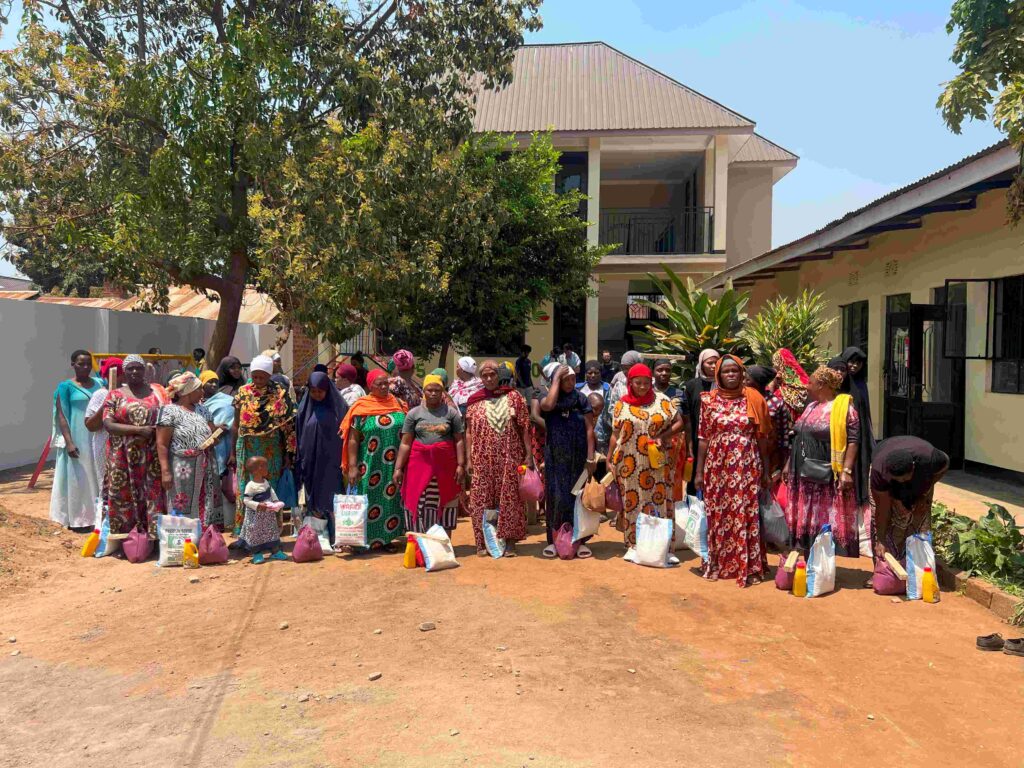
    Red Flags to Avoid When Donating

    Protect yourself from charitable fraud by recognizing warning signs:

    Pressure tactics demanding immediate donations without time for research indicate potential scams. Legitimate organizations welcome thoughtful consideration before giving.

    Vague descriptions of programs or reluctance to provide specific information about operations suggest lack of transparency or credibility.

    Requests for cash, wire transfers, or gift cards rather than traceable payment methods raise serious concerns about legitimacy.

    Charities whose names closely resemble well-known organizations may attempt to deceive donors through confusion. Verify exact names and independent contact information.

    Unsolicited contact, particularly after disasters or during high-profile events, sometimes represents opportunistic fraud rather than legitimate fundraising.

    The Ripple Effect of Your Contribution

    When you donate to Tanzania charity organizations, your impact extends far beyond immediate beneficiaries. Education donations create future teachers, healthcare workers, and community leaders. Clean water access improves health outcomes while freeing time for economic activities. Agricultural support strengthens food security while stimulating local economies.

    Each contribution represents an investment in human potential, community resilience, and sustainable development. The children who attend schools built by donors become the educated workforce driving Tanzania’s future. The mothers accessing healthcare raise healthier families who break poverty cycles. The farmers learning improved techniques feed their communities while generating income for education and healthcare.

    This multiplier effect means your donation continues creating value long after the initial gift, particularly when supporting organizations focused on capacity building and sustainable solutions rather than temporary relief.

    Common Questions About African Charity Donations

    How much of my donation actually reaches beneficiaries?

    Trusted charities in Tanzania typically allocate 70-85% of donations directly to programs, with the remainder covering essential administrative and fundraising costs. Organizations should transparently report these percentages in annual financial statements.

    Are online donations to African charities secure?

    Yes, when using reputable organizations with encrypted websites and established payment processors. Secure charity donations online through HTTPS-protected sites using credit cards or trusted payment platforms offer fraud protection and traceability.

    Can I visit projects I support in Tanzania?

    Many Tanzania nonprofit organizations welcome donor visits and organize trips allowing contributors to witness their impact firsthand. Contact organizations directly about visit opportunities, requirements, and logistics.

    How do I verify a charity operates legitimately in Tanzania?

    Check registration with Tanzania’s Registrar of NGOs, review annual reports and audited financials, examine third-party ratings when available, and contact the organization directly with detailed questions about operations and impact.

    What’s the minimum donation amount?

    Most charities accept donations of any size, though some online platforms set minimum thresholds ($5-$10) to cover processing costs. Every contribution matters, and recurring small donations often create more impact than single large gifts.

    Do donations to Tanzanian charities qualify for tax deductions?

    American donors can deduct contributions to U.S.-registered 501(c)(3) organizations supporting work in Tanzania. Direct donations to foreign organizations typically don’t qualify unless special provisions apply. Consult tax advisors about specific situations.

    Taking Action: Make Your Donation Today

    The needs in Tanzania are substantial, but so is the potential for positive change when compassionate donors support trusted charities in Tanzania. Your contribution, whether funding education, healthcare, water access, or economic empowerment, transforms lives and builds stronger communities.

    Research thoroughly, donate strategically, and maintain engagement with the organizations you support. Monitor impact reports, ask questions, and celebrate the victories your generosity helps achieve.

    Ready to Make a Difference?

    Visit Zara Charity Tanzania’s donation page to contribute to transparent, impactful programs serving Tanzanian communities. Every donation receives acknowledgment, and regular updates document how your generosity creates lasting change.

    Learn more about Zara Charity’s approach, programs, and impact by exploring the About Zara Charity section, where you’ll find detailed information about operations, financial transparency, and the communities served.

    When you donate to Tanzania charity organizations committed to accountability and measurable results, you become part of a global community invested in Africa’s development. Your generosity today plants seeds for Tanzania’s brighter tomorrow.

    Donate

    Donating to trusted charities in Tanzania represents an opportunity to create meaningful impact while practicing responsible philanthropy. By conducting thorough research, prioritizing transparent organizations, using secure payment methods, and maintaining engagement with your chosen charities, you ensure your African charity donations achieve their intended purpose.

    The landscape of Tanzania nonprofit organizations continues evolving toward greater transparency and effectiveness. Donors today have more tools than ever to verify legitimacy, measure impact, and hold organizations accountable. This evolution benefits both contributors seeking confidence in their giving and Tanzanian communities receiving more effective, sustainable support.

    Your decision to donate to Africa from USA or anywhere globally makes you part of a solution addressing poverty, disease, hunger, and inequality. The question isn’t whether one person can make a difference but rather how quickly we can collectively create the change Tanzania’s communities deserve.

    Start your journey of impactful giving today. Research, donate, engage, and witness the transformation your generosity enables in the lives of Tanzanian families building better futures.