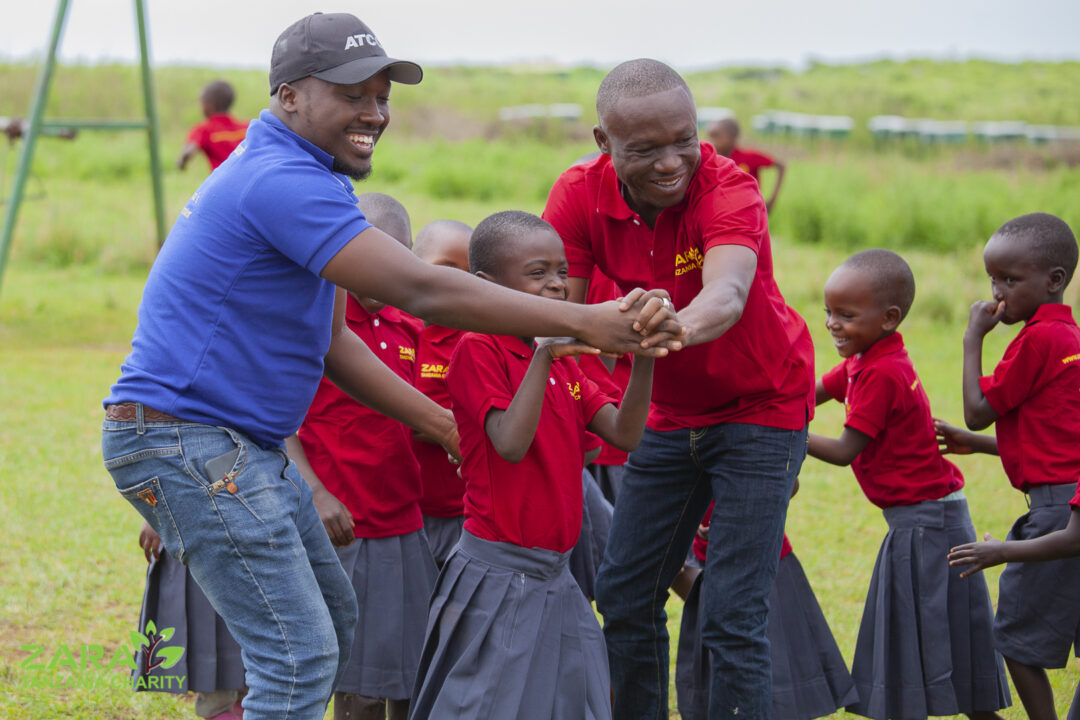
In East Africa today, 16.7 million girls in sub-Saharan Africa are not in school. While enrollment rates have improved over the past decades, the journey toward true gender parity in education remains challenging. In Tanzania alone, girls face dropout rates that significantly increase from age 12 onwards, with inadequate WASH facilities, early marriage, and cultural pressures creating barriers that boys rarely encounter.
Yet the evidence is clear: educating girls is one of the most powerful investments we can make. Educated women are more likely to improve their economic status, enhance their families’ health, and foster cycles of prosperity for future generations. When a girl receives quality education, entire communities transform.
This complete guide will show you exactly how you can support girls’ education in East Africa, what barriers exist, proven solutions that work, and where your contribution can make the greatest impact.

Why Girls’ Education Matters
Economic Impact
Educated women reinvest 90% of their income in their families, compared to 35% for men. When girls complete secondary education, they earn significantly higher incomes—studies show increases of 50-80% compared to uneducated peers—lifting entire families out of poverty.
Health Benefits
Educated mothers are 50% more likely to vaccinate their children, and women’s literacy rates correlate directly with reduced child mortality. Girls who complete secondary education marry 4-5 years later on average, allowing their bodies to mature before childbearing and dramatically reducing maternal and infant mortality.
Breaking Cycles
Education disrupts intergenerational cycles of poverty, illiteracy, and limited opportunity. An educated mother is far more likely to ensure her own daughters attend school, creating an upward spiral across generations.
Understanding the Barriers Girls Face
To effectively support girls’ education, we must first understand the complex barriers they encounter:
1. Poverty and Economic Hardship
Families struggling to afford school fees, uniforms, and supplies often prioritize the education of boys, viewing it as a better investment. Even in areas with free primary education, families must pay for uniforms, materials, transport, and exam fees—costs that can exceed a poor family’s monthly income.
2. Early Marriage and Pregnancy
Approximately 12 million girls worldwide are married off every year, with most dropping out of school or never attending at all. In many East African communities, girls as young as 12-14 face pressure to marry, particularly in rural and pastoralist communities.
3. Inadequate School Infrastructure
Less than half of schools in sub-Saharan Africa have water access. Girls miss an average of 4-5 school days per month during menstruation when schools lack proper facilities, accumulating to 20-50 days per year—nearly a quarter of the school year.
4. Distance and Safety Concerns
Almost a quarter of children in sub-Saharan Africa live at least two kilometers away from the closest school. For girls, this distance creates severe safety risks including gender-based violence, harassment, and trafficking.
5. Cultural Norms and Gender Expectations
In many communities, the dominant belief is that a girl’s rightful place is in the kitchen—not the classroom; in her husband’s home—not in school. Traditional gender roles discourage girls’ education, with families seeing little value in educating daughters who will ‘just get married.’
Section 1: Direct Financial Support
The most immediate way to support girls’ education is through financial contributions.
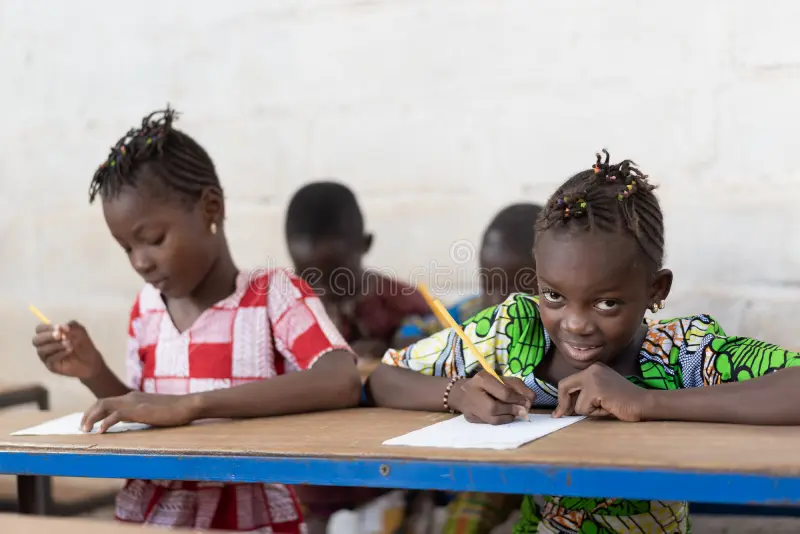
Sponsoring a Girl’s Education
What It Includes:
- School fees and registration
- Uniforms (often mandatory)
- Learning materials and books
- Transport assistance when needed
Cost Breakdown:
- Primary education sponsorship: $100-200 per year
- Secondary education sponsorship: $400-800 per year
- Full support package (including meals, health): $500-1,200 per year
At Zara Charity Tanzania, our sponsorship program connects donors directly with students. Sponsors receive biannual progress reports with grades, personal letters from the sponsored student, photos and updates on achievements, and optional opportunity to visit or communicate with the student.
Menstrual Hygiene Support
This often-overlooked need is critical for keeping girls in school. Many girls miss school or drop out entirely due to inability to manage menstruation. Cost: $15-25 per girl per year for reusable menstrual products.
Zara Charity’s Approach: We integrate menstrual hygiene education into our health curriculum, provide reusable pads manufactured by local women’s cooperatives (creating employment), and ensure all our school facilities include private spaces for menstrual management.
Section 2: Infrastructure Support
Physical infrastructure dramatically impacts girls’ enrollment and retention.
Water, Sanitation, and Hygiene (WASH) Facilities
Critical for Girls – This is perhaps the single most important infrastructure investment for keeping girls in school.
What’s Needed:
- Clean, reliable water source
- Separate, lockable toilets for girls and boys
- Handwashing stations with soap
- Menstrual hygiene facilities
The Impact at Moshi Kids Centre: After installing proper WASH facilities including separate girls’ toilets with menstrual hygiene management areas, we saw:
- 40% reduction in girls’ absences
- 90% of parents reporting daughters more willing to attend during menstruation
- Significant increase in female student enrollment from surrounding villages
Cost:
- Basic pit latrine: $800-1,200
- Modern toilet block (4 units): $8,000-12,000
- Water system (borehole, storage): $15,000-30,000
- Complete WASH facility: $25,000-50,000
Section 3: Addressing Cultural Barriers
Infrastructure and money alone won’t keep girls in school if communities don’t value their education.
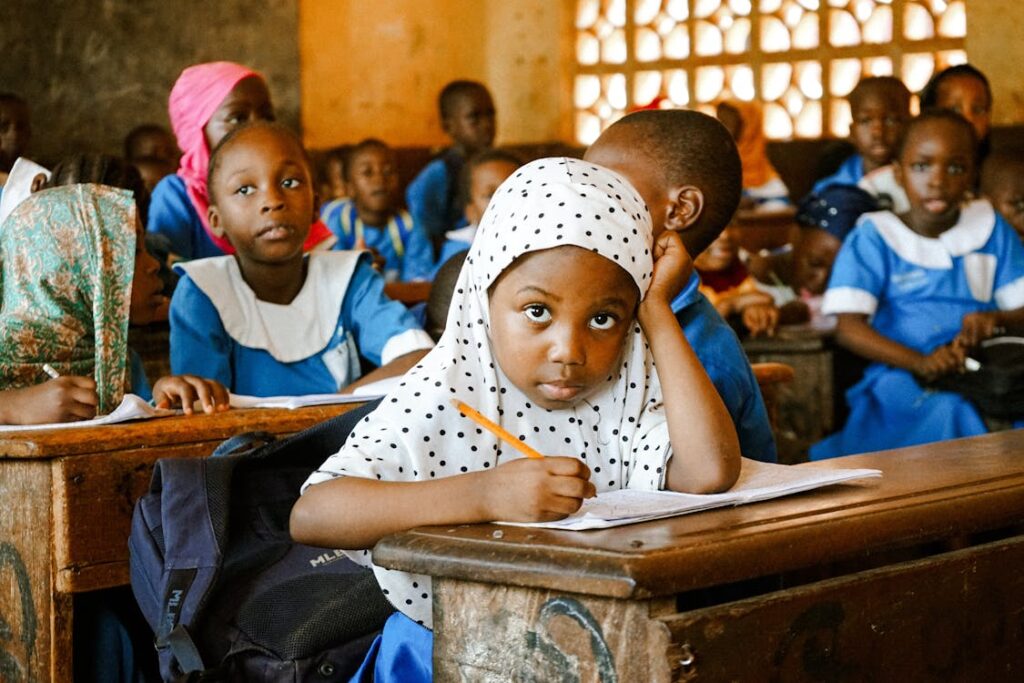
Community Education and Awareness
Effective Approaches:
- Parent Education Programs: Workshops showing economic benefits of daughters’ education
- Male Champions Programs: Engaging fathers and male leaders as advocates
- Elder Engagement: Respectful dialogue with community elders
- Mother-to-Mother Groups: Educated mothers sharing experiences
Addressing Child Marriage
Multi-Faceted Approach Required:
- Legal Advocacy: Supporting enforcement of minimum marriage age laws
- Economic Alternatives: Income-generating opportunities and conditional cash transfers
- Girls’ Safe Spaces: Places where at-risk girls can seek help
- Alternative Rites of Passage: Ceremonies celebrating womanhood while emphasizing education
Success Story: In one Maasai community where we work, engaging elders and creating alternative coming-of-age celebrations has reduced child marriage rates by approximately 35% over three years, with corresponding increases in secondary school enrollment.
Section 4: Providing Mentorship and Support
Girls navigating educational systems in challenging environments need more than financial support—they need guidance, encouragement, and practical help.
After-School Programs and Girls’ Clubs
Zara Charity’s Girls’ Club meets twice weekly at Moshi Kids Centre, covering:
- Study skills and academic support
- Health education (puberty, menstruation, reproductive health)
- Financial literacy basics
- Self-defense and assertiveness
- Goal-setting and future planning
Impact: Girls’ Club members show 25% better academic performance and are 3 times more likely to continue to secondary school compared to non-participants.
Zara Charity’s Comprehensive Approach
At Zara Charity Tanzania, we don’t implement isolated interventions—we address multiple barriers simultaneously because that’s what works.
For Each Girl We Support, We Provide:
- Educational Support: School fees, uniforms, supplies, textbooks, exam fees
- Health and Nutrition: Daily school meals, health screenings, menstrual hygiene products
- Infrastructure Access: Safe classrooms, proper WASH facilities, clean water
- Mentorship: Girls’ Club participation, academic tutoring, career guidance
- Community Engagement: Parent education, community awareness, cultural sensitivity
- Safety Measures: Safe school environment, reporting mechanisms, protection from early marriage
Our Results Speak:
- 95% attendance rate among supported girls
- 92% transition from primary to secondary school (vs. 65% national average)
- Zero cases of child marriage among program participants
- 88% of graduates pursuing further education or vocational training
How to Get Started Supporting Girls’ Education
Ready to make a difference? Here’s your action plan:
Step 1: Choose Your Approach
Financial Support:
- One-time donation: $25-$10,000+
- Monthly sponsorship: $25-100/month
- Specific project funding: Varies
Step 2: Make Your Contribution
Suggested Giving Levels:
- $25: School supplies for one girl for one year
- $100: One term of primary school support
- $250: One year of primary school support
- $500: One year of secondary school support
- $1,000: Full scholarship including meals and health
- $5,000: Support 10 girls for one year
- $25,000: Build a girls’ toilet block serving 200+ students
Every Girl Deserves the Opportunity
Right now, millions of brilliant, capable girls across East Africa are being denied education due to circumstances beyond their control. They’re not lacking potential—they’re lacking opportunity.
You have the power to change that.
Whether you donate $25 for school supplies or $25,000 for a toilet block, whether you volunteer for three months or mentor virtually for three years, whether you sponsor one girl or advocate for policy change—your support matters.
This transformation is possible. It’s happening. But it requires sustained support from people like you who believe every girl deserves an education.
The girls are ready. The programs work. The need is urgent. Will you help write the next success story?
Take Action Today
Visit gofund.me/02b1396f or contact us directly.
Sponsor a Girl
Email zara@zaracharitytanzania.org to learn about student sponsorship opportunities.
Volunteer
Visit our volunteer page to apply.
Contact Zara Charity Tanzania
Email: zara@zaracharitytanzania.org
Phone/WhatsApp: +255 655 451 003
Website: www.zaracharitytanzania.org
Leave a Reply