Category: Charity

  • Community-Based Tourism in Tanzania: How Your Visit Creates Real Economic Opportunities

    Community-Based Tourism in Tanzania: How Your Visit Creates Real Economic Opportunities

    Tanzania welcomed a record-breaking 2.14 million international visitors in 2024, generating nearly $4 billion in tourism revenue. But here’s the crucial question: how much of that money actually reaches the local communities who share their land, culture, and wildlife with tourists?

    The answer varies dramatically depending on how you choose to travel. Traditional mass tourism often results in what experts call “economic leakage”—where up to 80% of tourism spending flows out of local communities and into foreign-owned corporations. Community-based tourism (CBT) offers a powerful alternative that ensures your travel dollars directly benefit the people and places you visit.

    Community-Based Tourism in Tanzania: How Your Travel Supports Local Communities

    What is Community-Based Tourism?

    Community-based tourism is a model where local residents own, manage, and benefit directly from tourism activities in their area. Rather than being passive observers or low-wage employees in the tourism industry, community members become active decision-makers and primary beneficiaries of tourism development.

    According to recent research, CBT generates sustainable livelihoods by keeping tourism revenue within communities, creating employment opportunities, and empowering marginalized groups—including women, youth, and indigenous populations—who are often excluded from traditional tourism benefits.

    Tanzania’s Tourism Boom: An Opportunity for Change

    The numbers tell an incredible story of recovery and growth. Tanzania has been named the fastest-growing African tourism destination by UN Tourism, with a 48% increase compared to pre-pandemic levels. The sector now contributes approximately 17.2% to Tanzania’s GDP and employs over 1.4 million people.

    Yet despite this impressive growth, many Tanzanian communities adjacent to tourist attractions continue to face poverty, limited access to education, and inadequate infrastructure. This disconnect happens when tourism development prioritizes profit over people, and when local communities lack control over how tourism is managed in their regions.

    Community-based tourism bridges this gap by ensuring that growth in visitor numbers translates directly into improved living conditions, educational opportunities, and economic empowerment for local residents.

    How Community-Based Tourism Creates Economic Opportunities

    The Heart of Tanzania: Exploring the Nation’s Rich Cultural Heritage

    1. Direct Income Generation

    In traditional tourism models, a safari guide working for a large company might earn a fixed wage, while the majority of profits flow to shareholders in Nairobi or overseas. In contrast, community-based tourism ensures that guides, hosts, and service providers either own the enterprise collectively or receive a significantly higher share of revenues.

    When tourists participate in village tours, homestays, or cultural experiences organized by community cooperatives, the money stays local. These funds are then reinvested in community priorities—building schools, improving water systems, or supporting health clinics.

    2. Diversified Livelihood Opportunities

    CBT creates multiple income streams beyond traditional agriculture or pastoralism. Communities near Mount Kilimanjaro, for example, have developed cultural tourism programs, craft cooperatives, and homestay accommodations that provide year-round income.

    Women particularly benefit from these diversified opportunities. In the Ngorongoro region, women’s beekeeping cooperatives like the Asali Project allow Maasai women to generate income from organic honey production while tourists learn about traditional practices and purchase directly from producers.

    3. Skills Development and Capacity Building

    Community-based tourism requires training in hospitality, guiding, business management, and language skills. These programs create lasting value that extends beyond tourism. Young people trained as cultural guides develop confidence, communication skills, and entrepreneurial thinking that benefit them throughout their lives.

    For communities historically marginalized from formal education, tourism training programs provide pathways to economic participation that were previously unavailable.

    4. Preservation of Cultural Heritage

    When communities benefit economically from sharing their culture, they have strong incentives to preserve traditional practices, languages, and crafts. This creates a positive cycle where cultural preservation becomes economically viable, and tourists gain access to authentic experiences they couldn’t find in conventional tourism settings.

    Maasai communities offering cultural tours, for instance, maintain traditional homesteads, practice customary ceremonies, and teach traditional crafts—not as museum pieces, but as living cultures sustained by meaningful economic benefits.

    5. Infrastructure Improvements

    Tourism revenue directed to communities funds critical infrastructure that benefits both visitors and residents. When a community builds clean water systems, improves roads, or constructs health facilities to serve tourists, these improvements remain after visitors leave.

    This represents a form of development that’s driven by local priorities rather than external donor agendas, creating more sustainable and culturally appropriate outcomes.

    Real Numbers: The Economic Impact of Community-Based Tourism

    Community-Based Tourism in Tanzania: How Your Travel Supports Local Communities

    Global research on community-based tourism reveals significant economic benefits:

    • The global CBT market was valued at $575.9 billion in 2022 and is projected to reach over $2.1 trillion by 2032
    • Studies show CBT ensures tourism revenue remains within communities, unlike mass tourism where economic leakage can exceed 80%
    • Recent surveys indicate that 75% of travelers seek authentic cultural experiences, and 69% want their spending to benefit local communities directly

    In Tanzania specifically, the northern tourism circuit—encompassing Serengeti, Ngorongoro, and Kilimanjaro—hosts over 80% of the country’s tourism activity. Communities in these regions that have adopted CBT models report measurable improvements in income, education access, and quality of life.

    The Zara Charity Tanzania Approach

    At Zara Charity Tanzania, we’ve witnessed firsthand how responsible tourism creates transformative change. Our community programs demonstrate what’s possible when tourism benefits are equitably distributed:

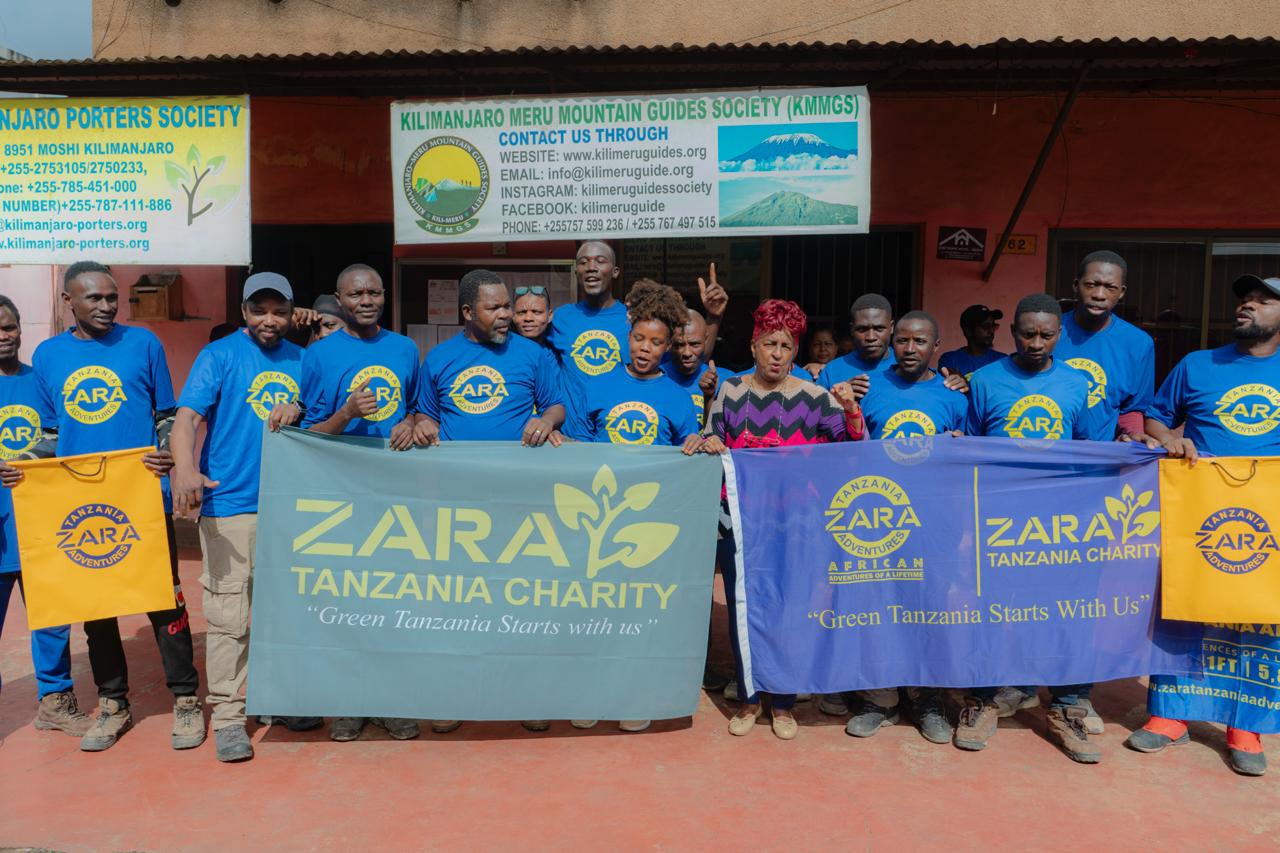
    Porter Welfare Programs: Through partnerships with the Mount Kilimanjaro Porters Society, we ensure fair wages, proper equipment, and health insurance for climbing crews. This transforms precarious day labor into dignified employment with long-term benefits.

    Women’s Empowerment Initiatives: The Asali Project in Ngorongoro connects tourists with Maasai women’s beekeeping cooperatives, creating sustainable income while preserving traditional ecological knowledge. Women use their earnings to pay school fees, improve nutrition, and gain economic independence.

    Environmental Education: Tree planting programs in Pasua combine environmental conservation with community development. Students learn sustainable practices while communities benefit from improved ecosystems and additional income from tourism-related activities.

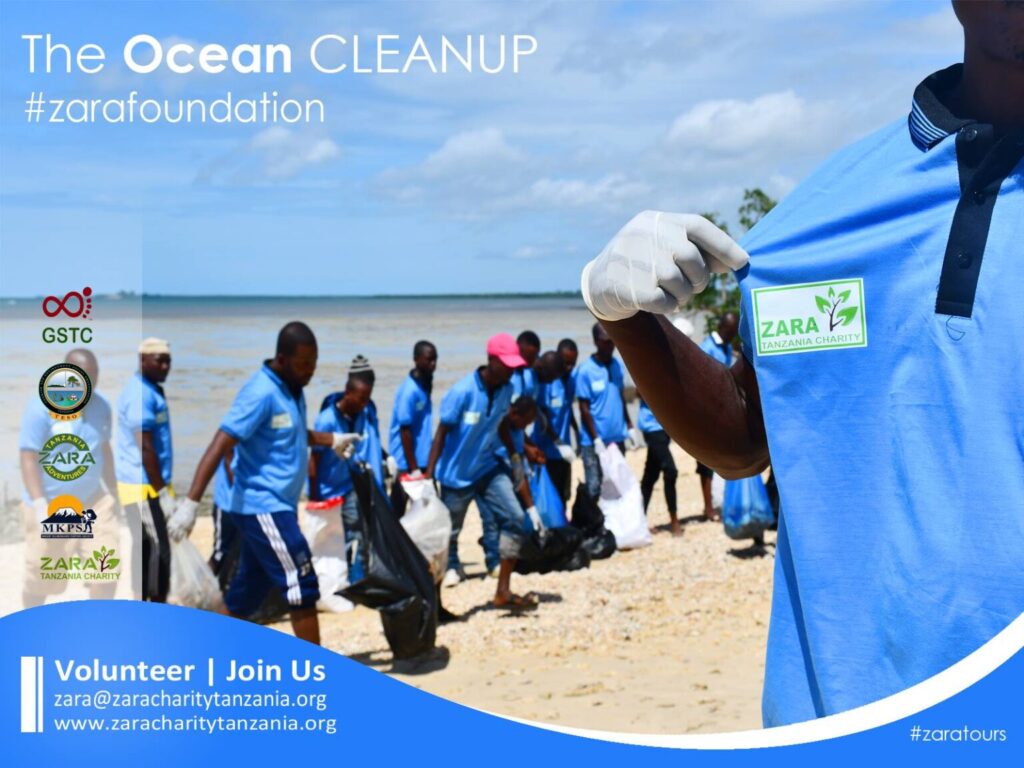
    Ocean Conservation: Coastal cleanup campaigns engage tourists in conservation work while providing temporary employment and training for local youth in environmental management.

    community based tourism Tanzania,

    How Travelers Can Support Community-Based Tourism

    Making your Tanzania visit support local communities requires intentional choices:

    Choose Responsible Tour Operators

    Look for operators with transparent community partnerships and fair employment practices. Ask specific questions:

    • What percentage of guide salaries goes directly to staff vs. management?
    • Do porters receive fair wages above minimum standards?
    • Are accommodations locally owned or do they employ significant numbers of local staff?
    • Does the company partner with community cooperatives for cultural experiences?

    Participate in Cultural Tourism Programs

    Seek out village visits, homestays, and cultural experiences organized by community cooperatives rather than external tour companies. These direct experiences ensure your payment goes entirely to the community.

    Purchase Directly from Local Artisans

    When buying souvenirs, purchase directly from craftspeople in community cooperatives or village markets rather than hotel gift shops. This ensures artisans receive fair value for their work.

    Extend Your Visit Beyond Major Attractions

    Consider spending time in community-based accommodations or participating in voluntourism activities. Even one or two nights in a community-run guesthouse can provide significant economic benefit.

    Support Organizations Working in Community Development

    Organizations like Zara Charity Tanzania channel tourism dollars directly into community programs. Donations and volunteer participation support education, women’s empowerment, and environmental conservation projects that complement responsible tourism development.

    The Challenges of Community-Based Tourism

    While CBT offers tremendous benefits, it’s important to acknowledge challenges:

    Infrastructure Limitations: Remote communities may lack the roads, utilities, and facilities that tourists expect. This requires investment and patient development.

    Training Needs: Providing quality tourism experiences requires skills that take time to develop. Communities need access to training in hospitality, guiding, and business management.

    Market Access: Small community cooperatives often struggle to reach international tourists dominated by large tour operators with extensive marketing budgets.

    Benefit Distribution: Ensuring tourism benefits are shared equitably across entire communities requires strong governance and transparent management.

    Seasonal Variability: Tourism’s seasonal nature means communities must diversify income sources to maintain year-round sustainability.

    These challenges aren’t insurmountable. They require commitment from multiple stakeholders—government policies supporting community tourism, tour operators prioritizing local partnerships, and travelers making conscious choices about how they spend their money.

    Looking Ahead: The Future of Tourism in Tanzania

    Tanzania’s tourism industry stands at a crossroads. The sector’s remarkable growth presents an unprecedented opportunity to transform local communities’ economic prospects. Whether this potential is realized depends on the choices made today by travelers, tour operators, policymakers, and communities themselves.

    The good news is that traveler preferences are shifting toward sustainability and authenticity. Three-quarters of global travelers now actively seek experiences that benefit local communities. This demand creates market incentives for responsible tourism practices and community partnerships.

    As Tanzania aims to diversify beyond the northern circuit and develop tourism in southern and western regions, community-based models offer blueprints for development that prioritize local benefit and long-term sustainability over short-term profit extraction.

    Take Action: Make Your Visit Matter

    Your next trip to Tanzania can be more than an incredible adventure—it can be a catalyst for positive change. By choosing responsible tour operators, participating in community tourism programs, and supporting organizations working at the grassroots level, you ensure that your visit leaves a lasting positive legacy.

    Tanzania’s extraordinary wildlife, stunning landscapes, and rich cultures deserve tourism development that honors and benefits the communities who safeguard these treasures. Community-based tourism isn’t just an alternative model—it’s the future of sustainable travel.

    Ready to Experience Community-Based Tourism in Tanzania?
    Learn more about responsible tourism opportunities:

    Support community development:

    Stay informed:

    • Subscribe to our newsletter for stories from Tanzania’s communities
    • Follow our blog for responsible tourism tips and updates
    • Share this article to spread awareness about community-based tourism
  • Kilimanjaro Cleanup Initiative: How Zara Tanzania Adventures and Zara Charity Are Protecting the Roof of Africa

    Kilimanjaro Cleanup Initiative: How Zara Tanzania Adventures and Zara Charity Are Protecting the Roof of Africa

    Mount Kilimanjaro—Africa’s highest peak and one of the world’s most iconic natural wonders—attracts thousands of trekkers every year. Yet, behind the breathtaking scenery lies a growing environmental challenge: waste accumulation caused by increased tourist activity.

    In response to this challenge, Zara Tanzania Adventures, alongside Zara Charity, in collaboration with KINAPA (Kilimanjaro National Park Authority), launched a major conservation effort under the campaign theme “Trash In, Trash Out.”

    This initiative reflects the organization’s long-standing mission to champion sustainable tourism, environmental stewardship, and community empowerment. Through targeted education, waste management efforts, and public participation, the campaign is helping preserve Kilimanjaro’s fragile ecosystem for present and future generations.

    Zara Tanzania Adventures and Zara Charity lead a major Kilimanjaro cleanup with KINAPA, promoting sustainability and responsible tourism through the “Trash In, Trash Out” campaign.

    1. Why the Kilimanjaro Cleanup Is Important

    Mount Kilimanjaro’s popularity brings economic benefits to Tanzania through tourism, but it also creates environmental pressure. Common pollutants include:

    • Plastic bottles

    • Disposable food packaging

    • Tissues and wipes

    • Abandoned gear

    • Improperly disposed organic waste

    Over time, accumulated trash disrupts wildlife, contaminates water sources, and diminishes the natural beauty that draws adventurers from across the globe.

    By organizing a massive cleanup operation, Zara Tanzania Adventures and Zara Charity have once again proved that tourism and environmental care can coexist.

    2. The “Trash In, Trash Out” Initiative – What It’s All About

    The cleanup campaign focused on the Lemosho and Shira routes, two of Kilimanjaro’s most scenic and commonly used trekking paths. Volunteers, guides, porters, and climbing crews joined forces to collect litter all the way up to base camp.

    The guiding principle of the campaign—“Trash In, Trash Out”—emphasizes that whatever climbers bring to the mountain must be carried back down and disposed of responsibly.

    This practice isn’t just about cleaning what others left behind; it also instills lasting habits among trekking groups and crews. The goal is to encourage a culture where sustainability is not an afterthought, but a core part of every climb.

    3. Leadership That Inspires: Mama Zara Flags Off the Cleanup Team

    The initiative was officially flagged off by Ms. Zainab Ansell (popularly known as Mama Zara), Founder and Director of Zara Tanzania Adventures and Zara Charity. Her presence at the starting point was not just symbolic—it demonstrated strong leadership grounded in community involvement and environmental responsibility.

    Mama Zara has long been recognized for her dedication to promoting:

    • Community empowerment

    • Responsible tourism
    • Conservation efforts

    • Women’s leadership in the tourism industry

    Her participation motivated the teams, reminding them that every individual decision impacts the broader ecosystem. Under her leadership, Zara Tanzania Adventures has become one of the leading organizations advocating for responsible travel in Tanzania.

    4. “Green Tanzania Starts with Us”: A Message of Environmental Responsibility

    Zara Tanzania Adventures and Zara Charity lead a major Kilimanjaro cleanup with KINAPA, promoting sustainability and responsible tourism through “Trash In, Trash Out.”

    The campaign’s slogan, “Green Tanzania Starts with Us,” highlights the importance of personal accountability. Conservation doesn’t begin with large organizations alone—it begins with the habits and decisions of individuals:

    • Carrying reusable water bottles

    • Reducing single-use plastics

    • Respecting trekking guidelines

    • Avoiding littering

    • Supporting environmentally conscious tourism partners

    These simple actions, when multiplied across thousands of climbers, have the power to preserve Kilimanjaro for generations.

    5. Educating Climbers and Crews for Lasting Impact

    Beyond trash collection, the initiative included awareness and training sessions for mountain crews and visitors. The goal was to create long-term behavioral change by teaching:

    • How to pack responsibly for Kilimanjaro

    • How to separate and properly dispose of waste

    • Why biodegradable products matter

    • The environmental consequences of littering

    • Leave-No-Trace principles

    This educational component ensures the cleanup’s impact continues long after the operation ends.

    6. Community-Driven Conservation Led by Zara Tanzania Adventures

    Zara Tanzania Adventures has a long history of supporting conservation efforts around Kilimanjaro and Tanzania. Over the years, the organization has led similar cleanups, conservation programs, and environmental campaigns, making it a pioneer in sustainable tourism.

    This initiative highlights the company’s commitment to not only offering world-class trekking experiences but also safeguarding the very landscapes that attract visitors.

    The collaboration with Zara Charity strengthens this mission by engaging local communities, volunteers, and stakeholders in practical, impactful environmental action.

    7. Collaboration With KINAPA: A Powerful Partnership for Change

    Zara Tanzania Adventures and Zara Charity lead a major Kilimanjaro cleanup with KINAPA, promoting sustainability and responsible tourism through the “Trash In, Trash Out” campaign.

    The partnership with KINAPA ensures that the cleanup is aligned with national park regulations and environmental priorities. KINAPA plays a crucial role in:

    • Authorizing cleanup routes

    • Providing logistical support

    • Ensuring safe access to different mountain sections

    • Coordinating with conservation authorities

    • Maintaining a broader environmental management framework

    Together, Zara Tanzania Adventures, Zara Charity, and KINAPA form a strong alliance fostering sustainable practices on Mount Kilimanjaro.

    8. How This Initiative Strengthens the Tourism Experience

    Clean trails, lower pollution, and protected landscapes not only benefit nature—they improve the trekking experience for tourists. Trekkers enjoy:

    • Cleaner campsites

    • Healthier surroundings

    • Safer drinking water sources

    • Beautiful, unspoiled landscapes

    • The pride of supporting eco-friendly tourism

    Sustainable tourism enhances Tanzania’s global reputation and ensures the mountain remains a world-class destination.

    .

    9. Zara Charity’s Role in Community Empowerment and Sustainability

    Zara Tanzania Adventures and Zara Charity lead a major Kilimanjaro cleanup with KINAPA, promoting sustainability and responsible tourism through the “Trash In, Trash Out” campaign.

    Zara Charity, the nonprofit wing of Zara Tanzania Adventures, plays a significant role in mobilizing communities and volunteers. The organization is deeply involved in:

    • Environmental conservation

    • Women and youth empowerment

    • Education and health programs

    • Volunteer engagement

    • Rural community development

    Learn more about Zara Charity’s community initiatives here:
    👉 https://www.zaracharitytanzania.org/

    10. Join the Movement: How You Can Support Conservation Efforts

    Zara Tanzania Adventures and Zara Charity partnered with KINAPA for a powerful Kilimanjaro cleanup campaign, promoting environmental conservation and responsible tourism.

    Tourists, partners, and community members can contribute to ongoing conservation initiatives by:

    • Choosing responsible tour operators like Zara Tanzania Adventures

    • Donating to support cleanup operations via Zara Charity

    • Participating in volunteer programs through Volunteer Tanzania
      👉 https://www.volunteerstanzania.com/

    • Practicing “Trash In, Trash Out” during your trek

    • Educating others on sustainable travel

    Every contribution strengthens the protection of Mount Kilimanjaro.

    11. A Future Built on Sustainability & Shared Responsibility

    The cleanup initiative is more than a one-day activity—it represents a long-term environmental commitment. Through continuous conservation campaigns, education, and responsible tourism, Zara Tanzania Adventures aims to preserve Tanzania’s iconic landscapes for decades to come.

    Mount Kilimanjaro is not just a mountain; it is a global treasure. And its protection depends on all of us.

  • ZARA TANZANIA ADVENTURES AND ZARA CHARITY LEAD KILIMANJARO CLEANUP INITIATIVE

    ZARA TANZANIA ADVENTURES AND ZARA CHARITY LEAD KILIMANJARO CLEANUP INITIATIVE

    Zara Tanzania Adventures and Zara Charity lead a major Kilimanjaro cleanup with KINAPA, promoting sustainability and responsible tourism through the “Trash In, Trash Out” campaign.
    Zara Tanzania Adventures and Zara Charity lead a major Kilimanjaro cleanup with KINAPA, promoting sustainability and responsible tourism through the “Trash In, Trash Out” campaign.
    Zara Tanzania Adventures and Zara Charity lead a major Kilimanjaro cleanup with KINAPA, promoting sustainability and responsible tourism through the “Trash In, Trash Out” campaign.
    Zara Tanzania Adventures and Zara Charity lead a major Kilimanjaro cleanup with KINAPA, promoting sustainability and responsible tourism through the “Trash In, Trash Out” campaign.

    In a strong demonstration of environmental stewardship, Zara Tanzania Adventures and Zara Charity, in collaboration with KINAPA (Kilimanjaro National Park Authority), organized a major clean-up campaign on Mount Kilimanjaro under the theme “Trash In, Trash Out.”

    The initiative covered the Lemosho and Shira routes, extending all the way up to the base camp, with a core mission: to preserve the mountain’s natural beauty and ensure a cleaner, greener Kilimanjaro.

    Zara Tanzania Adventures and Zara Charity lead a major Kilimanjaro cleanup with KINAPA, promoting sustainability and responsible tourism through “Trash In, Trash Out.”

    As shown in the photo, Ms. Zainab Ansell (Mama Zara)—Founder and Director of Zara Tanzania Adventures and Zara Charity—officially flagged off the clean-up team. Her leadership, presence, and motivating words inspired climbers, porters, guides, and volunteers to take part in preserving Mount Kilimanjaro’s fragile ecosystem while promoting sustainable tourism.

    Guided by the slogan Green Tanzania Starts with Us,” the team emphasized a powerful message: environmental protection begins with personal responsibility and grows through collective action.

    Beyond collecting litter left behind by trekkers, the campaign also focused on educating mountain crews and visitors about responsible tourism practices. Through this initiative, Zara Tanzania Adventures continues to lead by example, championing eco-friendly, community-driven tourism across Tanzania.

    This cleanup effort reflects Zara’s long-term commitment to:

    • Environmental conservation

    • Community empowerment

    • Protection of Mount Kilimanjaro—the iconic Roof of Africa

  • The Heart of Tanzania: Exploring the Nation’s Rich Cultural Heritage

    The Heart of Tanzania: Exploring the Nation’s Rich Cultural Heritage

    Beneath the shadow of Mount Kilimanjaro, Tanzania beats with the rhythm of a thousand cultures — each thread weaving together to form one of Africa’s most vibrant tapestries. With over 120 ethnic groups, this East African nation is a land where tradition, language, and community spirit thrive. Through the work of Zara Charity, volunteers and travelers alike have the opportunity to engage deeply with Tanzania’s cultural richness — not as observers, but as participants in stories of heritage, pride, and resilience

    The Heart of Tanzania: Exploring the Nation’s Rich Cultural Heritage

    A Land of Many Peoples

    From the pastoral Maasai and the agricultural Chaga, to the coastal Swahili communities and the Hadzabe hunter-gatherers, Tanzania’s diversity is astounding. Each group brings unique traditions, attire, and beliefs, shaping the country’s collective identity.

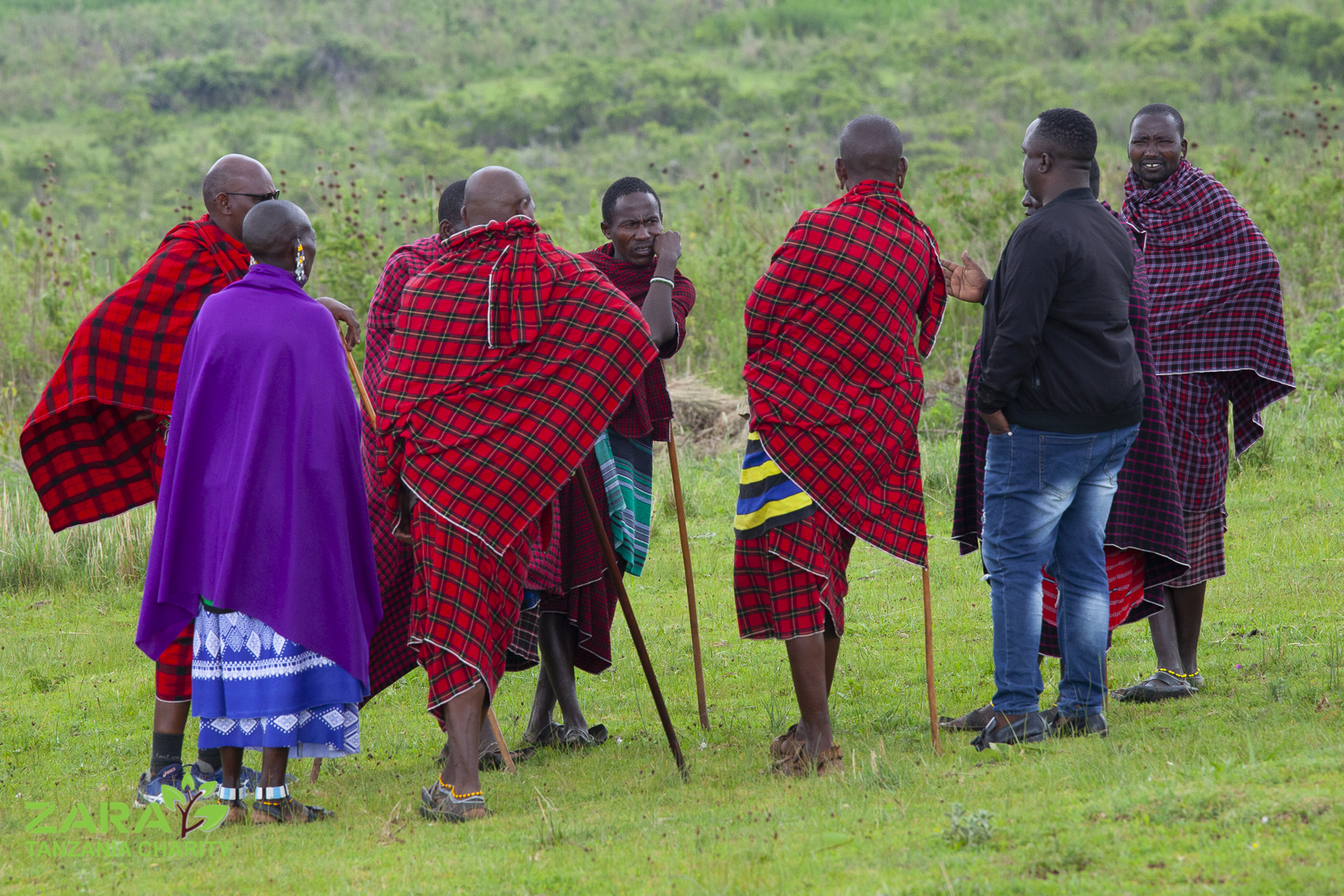
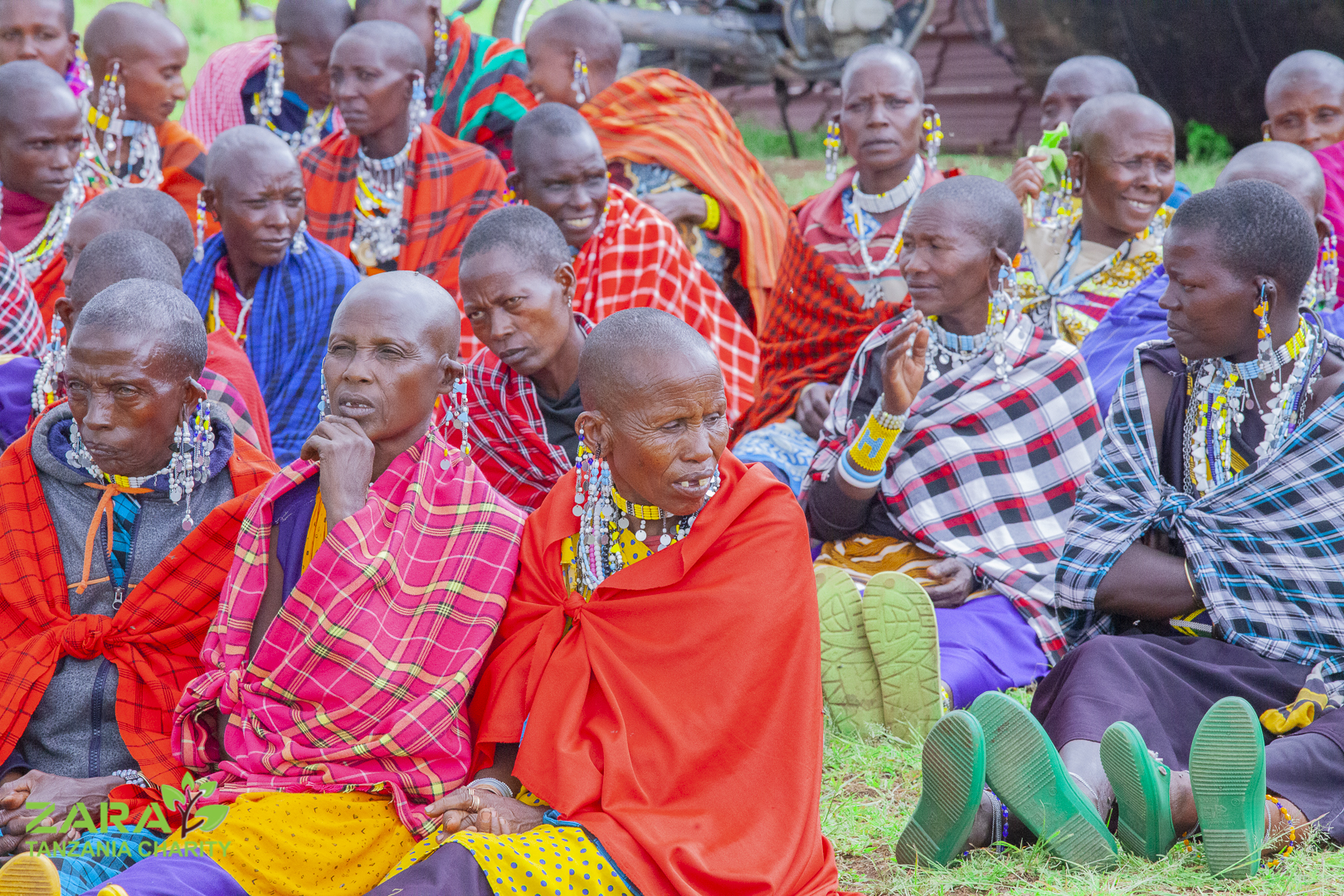
    The Maasai, famous for their red shukas and traditional dances, are guardians of ancient customs passed down through generations. Volunteers visiting Zara Charity’s community empowerment projects near Ngorongoro and Moshi often learn how these customs blend with modern education to uplift entire communities.

    Meanwhile, the Chaga people, native to the fertile slopes of Mount Kilimanjaro, are known for their innovation in agriculture. By supporting Zara Charity’s local farming initiatives, volunteers can witness how traditional farming methods are being refined for sustainability — preserving culture while nurturing progress.

    On the coast, the Swahili culture reflects centuries of interaction between Africa, Arabia, and Asia. The island of Zanzibar — with its spice markets, carved doors, and rhythmic taarab music — embodies Tanzania’s multicultural spirit

    The Heart of Tanzania: Exploring the Nation’s Rich Cultural Heritage

    🎶 Language, Music, and Art: The Soul of Tanzania

    At the core of Tanzania’s cultural connection is Swahili, the national language that unites all ethnic groups. It’s more than a language — it’s an identity. Volunteers often find joy in learning common Swahili phrases like “Karibu (Welcome) and “Asante Sana” (Thank you), deepening bonds with locals.

    Music and dance are woven into daily life. From the beating of African drums at celebrations to traditional ngoma performances at community gatherings, art expresses both joy and unity. Zara Charity integrates these cultural expressions into its empowerment programs — especially in education and youth projects — ensuring that heritage remains alive for future generations.

    Tanzanian crafts, from handwoven baskets to Maasai beadwork, reflect the creativity and resilience of its people. Many of Zara Charity’s women’s groups in Moshi and Arusha empower local artisans by helping them turn these traditional crafts into income-generating opportunities


    The Heart of Tanzania: Exploring the Nation’s Rich Cultural Heritage

    Preserving Heritage Through Education

    Cultural preservation begins with education — and Zara Charity has made it a cornerstone of its mission. Through initiatives like the Moshi Kids Centre, children not only learn academic subjects but also the importance of identity, tradition, and community values.

    Volunteers who teach at Moshi Kids Centre or community schools often participate in cultural exchange sessions, where storytelling, songs, and dance bring lessons to life. These activities strengthen pride in local heritage while connecting Tanzanian children with global perspectives.

    🤝 Volunteering for Cultural Impact

    Cultural exchange is at the heart of Zara Charity’s volunteer experiences. Whether helping in a women’s cooperative, joining a traditional cooking class, or teaching English in a rural school, every volunteer becomes part of a shared story of growth and understanding.

    Zara Tours, the charity’s tourism partner, ensures that travelers explore Tanzania ethically — visiting local villages, supporting small businesses, and engaging respectfully with indigenous communities. This form of responsible tourism strengthens the link between cultural appreciation and community development.

    The Heart of Tanzania: Exploring the Nation’s Rich Cultural Heritage

    Why Culture Matters

    Tanzania’s cultural diversity isn’t just a heritage to admire — it’s a living force that drives community, creativity, and sustainability. Organizations like Zara Charity ensure that while progress moves forward, the heartbeat of tradition remains strong.

    Through education, empowerment, and ethical tourism, the charity bridges cultures — showing the world that understanding and respect are the foundations of true development.

    As one volunteer beautifully said:

    “Tanzania didn’t just open its doors to me — it opened my heart.

    🌺 Get Involved

    If you’re inspired to experience Tanzania’s cultural heartbeat, Zara Charity welcomes volunteers year-round. Whether your passion is education, women’s empowerment, or cultural exchange, there’s a place for you to make a difference.

    Visit Zara Charity Tanzania to explore volunteer opportunities, or learn more about ethical tours with Zara Tours and community projects at Moshi Kids Centre.

    Karibu sana — welcome to Tanzania, where every culture tells a story and every volunteer becomes part of it.

  • Discover Tanzania: Volunteer with Zara Charity

    Discover Tanzania: Volunteer with Zara Charity

    Tanzania, a vibrant East African nation, captivates with its stunning landscapes, rich cultural heritage, and opportunities for meaningful volunteer work. From the majestic Mount Kilimanjaro to the wildlife-rich Serengeti and the idyllic beaches of Zanzibar, Tanzania is a land of wonders calling volunteers to make a difference. Through Zara Charity, in collaboration with Zara Tours and the Moshi Kids Centre, volunteers can engage in impactful projects that transform communities. This blog explores why Tanzania is the perfect destination for volunteering with Zara Charity.

    Tanzania’s Natural Splendor

    Tanzania’s diverse geography offers a breathtaking backdrop for volunteer work. Mount Kilimanjaro, Africa’s highest peak, is not only a climber’s dream but also a hub for sustainable tourism projects. Volunteers with Zara Charity can support community-led eco-tourism initiatives or reforestation efforts in the Kilimanjaro region, fostering environmental stewardship.

    The Serengeti National Park, renowned for the Great Migration, is a UNESCO World Heritage Site where volunteers can contribute to wildlife conservation and environmental education, aligning with Zara Charity’s mission of community transformation through sustainable practices. Similarly, the Ngorongoro Crater offers opportunities to work with Maasai communities on biodiversity preservation.

    Zanzibar’s coral reefs and cultural heritage provide a unique setting for marine conservation and community development projects. Volunteers can join Zara Charity’s efforts in coastal sustainability, protecting marine ecosystems while engaging with the island’s Swahili culture.

    Discover Tanzania: Volunteer with Zara Charity

    A Cultural Tapestry

    With over 120 ethnic groups, Tanzania’s cultural diversity enriches the volunteer experience. The Maasai, Chaga, and Swahili communities welcome volunteers with the warmth of karibu (welcome), fostering deep cultural exchange. Through Zara Charity’s programs, volunteers can teach English, learn traditional crafts, or share meals with host families, as highlighted in stories of women’s empowerment and education.

    At the Moshi Kids Centre, volunteers engage in cultural activities that strengthen community bonds, creating lasting memories and mutual learning opportunities.

    Addressing Challenges, Creating Impact

    Tanzania faces challenges like limited access to education and healthcare in rural areas, which Zara Charity tackles through targeted initiatives. Volunteers can teach at schools like Kaloleni Moshi, train educators, or support health clinics, directly addressing resource shortages.

    Poverty alleviation is another focus, with projects like microfinance and agricultural training empowering communities. The Moshi Kids Centre’s nutrition programs show how volunteers can enhance learning outcomes through sustainable support. Environmental challenges, such as deforestation, are met with Zara Charity’s tree-planting and conservation education efforts, often funded by Zara Tours’ ethical tourism.

    Discover Tanzania: Volunteer with Zara Charity

    Why Volunteer with Zara Charity?

    Volunteering with Zara Charity in Tanzania combines purpose with adventure. Whether you’re passionate about education, healthcare, conservation, or women’s empowerment, Zara Charity’s award-winning projects offer tailored opportunities to match your skills. In partnership with Volunteer Tanzania, programs are designed to meet community needs sustainably, ensuring lasting impact.

    Volunteers grow personally while witnessing Tanzania’s resilience and beauty. From supporting children at the Moshi Kids Centre to exploring the Serengeti’s plains, your journey with Zara Charity will be transformative.

    Join Zara Charity’s Mission

    Ready to make a difference? Zara Charity offers volunteer programs in education, healthcare, conservation, and more, in collaboration with Zara Tours and the Moshi Kids Centre. Can’t volunteer? Explore ways to support remotely. Visit our website to start your journey and join a community dedicated to change. Karibu sana to Tanzania with Zara Charity!

    Explore more: Top Charity Projects, Ethical Safaris, Moshi Kids Centre Stories.

  • ZARA TANZANIA CHARITY LEADS ENVIRONMENTAL CLEAN-UP IN PASUA AREA

    ZARA TANZANIA CHARITY LEADS ENVIRONMENTAL CLEAN-UP IN PASUA AREA

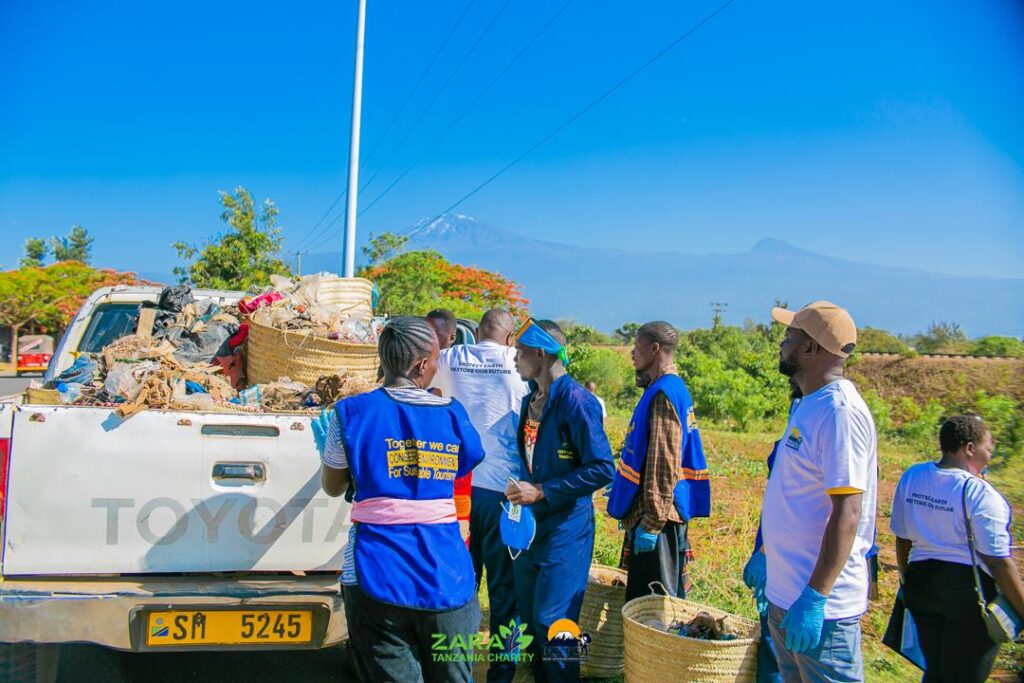
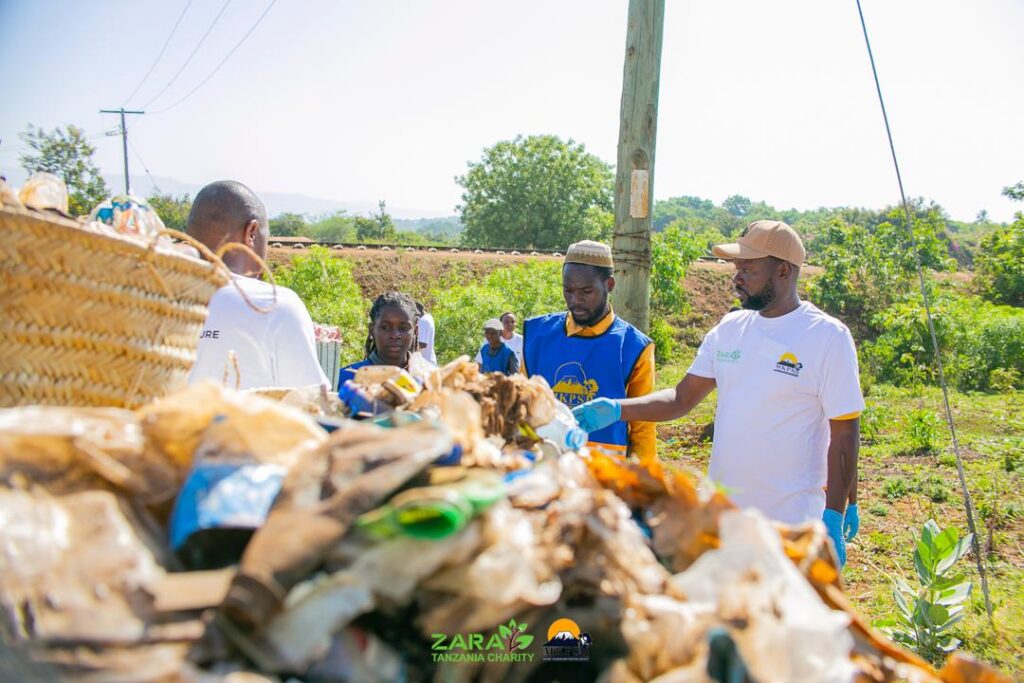
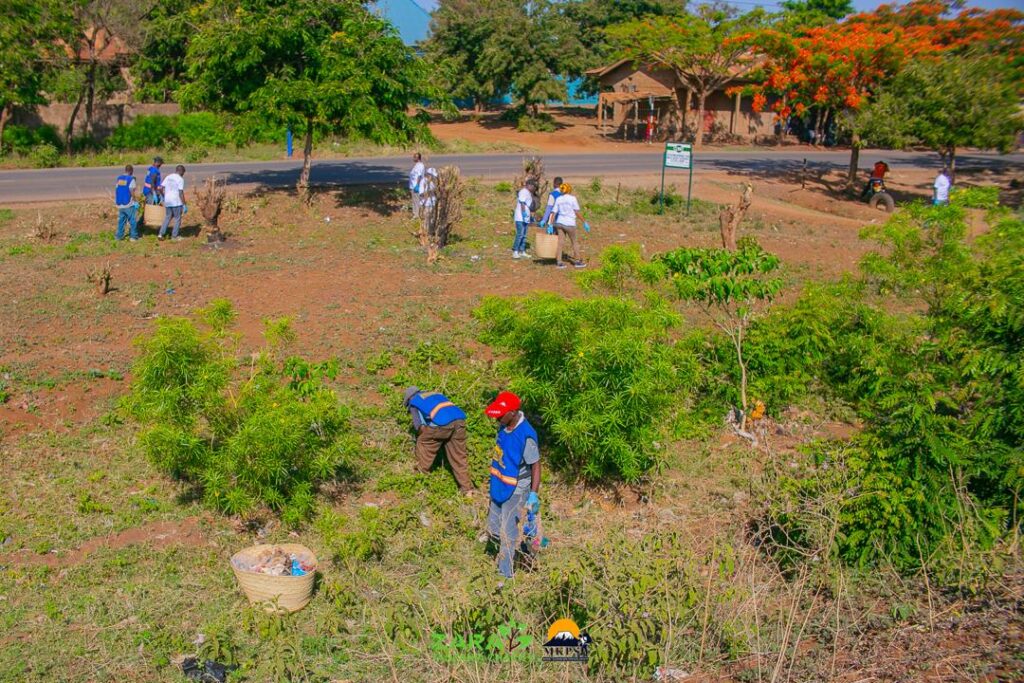
    Zara Tanzania Charity, a leading non-profit organization dedicated to empowering communities and protecting the environment, today spearheaded a successful environmental clean-up campaign in the Pasua area of Moshi, where the main offices of its key partner, Zara Tanzania Adventures, are located. The activity was conducted in partnership with Zara Tanzania Adventures and the Mount Kilimanjaro Porters Society (MKPS) — both long-standing allies in advancing sustainability and social impact in Tanzania.

    The clean-up, which brought together volunteers, staff, and community members, was part of Zara Charity’s ongoing monthly sustainability initiatives. The campaign aims to create awareness on environmental hygiene and waste management, while inspiring local communities to take responsibility for their surroundings. True to its mission, Zara Charity continues to stand as a beacon of hope and environmental stewardship, reminding everyone that “Green Tanzania Starts With Us.”

    Speaking during the activity, representatives from Zara Tanzania Charity emphasized that community involvement is key to long-term environmental preservation. “Today’s clean-up is not just about collecting waste — it’s about building a culture of care for our environment and future generations,” they said.

    Beyond today’s exercise, Zara Tanzania Charity is at the heart of numerous community development and sustainability programs across Tanzania. These include the Moshi Kids Center, which provides support, meals, and education to vulnerable children; the Ngorongoro Maasai Pre-School Project, aimed at improving access to early education for Maasai children; and the Maasai Women Make a Change Project in Karatu, which empowers women through entrepreneurship, beadwork, and sustainable livelihoods.

    Zara Tanzania Charity Leads Environmental Clean-Up in Pasua Area

    Zara Charity also leads major environmental initiatives such as the Mount Kilimanjaro Clean-Up Campaign, which preserves the mountain’s natural ecosystem, and the Ocean Clean-Up Program, focused on protecting Tanzania’s coastal regions. Additionally, the charity is spearheading a Women Vocational Training Center in Moshi, currently under development and fundraising, which will provide women with practical skills in tailoring, hospitality, and business to enhance their self-reliance.

    Through partnerships with the Mount Kilimanjaro Porters Society (MKPS), Zara Charity continues to advocate for the welfare and empowerment of porters — ensuring fair working conditions, access to healthcare, and training programs that uplift their livelihoods. Together, these organizations form a strong network of positive change within Tanzania’s tourism and community sectors.

    Behind Zara Charity’s success is the unwavering support of its main sponsor, Zara Tanzania Adventures — a pioneering tour operator recognized globally for its commitment to sustainable tourism, community empowerment, and environmental protection. For over three decades, Zara Tanzania Adventures has not only offered world-class safaris, Kilimanjaro climbs, and cultural experiences but has also used its platform to give back through meaningful social impact initiatives.

    As Zara Charity continues to grow its reach and deepen its impact, its mission remains clear — to champion sustainability, empower communities, and preserve the beauty of Tanzania’s environment.

    Indeed, a Green Tanzania starts with Zara Tanzania Adventures — through the heart of Zara Charity. 🌿

  • Mount Kilimanjaro Porters Society: Empowering Communities with Zara Charity

    Mount Kilimanjaro Porters Society: Empowering Communities with Zara Charity

    The Mount Kilimanjaro Porters Society (MKPS), established on September 30, 2005, is a registered non-governmental organization (NGO) in Tanzania (Certificate No. 13296). As a vital partner of Zara Charity, MKPS advocates for the rights, welfare, and dignity of porters who support trekkers on Mount Kilimanjaro, Africa’s highest peak. This collaboration drives sustainable community development, promotes ethical tourism, and uplifts local livelihoods.

    Mount Kilimanjaro porters trekking with supplies, supported by MKPS and Zara Charity.

    Supporting Kilimanjaro Porters

    Porters are the backbone of Tanzania’s trekking industry, ensuring climbers safely experience Mount Kilimanjaro’s majesty. MKPS champions their welfare by advocating for:

    • Fair Wages and Conditions: Ensuring equitable pay and safe working environments.

    • Healthcare Access: Providing medical services for porters and their families.

    • Education Opportunities: Supporting learning for sustainable livelihoods.

    This work strengthens communities around Kilimanjaro, fostering resilience and social equity.

    The Power of Zara Charity and MKPS Collaboration

    The partnership between Zara Charity and MKPS exemplifies how responsible tourism and humanitarian efforts can transform lives. By combining expertise and resources, they create lasting impact through:

    Ocean Cleanup Project: Protecting the Indian Ocean with Zara Charity

    1. Local Expertise and Insight

    MKPS’s deep understanding of Kilimanjaro’s culture and challenges enables Zara Charity to design effective, community-focused projects. Their local knowledge ensures initiatives are sustainable and relevant.

    2. Enhanced Credibility

    MKPS’s respected reputation in porter welfare bolsters Zara Charity’s credibility. This trust attracts donors and partners, reinforcing Zara Charity’s commitment to impactful change.

    3. Access to Local Resources

    MKPS provides Zara Charity with access to skilled labor, materials, and logistical support. This collaboration reduces project costs, accelerates implementation, and maximizes community impact.

    4. Authentic Community Engagement

    MKPS’s strong ties with porters and their families foster authentic community engagement. By bridging cultural gaps, MKPS ensures Zara Charity’s initiatives address genuine community needs, creating trust and lasting impact.

    5. Project Synergy and Efficiency

    The partnership leverages MKPS’s infrastructure and Zara Charity’s development programs to streamline logistics, share best practices, and avoid duplication. This synergy results in more efficient, impactful initiatives.

    6. Amplified Resources for Greater Impact

    By combining fundraising efforts, MKPS and Zara Charity access larger funding pools, enabling ambitious community projects that reach more beneficiaries and drive broader social change.

    7. Shared Mission for Sustainable Development

    Both organizations share a commitment to uplifting vulnerable groups, supporting porters, and fostering inclusive growth. This shared vision ensures all efforts align toward sustainable development and community empowerment.

    MKPS and Zara Charity team collaborating with Kilimanjaro porters for community empowerment."

    How to Support This Mission

    You can contribute to this transformative partnership by:

    • Donating: Support Zara Charity’s initiatives at Zara Charity.

    • Raising Awareness: Share this story on social media to inspire others.

    • Choosing Ethical Tourism: Select tour operators prioritizing porter welfare.

    A Legacy of Impact

    The partnership between Zara Charity and the Mount Kilimanjaro Porters Society is a beacon of hope for porters and their communities. By combining expertise, resources, and compassion, they empower lives, promote ethical tourism, and build resilient communities in Tanzania. Join this movement for sustainable change today.

  • OCEAN CLEANUP PROJECT

    OCEAN CLEANUP PROJECT

    Zara Charity, operating through its Foundation, has chosen to make a significant impact by engaging in regular cleanup activities to counter the escalating environmental degradation resulting from human activities and to champion conservation efforts. The scale of the challenge is staggering; Earth is currently burdened with an estimated 6.3 billion metric tons of plastic waste, and if this trend persists, there will be more plastic than fish in our oceans by mid-century. This pervasive issue extends to the ocean’s depths, as research reveals that many deep-sea organisms have ingested plastic. Furthermore, climate change-induced rising sea surface temperatures in the Indian Ocean have triggered coral bleaching, decimating coral cover and threatening marine biodiversity. The consequences of climate change are acutely felt here, particularly with rising sea levels. Zara Charity is taking on this formidable challenge, urging you to support their cleanup activities and contribute to the construction of floodproofing structures along the Indian Ocean Coastline, as together we strive to preserve the precious land and marine biodiversity and develop climate adaptation strategies to combat the growing environmental crisis.

    Ocean Cleanup Project: Protecting the Indian Ocean with Zara Charity

    HERE IS WHY WE DO INDIAN OCEAN COASTLINE CLEANUP

    Preserving Marine Ecosystems: The Indian Ocean boasts an astonishing diversity of marine life, including vibrant coral reefs, majestic marine mammals, and countless fish species. These ecosystems are not only a source of wonder but also provide sustenance and livelihoods for coastal communities. Regular cleanups are instrumental in preventing the degradation of these ecosystems. By removing debris and pollutants, we ensure that these habitats remain intact and thriving, supporting marine biodiversity and the delicate balance of life beneath the waves.

    Reducing Plastic Pollution: Plastic pollution is a global scourge, and the Indian Ocean is not immune to its pernicious effects. Regular cleanups are our frontline defense against the relentless tide of plastic waste. They play a crucial role in intercepting plastics before they break down into harmful micro plastics and are ingested by marine organisms. By stemming the flow of plastic into the ocean, we mitigate the far-reaching ecological consequences and protect the health of marine species, large and small.

    Protecting Human Health: Coastal communities often rely on the ocean for sustenance, with seafood being a primary source of protein. Pollution along coastlines can contaminate the waters and the seafood within, posing serious health risks to those who depend on these resources. Regular cleanups help maintain the integrity of these coastal ecosystems, ensuring that the seafood remains safe to consume and that local communities can rely on the ocean for their nutritional needs.

    Ocean Cleanup Project: Protecting the Indian Ocean with Zara Charity

    Supporting Tourism: The allure of the Indian Ocean’s pristine beaches and vibrant marine life draws tourists from around the world. Tourism is a significant economic driver for many coastal regions. Regular clean coastlines are essential for maintaining the beauty and health of these natural attractions. By ensuring clean and inviting shores, we sustain the tourism industry, bolstering local economies and providing livelihoods for countless individuals.

    Climate Resilience: Coastal areas are on the frontline of climate change impacts. Rising sea levels, more frequent storms, and coastal erosion threaten the well-being of communities living along the Indian Ocean coast. Cleanups contribute to climate resilience by removing debris and pollutants that can exacerbate these threats. Additionally, they help protect natural buffers like mangrove forests, which play a crucial role in reducing the impacts of storm surges and stabilizing coastlines.

    International Collaboration: Pollution in the Indian Ocean often knows no borders, affecting multiple countries and regions. Regular cleanups encourage international collaboration to address these shared challenges. By working together, countries around the Indian Ocean can develop coordinated strategies for pollution prevention and response. This collaborative effort strengthens the collective capacity to protect this vital body of water and ensures a healthier future for all who depend on it. Regular coastline cleanups along the Indian Ocean coast are pivotal for preserving marine ecosystems, mitigating pollution, safeguarding human health, supporting tourism, building climate resilience, fostering environmental education, and promoting international cooperation. These efforts are essential for a sustainable future where the Indian Ocean and its coastal communities thrive.

    HERE IS HOU YOU CAN JOIN US AND SUPPORT THE MOVEMENT

    Supporting a coastline cleanup project, whether through material contributions, financial support, or physical involvement, is a meaningful way to make a positive impact on the environment. Here are ways you can support the project:

    Material Support:

    Donation of Cleanup Equipment’s: Offering cleaning supplies like durable trash bags, protective gloves, recycling bins, litter pickers, and comprehensive first-aid kits is invaluable. These materials empower cleanup crews to work efficiently while ensuring their safety in often challenging coastal environments.

     Donation of Tools and Machinery: In cases where cleanup efforts cover larger areas, consider donating tools such as rakes, shovels, wheelbarrows, or even machinery like boats, drones, or vehicles. These resources can significantly enhance the scope and effectiveness of cleanup operations.

    Trash Disposal Services: Contribute to the responsible management of collected debris by covering the costs of trash disposal services. This includes waste collection, recycling, and proper disposal facilities. Ensuring the proper handling of waste is essential for a sustainable cleanup effort.

    Volunteer Coordination: Offer your skills and time to help organize and manage cleanup events. Coordinating volunteers, arranging logistics, and overseeing the overall operation are essential elements of a successful cleanup project. Your expertise can streamline these efforts.

    Financial Support:

    Direct Donations: Financial contributions directly to the organization responsible for the cleanup project provide vital resources. These funds can be allocated to purchase cleanup supplies, transportation, volunteer support, and other logistical needs.

    Sponsorship: Explore corporate sponsorship opportunities. Businesses can provide financial support, equipment, or services in exchange for recognition and branding during cleanup events. This mutually beneficial arrangement boosts the project’s resources and visibility.

    Fundraising Campaigns: Initiate or participate in fundraising campaigns dedicated to supporting the cleanup project. Online crowdfunding, charity events, donation drives, and partnerships with local businesses are effective ways to raise funds.

    Physical Involvement:

    Participate in Cleanups: Joining cleanup events as a volunteer is a tangible way to contribute. Your physical presence and active involvement in collecting and removing debris from the coastline directly impact the cleanliness and health of the environment.

    Recruit Volunteers: Expand the project’s reach by encouraging others to participate. Mobilize your social networks, friends, family, and community members to get involved. The more volunteers engaged, the greater the collective impact.

    Raise Awareness: Leverage your voice and social platforms to raise awareness about the cleanup project and broader coastal conservation issues. Educate your network about the significance of preserving coastal ecosystems and share information on how others can join the effort.

    Ocean Cleanup Project: Protecting the Indian Ocean with Zara Charity

    Advocate for Policy Change: Engage with local and national policymakers to advocate for policies and regulations that reduce plastic waste, encourage responsible waste management, and protect coastal environments. Your advocacy can lead to lasting systemic change.

    Educational Initiatives: Support educational programs that promote environmental awareness and conservation, particularly among younger generations. These initiatives empower individuals with the knowledge and motivation to protect our coastlines.

    Community Engagement: Organize community-oriented cleanups or educational events. These activities bring together local residents, fostering a sense of responsibility and collective action in safeguarding the coastline. By offering material resources, financial support, or physical involvement in these ways, you actively contribute to the preservation of coastal ecosystems, the reduction of plastic pollution, and the overall well-being of coastal communities. Your support plays a pivotal role in ensuring that our coastlines remain clean, vibrant, and sustainable for present and future generations to enjoy.

  • MAASAI WOMEN MAKE A CHANGE

    MAASAI WOMEN MAKE A CHANGE

    In the heart of the Maasai community, a profound transformation is unfolding, challenging centuries-old traditions that have long oppressed and marginalized Maasai women. This movement, initiated with unwavering determination, seeks to liberate these women from the constraints of a society deeply entrenched in the subjugation and exploitation of its female members. At the forefront of this endeavor stands Zara Charity, an organization committed to rewriting the narrative for Maasai women. Through a series of diverse projects, ranging from entrepreneurship skills to financial management, Zara Charity has embarked on a journey to provide Maasai women with the tools they need to break free from the chains of tradition and build brighter futures.

    Empowering Maasai Women | Zara Charity’s Impact

    HERE ARE THE ACTIONS TAKEN BY ZARA CHARITY TO BRING A CHANGE TO
    THE MAASAI COMMUNITY

    Zara Charity has embarked on a transformative journey to uplift Maasai women, addressing the enduring challenges posed by entrenched traditional beliefs. Through a multifaceted approach, Zara Charity has designed a range of projects aimed at equipping these women with the skills and opportunities needed to overcome these difficulties and build better lives.

    Hotel Management Training:

    Zara Charity understands that economic empowerment often begins with education and skill development. This is where the hotel management training comes into play. By offering specialized training in hotel management, Maasai women are equipped with the expertise needed to excel in the hospitality industry. They learn the intricacies of hotel operations, customer service excellence, and event management. This course is a vital lifeline, offering Maasai women an alternative and lucrative career path. It enables them to enter a sector that plays a pivotal role in the local economy, opening doors to employment opportunities that were once beyond their reach.

    Entrepreneurship Skills Training:

    Sound financial management is essential for personal and economic stability. Zara Charity’s financial management education equips Maasai women with vital skills in budgeting, savings, and investment. Understanding financial concepts and practices empowers these women to make informed decisions about their finances, ensuring that their hard-earned income is managed wisely. This training is crucial as it helps women break free from the cycle of poverty and dependence on others, enabling them to plan for a secure future.

    entrepreneurial skills

    Vocational Training:

    Recognizing the unique challenges faced by young Maasai women who complete their primary or secondary education, Zara Charity established a vocational training center. This center offers a diverse range of vocational courses, including tourism, hotel management, arts and crafts, and community development. Each course equips participants with specialized skills tailored to current employment opportunities in the region. The importance of this initiative cannot be overstated, as it provides these young women with an alternative path to self-sufficiency. By learning in-demand skills, they become eligible for employment in sectors that are vital to the local economy, fostering sustainable livelihoods and a sense of purpose.

    Cultural Fusion Dress Design:

    Collaborating with the Karatu Maasai women group, Zara Charity supports the design and creation of dresses that blend traditional Maasai colors and jewelry with modern, feminine styles. These dresses offer an artistic representation of cultural fusion and inclusivity, inviting women from diverse backgrounds to wear and appreciate them. The sales of these dresses contribute directly to the establishment of the educational training center for Maasai women. 

    This initiative highlights the importance of cultural preservation and economic empowerment, as it allows Maasai women to showcase their cultural heritage while generating income for their training and development. Zara Charity’s projects are a testament to its commitment to Maasai women’s empowerment. By offering entrepreneurship skills, financial management education, vocational training, and opportunities for cultural expression, Zara Charity is providing tangible pathways for these women to overcome traditional barriers. Through these initiatives, Maasai women gain not only skills and knowledge but also the confidence and resources they need to rewrite their own narratives, break free from oppression, and embrace a future filled with possibilities.

    HERE IS HOW YOU CAN HELP OR JOIN THE MOVEMENT

    Supporting the movement to empower Maasai women and promote positive change in their communities is a noble Endeavor. Here are several ways in which individuals interested in helping can contribute:

    Donate Financially: Financial contributions play a pivotal role in sustaining projects and programs aimed at empowering Maasai women. These funds can be allocated to critical areas such as education, vocational training, healthcare, and infrastructure development. Donations provide the necessary resources to expand the reach and impact of initiatives, enabling Maasai women to access education, gain vocational skills, and improve their living conditions.

     Sponsor a Student: Sponsoring a student from a the Ngorongoro Pre and Primary School can be a life-changing experience, both for the sponsor and the young woman (mother) involved. Your sponsorship can cover various educational expenses, including tuition fees, school supplies, uniforms, and even boarding costs. This support not only facilitates access to quality education but also eases the financial burden on Maasai families, encouraging them to prioritize their daughters’ education.

    sponsor a child

    Volunteer: If you possess relevant skills and expertise, volunteering your time and knowledge can have a profound impact on Maasai communities. You can work directly with local organizations or NGOs, contributing your expertise in areas such as teaching, healthcare, business development, or project management. Your efforts can help build capacity, improve healthcare access, or enhance the sustainability of community initiatives.

    Promote Fair Trade: Maasai women often create beautiful handcrafted products, including beadwork and traditional dresses. Supporting fair trade initiatives that provide a market for these products ensures that the women receive fair compensation for their craftsmanship. Purchasing these items not only supports their livelihoods but also preserves their cultural heritage and artistic traditions.

    Advocate for Gender Equality: Advocate for gender equality within Maasai communities and beyond. Raise awareness about the unique challenges faced by Maasai women, including limited access to education, healthcare, and economic opportunities. Use your voice to advocate for policies and programs that promote gender equality and empower women in these communities.

    Educate yourself and Others: Take the time to educate yourself about Maasai culture, traditions, and the specific challenges faced by Maasai women. This knowledge allows you to engage with sensitivity and cultural awareness. Share what you learn with your network to foster understanding and garner support for Maasai empowerment initiatives.

    Visit Maasai Communities Responsibly: If you have the opportunity to visit Maasai communities, do so with respect and cultural sensitivity. Engage with the community members, learn from their experiences, and support local businesses. Your visit can have a positive economic impact while promoting cultural exchange and mutual understanding.

    Connect with Organizations: Connect with reputable organizations that work directly with Maasai communities, such as Zara Charity. These organizations can provide guidance on how best to support their initiatives and create meaningful impact. Collaborating with established organizations ensures that your efforts align with the specific needs and priorities of the communities they serve.

    Advocate for Education: Support efforts to improve access to education for Maasai girls and women. Advocate for policies that promote girls’ enrolment in schools and address barriers to education, such as distance, cultural norms, and gender-based discrimination. Additionally, consider sponsoring scholarships for Maasai girls to ensure they have the opportunity to pursue education beyond primary levels.

    community

     Share Their Stories: Amplify the voices and stories of Maasai women and their journey towards empowerment. Use your platform, whether through social media, blogs, or community presentations, to share these stories. Raising awareness about their resilience and progress can inspire others to get involved and contribute to their cause.

    Support Sustainable Development: Encourage initiatives that prioritize sustainable development within Maasai communities. This includes projects focused on economic self- sufficiency, environmental conservation, and community well-being. Sustainable development ensures that positive changes are enduring and can lead to long-term improvements in the quality of life for Maasai women and their families.

     Every contribution, whether financial, educational, or advocacy-based, has the potential to make a significant difference in the lives of Maasai women and their communities. By engaging with respect, empathy, and a commitment to long-term positive change, individuals can be catalysts for empowerment and progress.

  • Volunteer Tourism in Tanzania: Making an Impact with Zara Charity

    Volunteer Tourism in Tanzania: Making an Impact with Zara Charity

    Tanzania’s landscapes, from Kilimanjaro’s peaks to Serengeti’s plains, draw adventurers worldwide. But beyond the scenery, volunteer tourism Tanzania offers a chance to make a difference. Zara Charity, the non-profit arm of Zara Tanzania Adventures, channels this passion into impactful voluntourism projects. Since 2009, Zara Charity has transformed communities through education, healthcare, and conservation, all fueled by travelers who want purpose with their adventure. This blog explores how volunteer tourism Tanzania with Zara Charity creates lasting change, blending meaningful work with unforgettable experiences.

    What is Volunteer Tourism with Zara Charity?

    Volunteer tourism Tanzania combines travel with service, letting you explore while supporting local communities. Zara Charity, registered under Tanzania’s NGO laws, leads this charge. Founded by Zainab Ansell, it reinvests tourism revenue into schools, clinics, and environmental efforts. Volunteers join voluntourism projects like teaching, building classrooms, or planting trees, directly impacting lives in Moshi and beyond.

    Unlike typical tourism, Zara’s programs ensure your efforts align with community needs. You might teach English to kids or help construct a library, all while staying immersed in Tanzanian culture. Learn more about these opportunities on our Volunteer Programs page.

    Volunteer Tourism in Tanzania: Making an Impact with Zara Charity
    Volunteer Tourism in Tanzania: Making an Impact with Zara Charity

    Education Projects: Building Futures

    Education is a cornerstone of Zara Charity’s mission. Tanzania faces a shortage of schools, with over 5.8 million children lacking access to quality education. Zara counters this through voluntourism projects focused on school construction and teaching. Volunteers have helped build three primary schools since 2009, serving over 1,500 students annually. Tasks include laying bricks, painting classrooms, or tutoring in math and English.

    These efforts create safe learning spaces. For example, volunteers at the Moshi Kids Center support orphans with homework and life skills. Global charity blogs like Charity Navigator praise Zara’s transparent education initiatives, noting their measurable impact.

    Environmental Impact: Protecting Tanzania’s Beauty

    Zara Charity’s voluntourism projects extend to conservation, vital for Tanzania’s ecosystems. Volunteers join tree-planting campaigns to combat deforestation around Kilimanjaro or clean up ocean plastics along the Pangani Coast. These efforts protect wildlife, like sea turtles and colobus monkeys, while preserving the landscapes travelers love.

    As a Leave No Trace partner since 2025, Zara trains volunteers in eco-friendly practices. A single cleanup climb can remove hundreds of kilograms of litter from Kilimanjaro’s trails. Volunteer abroad sites like GoAbroad highlight Zara’s green initiatives, making them a top pick for eco-conscious travelers.

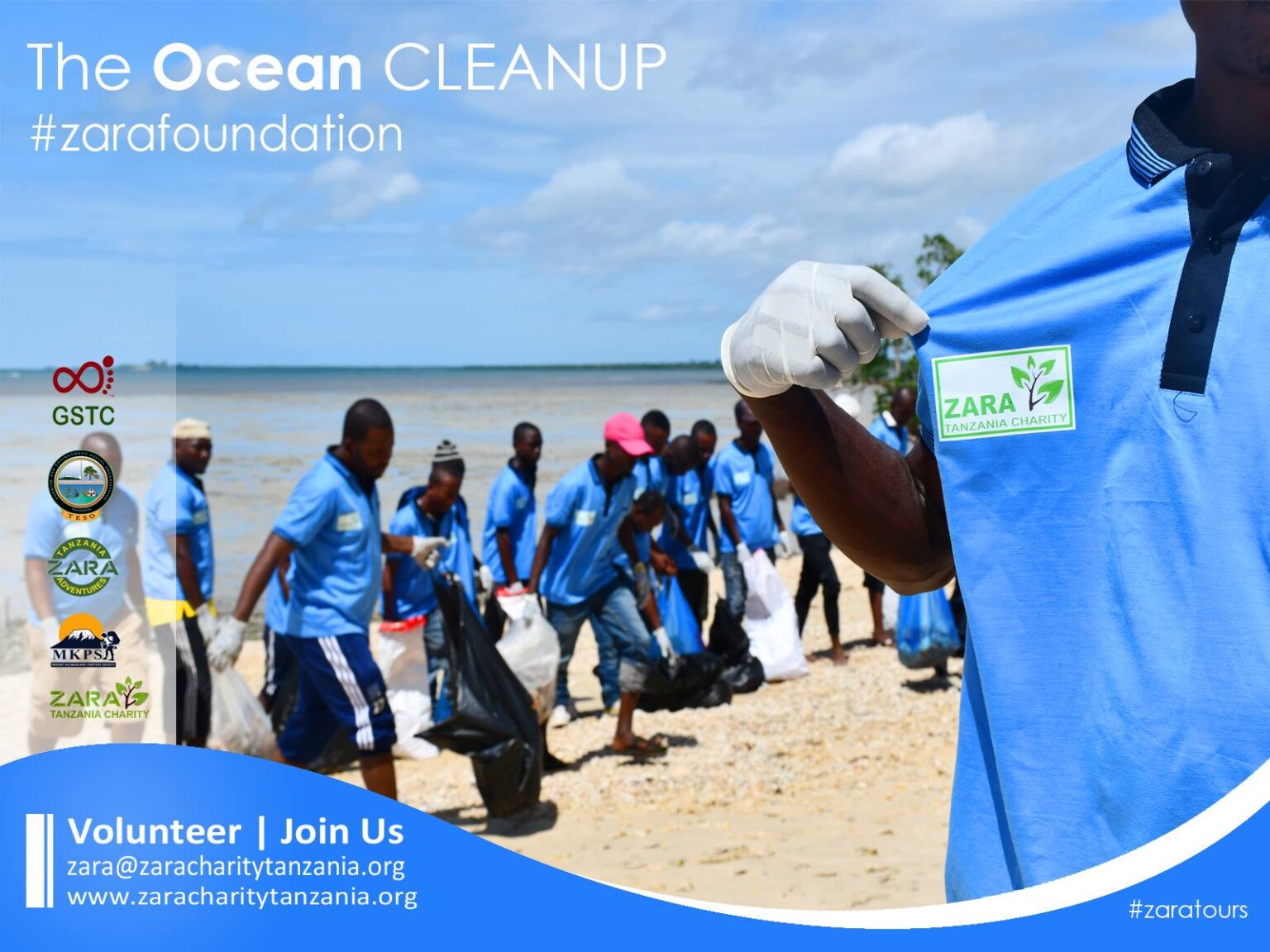
    Zara Charity leads regular Indian Ocean cleanups to reduce plastic waste, protect marine ecosystems, and support sustainable coastal communities.
    Mount Kilimanjaro Cleanliness Project

    Community Empowerment: Supporting Locals

    Zara Charity empowers communities through vocational training and women’s programs. Volunteers assist in teaching skills like tailoring to women in Moshi, fostering financial independence. These programs, funded by tourism, help mothers afford school fees for their kids, breaking poverty cycles.

    Volunteers also engage with the Kilimanjaro Porters Project, learning about fair labor practices. Zara employs over 1,400 locals, ensuring fair wages and gear for porters. This focus resonates with NGO directories like Idealist, which commend Zara’s community-driven model.

    Why Choose Zara for Volunteer Tourism?

    Zara stands out in volunteer tourism Tanzania for its ethical approach. All projects are community-led, ensuring your work meets real needs. Safety is paramount, with trained staff and medical support. Volunteers stay in Zara’s eco-friendly camps or hotels, blending comfort with immersion.

    Programs range from one-week teaching stints to month-long conservation projects, fitting various schedules. Costs start at $1,200, covering meals, lodging, and project materials. Check our Charity Projects page for details on how your work supports Zara’s mission.

    Real Stories: Volunteers Making a Difference

    Volunteers rave about their experiences. A TripAdvisor review noted, “Teaching at Zara’s Moshi Kids Center was life-changing. I saw my impact every day.” Another on a global charity blog, Global Giving, praised Zara’s organization: “From tree-planting to meeting locals, every moment felt meaningful.”

    In 2025, Zara won the World Travel Award for Africa’s Leading Adventure Tour Operator, partly for its voluntourism excellence. These stories show how your time with Zara creates ripples of change.

    Zainab Ansell: Pioneering Sustainable Tourism in Tanzania with Zara Tanzania Adventures
    Zainab Ansell: Tourism Pioneer & Philanthropic Leader in Tanzania

    How to Join Zara Charity’s Voluntourism Efforts

    Ready to make an impact? Zara’s voluntourism projects suit all skill levels, from students to retirees. Start by exploring options on our Volunteer Programs page. Want to combine volunteering with a safari or Kilimanjaro climb? Our team can customize your trip. Reach out via our Contact Us page to plan your journey.

    By choosing volunteer tourism Tanzania with Zara Charity, you’re not just traveling—you’re building schools, planting trees, and empowering communities. Join today and turn your adventure into a legacy.