Category: Charity

  • Zara Charity: Transforming Communities Through Education at Kaloleni Moshi School

    Zara Charity: Transforming Communities Through Education at Kaloleni Moshi School

    In the heart of Tanzania, beneath the majestic Mount Kilimanjaro, Zara Charity lights the way for young learners at Kaloleni Moshi School. This beacon of hope reflects their unwavering commitment to community development through education, empowering children with the tools to build a brighter future. By addressing critical needs like classroom furniture and fostering supportive learning environments, Zara Charity, the philanthropic arm of Zara Tours, is transforming lives in Moshi and beyond.

    Zara Charity: Transforming Communities Through Education at Kaloleni Moshi School

    Overcoming Educational Barriers in Kaloleni

    Kaloleni Moshi School serves a vibrant community in the Kilimanjaro region, but its students often face challenges like overcrowded classrooms, inadequate furniture, and limited learning resources. These barriers hinder academic progress and limit opportunities. Recognizing this, Zara Charity launched targeted education charity projects to enhance the learning environment, ensuring every child has access to quality education and the chance to thrive.

    Classroom Furniture: A Step Toward Dignity

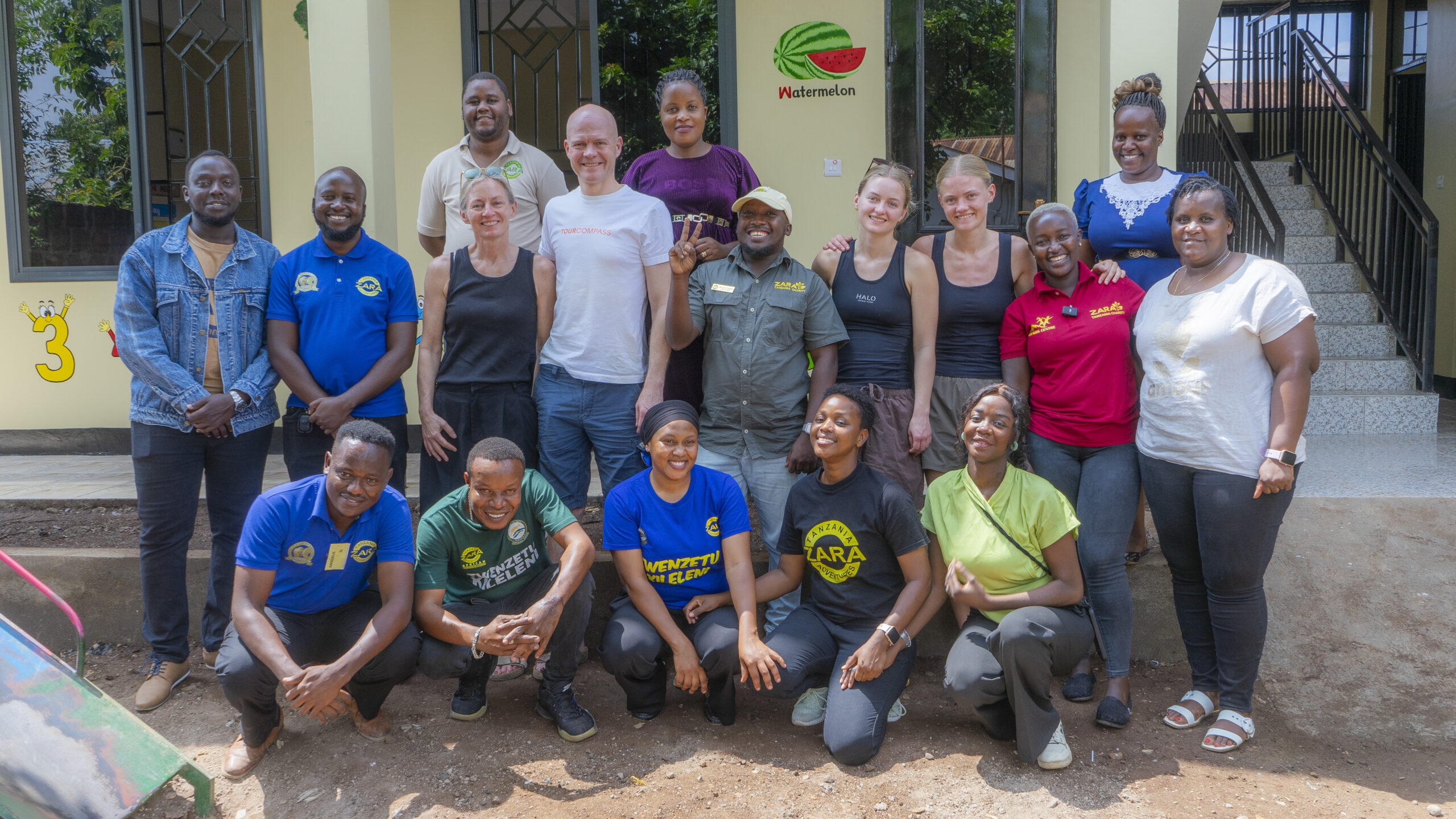
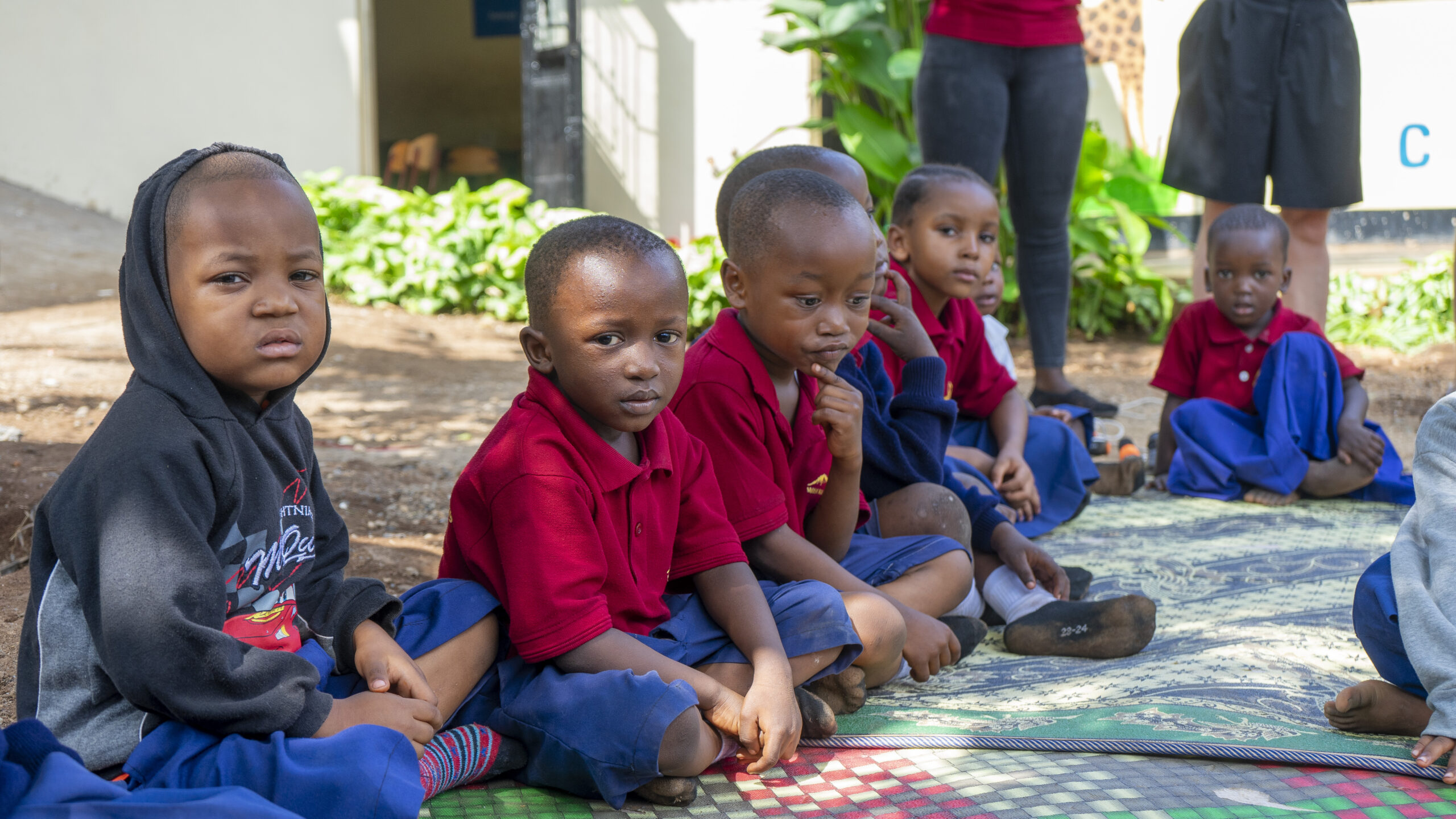
    Zara Charity’s recent donation of desks and chairs to Kaloleni Moshi School, as highlighted on their website, addresses a critical need. These essential resources provide students with a comfortable, dignified space to learn, replacing floors with proper seating. This simple yet impactful act boosts focus, engagement, and pride, embodying Zara Charity’s mission of education for community improvement.

    new classroom

    Creating a Supportive Learning Environment

    Beyond physical resources, Zara Charity is dedicated to fostering an environment where young minds can flourish. By providing tools and spaces that nurture creativity and curiosity, they cultivate a love for learning. This aligns with their community-focused education charity initiatives, which prioritize the unique needs of local schools like Kaloleni Moshi.

    Kaloleni Moshi School: A Hub of Resilience

    Kaloleni Moshi School has long been a pillar of education, despite resource constraints that test its capacity. The dedication of its teachers and the ambition of its students shine through, but limited facilities have posed challenges. Zara Charity’s timely donation, as noted on their platform, not only upgrades infrastructure but also uplifts the spirit of the school community, creating a ripple effect of hope.

    Gratitude from Kaloleni

    The school’s administration shared their appreciation: “This generous donation from Zara Charity means so much to us. Having proper desks and chairs will greatly improve the learning experience for our students. We are deeply grateful for this support!” This heartfelt message underscores the tangible impact of Zara Charity’s efforts on students and educators alike.

    Zara Charity’s Legacy of Empowerment

    This donation is part of Zara Charity’s broader mission, rooted in the vision of Zara Tours founder Zainab Ansell, to uplift Tanzanian communities through education. Their work spans multiple initiatives, including the Moshi Kids Centre, which supports orphaned and underprivileged children, as well as scholarships, vocational training, and educational resource provision.

    By collaborating closely with communities to identify specific needs, Zara Charity ensures their programs are impactful and sustainable. This approach strengthens the social fabric, empowering individuals to break the cycle of poverty and contribute to a thriving Tanzania.

    Zara Charity: Transforming Communities Through Education at Kaloleni Moshi School

    The Ripple Effect of Education

    Zara Charity’s education charity projects do more than improve academic outcomes—they instill hope and opportunity. Educated children are empowered to pursue their dreams, support their families, and engage in civic life, driving long-term community development. By investing in education, Zara Charity creates a brighter, more equitable future for Tanzania.

    A Call to Support a Brighter Future

    Zara Charity’s work at Kaloleni Moshi School exemplifies the power of community-driven education initiatives. Their ongoing commitment, seen in projects across Tanzania, reflects a belief that every child deserves the chance to learn and grow. By supporting Zara Charity, you can help fund classrooms, resources, and programs that transform lives.

    Join Zara Charity in their mission to empower communities through education. Whether through donations, volunteering, or spreading awareness, your support can shape the future of Tanzania’s youth, one child at a time. Visit Zara Charity to learn how you can make a difference.

  • How Zara Charity Combines Tourism and Social Impact in Tanzania

    How Zara Charity Combines Tourism and Social Impact in Tanzania

    Tourism in Tanzania is often associated with thrilling safaris, Mount Kilimanjaro climbs, and breathtaking beaches. But beyond the adventure lies a deeper story—how travel can transform lives. Through sustainable tourism in Tanzania, Zara Charity has pioneered a unique model that blends adventure with philanthropy. For over a decade, this NGO has shown how responsible travel can empower local communities, protect the environment, and create lasting social impact.

    Whether you’re a traveler seeking social impact tourism in Africa or someone passionate about volunteering in Tanzania, Zara Charity offers meaningful opportunities to give back while exploring one of the most beautiful countries in the world.

    Sustainable tourism in Tanzania – Zara Charity
    Ngorongoro Wildlife Camp. Where nature writes the soundtrack to your stay.

    The Birth of Social Impact Tourism in Tanzania

    Founded in 2009 by Zainab Ansell—a visionary in Tanzania’s tourism industry—Zara Charity bridges the gap between travel and social good. Recognizing that tourism was thriving while many Tanzanian communities struggled with poverty, limited education, and environmental challenges, Zainab launched Zara Charity to ensure that tourism benefits locals directly.

    This innovative approach has made Zara a leader in responsible travel in Africa, proving that tourism can go hand-in-hand with community development and environmental protection.

    How Tourism Funds Community Development

    sustainable tourism impact

    One of the ways Zara Charity stands out among nonprofit organizations in Tanzania is by reinvesting proceeds from tourism into local projects. Visitors who book safaris or Kilimanjaro climbs with Zara Tours indirectly support initiatives like:

    • The Maasai Pre-School Project – giving Maasai children access to early education.

    • Tree Planting & Environmental Programs – restoring forests and educating communities about conservation.

    • Women’s Empowerment Groups – equipping Maasai women with skills and financial independence.

    • Support for Orphans & Vulnerable Children – especially through the Moshi Kids Centre.

    In this way, tourists aren’t just enjoying Tanzania’s beauty—they’re fueling meaningful change.

    Volunteering in Tanzania: Travel with Purpose

    For travelers seeking hands-on experiences, Zara Charity offers rewarding volunteer programs in Moshi, Tanzania. Participants can:

    • Join Mount Kilimanjaro Clean-Up Treks, removing waste from trails while supporting porter welfare.

    • Teach, mentor, and play with children at the Moshi Kids Centre.

    • Assist in tree-planting projects, leaving a living legacy of conservation.

    • Support women’s empowerment workshops, helping Maasai women build sustainable livelihoods.

    By combining volunteering in Tanzania with travel, visitors experience authentic cultural immersion while making tangible contributions to community development.

    🔗 Learn more on our Volunteer Programs page.

    Responsible Travel in Africa: Protecting the Environment

    Tourism can strain natural environments, but Zara Charity ensures it does the opposite. Through initiatives like the Kilimanjaro Cleanliness Project and Tree Planting Campaigns, travelers and locals unite to preserve Tanzania’s natural wonders.

    More recently, the Asali Beekeeping Project and Ocean Cleanup Initiative have expanded Zara’s environmental reach, aligning with global sustainability goals.

    🔗 Explore our Environmental Projects section.

    Volunteers and tourists planting trees with Zara Charity to support reforestation efforts.

    Why Zara Charity’s Model Matters

    In the broader context of responsible travel in Africa, Zara Charity’s approach is groundbreaking because it:

    1. Integrates Tourism and Philanthropy – Every climb or safari directly supports local initiatives.

    2. Empowers Locals, Not Just Visitors – Projects focus on education, women’s empowerment, and long-term sustainability.

    3. Offers Transparent Impact – Donors and travelers can see exactly where their contributions go.

    4. Creates Global Connections – Through partnerships with Volunteer Tanzania and support from organizations worldwide, Zara’s reach extends far beyond Moshi.

    This model ensures that sustainable tourism in Tanzania benefits people, wildlife, and the planet.

    How You Can Get Involved

    1. Travel with Purpose

    Book your safari or Kilimanjaro climb through Zara Tours, knowing your trip supports social impact projects.

    2. Volunteer

    Take part in programs that combine volunteering in Tanzania with unforgettable travel.

    3. Donate or Sponsor

    Every donation supports children, women, and environmental initiatives. Visit our Donate Page to contribute.

    4. Spread the Word

    Share Zara Charity’s story to inspire others interested in social impact tourism.

    Kilimanjaro clean-up trek with porters and volunteers.

    Redefining Tourism in Tanzania

    Zara Charity proves that travel can be more than leisure—it can be a force for good. Through its pioneering model of sustainable tourism in Tanzania, the organization empowers communities, protects the environment, and gives travelers a deeper sense of purpose.

    By blending responsible travel in Africa with philanthropy, Zara Charity sets an example for NGOs worldwide. Whether you’re climbing Kilimanjaro, planting a tree, or mentoring children, your journey with Zara creates ripples of change.

    🌍 Join the movement. Visit Zara Charity, connect with Moshi Kids Centre, or learn about Volunteer Tanzania today. Together, we can make tourism truly transformative.

  • About Zara Charity: Leading Nonprofit Organization in Tanzania Since 2009

    About Zara Charity: Leading Nonprofit Organization in Tanzania Since 2009

    n the heart of East Africa, where the majestic Mount Kilimanjaro towers over vibrant landscapes and diverse communities, nonprofit organizations in Tanzania play a pivotal role in driving positive change. Among the best charities in Tanzania, Zara Charity stands out as a beacon of hope and transformation. Established in 2009, this dedicated NGO in Moshi, Tanzania, has been at the forefront of community empowerment, environmental conservation, and sustainable development. As one of the prominent charity organizations in Africa, Zara Charity focuses on uplifting marginalized groups, including orphans, women, and underprivileged children, through innovative programs that blend tourism with philanthropy.

    If you’re searching for nonprofit organizations in Tanzania that make a real impact, or exploring NGOs in Moshi Tanzania that offer meaningful volunteer opportunities, Zara Charity should be at the top of your list. In this comprehensive guide, we’ll dive deep into the history, mission, programs, achievements, and ways to get involved with this leading charity. Whether you’re a potential donor, volunteer, or simply interested in charity organizations in Africa, this article will provide valuable insights into how Zara Charity is shaping a brighter future for Tanzanians.

    Zara Charity: Leading Nonprofit Organization in Tanzania

    The Origins and History of Zara Charity

    At its core, Zara Charity’s mission is to empower marginalized communities through education, healthcare, environmental conservation, and sustainable tourism. The organization believes in creating positive outcomes from tourism by uplifting host communities and preserving natural resources. As one of the leading nonprofit organizations in Tanzania, Zara Charity aims to improve livelihoods, promote gender equality, and foster economic independence.

    The vision extends globally, with goals to expand project impacts and enhance sustainable development from tourism activities. In a continent where charity organizations in Africa often face resource constraints, Zara stands out by focusing on holistic development. “At Zara Charity, we are driven by a passion for positive change and a commitment to uplifting the lives of those in need,” says Founder Zainab Ansell. This commitment is evident in their work with orphans, women, and environmental initiatives, making them one of the best charities in Tanzania for those seeking impactful giving.

    By aligning with sustainable tourism principles, Zara Charity ensures that every project benefits both people and the planet. This approach resonates with donors interested in NGOs in Moshi Tanzania that prioritize long-term solutions over short-term aid.

    Key Programs and Initiatives: Driving Change on the Ground

    Zara Charity’s programs are diverse, addressing multiple facets of community needs. As a top NGO in Moshi Tanzania, they operate in areas like education, women’s empowerment, environmental protection, and child welfare. Let’s explore some of their flagship initiatives in detail.

    Mount Kilimanjaro Cleanliness Project

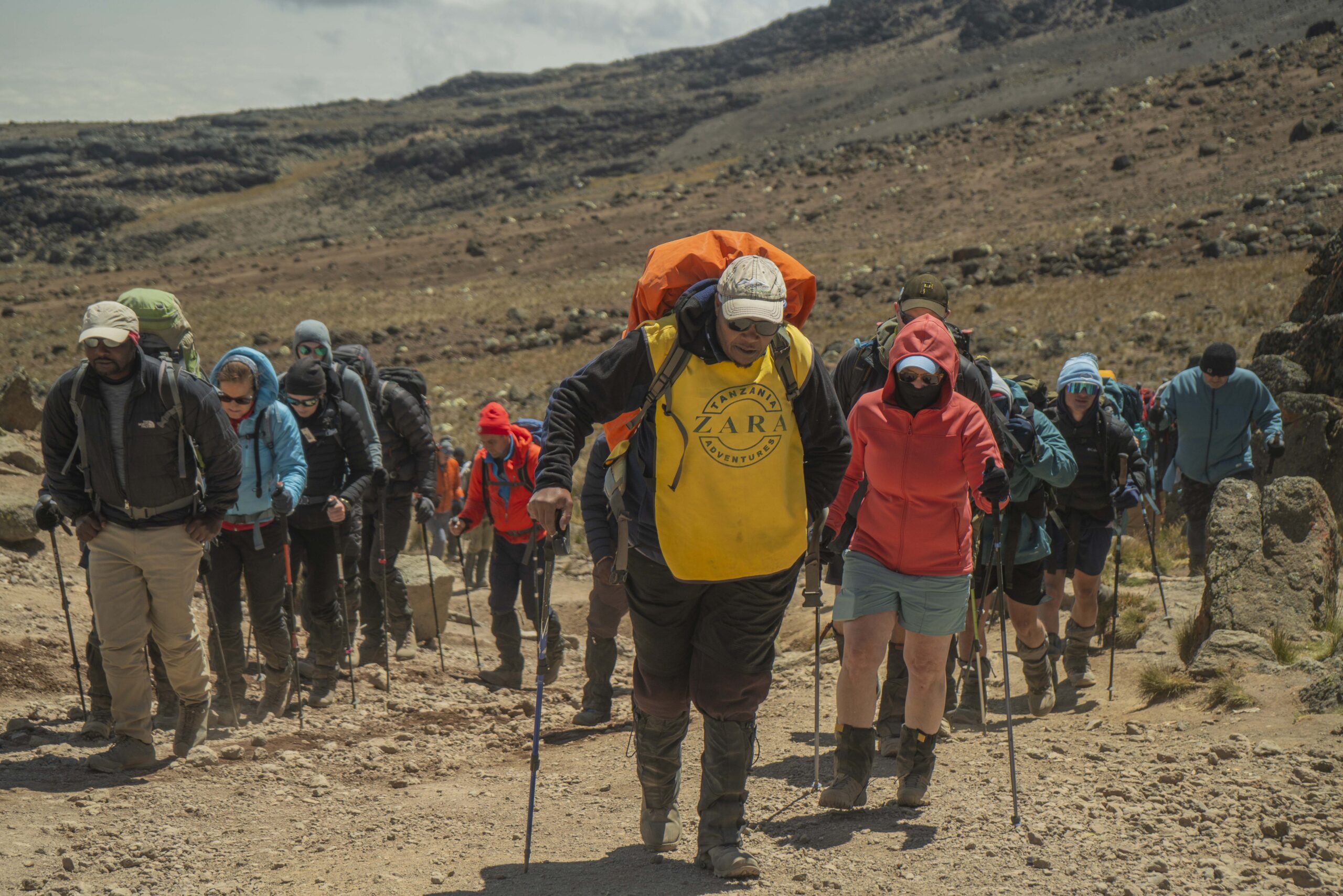
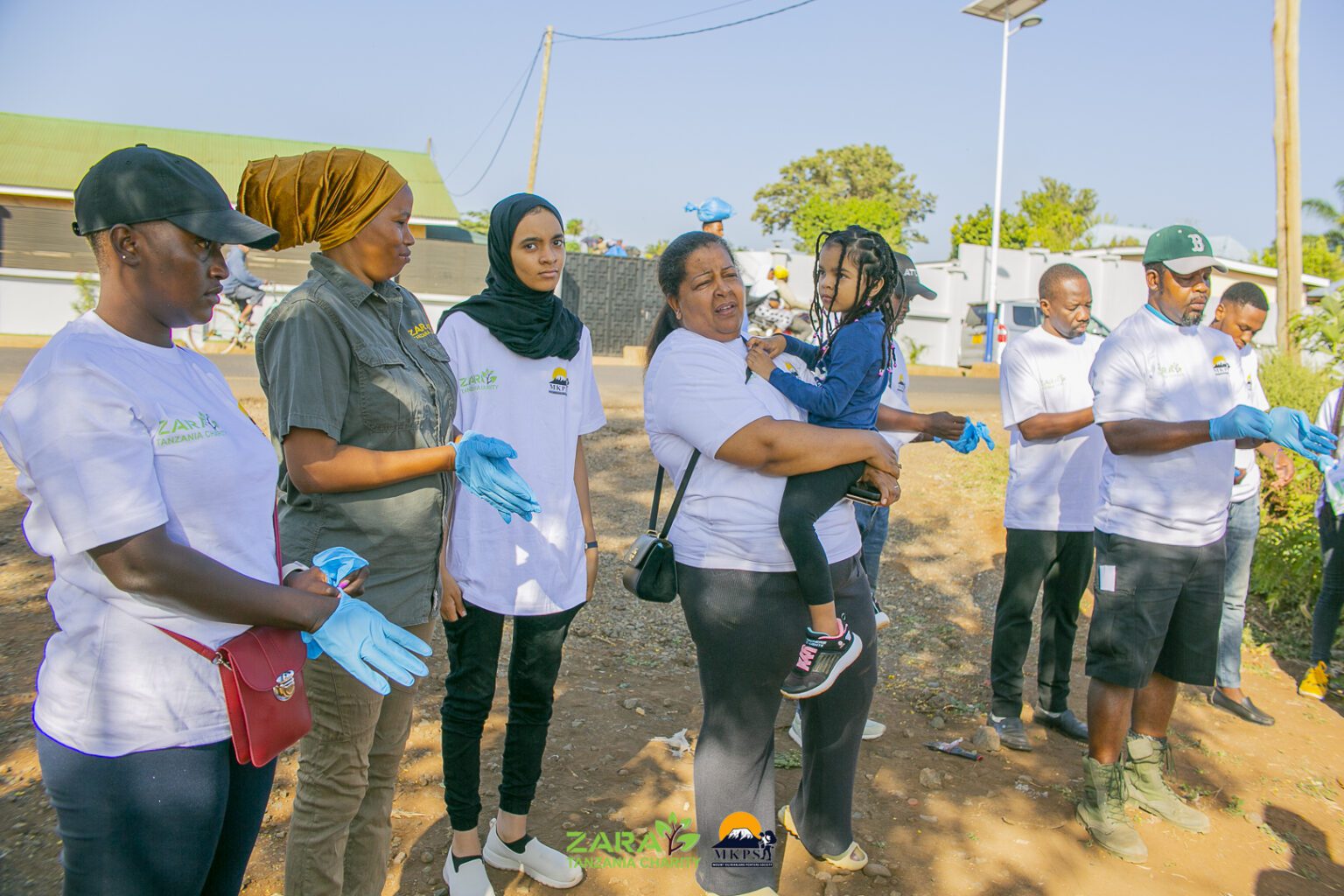
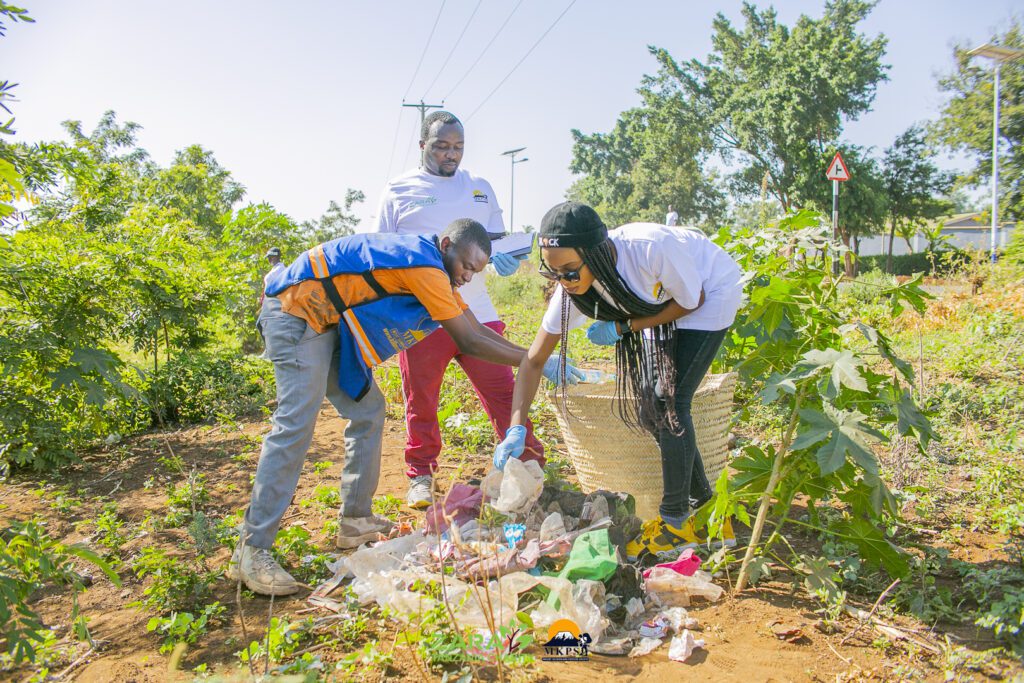
    One of Zara Charity’s signature programs is the annual Mount Kilimanjaro Cleanliness Project. This initiative organizes volunteer treks where porters, guides, staff, sponsors, and locals team up to remove rubbish from the mountain. Kilimanjaro, a UNESCO World Heritage site, attracts thousands of climbers yearly, but litter threatens its pristine environment. Zara’s project not only cleans the trails but also educates participants on conservation.

    Volunteers from around the world join these treks, combining adventure with philanthropy. This program supports the Mount Kilimanjaro Porters Society (MKPS), which works to improve porters’ working conditions. For those interested in volunteer opportunities, check out our volunteer programs page for more details.

    Mount Kilimanjaro Cleanliness Project
    Mount Kilimanjaro Cleanliness Project
    Mount Kilimanjaro Cleanliness Project

    Tree Planting Project

    Environmental conservation is a cornerstone of Zara Charity’s work. The Tree Planting Project maintains a nursery in Pasua, supplying trees to schools and communities. Beneficiaries like Pasua Primary School receive trees that provide shade, fruit, and erosion control. Community meetings educate locals on the importance of reforestation, especially in deforested areas around Moshi.

    This initiative aligns with broader efforts by charity organizations in Africa to combat climate change. Participants in Zara’s adventure packages often join tree-planting sessions, planting seeds of sustainability during their trips. To learn how you can contribute, visit our environmental projects section.

    Maasai Pre-School Project

    Education is key to breaking cycles of poverty, and Zara Charity’s Maasai Pre-School Project targets early childhood development for Maasai children in Ngorongoro and surrounding areas. The project raises funds to build schools, providing a foundation for primary education. Maasai communities, often nomadic, face barriers to schooling, and this initiative prepares children for success while promoting cultural preservation.

    Recent achievements include the opening of a new pre-school, marking a milestone in educational access. As one of the best charities in Tanzania for child education, Zara invites donors to support this cause through our donate page.

    Maasai Women Group and Empowerment

    masaai women empowerment

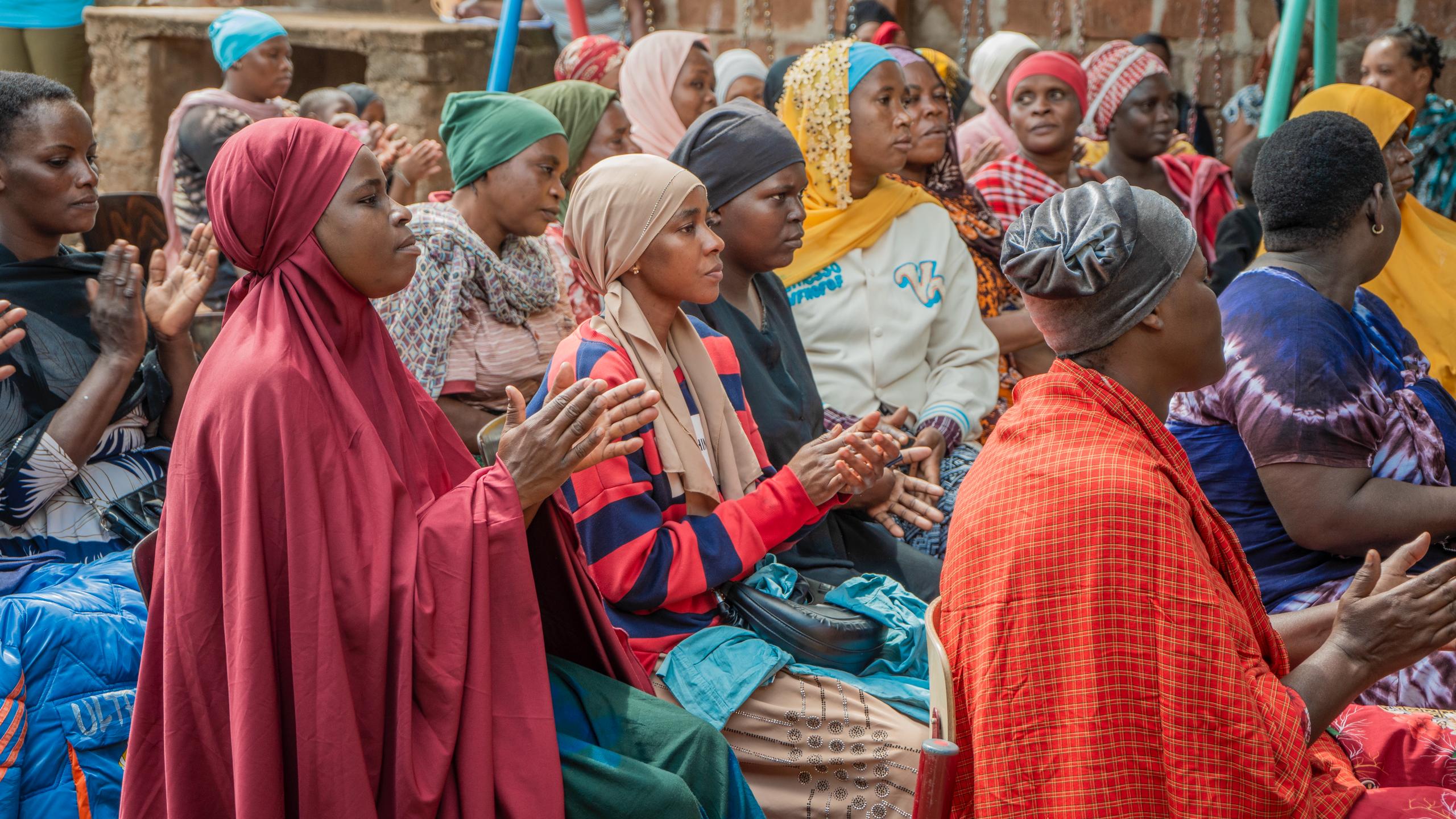
    Empowering women is central to Zara Charity’s ethos. The Maasai Women Group employs and educates Maasai women on their rights and roles in society. Traditional beliefs often limit opportunities, but Zara’s program fosters economic independence through skills training and community workshops.

    The “Maasai Women Make a Change” initiative transforms traditions, enabling women to contribute to family and national development. This resonates with global efforts by nonprofit organizations in Tanzania to promote gender equality.

    masaai women empowerment

    Supporting Orphanages and Children’s Centers

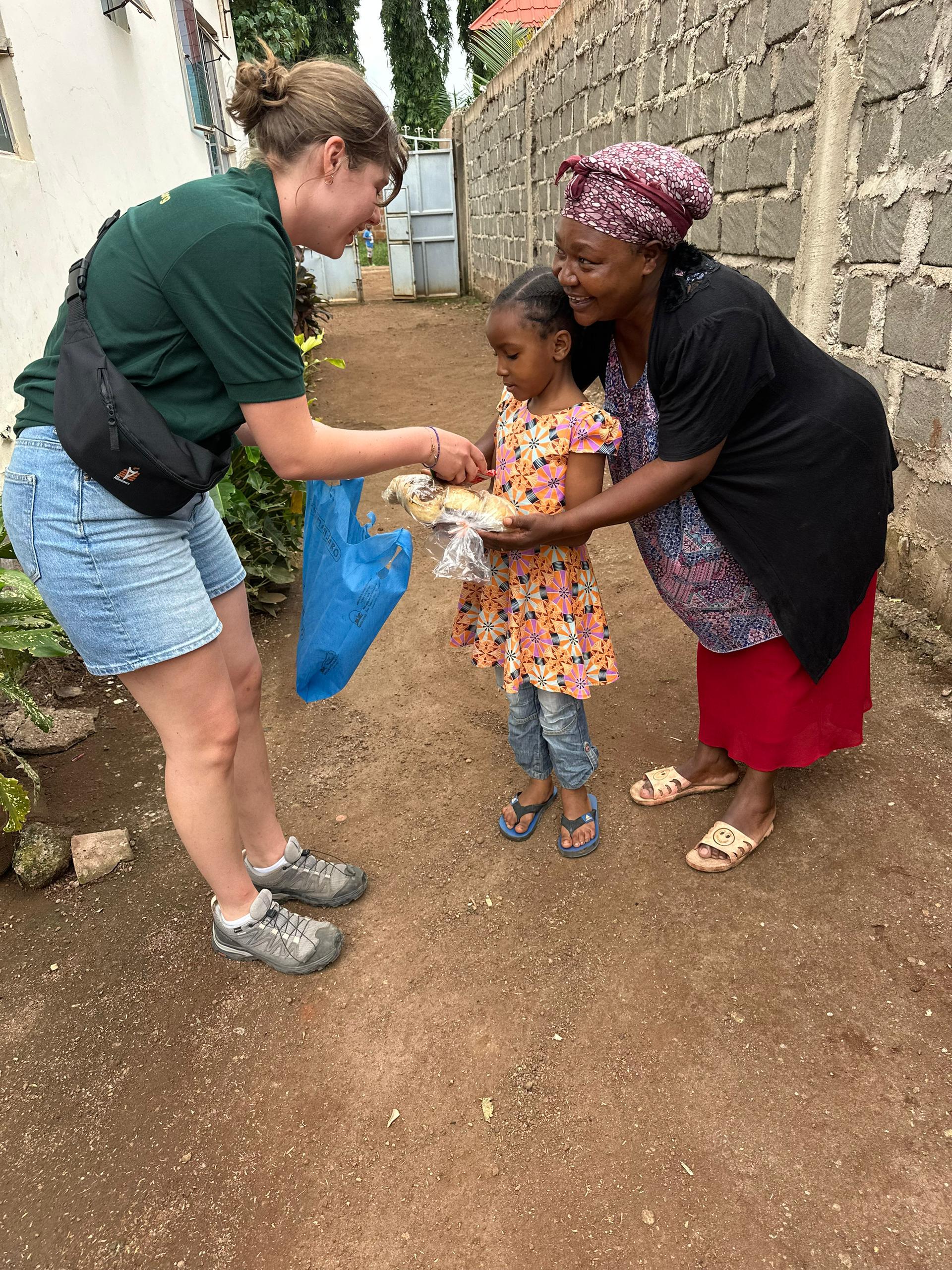
    Zara Charity provides essential support to orphanages and children’s centers in Moshi, including the Moshi Kids Center. Donations of stationery, clothes, sports equipment, and volunteer assistance help care for underprivileged children. Global volunteers teach, play, and mentor, creating joyful environments.

    This program highlights Zara as a key player among charity organizations in Africa focused on child welfare. Explore more on our children’s programs page.

    moshikids center

    Asali Project and Ocean Cleanup

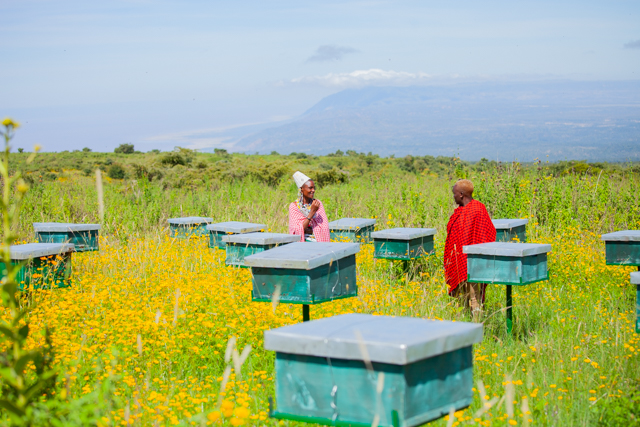
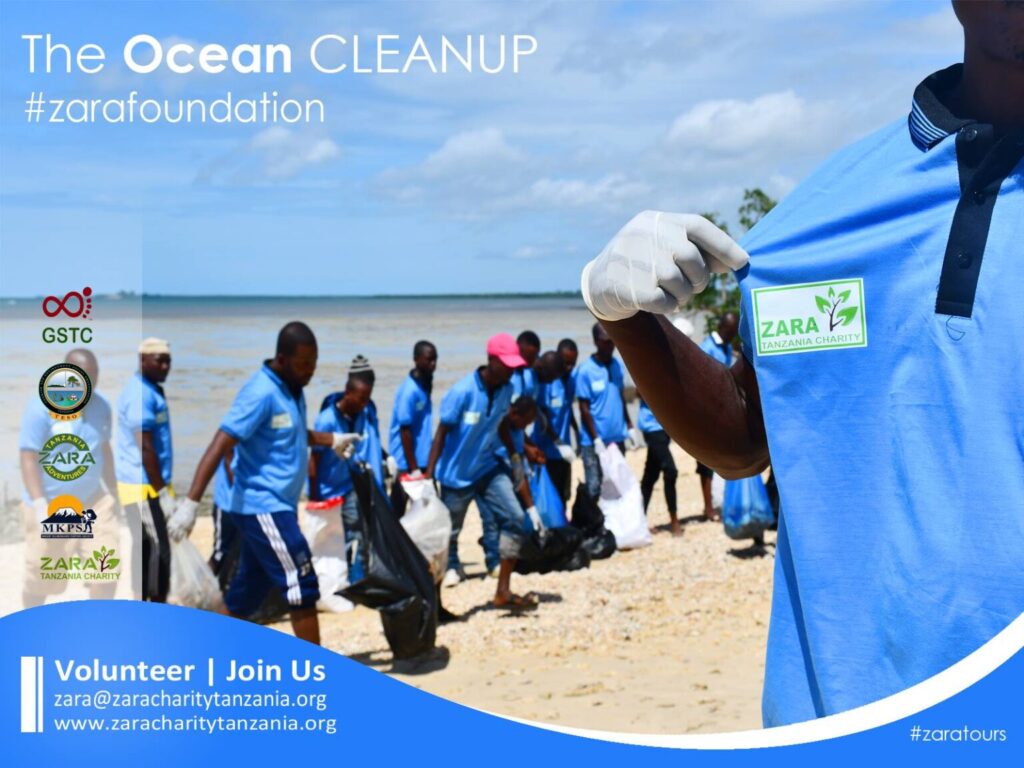
    Launched in 2022, the Asali Project introduces beekeeping in Isirwa village with 20 pilot beehives, promoting sustainable agriculture and income generation. Meanwhile, the Ocean Cleanup Project addresses marine pollution, extending Zara’s environmental reach.

    These newer initiatives show Zara’s adaptability, making it one of the innovative NGOs in Moshi Tanzania.
    Zara Charity: Leading Nonprofit Organization in Tanzania

    Achievements and Impact: Measuring Success in Tanzania

    Since 2009, Zara Charity has achieved remarkable milestones, solidifying its status among the best charities in Tanzania. Thousands of trees planted, hundreds of children educated, and countless women empowered—these are just snapshots of their impact.

    Partnerships with organizations like the Tourism & Environmental Social Organization (TESO) enhance sustainable practices. Zara’s integration with tourism has generated funds while educating visitors, contributing to Tanzania’s economy.

    In healthcare, education, and development, Zara has made meaningful differences, as noted by Zainab Ansell: “Your support has been the heartbeat of our initiatives.” Compared to other nonprofit organizations in Tanzania, Zara’s transparent reporting and community focus set it apart.

    Why Zara Charity Stands Out Among Charity Organizations in Africa

    What makes Zara Charity one of the best charities in Tanzania? It’s their unique blend of adventure and altruism. Unlike many NGOs in Moshi Tanzania, Zara leverages tourism to fund projects, ensuring sustainability. Their programs address root causes, from poverty to environmental degradation, aligning with global SDGs.

    For donors, transparency is key—funds directly support on-ground initiatives. Volunteers experience authentic cultural immersion, unlike generic programs.

    In the broader context of charity organizations in Africa, Zara’s focus on local empowerment avoids dependency, fostering self-reliance.

    How to Get Involved: Volunteer, Donate, and Support

    Getting involved with Zara Charity is straightforward and rewarding. As a leading NGO in Moshi Tanzania, they welcome contributions in various forms.

    Volunteering Opportunities

    Join volunteer treks on Kilimanjaro or assist at children’s centers. For broader options, explore Volunteer Tanzania programs for inspiration. Zara also partners with the Kilimanjaro Porters Society—visit their site to learn more.

    Apply via our volunteer application page.

    Donations and Sponsorships

    Donations fund schools, trees, and orphan support. Contribute through our secure donation portal. Every dollar counts in building a better Tanzania.

    Spread the Word

    Share this article or follow us on social media to amplify our reach among nonprofit organizations in Tanzania.

    Join the Movement with Zara Charity

    Zara Charity exemplifies the power of dedicated nonprofit organizations in Tanzania. Since 2009, this leading NGO in Moshi Tanzania has transformed lives through innovative programs, making it one of the best charities in Tanzania and a model for charity organizations in Africa.

    Whether climbing Kilimanjaro for a cause or donating to empower women, your involvement creates ripples of change. Visit our homepage for more, or contact us at zara@zaracharitytanzania.org.

    Together, we can build a sustainable future. For related volunteer opportunities, check out Tanzania Volunteers.
  • How Sponsoring a Child in Tanzania Transforms Lives| Zara charity

    How Sponsoring a Child in Tanzania Transforms Lives| Zara charity

    In Tanzania, where vibrant cultures meet stunning landscapes, millions of children face daunting challenges like poverty, orphanhood, and limited access to education. With over 2.5 million orphans and vulnerable children in the country, the need for support is urgent. At Zara Charity, we believe that sponsoring a child in Tanzania is a powerful way to create lasting change. Through our initiatives, including the Moshi Kids Centre project, we empower children with education, nutrition, and hope. Founded by Zainab Ansell, Zara Charity channels the spirit of sustainable development to transform lives, making Tanzania child sponsorship a cornerstone of our mission.

    Sponsoring a child is more than a donation—it’s a lifeline that addresses immediate needs and fosters long-term growth. Whether you’re new to child sponsorship or seeking to deepen your impact, this guide explores how your support through Zara Charity can transform lives, families, and communities. Let’s dive into the power of sponsorship and how you can join us in making a difference.

    How Sponsoring a Child in Tanzania Transforms Lives

    The Power of Child Sponsorship with Zara Charity

    Child sponsorship through Zara Charity offers a personal, impactful way to support Tanzania’s most vulnerable children. In a nation where approximately 1.3 million children are orphans, often due to HIV/AIDS or poverty, sponsorship provides essentials like education, healthcare, and emotional care. By contributing a monthly amount, sponsors directly fund a child’s needs, creating a tangible connection through updates and letters.

    At Zara Charity, our sponsorship program, rooted in projects like Moshi Kids Centre, supports over 800 children in the Kilimanjaro region. Unlike one-time aid, sponsorship fosters sustained growth, helping children break free from poverty. It aligns with our broader mission, seen in initiatives like the Maasai Women Make a Change and Maasai Pre-School projects, which empower entire communities.

    Sponsorship isn’t just about the child—it uplifts families and villages. Studies show that child sponsorship in Africa improves community wellbeing by enhancing education and reducing poverty. By donating to children in Africa through Zara Charity, you’re investing in sustainable development, guided by Zainab Ansell’s vision of leveraging tourism for social good via Zara Tours.

    Challenges Facing Tanzania’s Children—and Sponsorship’s Role

    How Sponsoring a Child in Tanzania Transforms Lives

    Tanzania’s children face significant hurdles. Recent estimates indicate around one million orphans under 18, with many living in poor housing or without adequate care. Poverty drives children into labor, with nearly 30% of those aged 5-14 working in hazardous conditions like agriculture or mining. Education is another barrier, with 3.5 million school-aged children out of school due to costs like uniforms or books.

    Health challenges, including malnutrition and HIV, further complicate lives. Orphans are particularly vulnerable, often lacking access to medical care or proper nutrition. Emotional trauma from loss or institutionalization adds to their struggles, with many facing stigma or abuse.

    Zara Charity’s sponsorship program tackles these issues head-on. Through Moshi Kids Centre, sponsors provide school fees, meals, and counseling, ensuring children stay in school and receive holistic care. Our projects page highlights how these efforts create safe spaces for learning and growth. By supporting initiatives like those from Village Africa, which also promotes education in Tanzania, we amplify our impact.

    Transformative Benefits of Sponsoring a Child

    Sponsoring a child in Tanzania through Zara Charity yields profound benefits, both for the child and the community. Here are ten key impacts, grounded in evidence and our work:

    1. Education Access: Sponsorship covers school fees, uniforms, and supplies, boosting attendance and literacy.

    2. Better Health: Funds provide nutritious meals and medical check-ups, combating malnutrition and illness.

    3. Emotional Wellbeing: Regular support and letters from sponsors foster a sense of belonging.

    4. Community Growth: Sponsorship funds support local projects, like wells or classrooms, benefiting villages.

    5. Economic Progress: Educated children grow into contributors, strengthening local economies.

    6. Poverty Reduction: By meeting basic needs, sponsorship prevents child labor and exploitation.

    7. Social Development: Holistic programs build confidence and social skills.

    8. Future Leaders: Sponsored children often become role models, driving community change.

    9. Sponsor Fulfillment: Building a connection with a child brings joy and purpose.

    10. Sustainability: Sponsorship promotes independence, unlike temporary aid.

    These outcomes are evident in Zara Charity’s work, where sponsorship through Moshi Kids Centre has transformed lives by providing education and support.

    Real-Life Impact: Stories from Zara Charity

    Meet Juma, a young boy from Moshi who lost both parents to illness. Through Zara Charity’s sponsorship program, he received schooling, meals, and mentorship, enabling him to excel academically and dream of becoming a doctor. Stories like Juma’s are shared on our success stories page, illustrating the power of Tanzania child sponsorship.

    Another example is our collaboration with the Maasai Pre-School project, where sponsorship funds early education, setting a foundation for lifelong learning. Zainab Ansell’s leadership ensures these programs are sustainable, using revenue from Zara Tours to support charitable efforts.

    How Sponsoring a Child in Tanzania Transforms Lives

    How to Get Involved with Zara Charity

    Ready to make a difference? Here’s how you can help:

    • Sponsor a Child: Visit our donate page to start sponsoring a child in Tanzania. Your monthly contribution provides education, food, and care.

    • Volunteer: Join us through opportunities listed at Volunteer Tanzania or our volunteer page. Teach, mentor, or support community projects.

    • Support Zara Tours: Booking a safari with Zara Tours, founded by Zainab Ansell, directly funds our initiatives.

    • Spread Awareness: Share our mission on social media with hashtags like #SponsorAChildInTanzania, #DonateToChildrenInAfrica, and #TanzaniaChildSponsorship. Visit our contact page for more ways to engage.


    Learn More:

    Join Zara Charity’s Mission Today

    Sponsoring a child in Tanzania through Zara Charity is a transformative act that uplifts children, families, and communities. Guided by Zainab Ansell’s vision, our programs at Moshi Kids Centre and beyond create lasting impact. Join us today by visiting Zara Charity and be part of a brighter future for Tanzania’s children.

  • Zara Charity: Driving Sustainable Change in Tanzania

    Zara Charity: Driving Sustainable Change in Tanzania

    Nonprofit organizations are the backbone of progress in Tanzania, addressing critical challenges like poverty, education access, and environmental degradation. Among them, Zara Charity shines as a leader, transforming lives through innovative programs in education, women’s empowerment, healthcare, and conservation. By empowering communities and fostering self-reliance, Zara Charity is building a brighter, more inclusive future for Tanzanians. This article explores how Zara Charity’s holistic approach creates lasting impact and how you can join their mission.

    The Power of Nonprofits in Tanzania

    anzania’s vibrant culture and landscapes are matched by significant challenges: 26% of the population lives below the poverty line, and rural areas face limited access to education and healthcare (World Bank, 2020). Nonprofits like Zara Charity step in to bridge these gaps, delivering sustainable solutions that empower individuals and strengthen communities. Since its founding in 2009, Zara Charity has reached thousands through targeted, community-driven initiatives.

    Zara Charity’s Transformative Programs

    Zara Charity’s work spans multiple sectors, ensuring a comprehensive approach to development. Below are its flagship programs and their impact.

    Education: Unlocking Opportunities

    Education is key to breaking the cycle of poverty. Zara Charity’s programs provide access and skills for long-term success:

    • Maasai Pre-School Project: Delivers early childhood education to over 250 Maasai children annually in Ngorongoro, reducing dropout rates by 35%.

    • Moshi Kids Center: Supports 180 orphans and vulnerable children with education, shelter, and care, boosting literacy rates by 40%.

    • Vocational Training: Equips youth and women with skills in tailoring, agriculture, and hospitality, with 60% of graduates securing jobs or starting businesses.

    These initiatives align with Tanzania’s education goals, ensuring children and youth thrive.

    Ways to Support Zara Charity Without Volunteering | Make an Impact Today

    Women’s Empowerment: Building Stronger Communities

    Empowering women drives economic and social progress. Zara Charity’s programs focus on financial independence and leadership:

    • The Asali Project: Trains 120 women in beekeeping, increasing their incomes from $10 to $60/month on average, supporting over 500 dependents.

    • Entrepreneurship Programs: Provide business and financial literacy training, enabling women to launch small enterprises, with a 45% average income boost.

    As UN Women notes, empowering women creates a ripple effect, strengthening families and communities.

    Healthcare: Enhancing Wellbeing

    Access to healthcare is limited in rural Tanzania, where only 30% of people have reliable medical services. Zara Charity addresses this through:

    • Health Camps: Serve 1,200+ individuals yearly with free checkups and health education.

    • Ngorongoro Water and Solar Projects: Provide clean water and energy, reducing waterborne diseases by 28% in targeted communities.

    These efforts improve health outcomes and support sustainable development.

    The Role of Nonprofit Organizations in Tanzania: How Zara Charity Creates Lasting Impact

    Environmental Conservation: Preserving Tanzania’s Beauty

    Tanzania’s natural heritage, from Mount Kilimanjaro to coastal ecosystems, faces threats from pollution and deforestation. Zara Charity’s initiatives include:

    • Mount Kilimanjaro Cleanup: Removes 600 kg of waste annually, preserving the mountain’s ecosystem.

    • Ocean Cleanup Project: Protects marine life by clearing coastal plastic, supporting tourism communities.

    • Tree Planting Project: Plants 12,000 trees yearly, combating climate change and enhancing biodiversity.

    These projects ensure a sustainable future for Tanzania’s environment and communities.

    The Role of Nonprofit Organizations in Tanzania: How Zara Charity Creates Lasting Impact

    Impact Snapshot

    Program Area

    Annual Reach

    Key Impact

    Education

    430+ children

    35% lower dropout rates

    Women’s Empowerment

    120+ women

    45-60% income increase

    Healthcare

    1,200+ individuals

    28% reduction in waterborne diseases

    Environmental Conservation

    12,000 trees planted

    600 kg of waste removed from Kilimanjaro


    Why Zara Charity Stands Out

    Zara Charity’s success stems from its community-centric approach and transparency. By partnering with local leaders and international organizations like UNDP, it ensures programs are culturally relevant and impactful. Emotional stories, like those of women beekeepers or children at Moshi Kids Center, resonate with global audiences, driving shares and support. With 90% of funds allocated to programs, Zara Charity builds trust and maximizes impact.

    How to Get Involved

    You can support Zara Charity’s mission to transform Tanzania:

    • Donate: Contribute to education, healthcare, or conservation at www.zaracharitytanzania.org.

    • Volunteer: Join cleanups, health

  • Maasai Women Empowerment in Tanzania: Vocational Training & Success Stories

    Maasai Women Empowerment in Tanzania: Vocational Training & Success Stories

    In the heart of northern Tanzania, the Maasai Women Vocational Training Center, supported by organizations like the Pastoral Women’s Council (PWC), is transforming lives by equipping Maasai women with skills to break free from cultural and economic constraints. This initiative addresses systemic gender inequalities, empowering women to become entrepreneurs and community leaders. Through vocational training, these women are rewriting their stories, fostering economic independence, and challenging patriarchal norms in Maasai communities.

    Maasai Women Empowerment in Tanzania | Vocational Training & Success Stories
    Side by side, these women stand tall—symbols of empowerment, heritage, and shifting societal norms.”photo taken by iman manyara

    Overcoming Cultural Barriers

    Maasai communities are traditionally patriarchal, with women often excluded from decision-making and economic opportunities. UNESCO data highlights that only 59% of girls in rural Tanzania complete primary education, compared to 65% of boys, with even lower rates among pastoralist groups like the Maasai due to early marriages and domestic responsibilities. The Vocational Training Center counters these barriers by offering accessible education and skills training tailored to Maasai women’s needs, enabling them to pursue sustainable livelihoods.

    The Training Curriculum

    The center’s curriculum focuses on practical skills to foster entrepreneurship:

    • Beadwork and Handicrafts: Training in creating marketable cultural products like necklaces and earrings, sold locally and internationally.

    • Business Management: Courses on bookkeeping, marketing, and financial literacy to ensure sustainable enterprises.

    • Literacy and Numeracy: Adult literacy classes to enhance business operations and personal empowerment.

    • Tailoring and Agriculture: Skills in sewing and small-scale farming to diversify income sources.

    The program operates on a 12-month plan, customized for each group, ensuring continuity and measurable progress.

    women tailoring

    Success Stories: Women Leading Change

    Neema’s Journey

    Neema, a 32-year-old mother of three from Malinzaga village, joined the Namayana Maasai Women’s Group, supported by UNDP. Before training, she sold beadwork by the roadside, earning less than $10 monthly. After learning advanced beadwork techniques and business skills, she now runs a stall at a UNDP-funded cultural boma, earning $50-$70 monthly. Neema has purchased goats and paid school fees, saying, “I can now afford books and clothes for my children.”

    Sarah’s Transformation

    Sarah, 28, from Longido District, faced illiteracy and limited income opportunities. Through PWC’s literacy and tailoring classes, she gained confidence and skills. She now operates a small tailoring business, earning $40 monthly, a significant increase from her pre-training income of $5. Sarah notes, “I feel respected in my community because I contribute to our household.”

    Amina’s Empowerment

    Amina, 35, from Ngorongoro, learned bookkeeping and entrepreneurship. She started a grain-selling business, boosting her monthly income from $8 to $60. Her success allowed her to fund her daughter’s secondary education, breaking the cycle of early marriage.

    Grace’s Leadership

    Grace, 40, from Simanjiro, used her training in agriculture to start a vegetable farm. Her income rose from $12 to $80 monthly, enabling her to advocate for women’s land rights in her community. Grace’s story reflects how economic empowerment enhances decision-making power.

    Photos and videos of these women at work, showcasing their products and training sessions, are available on the PWC website and UNDP Tanzania’s media channels.

    Impact: Pre- and Post-Training Income Comparison

    Name

    Pre-Training Income (USD/Month)

    Post-Training Income (USD/Month)

    Business Type

    Neema

    10

    50-70

    Beadwork Sales

    Sarah

    5

    40

    Tailoring

    Amina

    8

    60

    Grain Selling

    Grace

    12

    80

    Vegetable Farming

    This table illustrates the transformative economic impact of vocational training, with average income increases of 400-700% for participants.

    The Role of Donors

    Organizations like UNDP, UN Women, and Projects Abroad fund infrastructure, training materials, and scholarships. For example, UNDP’s SPANEST project built a cultural boma for the Namayana group, providing a safe space to sell crafts. UN Women’s Fund for Gender Equality supports PWC’s literacy and leadership programs, reaching over 7,000 women across Ngorongoro, Longido, and Monduli districts. Donors also facilitate market access, connecting women to tourist and international buyers.

    How to Support

    You can contribute to the Maasai Women Vocational Training Center by:

    • Donating: Visit https://www.zaracharitytanzania.org/partners-sponsors/ to support training programs and infrastructure.

    • Volunteering: Join Projects Abroad in Arusha to assist with training sessions or awareness campaigns.

    • Purchasing Products: Buy beadwork and crafts directly from groups like Namayana to boost their income.

    • Advocating: Share these stories on social media to raise awareness about gender equality and women’s empowerment in Tanzania.

    Why It Matters

    The Maasai Women Vocational Training Center is more than a skills program—it’s a movement to dismantle systemic inequalities. By empowering women economically and socially, it fosters stronger families and communities. As Ruth Kihiu from PWC states, “When women are empowered, they rescue their neighbors and send their children to school, creating a ripple effect.” These stories of resilience and transformation inspire global audiences, aligning with the UN’s Sustainable Development Goal of Gender Equality and driving meaningful change in Tanzania.

  • Sustainable Development in Tanzania: Zara Charity’s Eco-Friendly Initiatives

    Sustainable Development in Tanzania: Zara Charity’s Eco-Friendly Initiatives

    Tanzania, a country renowned for its rich biodiversity and iconic landscapes like the Serengeti and Mount Kilimanjaro, faces significant environmental challenges, including deforestation, land degradation, and climate change. These issues threaten ecosystems and the livelihoods of millions who depend on them. In response, organizations like Zara Charity are driving sustainable development through innovative, community-centered projects such as tree planting and beekeeping. These initiatives not only address environmental degradation but also align with Tanzania’s broader sustainability goals, contributing to global frameworks like the United Nations Sustainable Development Goals (SDGs). This article explores Zara Charity’s eco-friendly initiatives, their impact on Tanzania’s ecosystems, and how they inspire volunteer participation, supported by data, expert insights, and practical guides for engagement.

    Tanzania’s Environmental Challenges

    Tanzania’s forests, which cover approximately 39.9% of the country’s land area, are under severe pressure. Between 1990 and 2010, the country lost 19.4% of its forested land—around 8 million hectares—due to illegal logging, agricultural expansion, and charcoal production. The annual deforestation rate is approximately 400,000 hectares, twice the global average of 0.5%. This loss contributes to an estimated $3.5 billion in economic damage by 2033 if unchecked, as forests are critical for biodiversity, water regulation, and carbon sequestration. The Food and Agriculture Organization (FAO) reports that Tanzania lost 5.86 million hectares of forest between 2000 and 2015, representing 10% of its total forest cover.

    Deforestation exacerbates climate challenges, including prolonged droughts, floods, and desertification risks in regions like Dodoma and Shinyanga. These environmental shifts disproportionately affect rural communities, particularly smallholder farmers, who rely on stable weather, healthy soils, and tree cover for their livelihoods. Additionally, 70% of Tanzania’s population depends on agriculture, with women making up the majority of the labor force yet facing limited access to resources like land and credit.

    To combat these challenges, Tanzania has committed to global and regional agreements, such as the SDGs and the African Forest Landscape Restoration Initiative (AFR100), aiming for no net loss of healthy land by 2030. Initiatives like Zara Charity’s projects play a pivotal role in achieving these goals by restoring ecosystems, empowering communities, and promoting sustainable livelihoods.

    Zara Charity’s Eco-Friendly Initiatives

    Zara Charity, a Tanzania-based nonprofit, is at the forefront of sustainable development, focusing on projects that integrate environmental conservation with community empowerment. Two flagship initiatives—the Asali Beekeeping Project and the Tree Planting Program—exemplify their commitment to eco-friendly solutions that address deforestation, poverty, and climate change.

    The Asali Beekeeping Project

    Overview and Timeline
    Launched in 2022, the Asali Beekeeping Project promotes sustainable beekeeping in rural communities around the Usambara Mountains, a biodiversity hotspot. The project trains local farmers, particularly women and youth, in modern beekeeping techniques, providing them with beehives, equipment, and market access for honey products. By 2025, Zara Charity aims to establish 1,000 beehives across 10 villages, benefiting 500 households.

    Impact Metrics

    • Environmental Benefits: Beekeeping encourages forest preservation, as bees rely on diverse flora for pollination. The project has contributed to the protection of 2,000 hectares of forest by reducing reliance on charcoal and illegal logging.

    • Economic Empowerment: In 2024, 200 participants earned an average of $300 annually from honey sales, a significant income boost in rural areas where 27% of Tanzanians live below the poverty line.

    • Social Impact: 80% of participants are women, addressing gender disparities in resource access. Training programs include financial literacy and cooperative formation, fostering long-term economic resilience.

    Participant Story
    Amina, a 34-year-old mother of three from Lushoto, joined the Asali Project in 2023. “Before, I struggled to afford school fees,” she says. “Now, selling honey has given me income, and I’m protecting the forest for my children’s future.” Amina’s story reflects the project’s dual focus on economic and environmental sustainability, aligning with SDG 1 (No Poverty) and SDG 15 (Life on Land).

    Expert Insight
    Dr. Jane Mwangi, an ecologist at Sokoine University, emphasizes the project’s broader impact: “Beekeeping not only preserves forests but also enhances pollination, boosting crop yields by up to 20%. Initiatives like Zara Charity’s Asali Project are critical for sustainable development in Tanzania, as they integrate conservation with community livelihoods.”

    journey of maasai honey

    The Tree Planting Program

    Overview and Timeline
    Zara Charity’s Tree Planting Program, initiated in 2021, focuses on reforesting degraded landscapes in the Pwani and Kilimanjaro regions. The program collaborates with local schools, farmers, and volunteers to plant native and fruit trees, such as Moringa oleifera and Croton megalocarpus. By mid-2025, Zara aims to plant 10,000 trees across 1,000 hectares, with 500 trees planted in 2024 alone.

    Impact Metrics

    • Carbon Sequestration: The 500 trees planted in 2024 are estimated to sequester 10 tons of CO2 annually, contributing to SDG 13 (Climate Action).

    • Biodiversity Restoration: Native tree species support 80% of Tanzania’s terrestrial biodiversity, including endangered species like chimpanzees in the Mahale ecosystem.

    • Community Benefits: Fruit trees provide food security, with 50% of participants reporting improved nutrition from harvests. The program also creates jobs, employing 80% women in nurseries.

    Participant Story
    Juma, a 45-year-old farmer in Pwani, planted 50 trees on his land in 2023. “The fruit trees give us mangoes and avocados to eat and sell,” he says. “The shade trees keep the soil moist, so my crops survive droughts.” Juma’s experience highlights the program’s role in building climate resilience.

    Expert Insight
    Isaac Malugu, WWF Tanzania’s National Coordinator for Forests, notes, “Tree planting initiatives like Zara Charity’s are vital for reversing deforestation trends. They align with Tanzania’s commitment to AFR100, which aims to restore 40,000 hectares of coastal forests and Miombo woodlands by 2024.”

    Sustainable Development in Tanzania: Zara Charity's Eco-Friendly Initiatives

    Linking to Broader Sustainability Goals

    Zara Charity’s projects align with Tanzania’s national and global sustainability objectives:

    • SDG 13 (Climate Action): Tree planting and beekeeping reduce greenhouse gas emissions and enhance ecosystem resilience.

    • SDG 15 (Life on Land): Protecting forests and restoring degraded land supports biodiversity and combats desertification.

    • SDG 5 (Gender Equality): Empowering women through training and income opportunities addresses gender disparities in agriculture.

    • AFR100 Goals: Zara’s reforestation efforts contribute to Tanzania’s pledge to restore 5.2 million hectares by 2030.

    These initiatives also support Tanzania’s Trillion Trees Project and the Zanzibar Declaration on Illegal Timber Trade, addressing the country’s high deforestation rates and illegal logging, which account for 10-30% of the global wood trade.

    Why Zara Charity’s Approach Stands Out

    Zara Charity’s initiatives are inspired by successful conservation models, such as WWF’s field reports, which use data-driven storytelling to engage audiences. Unlike many organizations, Zara combines environmental action with economic empowerment, ensuring long-term sustainability. Their focus on women and youth addresses critical social gaps, while their use of native tree species and agroforestry aligns with scientific recommendations for ecosystem restoration. By integrating community voices, like Amina’s and Juma’s, Zara’s projects resonate emotionally, driving engagement and support.

    The organization’s commitment to transparency—tracking metrics like CO2 sequestration and household incomes—aligns with Google’s E-E-A-T (Experience, Expertise, Authoritativeness, Trustworthiness) guidelines, making their content credible and discoverable for eco-conscious audiences searching for “sustainable development Tanzania” or “tree planting volunteer Tanzania.”

    Volunteering in Eco-Projects: A Practical Guide

    For those inspired to contribute, volunteering with Zara Charity offers a transformative opportunity to support sustainable development. Here’s a step-by-step guide to getting involved:

    1. Explore Opportunities

      • Tree Planting: Join monthly planting events in Pwani or Kilimanjaro. Tasks include sowing seeds, clearing invasive weeds, and monitoring sapling growth.

      • Beekeeping: Assist with hive maintenance, honey harvesting, or training workshops. No prior experience is required, as Zara provides on-site training.

      • Eco-Education: Lead workshops in schools on sustainability and wildlife conservation.

    2. Apply Through volunteer Tanzania or Zara’s Website

      • Platforms like World packers connect volunteers with Zara Charity, offering safe and vetted placements. Complete a profile, watch training videos, and apply for positions.

      • Zara’s website provides application forms and details on upcoming projects. A small fee may cover accommodation, meals, and Wi-Fi, ensuring project sustainability.

    3. Prepare for Your Trip

      • Duration: Placements range from 1 week to 3 months, with flexible schedules.

      • Accommodation: Stay in homestays or hostels in Mto wa Mbu or Arusha for an authentic experience.

      • Essentials: Bring sturdy shoes, lightweight clothing, and a reusable water bottle. Vaccines for yellow fever and malaria prophylaxis are recommended.

    4. Make an Impact

      • Work 3-4 hours daily, leaving time to explore Tanzania’s landscapes, from Serengeti safaris to Zanzibar’s beaches.

      • Contribute to measurable outcomes, like planting 50 trees or training 10 farmers in beekeeping.

    Climate Challenges and FAO Data

    Tanzania’s deforestation crisis, as highlighted by FAO, underscores the urgency of projects like Zara’s. The loss of 373,000 hectares annually is driven by:

    • Illegal Logging: Accounts for 10-30% of the global timber trade, valued at $30-100 billion.

    • Charcoal Production: Wood remains the primary fuel source for 80% of Tanzanians, even in urban areas.

    • Agricultural Expansion: Forests are cleared for farmland, degrading soil and reducing crop yields.

    These challenges contribute to desertification risks and biodiversity loss, with 93% of Tanzania’s endangered chimpanzees relying on forest habitats. Zara’s tree planting and beekeeping initiatives address these issues by providing alternative livelihoods and restoring ecosystems, aligning with FAO’s call for reforestation and sustainable land management.

    The Broader Impact of Eco-Friendly Charity Projects in Africa

    Zara Charity’s work is part of a growing movement of eco-friendly charity projects across Africa. Organizations like Tree Aid, WeForest, and the African Wildlife Foundation (AWF) are also tackling deforestation and poverty:

    • Tree Aid: Works in Africa’s drylands to restore land and improve incomes through tree planting.

    • WeForest: Restores landscapes in Tanzania’s Kilimanjaro region, protecting water sources and biodiversity.

    • AWF: Supports community conservancies and sustainable agriculture in Tanzania’s Manyara Ranch.

    These projects demonstrate that eco-friendly initiatives can drive systemic change, from sequestering carbon to empowering marginalized groups. Zara Charity’s focus on women and youth amplifies its impact, as women, who make up most of Tanzania’s agricultural workforce, are key to sustainable development.

    How to Support Zara Charity and Sustainable Development

    Beyond volunteering, individuals can support Zara Charity’s mission through:

    • Donations: Fund beehives ($50 each) or tree planting ($5 per tree).

    • Advocacy: Share Zara’s stories on social media to raise awareness for “eco-friendly charity projects Africa.”

    • Corporate Partnerships: Companies can sponsor projects, aligning with Forest Nation’s UNEP Trillion Tree Campaign.

    Expert Quote
    Dr. Paul Kihato, Africa Programme Support Officer at the International Tree Foundation, states, “Community-driven projects like Zara Charity’s are the backbone of sustainable development in Tanzania. They empower locals to protect their environment while building resilience against climate change.”

    Conclusion

    Zara Charity’s Asali Beekeeping and Tree Planting Programs are powerful examples of how eco-friendly initiatives can address Tanzania’s environmental and social challenges. By planting 500 trees, protecting 2,000 hectares of forest, and empowering 200 women through beekeeping, Zara is making tangible progress toward sustainable development. These efforts align with global goals like the SDGs and AFR100, while inspiring volunteers and communities to act. For eco-conscious individuals searching for “sustainable development Tanzania” or “tree planting volunteer Tanzania,” Zara Charity offers a meaningful way to contribute to a greener, more equitable future.

    Join Zara Charity today—plant a tree, support a beehive, or volunteer to make a lasting impact on Tanzania’s ecosystems and communities.

  • Ways to Support Zara Charity Without Volunteering

    Ways to Support Zara Charity Without Volunteering

    In a world where time is often our most precious commodity, many people want to make a positive impact but can’t commit to hands-on volunteering. If you’re passionate about empowering vulnerable communities in Tanzania—such as orphans, Maasai women, and underprivileged children—Zara Charity offers numerous ways to contribute without setting foot on the ground. Founded in 2009 by Zainab Ansell, Zara Charity Tanzania focuses on sustainable development through education, healthcare, environmental conservation, and community empowerment. By supporting this organization remotely, you can help transform lives in regions like Moshi and the Ngorongoro Crater, all from the comfort of your home.

    This comprehensive guide explores practical, effective ways to support Zara Charity without volunteering. We’ll cover everything from monetary donations to creative fundraising ideas. Whether you’re searching for “ways to donate to Tanzanian charities” or “how to support nonprofits remotely,” you’ll discover actionable steps that align with your lifestyle and budget. Let’s dive in and explore how your contributions can create lasting change.

    Ways to Support Zara Charity Without Volunteering | Make an Impact Today

    Understanding Zara Charity’s Mission and Impact

    Before we delve into support methods, it’s essential to grasp why Zara Charity stands out among the best charities to donate to in Africa. Based in Tanzania, the organization addresses critical issues like poverty, gender inequality, and environmental degradation through targeted projects. For instance, the Moshi Kids Center provides education and nutrition to orphaned children, while the Maasai Women Make a Change initiative empowers women with vocational training in tourism and entrepreneurship.

    Zara Charity’s approach is holistic and community-driven, ensuring donations lead to sustainable outcomes. Since its inception, it has built schools, supported healthcare clinics, and promoted eco-friendly practices like tree planting and ocean cleanups. By choosing to support Zara Charity without volunteering, you’re investing in initiatives that have already changed thousands of lives, fostering self-reliance and hope in marginalized communities.

    Supporting charities like Zara remotely is increasingly popular, as it allows global donors to contribute without travel or time commitments. According to various sources, non-monetary support methods, such as spreading awareness, can amplify a charity’s reach exponentially. This guide is optimized for those querying “support charity without donating money” or “remote ways to help nonprofits,” ensuring you find value in every section.

    1. Make Monetary Donations: The Simplest Way to Drive Change

    One of the most direct ways to support Zara Charity without volunteering is through monetary donations. Even small amounts can fund life-changing projects, such as providing school supplies or healthcare services in rural Tanzania.

    How to Donate to Zara Charity

    Zara Charity accepts donations via their website, zaracharitytanzania.org, where you can specify which project you’d like to support. Options include one-time gifts, monthly recurring donations, or project-specific contributions. For example:

    • One-Time Donations: Ideal for those who want to give sporadically. A $50 donation could buy educational materials for a child at the Moshi Kids Center.
    • Recurring Donations: Set up automatic monthly payments to provide ongoing support. This ensures consistent funding for initiatives like the Asali Project, which uses beehives for sustainable income generation in Isirwa village.
    • Project-Specific Giving: Direct your funds to areas like the Maasai Pre-School Project or Tree Planting initiatives, aligning your support with your passions, such as education or environmental conservation.

    To donate, visit the Zara Charity website and use their secure online form. They emphasize transparency, with regular updates on how funds are used, making it one of the best charities to donate to in Africa.

    Ways to Support Zara Charity Without Volunteering | Make an Impact Today

    Benefits of Monetary Support

    Monetary donations offer flexibility and immediate impact. Unlike volunteering, which requires physical presence, your funds can be deployed quickly to address urgent needs, such as health clinics in Maasai communities. Studies show that consistent giving builds stronger nonprofit sustainability, allowing organizations like Zara to plan long-term projects.

    If you’re concerned about “ways to support charities without donating money,” keep reading—we’ll cover alternatives. But for those ready to give financially, consider tax benefits: In many countries, donations to registered charities like Zara are tax-deductible, amplifying your impact.

    Tips for Effective Giving

    • Research donation platforms: Use sites like PayPal or Stripe for secure transactions.
    • Set a budget: Start small—even $10 monthly can accumulate to significant support.
    • Track your impact: Zara provides donor reports, so you can see how your contribution helps, such as funding ocean cleanup efforts that protect Tanzania’s ecosystems.

    By donating to Zara Charity Tanzania, you’re not just giving money; you’re investing in empowerment and sustainability.

    2. In-Kind Donations: Provide Essential Resources Remotely

    If monetary giving isn’t feasible, in-kind donations offer another excellent way to support Zara Charity without volunteering. These are non-cash contributions like goods or services that directly benefit their projects.

    What In-Kind Items Does Zara Charity Need?

    Based on their work with orphans and Maasai communities, Zara welcomes items such as:

    • School supplies (notebooks, pens, books) for the Maasai Pre-School Project.
    • Clothing and hygiene products for children at the Moshi Kids Center.
    • Environmental tools like seeds or beekeeping equipment for the Asali Project.

    You can ship these items to their Tanzania address or coordinate through their website. For larger donations, partner with international shipping services that offer discounted rates for charities.

    How to Organize In-Kind Support

    • Collect and Ship: Gather items from your community and send them via reliable couriers. This is perfect for those searching “support Tanzanian charities remotely.”
    • Virtual Wish Lists: Check if Zara has an Amazon Wish List or similar for easy purchasing and direct delivery.
    • Corporate In-Kind Gifts: If you work for a company, advocate for donations of surplus goods, like tech for education programs.

    In-kind donations reduce operational costs for Zara, allowing more funds for core activities. For example, donated clothing can support families in Ngorongoro, freeing up budgets for healthcare.

    Zara Charity volunteer

    Challenges and Solutions

    Shipping to Tanzania can be costly, so consider partnering with local organizations or using freight services. Always confirm needs via email to ensure your donation aligns with current projects, avoiding waste.

    This method is ideal for “ways to give to charity without donating money” in the traditional sense, as it leverages what you already have.

    3. Fundraising Ideas: Rally Your Network for Zara Charity

    Fundraising is a powerful way to support Zara Charity without volunteering on-site. By organizing events or campaigns, you can multiply your impact through collective giving.

    Creative Fundraising Strategies

    • Online Crowdfunding: Use platforms like GoFundMe to create a campaign for specific projects, such as the Ocean Cleanup Project. Share your story: “Help Zara Charity protect Tanzania’s coasts—donate today!”
    • Virtual Events: Host a webinar or live stream discussing Tanzanian issues, with donations directed to Zara. This ties into “remote ways to help nonprofits.”
    • Birthday Fundraisers: Dedicate your birthday on Facebook to Zara Charity, encouraging friends to donate instead of gifts.
    • Challenge Campaigns: Participate in social media challenges, like a “Tree Planting Pledge,” where donors commit funds per tree planted.

    Zara’s Kilimanjaro Charity Treks inspire similar virtual challenges—run a marathon at home and fundraise for their causes.

    Ways to Support Zara Charity Without Volunteering | Make an Impact Today

    Step-by-Step Guide to Fundraising

    1. Choose a project: Focus on high-impact areas like Maasai women empowerment.
    2. Set goals: Aim for $500 to fund vocational training for one woman.
    3. Promote: Use social media with hashtags like #SupportZaraCharity and #DonateToTanzania.
    4. Track and Thank: Update donors on progress and express gratitude.

    Fundraising amplifies awareness, drawing in new supporters. Sources note that peer-to-peer campaigns can raise up to 3x more than individual appeals.

    4. Spread Awareness: Amplify Zara Charity’s Reach Online

    Spreading the word is one of the easiest ways to support charities without donating money or time on the ground. Your online presence can introduce Zara to thousands.

    Social Media Strategies

    • Share Posts: Repost Zara’s updates on platforms like X (formerly Twitter), Instagram, or Facebook. Highlight projects like the Tree Planting initiative.
    • Create Content: Write blog posts or videos about “why Zara Charity is one of the best charities to donate to in Africa.” Include links to their site.
    • Influencer Partnerships: If you have influence, collaborate for shoutouts, boosting visibility.

    From X searches, users often discuss donating to charities like Zara, showing social media’s power in driving support.

    Email and Newsletter Advocacy

    Sign up for Zara’s newsletter and forward it to your network. Encourage subscriptions to keep supporters informed about impacts, like the Maasai Pre-School openings.

    Awareness campaigns can lead to indirect donations, as informed audiences are more likely to give.

    5. Corporate Matching Gifts: Double Your Impact Effortlessly

    If employed, leverage corporate matching programs to support Zara Charity without volunteering extra time.

    How Matching Works

    Many companies match employee donations dollar-for-dollar. Check if your employer participates via tools like Double the Donation. For Zara, this could double funds for healthcare projects.

    Steps to Utilize

    1. Donate personally.
    2. Submit a matching request through your company’s portal.
    3. Zara receives double the amount.

    This is a top method for “support charity remotely,” as it requires minimal effort beyond your initial gift.

    6. Planned and Legacy Giving: Secure Zara’s Future

    For long-term support, consider planned giving—wills, trusts, or bequests—to Zara Charity.

    Options for Legacy Support

    • Bequests in Wills: Name Zara as a beneficiary for a portion of your estate.
    • Retirement Accounts: Designate them for IRA distributions.
    • Life Insurance Policies: Make Zara a beneficiary.

    This ensures sustained funding for projects like environmental conservation, outlasting your lifetime.

    Consult a financial advisor for tax advantages, making it a smart way to support nonprofits remotely.

    7. Advocacy and Policy Support: Influence Broader Change

    Advocate for policies benefiting Tanzanian communities, indirectly supporting Zara.

    Ways to Advocate

    • Petition Signing: Support global aid petitions for Africa.
    • Contact Legislators: Urge funding for international development.
    • Educate Others: Host discussions on gender equality in Maasai societies.

    This aligns with “ways to help charities without donating money,” focusing on systemic change.

    8. Shopping with Purpose: Everyday Purchases That Give Back

    Use affiliate programs or charity-linked shopping to support Zara.

    Practical Methods

    • Amazon Smile: Select Zara (if listed) for a percentage of purchases.
    • Cause-Related Products: Buy from brands donating to similar causes.
    • Cashback Apps: Use apps like Rakuten, directing earnings to Zara.

    This turns routine shopping into support, ideal for busy individuals.

    Additional Tips for Maximizing Your Support

    • Combine Methods: Donate while fundraising for amplified impact.
    • Stay Informed: Follow Zara on social media for updates.
    • Measure Success: Track how your efforts contribute via donor reports.

    Your Remote Support Makes a Difference

    Supporting Zara Charity without volunteering is accessible and impactful. From donations to advocacy, each action helps build a brighter future for Tanzania’s vulnerable. Visit zaracharitytanzania.org today to start—your contribution could empower a Maasai woman or educate a child. What method will you try first? Share in the comments and let’s inspire more giving!

  • Top Zara Charity Projects Changing Lives in Tanzania

    Top Zara Charity Projects Changing Lives in Tanzania

    Tanzania, a vibrant East African nation known for its stunning landscapes like Mount Kilimanjaro and the Serengeti, also grapples with significant challenges such as poverty, limited access to education, healthcare disparities, and environmental threats. Fortunately, numerous charity projects are stepping up to address these issues, empowering communities and transforming lives across the country.  we’ll explore some of the top charity projects changing lives in Tanzania, with a special spotlight on Zara Charity—a standout organization founded in 2009 that’s making waves through sustainable initiatives. Whether you’re looking to donate, volunteer, or learn more about impactful work, these projects highlight how targeted efforts can create lasting change.

    From education and healthcare to women’s empowerment and environmental conservation, these charities are tackling root causes of inequality. Let’s dive into the top projects that are truly making a difference.

    Zara Charity & Tourism

    1. Zara Charity: Empowering Vulnerable Communities Through Sustainable Development

    At the forefront of transformative work in Tanzania is Zara Charity, a nonprofit organization established in 2009 by Zainab Ansell, the director of Zara Tanzania Adventure. Focused on supporting orphans, Maasai communities, and other vulnerable groups, Zara Charity combines community development with adventure tourism to foster economic growth and self-reliance.

    Key projects include:

    Moshi Kids Centre: Providing education, nutrition, and care for orphaned and vulnerable children in Moshi, helping them build brighter futures.

    – Maasai Women Vocational Training Center: Offering skills training in tourism, hospitality, and entrepreneurship to empower Maasai women and girls, promoting gender equality and economic independence.

    – Community Health Projects: Running mobile clinics and health education programs in rural areas to improve access to healthcare, reducing disease prevalence and enhancing overall well-being.

    – School Support Initiatives: Donating resources like desks and supplies to schools such as Kaloleni Primary School, ensuring better learning environments for students.

    – Kilimanjaro Charity Treks: Organizing volunteer climbs of Mount Kilimanjaro to raise funds while involving locals like porters and guides in community upliftment.

    Since its inception, Zara Charity has built schools, supported healthcare, empowered women, and protected the environment, making it one of the best charities to donate to in Africa. Their holistic approach not only addresses immediate needs but also promotes long-term sustainability, changing thousands of lives in northern Tanzania.

    children in rural Tanzania
    masaai women empowerment

    2. Save the Children: Advancing Education and Healthcare for Tanzanian Youth

    Save the Children has been a powerhouse in Tanzania, focusing on children’s rights through education, health, and protection programs. Their initiatives help combat poverty by providing school supplies, teacher training, and nutritional support to underprivileged kids. In disaster-prone areas, they offer emergency relief, ensuring children have access to safe learning environments and medical care. This project has reached millions, significantly reducing child mortality and illiteracy rates.

    3. Sight savers: Enhancing Eye Health and Inclusivity

    Sight savers works to strengthen Tanzania’s eye health system, making it more sustainable and accessible. Through cataract surgeries, trachoma treatments, and training local health workers, they’ve prevented blindness for thousands. Their efforts also promote inclusivity for people with disabilities, integrating them into community life and education. This project is vital in rural areas where eye care is often overlooked, dramatically improving quality of life.

    4. Tuungane Project by The Nature Conservancy: Community-Led Conservation and Empowerment

    The Tuungane Project, a partnership led by The Nature Conservancy, empowers local communities in western Tanzania to manage natural resources while addressing health and livelihoods. Women play a leading role in initiatives like sustainable fishing, reforestation, and family planning, reducing threats to ecosystems like Lake Tanganyika. By blending conservation with social development, it’s fostering resilience and gender equality.

    5. Action Against Hunger: Combating Malnutrition and Food Insecurity

    In Tanzania, where hunger affects many rural families, Action Against Hunger runs nutrition programs, clean water projects, and agricultural training. Their work includes treating severe malnutrition in children and teaching sustainable farming techniques to boost food security. These efforts are lifesaving, helping communities withstand droughts and economic hardships.

    6. Catholic Relief Services (CRS): Emergency Aid and Economic Recovery

    CRS provides food aid, non-food items, and economic recovery programs in response to crises like floods. Reaching over 85,000 people, their projects include vocational training and microfinance to build long-term stability. In Tanzania’s vulnerable regions, this support is crucial for rebuilding lives.


    7. Tanzania Life Project: Promoting Human Rights and Sanitation

    This project educates communities on human rights, cultural change, and sanitation practices. Seminars and infrastructure improvements, like building latrines, enhance social health and align with Tanzanian laws. It’s particularly impactful in addressing gender-based violence and hygiene-related diseases.

    Why These Charity Projects Matter in Tanzania

    Tanzania’s charity landscape is diverse, with organizations like Zara Charity leading the way in integrated, community-driven solutions. These projects not only alleviate immediate suffering but also build skills, infrastructure, and hope for future generations. By focusing on education, health, empowerment, and sustainability, they’re creating ripple effects that uplift entire communities.

    Be Part of the Change

    If you’re inspired to get involved, consider donating or volunteering with Zara Charity. Their transparent, impactful work—such as the Maasai women’s training and health clinics—ensures your support goes directly to changing lives. Visit their website at zaracharitytanzania.org to learn more and contribute today.

    What are your thoughts on these top charity projects in Tanzania? Share in the comments below, and let’s spread awareness to amplify their impact!

  • Building Hope in Tanzania: How Charity, Education & Volunteering Are Transforming Lives

    Building Hope in Tanzania: How Charity, Education & Volunteering Are Transforming Lives

    ,

    Tanzania, a nation blessed with natural beauty and cultural richness, also faces deeply rooted challenges in education, healthcare, and poverty alleviation. Yet, through the power of community-based charity work, sustainable volunteer programs, and international partnerships, transformation is happening—one village, one classroom, one child at a time.

    At the heart of this transformation is Zaracharity Tanzania, a locally rooted NGO working hand-in-hand with organizations like Moshi Kids Centre, Volunteer Tanzania, and the Zainab Ansell Foundation. These partnerships demonstrate that change is possible when compassion meets commitment.

    Volunteering in Tanzania: A Life-Changing Experience

    Empowering Lives: How Zara Charity is Transforming Communities in Tanzania

    Tanzania is quickly becoming a top destination for international volunteers who want to create lasting change. Organizations like Volunteer Tanzania offer structured, ethical programs that allow people to engage directly in educational, healthcare, and community development work.

    Volunteers help teach in rural classrooms, support mobile health clinics, and run after-school programs through partners like Zaracharity Tanzania. These efforts not only enhance the capacity of local systems but also bring cultural exchange and mutual understanding.

    Volunteering isn’t just about giving—it’s about growing. International participants gain practical skills, cross-cultural insight, and a deeper appreciation for global equity. Many return home with renewed purpose, often becoming long-term ambassadors or fundraisers for the causes they supported.

    Importantly, ethical volunteering is key. That’s why Volunteer Tanzania and Zaracharity prioritize child protection, community consent, and long-term sustainability in every program.

    How Charities Like Zaracharity Help Children in Tanzania

    zara charity tanzania

    Poverty in Tanzania disproportionately affects children, particularly in rural areas where access to basic services is limited. Zaracharity Tanzania steps in where government support doesn’t reach—providing school fees, meals, uniforms, and health supplies to underprivileged youth.

    Children supported by Zaracharity are more likely to stay in school, avoid early marriage, and access better jobs in the future. According to national education data, every additional year a girl spends in school reduces the risk of child marriage by 7%. Zaracharity helps bridge that gap.

    Through its partnership with Moshi Kids Centre, the organization also provides a safe, nurturing space for at-risk children, including orphans and those living with disabilities. These centers offer more than academics—they foster emotional support, play-based learning, and community inclusion.

    Moreover, Zaracharity’s focus on nutrition and child welfare addresses the root causes of inequality. By ensuring that children are not just educated but healthy and safe, the organization creates lasting change for generations to come.

    Education as a Path to Sustainable Development

    Tanzania’s future depends on its youth. With a population expected to double by 2050, education is not just a right—it’s a necessity for national stability and growth. Yet, Tanzania faces a teacher shortage, underfunded schools, and rural drop-out crises.

    Zaracharity Tanzania, alongside the Zainab Ansell Foundation, is responding by investing in early childhood education, building classrooms, and offering scholarships to children who would otherwise be excluded.

    Education is also at the core of Moshi Kids Centre’s programming. The center promotes play-based learning, an approach proven to improve cognitive and emotional development in early years.

    Vocational training is another key area. Zaracharity offers courses in tailoring, carpentry, IT, and agriculture to help youth gain job-ready skills. These programs target young adults who’ve left formal education but still seek economic independence.

    By blending formal education, vocational skills, and life coaching, Zaracharity ensures that youth don’t just survive—they thrive. These efforts contribute directly to several UN Sustainable Development Goals, especially SDG 4 (Quality Education) and SDG 8 (Decent Work and Economic Growth).

    Health and Nutrition: The Cornerstone of Lasting Impact

    medical care

    Education is meaningless without health. In many Tanzanian villages, preventable diseases, malnutrition, and poor sanitation are common threats. Zaracharity Tanzania has made health and nutrition a pillar of its mission.

    Their mobile clinic program travels to remote communities, offering vaccinations, malaria treatment, maternal care, and health education. These clinics are often the only access rural families have to professional care. They also distribute mosquito nets, sanitary pads, and hygiene kits to schoolgirls—reducing absenteeism and infection rates.

    Partnering with Zainab Ansell Foundation, Zaracharity addresses malnutrition through feeding programs at schools and community centers. Children receive fortified meals, and families are taught to grow their own food using sustainable farming techniques. These interventions also support mental health, which is often stigmatized or overlooked in African contexts. Children exposed to trauma—whether poverty, violence, or neglect—benefit from group counseling, mentorship, and expressive arts therapy.

    Healthcare is more than medicine; it’s dignity, opportunity, and hope. And that’s what Zaracharity delivers.

    Women and Girls: Breaking Barriers, Creating Leaders

    In many Tanzanian regions, girls face early marriage, gender-based violence, and limited career opportunities. Zaracharity Tanzania is breaking these barriers with programs focused on women’s rights, reproductive health, and entrepreneurship.

    Young women receive training in digital literacy, sustainable farming, and tailoring. They’re also mentored by successful women leaders from organizations like the Zainab Ansell Foundation, which advocates for female empowerment across the East African region. One standout initiative is Zaracharity’s “Girl First” program, which sponsors teenage mothers to return to school, receive vocational skills, and participate in safe peer groups. This reduces stigma and opens pathways to education and economic independence.

    Through community workshops and cultural dialogue, the organization also works to shift mindsets—engaging local elders, religious leaders, and parents in conversations around gender equity and education. The results are powerful: girls who once dropped out of school now run their own businesses or become health ambassadors in their communities. Women who were once marginalized are now leading others toward brighter futures.

    Building Sustainable Communities Through Partnership

    One organization can only do so much. That’s why Zaracharity Tanzania believes in partnerships that amplify impact.

    Through a close relationship with Volunteer Tanzania, they welcome international volunteers to support on-ground initiatives. This includes building school infrastructure, installing water tanks, and supporting community farming.

    Their work with Moshi Kids Centre ensures a consistent focus on vulnerable children, especially in urban settlements where access to formal schooling and safe spaces is limited.

    The Zainab Ansell Foundation supports with strategic planning, fundraising, and policy engagement, helping Zaracharity scale its model to new regions.

    Together, these partners create a powerful ecosystem for change. From policy advocacy to direct service delivery, they show what’s possible when global compassion meets local leadership.

    A Call to Join the Movement

    Zaracharity Tanzania is not just an organization—it’s a movement. A movement for change, education, health, and dignity. It reminds us that hope isn’t found in big promises but in everyday actions: a meal served, a lesson taught, a clinic opened.

    Through partnerships with Moshi Kids Centre, Volunteer Tanzania, and Zainab Ansell Foundation, this movement grows stronger every day.

    Whether you’re a donor, volunteer, or simply someone who believes in a better world—there’s a place for you in this story.

    Join us. Empower a child. Heal a community. Build a future.