Tanzania’s journey toward gender equality and women’s empowerment is a critical component of its national development agenda, as outlined in the Tanzania Development Vision 2025 and the National Gender Policy. Despite progress, women in Tanzania face significant barriers, including limited access to education, economic opportunities, and leadership roles. According to the World Bank’s 2022 Tanzania Gender Assessment, challenges such as gender-based violence, child marriage, and unequal land ownership persist, particularly in rural areas where 65% of Tanzania’s population resides. These issues are compounded by cultural norms that often prioritize male authority, restricting women’s agency and economic independence. Empowerment programs focusing on vocational training, financial literacy, and rights education are vital to addressing these gaps and fostering gender equality, as emphasized by Sustainable Development Goal 5 (SDG 5) and Tanzania’s National Five-Year Development Plan III (2021/22–2025/26).
Numerous initiatives across Tanzania are tackling these challenges through targeted interventions. For example, the International Finance Corporation’s (IFC) “Anaweza: She Can” program, launched in 2023, is a $10 million, five-year initiative to enhance women’s access to financing, leadership roles, and markets in sectors like agriculture, tourism, and retail. UN Women’s Economic Empowerment Forums have trained over 2,000 women since 2023 in transformational leadership, boosting financial inclusion and political participation in regions like Pwani and Dodoma. Other efforts include Projects Abroad’s volunteer-driven skills training for marginalized women, EngenderHealth’s work on economic barriers in Lindi, and the Grumeti Fund’s programs addressing health, education, and career development for women. These initiatives collectively aim to improve women’s access to resources, education, and economic opportunities, aligning with national and global gender equality goals.
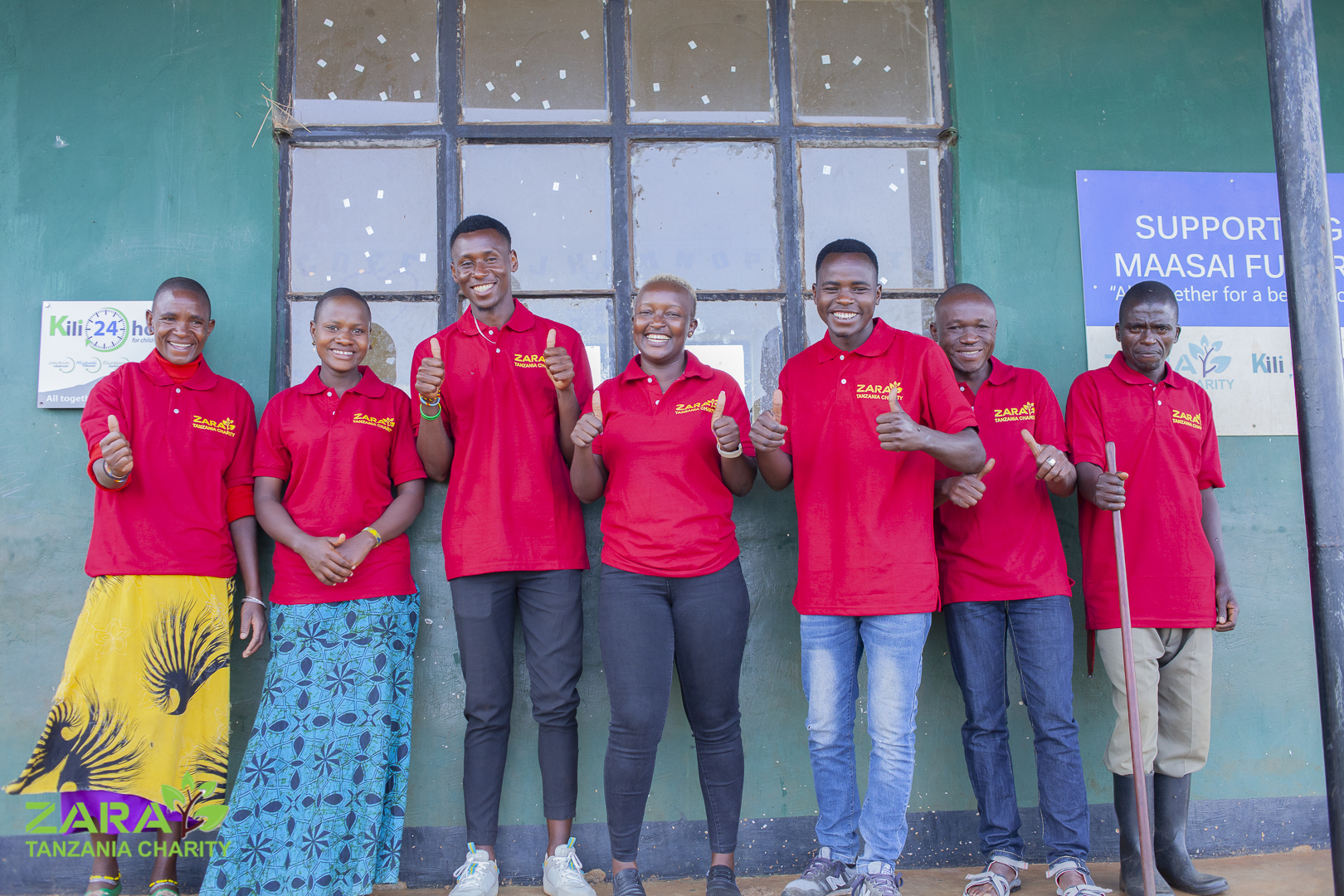
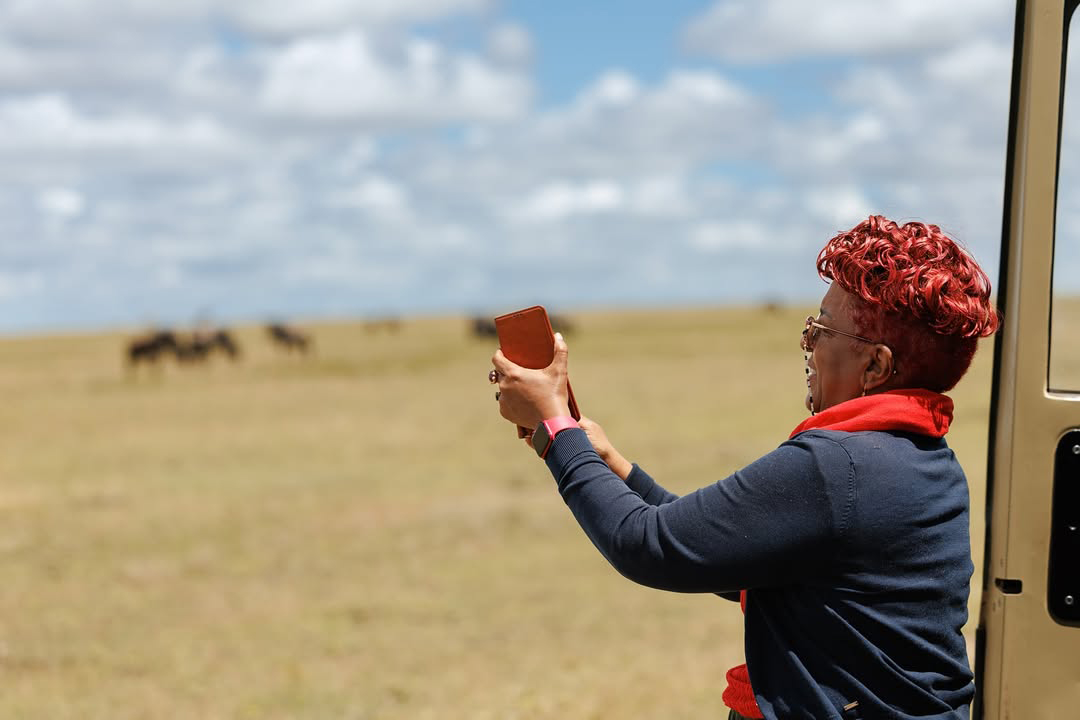
Among these, Zara Charity Tanzania stands out as a locally rooted nonprofit that has made significant strides in empowering women across diverse communities, including urban, rural, and indigenous populations. Founded in 2009 by Zainab Ansell, an award-winning entrepreneur and director of Zara Tanzania Adventures, Zara Charity is registered under Tanzania’s NGO Act (certificate 00NGO/00003212) and leverages sustainable tourism to drive community development. Ansell, honored with the 2025 Top Women Excellence Award for her contributions to economic and social progress, channels 15% of her tourism business profits into the charity, ensuring financial sustainability. By focusing on education, vocational training, and economic empowerment, Zara Charity addresses systemic barriers to women’s advancement, making it a model for community-driven change in Tanzania.

Zara Charity’s Approach to Women’s Empowerment
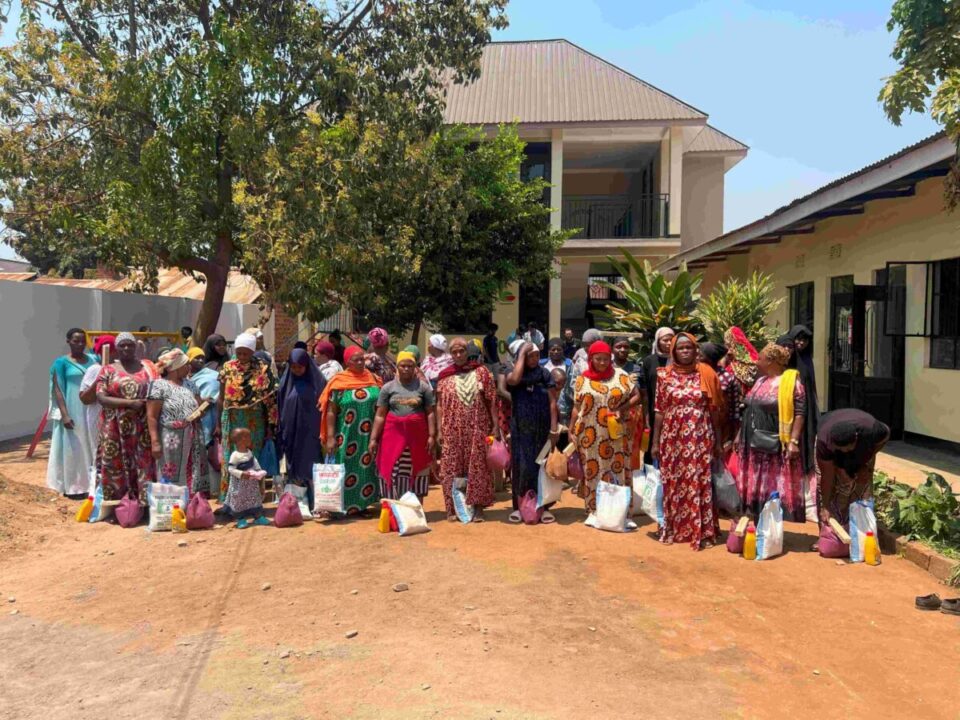
Zara Charity’s programs are designed to address the multifaceted challenges women face, from economic exclusion to limited educational access. Operating across northern Tanzania, including Arusha, Moshi, and the Ngorongoro region, the organization targets women from various backgrounds, including urban entrepreneurs, rural farmers, and indigenous groups. Its holistic approach combines immediate support—such as shelter and healthcare—with long-term strategies like skills training and entrepreneurship, fostering independence and resilience.
1. Vocational Training and Entrepreneurship Programs
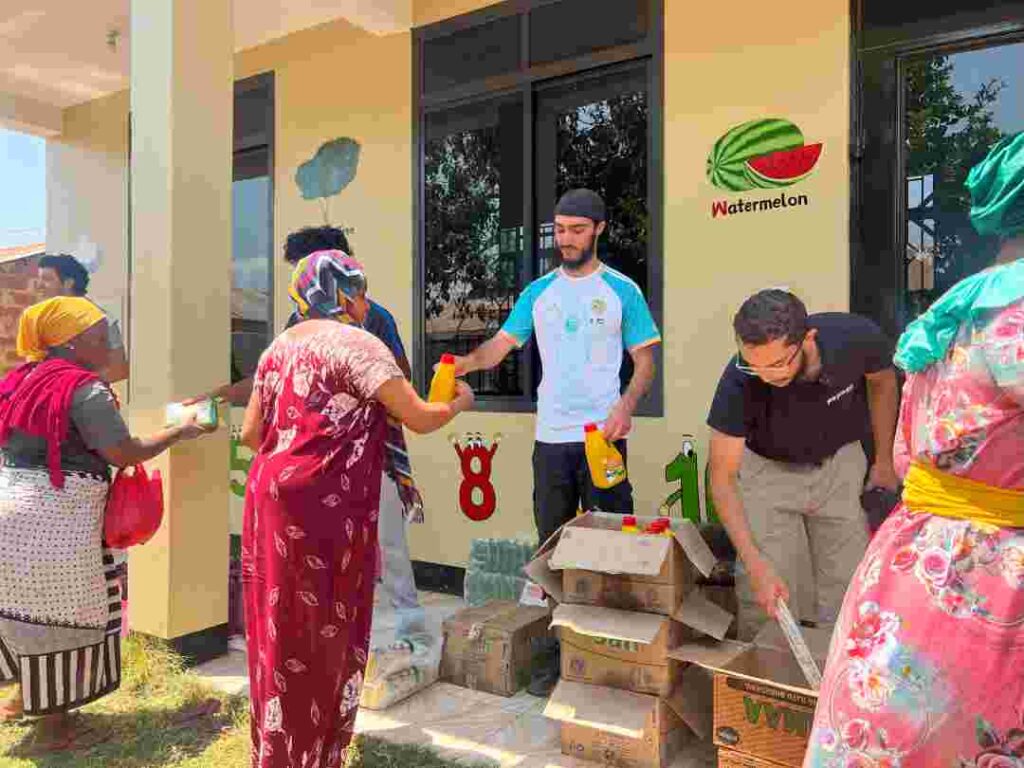
Zara Charity’s vocational training initiatives target women aged 15–40, many of whom face unemployment or underemployment due to limited education or societal constraints. These programs teach practical skills in areas like tailoring, hospitality, agriculture, and small business management. In Arusha, for example, Zara Charity runs workshops that train women to produce textiles and handicrafts, such as clothing and accessories inspired by Tanzanian cultural designs. These products are marketed to local and tourist markets, providing participants with a steady income. In 2024 alone, over 300 women across Arusha and Moshi benefited from these workshops, with 60% reporting increased household contributions, according to Zara Charity’s impact reports.
The organization also proposes establishing a Women’s Vocational Training Center in Karatu, which would serve as a hub for training in tourism, hospitality, and artisanal crafts. The center aims to equip women with skills for sustainable employment, integrating them into Tanzania’s growing tourism and service sectors. By teaching financial literacy and business management, Zara Charity ensures participants can manage earnings, access microfinance, and scale their ventures, directly addressing keywords like “women’s vocational training” and “gender equality Tanzania.”
2. Economic Empowerment Through Sustainable Projects

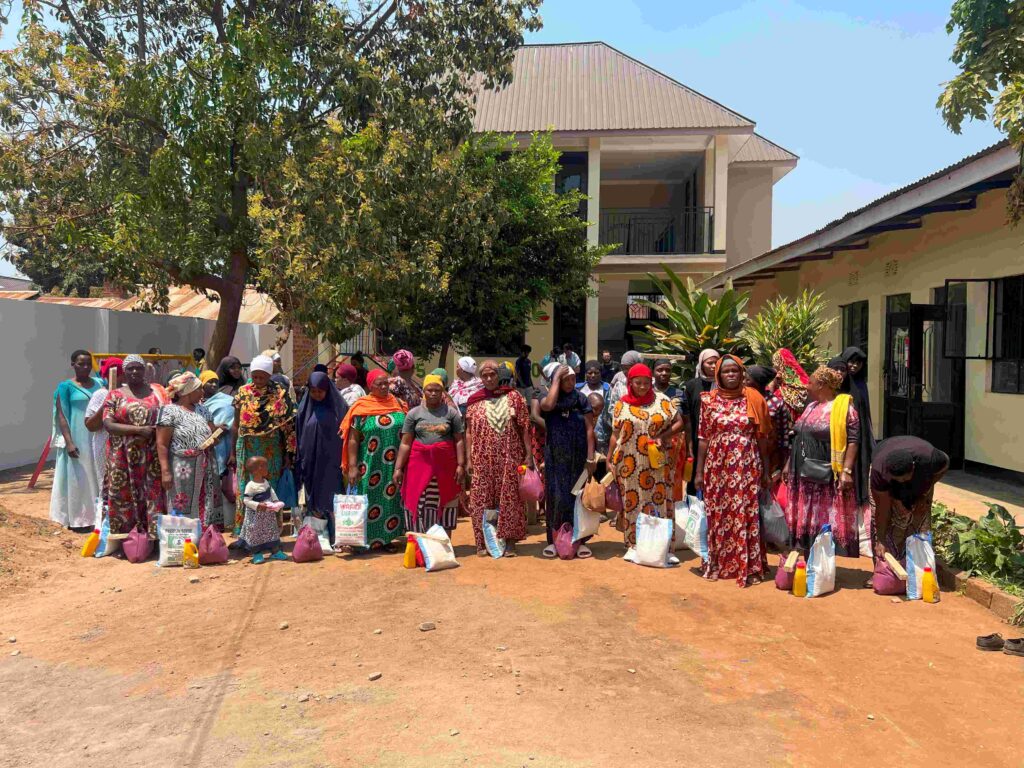
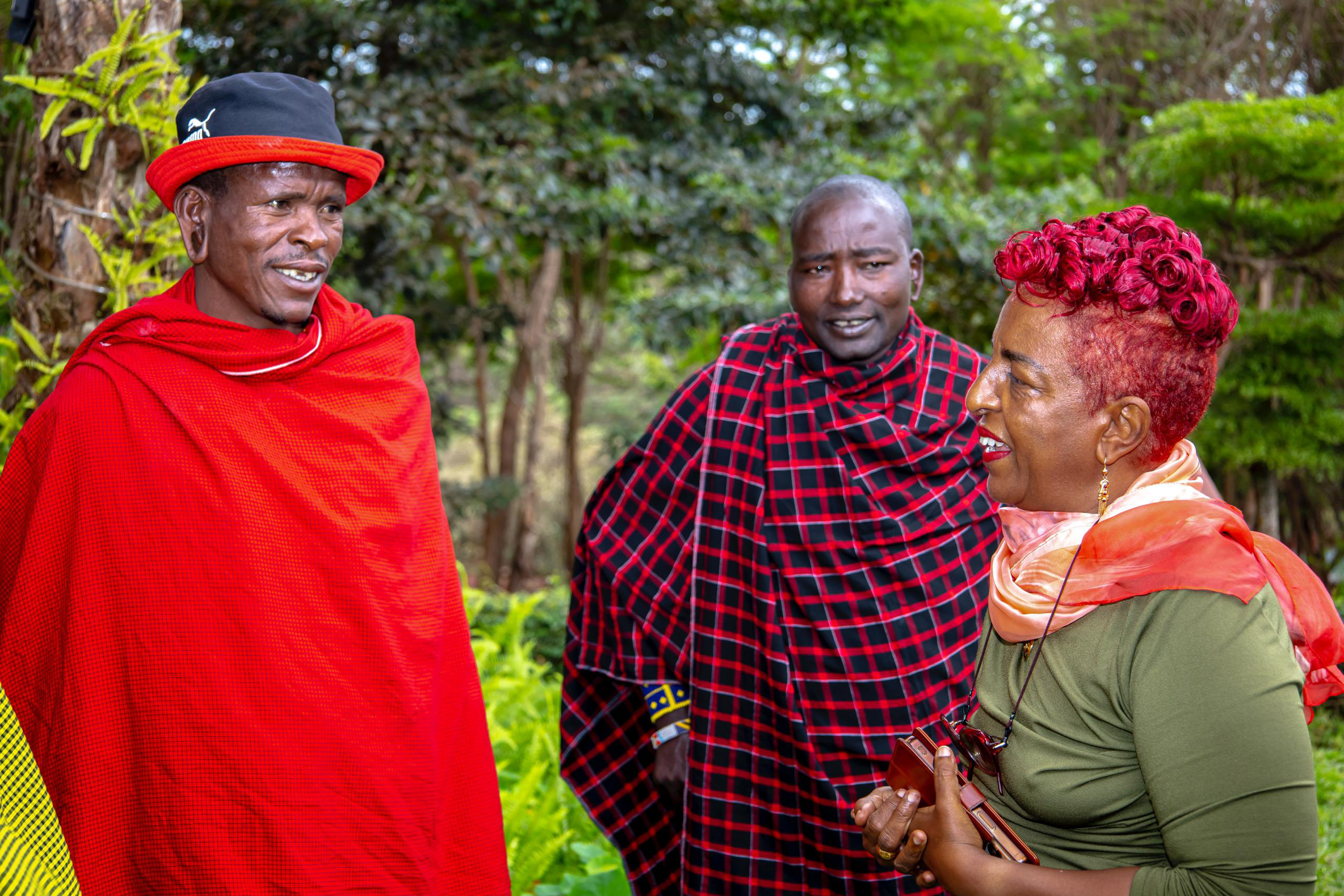
One of Zara Charity’s flagship initiatives is the Asali (Honey) Project, launched in 2022 in the Ngorongoro District. While initially focused on Maasai women, the project has expanded to include women from other communities, such as the Chaga and Pare, in northern Tanzania. The Asali Project trains women in sustainable beekeeping, providing beehives and technical support from agricultural experts. The honey produced is sold locally and through Zara Tours’ properties, generating income for participants. In 2025, the project supported over 150 women across three villages, with proceeds funding family needs like school fees and healthcare.
Additionally, the project incorporates handicraft production, such as beadwork and woven goods, which are sold to tourists and local markets. This dual approach—beekeeping and artisanal crafts—creates diverse income streams, reducing reliance on single revenue sources. The project’s environmental focus, including eco-friendly beekeeping practices, aligns with sustainable development goals, while its economic impact empowers women to challenge traditional gender roles. For instance, participants like Amina, a 28-year-old mother from Isirwa, reported in a 2025 Zara Charity newsletter that her beekeeping income allowed her to pay for her children’s education and gain respect within her community.
3. Education and Leadership Development

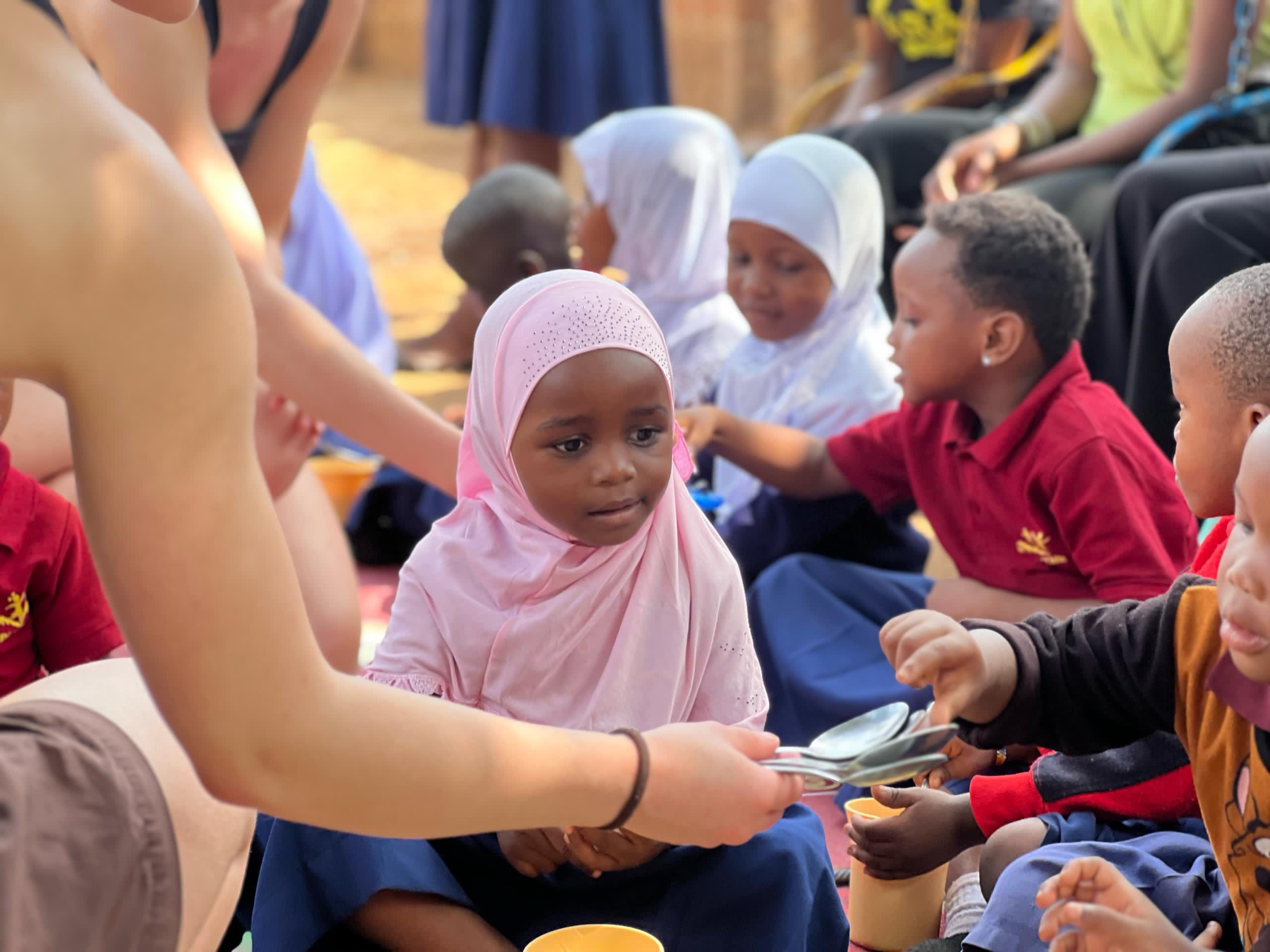
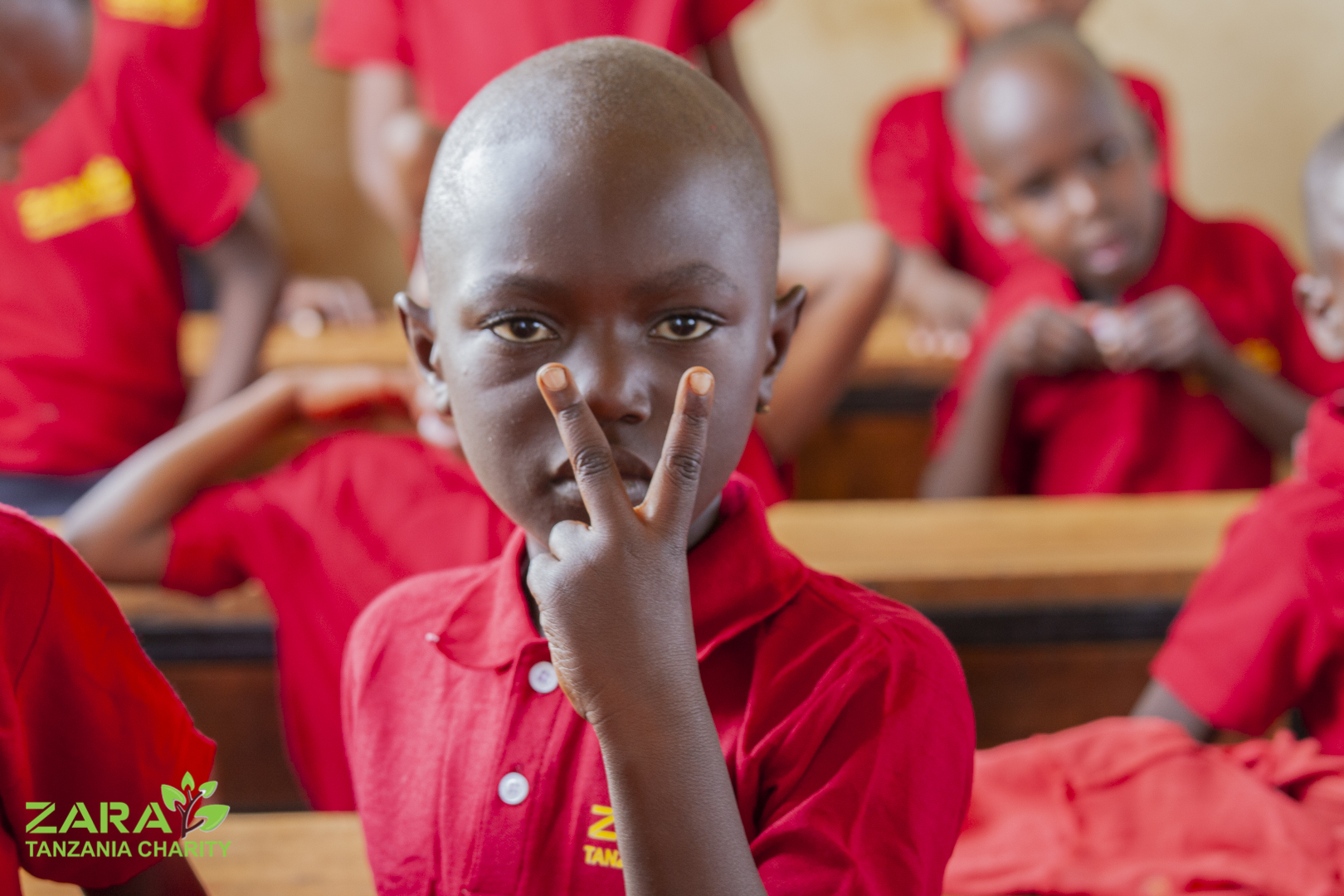
Education is a cornerstone of Zara Charity’s empowerment strategy. The organization supports women and girls through scholarships, school infrastructure, and adult literacy programs. In Moshi, the Moshi Kids Centre provides vocational scholarships for young women, enabling them to pursue careers in fields like tourism and healthcare. In rural areas, Zara Charity funds community schools, such as the Ngorongoro Pre-School, which ensures girls access early education despite cultural or economic barriers. Since 2023, the charity has provided over 200 scholarships, with a focus on preventing school dropouts due to early marriage or financial constraints.
Zara Charity also runs leadership workshops to prepare women for community and professional roles. These workshops, held in partnership with local NGOs, cover topics like public speaking, advocacy, and financial planning. In 2024, over 100 women in Arusha participated in these sessions, with many taking on leadership roles in community savings groups and local governance. By fostering confidence and skills, Zara Charity empowers women to influence decision-making, addressing systemic inequalities highlighted in the 2024 World Development report on gender dynamics in Tanzania.
4. Addressing Gender-Based Violence and Health
Recognizing that empowerment extends beyond economics, Zara Charity tackles gender-based violence (GBV) and health challenges. In collaboration with local health organizations, it provides workshops on women’s rights, reproductive health, and GBV prevention. These sessions, held in community centers across Arusha and Ngorongoro, educate women on legal protections under Tanzania’s 1971 Law of Marriage Act and connect them with support services. In 2025, Zara Charity reached over 500 women with these programs, reducing stigma around reporting GBV and improving access to healthcare.
The charity also supports health initiatives, such as providing sanitary products and maternal care education, which address barriers to women’s participation in education and work. By integrating health and empowerment, Zara Charity ensures women can lead healthier, more productive lives.
Broader Impact on Gender Equality
Zara Charity’s initiatives contribute significantly to Tanzania’s gender equality landscape. By employing over 1,410 staff through its linked tourism businesses, many of whom are women, and supporting community projects, the organization creates economic ripple effects. Its programs have reduced financial dependence on male relatives, lowered GBV rates in targeted communities, and increased women’s representation in local leadership, as evidenced by participant testimonials and 2025 program data.
For example, in Karatu, women trained in hospitality have secured jobs at Zara Tours’ properties, earning wages that support their families and challenge traditional gender roles. The Asali Project’s success has inspired similar initiatives in neighboring regions, demonstrating scalability. Moreover, Zara Charity’s focus on sustainable tourism ensures cultural preservation while driving economic growth, aligning with Tanzania’s tourism-driven economy, which contributes 17% to GDP (World Bank, 2023).
Challenges and Future Directions

Despite its successes, Zara Charity faces challenges, including funding limitations and the need to scale programs to reach more women. Partnerships with international donors and tourism networks are critical to expanding impact. The proposed Women’s Vocational Training Center, for instance, requires $500,000 in funding, with 40% secured by 2025 through grants and tourism profits. Additionally, cultural resistance in some communities necessitates ongoing sensitization efforts to ensure acceptance of women’s empowerment initiatives.
Looking ahead, Zara Charity plans to expand its reach to southern Tanzania, targeting regions like Lindi and Mtwara, where women face similar barriers. By leveraging digital platforms, the organization aims to provide online training modules, increasing access for remote communities. These efforts align with national goals to close gender gaps in education and employment by 2030.
join these efforts
Zara Charity exemplifies how targeted, community-driven programs can transform women’s lives in Tanzania. Through vocational training, economic projects like Asali, education, and health initiatives, it empowers women across diverse backgrounds to achieve financial independence, leadership roles, and personal agency. By addressing systemic barriers and leveraging sustainable tourism, Zara Charity not only uplifts individuals but also advances Tanzania’s gender equality agenda. To support or join these efforts, visit zaracharitytanzania.org for donation and volunteering opportunities.